Lonicera Caerulea ‘Tundra’ (Honeyberry)
Lonicera caerulea, commonly known as honeyberry or sweetberry honeysuckle, is a deciduous shrub that belongs to the Caprifoliaceae family. Originally from.
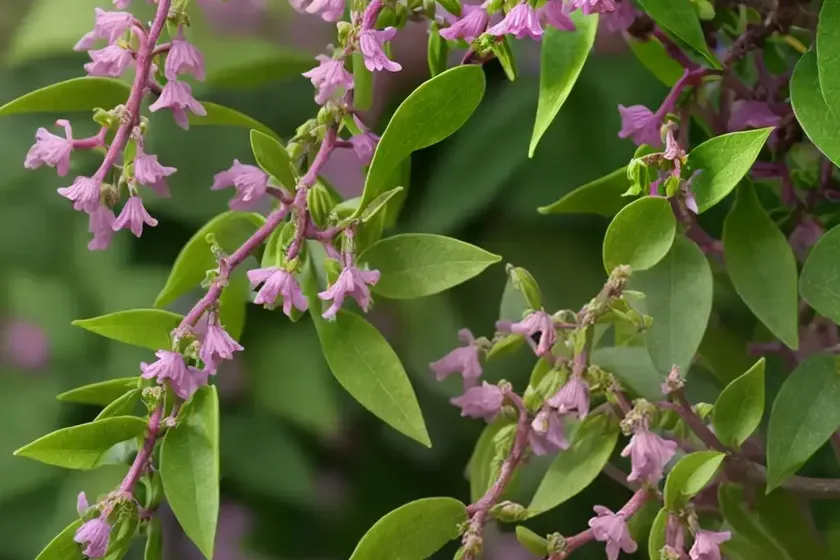
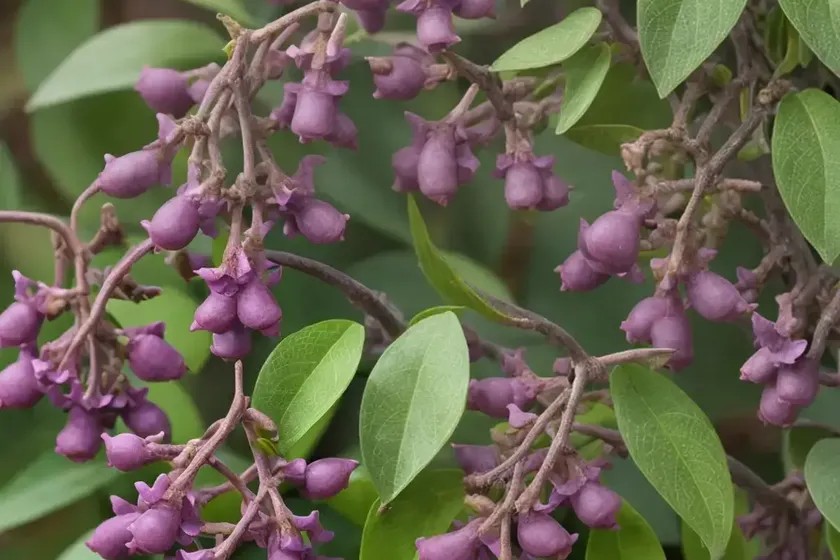
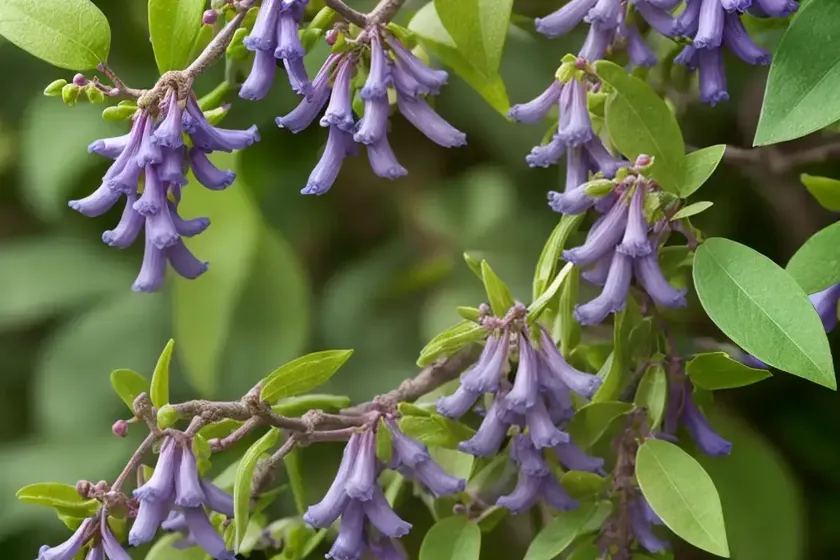
Lonicera caerulea, commonly known as honeyberry or sweetberry honeysuckle, is a deciduous shrub that belongs to the Caprifoliaceae family. Originally from Russia and Japan, this cold-hardy plant produces sweet, elongated berries that are similar in appearance to blueberries. The ‘Tundra’ variety of Lonicera caerulea is particularly popular due to its resilience in harsh climates.
As a plant scientist specializing in horticulture, I am excited to delve into the vast world of Lonicera caerulea ‘Tundra’ and provide a comprehensive guide to its cultivation, care, and uses. In this blog post, we will explore the key aspects of this remarkable plant, including its cultural requirements, diseases, pests, propagation, and much more.
What is Lonicera caerulea ‘Tundra’ (Honeyberry)?
Lonicera caerulea ‘Tundra’, also known as the honeyberry, is a cold-hardy deciduous shrub that produces small, elongated, sweet berries. This plant is native to northeastern Asia and has gained popularity for its ability to thrive in harsh climates, making it a valuable addition to gardens in colder regions.
The ‘Tundra’ variety of Lonicera caerulea is particularly well-suited for challenging growing conditions, including areas with short growing seasons and low winter temperatures. Its adaptability and delicious berries make it a sought-after plant for both home gardeners and commercial growers.
In the following sections, we will explore the essential aspects of cultivating and caring for Lonicera caerulea ‘Tundra’, as well as its culinary and medicinal uses, making it a well-rounded guide for anyone interested in this fascinating plant.
Key Takeaways – Lonicera caerulea ‘Tundra’ (Honeyberry)
Throughout this comprehensive guide, we will explore the following key aspects of Lonicera caerulea ‘Tundra’:
- Cultural Requirements: Understanding the plant’s needs in terms of water, sunlight, fertilizer, soil, and pruning.
- Uses: Exploring the culinary and medicinal uses of honeyberries and their potential benefits.
- Propagation: Learning about methods for propagating Lonicera caerulea ‘Tundra’ to expand its cultivation.
- Container Gardening: Exploring the suitability of growing honeyberries in containers and the associated care.
- Common Diseases and Pests: Identifying and managing potential threats to the health of honeyberry plants.
- Botanist’s Tips: Gaining insights and valuable tips from plant experts.
- Fun Facts: Discovering interesting and lesser-known facts about Lonicera caerulea ‘Tundra’.
Now, let’s dive into each of these aspects to gain a deeper understanding of this intriguing plant.
Lonicera caerulea ‘Tundra’ Information
Culture
Water
Proper watering is essential for the healthy growth and fruit production of Lonicera caerulea ‘Tundra’ plants. These shrubs prefer well-drained soil and regular watering, especially during dry periods.
Watering Tips:
- Water the plant regularly, especially during dry spells, to maintain soil moisture.
- Avoid waterlogging, as Lonicera caerulea ‘Tundra’ is susceptible to root rot in waterlogged conditions.
- Mulching the base of the plant can help retain soil moisture and reduce water evaporation.
Sunlight
Lonicera caerulea ‘Tundra’ thrives in full sun to partial shade. While it can tolerate some shade, the plant will produce more abundant and flavorful berries when grown in a sunny location.
Sunlight Requirements:
- Plant Lonicera caerulea ‘Tundra’ in a location that receives at least 6-8 hours of sunlight per day for optimal fruit production.
- Ensure that the plant is protected from strong winds, especially in colder climates, to prevent damage to tender spring growth.
Fertilizer
Applying a balanced fertilizer can promote healthy growth and fruiting in honeyberry plants. It is essential to provide sufficient nutrients to support the plant’s development and berry production.
Fertilization Guidelines:
- Use a balanced, slow-release fertilizer in early spring before new growth begins.
- Avoid over-fertilizing, as excessive nitrogen can lead to excessive vegetative growth at the expense of fruit production.
- Consider conducting a soil test to determine specific nutrient deficiencies and adjust fertilization accordingly.
Soil
Lonicera caerulea ‘Tundra’ thrives in well-drained, slightly acidic soil. While it can tolerate a range of soil types, providing suitable growing conditions can enhance the plant’s vigor and productivity.
Soil Requirements:
- Plant honeyberry shrubs in loamy, well-draining soil with a slightly acidic pH between 5.5 and 7.0.
- Incorporate organic matter, such as compost or well-rotted manure, into the soil before planting to improve its fertility and structure.
- Mulch the soil around the base of the plant to retain moisture, suppress weeds, and regulate soil temperature.
Pruning
Proper pruning is crucial for maintaining the health, shape, and productivity of Lonicera caerulea ‘Tundra’ plants. Pruning helps remove dead or damaged wood, enhance air circulation, and stimulate new growth.
Pruning Techniques:
- Prune honeyberry shrubs in late winter or early spring before new growth emerges.
- Remove any dead, diseased, or broken branches to promote overall plant health.
- Thin out crowded or crossing branches to improve air circulation and light penetration throughout the plant.
Propagation
There are several methods for propagating Lonicera caerulea ‘Tundra’, including hardwood cuttings, softwood cuttings, and layering. Propagation allows growers to expand their honeyberry plantings and ensure genetic diversity in their collections.
Propagation Methods:
- Hardwood Cuttings: Take 6-8 inch long cuttings from mature, disease-free wood in late fall or winter. Dip the cut ends in rooting hormone and plant them in a well-draining propagation medium.
- Softwood Cuttings: Harvest 3-5 inch long cuttings from the current season’s growth in early summer. Treat the cuttings with rooting hormone and place them in a warm, humid environment to root.
- Layering: Encourage low-hanging branches to come into contact with the soil, where they will develop roots. After roots form, detach the new plant from the parent and transplant it to a new location.
Container
Lonicera caerulea ‘Tundra’ can be successfully grown in containers, making it a versatile option for gardeners with limited space or those looking to enjoy honeyberries on patios and balconies.
Container Gardening Tips:
- Select a large container with adequate drainage holes to accommodate the plant’s root system and promote good drainage.
- Use a well-draining potting mix formulated for acid-loving plants to provide the necessary growing medium for honeyberry shrubs.
- Place the container in a location that receives sufficient sunlight and protect it from extreme temperatures and harsh winds during winter.
Popularity
Honeyberries have gained increased popularity among gardeners and commercial growers for their unique flavor, cold-hardiness, and attractive appearance. The ‘Tundra’ variety of Lonicera caerulea, in particular, has garnered attention for its ability to thrive in challenging environments and delight with its sweet, elongated berries.
Common Diseases
While Lonicera caerulea ‘Tundra’ is relatively resistant to many common plant diseases, it can be susceptible to certain issues that may affect its health and productivity.
Disease Diagnosis
Common diseases that can affect honeyberry plants include powdery mildew, leaf spot, and root rot. Proper diagnosis and timely intervention are crucial for managing these issues and ensuring the continued health of the plants.
Symptoms and Management:
- Powdery Mildew: Look for a white, powdery coating on the leaves and shoots. Improve air circulation, remove affected plant parts, and consider applying fungicidal sprays if the infestation is severe.
- Leaf Spot: Monitor for dark, irregular spots on the leaves and remove and destroy affected foliage. Avoid overhead watering and maintain good sanitation practices to prevent the spread of disease.
- Root Rot: Recognize symptoms of wilting, yellowing leaves, and stunted growth. Ensure proper drainage and avoid overwatering to prevent root rot from affecting the plants.
Common Pests
Honeyberry shrubs can face potential threats from pests such as aphids, mites, and caterpillars. Monitoring the plants regularly and taking appropriate measures can help manage pest infestations effectively.
Pest Control
Integrated pest management (IPM) approaches, including physical, cultural, and biological control methods, can help address pest issues while minimizing reliance on chemical interventions.
Pest Management Strategies:
- Aphids: Rinse the affected plant parts with a strong stream of water to dislodge the pests. Encourage natural predators, such as ladybugs and lacewings, to control aphid populations.
- Mites: Monitor for stippling or discoloration of the leaves, indicating mite feeding. Consider introducing predatory mites or using insecticidal soaps to manage mite infestations.
- Caterpillars: Handpick caterpillars from the plants and encourage natural predators, such as birds and beneficial insects, to control their populations.
Botanist’s Tips
Tips for Cultivating Honeyberry Plants
- Choose suitable cultivars for your region, considering factors such as bloom time, pollination requirements, and cold hardiness.
- Provide consistent irrigation during the establishment phase and maintain adequate soil moisture throughout the growing season to support healthy growth and fruit development.
- Consider planting compatible pollination partners to ensure optimal berry production.
Fun Facts
- Lonicera caerulea ‘Tundra’ is also known by various other names, including haskap, blue honeysuckle, and sweetberry honeysuckle.
- The honeyberry’s fruits are not only delectable but also highly nutritious, containing valuable antioxidants, vitamins, and minerals.
Links to External Resources
For additional information on Lonicera caerulea ‘Tundra’ and honeyberry cultivation, consider exploring the following resources:
- University of Saskatchewan – Honeyberry Introduction and Production Guide
- USDA National Resources Conservation Service – Guide to Planting Honeyberry (Haskap)
- Permaculture Research Institute – The Many Benefits of Growing Honeyberries
In conclusion, Lonicera caerulea ‘Tundra’ (Honeyberry) is a remarkable plant with its cold-hardiness, delicious berries, and versatility in cultivation. Whether you are a seasoned gardener or just starting, incorporating honeyberry shrubs into your landscape can offer a rewarding experience and a bountiful harvest of nutritious, unique berries.
With the insights provided in this guide, I hope you feel inspired to explore the world of Lonicera caerulea ‘Tundra’ and consider including this resilient and delightful plant in your garden. Happy cultivating!
References:
– University of Saskatchewan – Fruit Program. “Fruit Program.” University of Saskatchewan, https://research-groups.usask.ca/fruit/#our-work.
– USDA National Resources Conservation Service. “Guide to Planting Honeyberry (Haskap).” USDA National Resources Conservation Service, https://www.nrcs.usda.gov/Internet/FSE_DOCUMENTS/nrcs142p2_030798.pdf.
– Permaculture Research Institute. “The Many Benefits of Growing Honeyberries.” Permaculture Research Institute, https://www.permaculturenews.org/2014/05/21/many-benefits-growing-honeyberries/.