The Lollipop Plant (Pachystachys lutea): A Comprehensive Guide to Cultivation and Care
Plants are an integral part of our environment, providing us with food, medicine, and beauty. Their diversity and adaptability make them fascinating subjects for study and cultivation. One such intriguing plant is the Lollipop Plant (Pachystachys lutea), known for its vibrant, lollipop-shaped flowers and lush foliage. In this comprehensive guide, we will delve into the fascinating world of the Lollipop Plant, exploring its characteristics, culture, uses, growth requirements, and potential challenges.
What is the Lollipop Plant (Pachystachys lutea)?
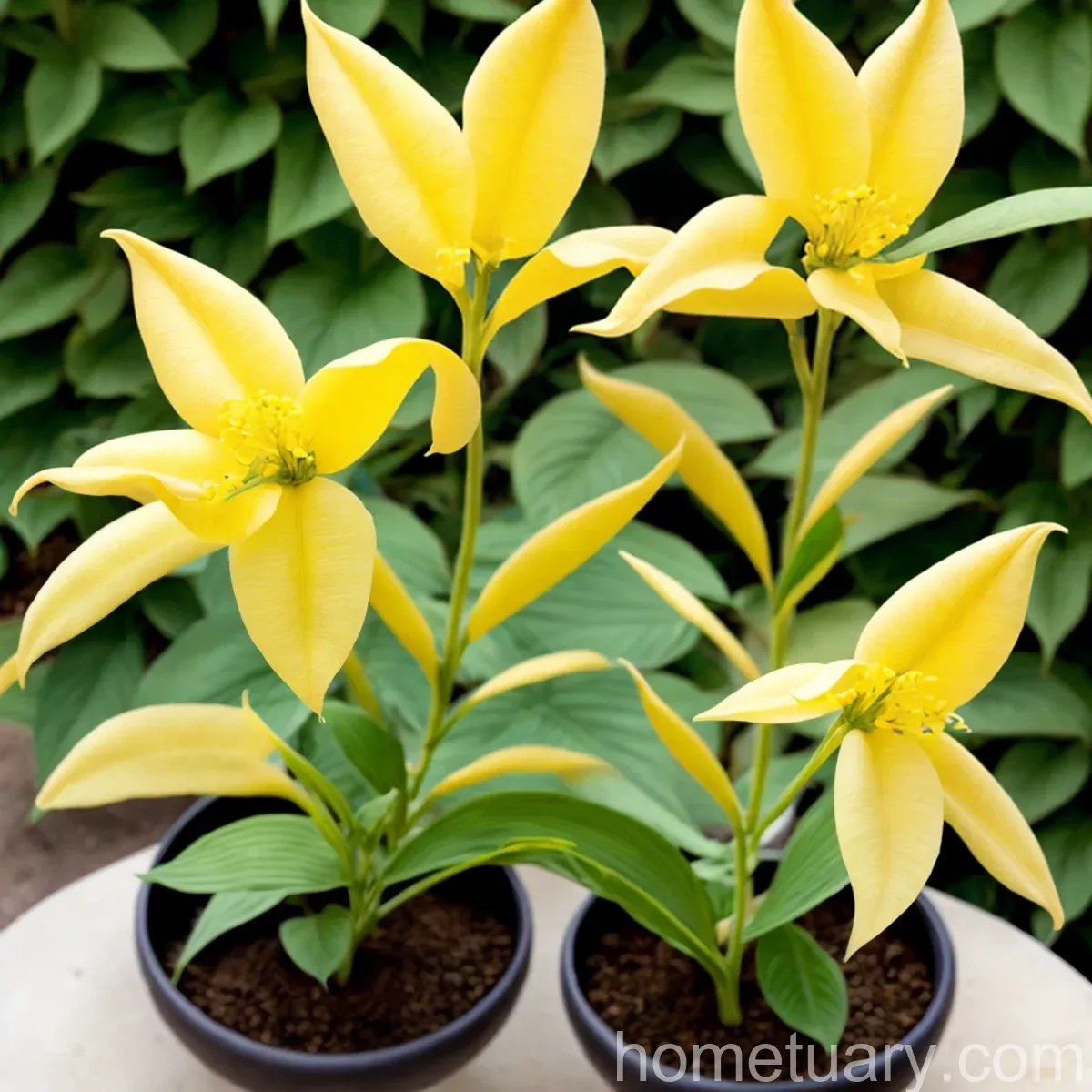
The Lollipop Plant, scientifically known as Pachystachys lutea, is a tropical flowering plant native to Central and South America. It belongs to the Acanthaceae family and is renowned for its striking inflorescences that resemble colorful lollipops, hence its common name. The plant’s showy, cone-shaped flower clusters and glossy leaves make it a sought-after addition to gardens, landscapes, and indoor spaces.
Key Takeaways – Lollipop Plant (Pachystachys lutea)
Before we delve into the specifics of cultivating and caring for the Lollipop Plant, let’s explore some key takeaways about this captivating species:
- Scientific Name: Pachystachys lutea
- Common Name: Lollipop Plant
- Family: Acanthaceae
- Native Habitat: Central and South America
- Notable Feature: Distinctive lollipop-shaped, yellow flowers
- Cultivation: Popular as an ornamental plant in tropical and subtropical regions
Now that we have a basic understanding of the Lollipop Plant, let’s move on to explore its cultural requirements, uses, and potential benefits.
Culture
Uses
The Lollipop Plant is primarily cultivated for its ornamental value, adding a touch of exotic beauty to gardens, landscapes, and interior spaces. The plant’s vibrant flowers and lush foliage make it an attractive choice for:
- Gardens and Landscapes: The Lollipop Plant can be used as a focal point in garden beds, borders, or tropical-themed landscapes.
- Indoor Decor: With proper care, the plant thrives as a potted specimen, enhancing indoor environments with its colorful blooms and glossy leaves.
Water
Proper watering is essential for the health and vitality of the Lollipop Plant. While it is important to keep the soil consistently moist, it is equally crucial to avoid waterlogging, as excessive moisture can lead to root rot and other complications.
Watering Requirements:
– Frequency: Water the plant when the top inch of the soil feels dry to the touch.
– Method: Use a watering can or hose to apply water evenly to the root zone, allowing excess water to drain away.
Sunlight
As a tropical species, the Lollipop Plant thrives in bright, indirect sunlight. While it can tolerate some direct sun, prolonged exposure to intense sunlight may cause leaf scorching and reduced flower production.
Sunlight Needs:
– Indoor Placement: Position the plant near a window with bright, filtered light.
– Outdoor Placement: In outdoor settings, provide partial shade to shield the plant from intense midday sun.
Fertilizer
To support healthy growth and prolific flowering, the Lollipop Plant benefits from regular fertilization during the growing season. A balanced, water-soluble fertilizer formulated for flowering plants can provide the necessary nutrients for robust growth and vibrant blooms.
Fertilization Tips:
– Frequency: Apply a diluted fertilizer solution every two to four weeks during the growing season.
– Application: Ensure even distribution of the fertilizer around the plant’s root zone, avoiding direct contact with the foliage.
Soil
Well-draining, fertile soil is essential for the Lollipop Plant, mimicking its native tropical habitat. A high-quality potting mix enriched with organic matter offers the ideal growing medium for container-grown specimens.
Potting Soil Composition:
– Ingredients: Use a mix containing peat moss, perlite, and compost to promote adequate drainage and nutrient retention.
– Acidic pH: Aim for a slightly acidic soil pH in the range of 6.0 to 6.5 to encourage optimal nutrient uptake.
Pruning
Regular pruning not only helps maintain the Lollipop Plant’s attractive appearance but also promotes healthy growth and flowering. Removal of spent flowers and periodic shaping can enhance the plant’s vigor and overall aesthetic appeal.
Pruning Techniques:
– Deadheading: Remove faded flowers to encourage continuous blooming and prevent seed formation.
– Shaping: Trim unruly or overgrown branches to maintain a balanced and compact growth habit.
Propagation
The propagation of the Lollipop Plant offers enthusiasts the opportunity to expand their plant collection or share this striking species with fellow gardening enthusiasts. While the plant can be propagated from seeds, stem cuttings often yield quicker and more reliable results.
Propagation Methods:
– Stem Cuttings: Select healthy, non-flowering stems and root them in a well-draining propagation medium.
– Seed Sowing: Collect mature seeds from the plant’s inflorescences and sow them in a warm, moist environment for germination.
Container Popularity
The Lollipop Plant’s compact growth habit and decorative flowers make it well-suited for container cultivation. Whether indoors or on a patio, the plant can thrive in a carefully selected container, adding a touch of tropical splendor to its surroundings.
Common Diseases
Despite its resilience, the Lollipop Plant is susceptible to certain diseases that can affect its overall vigor and appearance. Understanding common diseases and their potential symptoms can aid in prompt diagnosis and appropriate intervention to prevent the spread of infections.
Disease Diagnosis
- Leaf Spot: Circular, brown lesions on the leaves may indicate fungal leaf spot, which thrives in humid conditions. Improve air circulation and avoid overhead watering to mitigate the risk of this condition.
- Powdery Mildew: A white, powdery coating on the leaves and stems suggests powdery mildew infestation, often triggered by high humidity and poor air circulation. Employ cultural practices and fungicidal treatments to manage this fungal disease effectively.
Common Pests
In addition to diseases, the Lollipop Plant can fall victim to various pest infestations that jeopardize its health and aesthetics. Timely detection and appropriate pest control measures are crucial in preserving the plant’s vitality and ornamental value.
Botanist’s Tips
To ensure the successful cultivation of the Lollipop Plant, it’s important to keep in mind the following expert tips:
- Consistent Moisture: Maintain steady soil moisture without waterlogging to support the plant’s growth and flowering.
- Protection from Extreme Conditions: Shield the plant from intense sunlight and cold drafts to prevent stress and damage to the foliage.
- Pruning Best Practices: Regular pruning and deadheading can stimulate new growth and ensure the plant maintains its attractive appearance.
Fun Facts
Here are some intriguing and little-known facts about the Lollipop Plant:
- The genus name Pachystachys is derived from the Greek words “pachys,” meaning thick, and “stachys,” meaning an ear of grain, in reference to the dense, cylindrical inflorescences.
- In its native habitat, the Lollipop Plant is often visited by hummingbirds and butterflies, serving as a source of nectar and contributing to local biodiversity.
Links to External Resources
To further expand your knowledge and appreciation of the Lollipop Plant, explore the following external resources:
- Royal Horticultural Society (RHS): Pachystachys lutea
- Missouri Botanical Garden: Pachystachys lutea
- University of Florida IFAS Extension: Lollipop Plant
Now equipped with a deeper understanding of the Lollipop Plant’s characteristics and cultivation requirements, you are well-prepared to embark on a rewarding journey of growing and nurturing this tropical gem. Whether you choose to adorn your garden with its vibrant presence or enliven your indoor spaces with its exotic allure, the Lollipop Plant has the potential to captivate and delight all who encounter it.
Note: The information provided in this guide is intended for educational purposes and is not a substitute for professional plant care advice. Always consult with local horticultural experts for guidance tailored to your specific growing conditions and needs.
The comprehensive guide provides an in-depth exploration of the captivating Lollipop Plant, offering valuable insights into its culture, uses, and expert care tips. By incorporating expert advice and essential guidelines, this guide empowers enthusiasts to cultivate and appreciate the beauty of the Lollipop Plant with confidence and expertise. With the provided external resources, readers have the opportunity to delve deeper into the fascinating world of Pachystachys lutea and unlock further knowledge about this enchanting tropical species.