Livistona Chinensis (Chinese Fan Palm)
Livistona chinensis, commonly known as the Chinese Fan Palm, is a striking and versatile plant that has been adored by plant enthusiasts and.
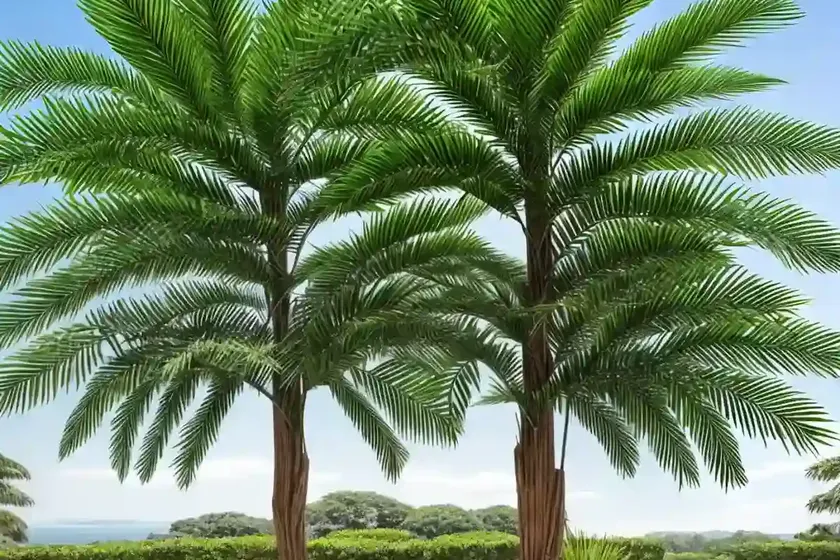
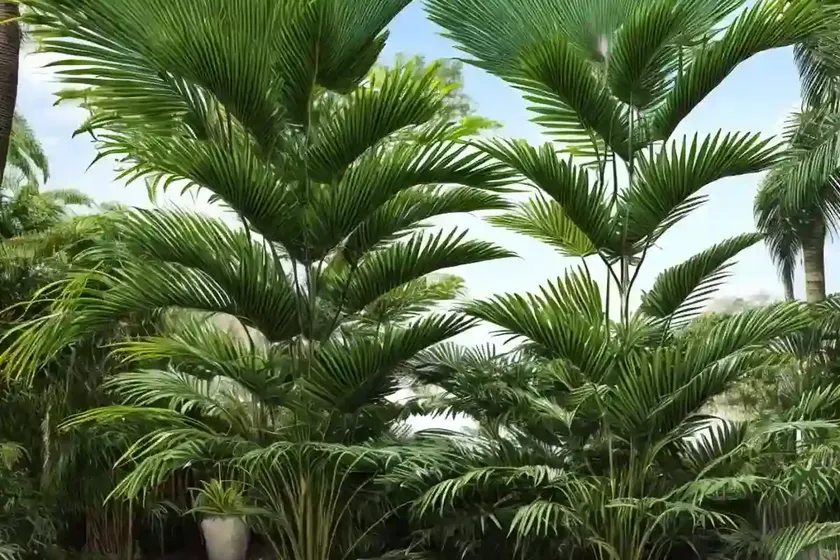
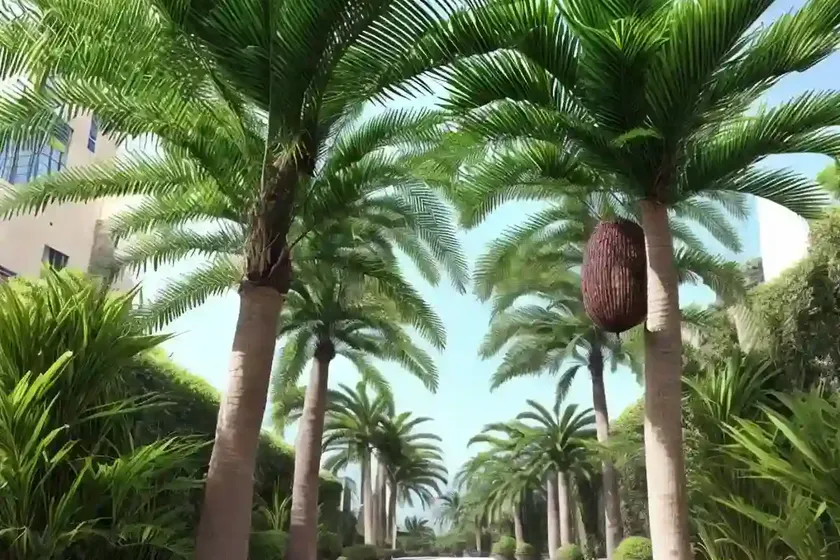
Livistona chinensis, commonly known as the Chinese Fan Palm, is a striking and versatile plant that has been adored by plant enthusiasts and horticulturists for generations. This evergreen palm species belongs to the Arecaceae family and is native to Japan, Southern China, and Taiwan. Renowned for its elegant, fan-shaped leaves and adaptability to various growing conditions, the Chinese Fan Palm is a popular choice for both indoor and outdoor landscapes.
In this comprehensive guide, we will explore the various facets of Livistona chinensis, from its cultural requirements to its uses, maintenance, common diseases, and propagation techniques. Moreover, we will delve into the plant’s fascinating attributes, providing valuable insights to both seasoned gardeners and beginners. Let’s embark on an exploration of the captivating Livistona chinensis, acquainting ourselves with its intricacies and the best practices for nurturing this beautiful species.
What is Livistona Chinensis: The Chinese Fan Palm?
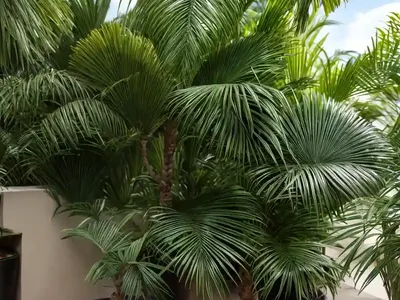
Livistona chinensis, known as the Chinese Fan Palm, represents a species of subtropical palms that are highly valued for their ornamental appeal. These palms typically grow in an upright manner, with a single trunk that supports a striking crown of large, fan-shaped leaves. The foliage of Livistona chinensis distinctly portrays a circular or fan-like pattern, featuring deep green, glossy fronds that capture the essence of tropical elegance.
Understanding the cultural requirements and best practices for cultivating and nurturing Livistona chinensis is integral to fostering healthy and thriving specimens. From its water and sunlight needs to its ideal soil composition and maintenance routines, the Chinese Fan Palm thrives when provided with optimal conditions that mimic its natural habitat.
Key Takeaways – Livistona Chinensis (Chinese Fan Palm)
Culture
Cultural practices play a pivotal role in the successful growth and development of Livistona chinensis. By adhering to the following guidelines, enthusiasts can provide the most conducive environment for the Chinese Fan Palm to flourish:
-
Water: Moderate watering, allowing the top layer of soil to dry out between watering sessions.
-
Sunlight: Thrives in partial shade to full sun, making it an adaptable choice for various light conditions.
-
Fertilizer: Regular application of a balanced fertilizer during the growing season, enhancing the plant’s vigor and foliage development.
-
Soil: Well-draining soil with a slightly acidic to neutral pH, enabling optimal root health and nutrient uptake.
-
Pruning: Periodic removal of dead or damaged fronds to maintain the plant’s aesthetic appeal and encourage new growth.
Uses
The Chinese Fan Palm holds significant value in horticulture and landscaping, serving diverse purposes:
-
Indoor Ornament: Ideal for adding a touch of tropical elegance to interior spaces, enhancing the aesthetic appeal of homes and offices.
-
Outdoor Landscapes: Beautifies gardens, patios, and landscapes, blending seamlessly with both tropical and subtropical plant palettes.
-
Air Purification: Contributes to indoor air quality by effectively removing pollutants and toxins from the environment.
Water
Understanding the water requirements of Livistona chinensis is crucial for preventing overwatering or underwatering, both of which can adversely affect the plant’s health. The following guidelines illuminate the ideal watering regimen for the Chinese Fan Palm:
-
Watering Frequency: Water the plant when the top inch of the soil feels dry to the touch, generally translating to once every 7-10 days during the growing season and less frequently during winter.
-
Water Quality: Use room temperature, filtered water to prevent the accumulation of salts and chemicals that may hinder the plant’s growth.
-
Drainage: Ensure proper drainage to prevent waterlogging, which can lead to root rot and other complications.
Sunlight
Livistona chinensis exhibits versatility in its light requirements, adapting to a range of light conditions with ease. Understanding the plant’s preferences aids in optimizing its growth and enhancing its visual appeal:
-
Indoor Lighting: Flourishes in bright, indirect light, making it suitable for indoor settings with ample natural light.
-
Outdoor Exposure: Can thrive in both partial shade and full sun, showcasing adaptability to varying light intensities.
Fertilizer
Feeding Livistona chinensis with appropriate fertilizer supports robust growth and vibrant foliage, ensuring the plant’s overall health and vitality:
-
Fertilizer Type: Implement a balanced, slow-release fertilizer formulated for palm plants, providing essential nutrients without the risk of over-fertilization.
-
Application Frequency: Administer fertilizer every 2-3 months during the growing season, reducing or discontinuing feeding during the winter months.
-
Fertilizer Distribution: Evenly distribute the fertilizer around the plant’s root zone, avoiding direct contact with the trunk to prevent potential damage.
Soil
The composition of the soil directly impacts the well-being and growth of Livistona chinensis, necessitating a well-draining and nutrient-rich medium to sustain the plant’s root system:
-
Drainage: Ensure adequate drainage to prevent water accumulation, incorporating perlite or sand to enhance the soil’s drainage capacity.
-
pH Level: Aim for a slightly acidic to neutral soil pH, typically ranging between 6.0 to 7.5, promoting optimal nutrient availability to the Chinese Fan Palm.
-
Organic Matter: Incorporate organic matter, such as compost or peat moss, to bolster the soil’s fertility and structure, fostering a conducive environment for root development.
Pruning
Pruning is an essential aspect of maintaining Livistona chinensis, facilitating the removal of spent fronds and ensuring the plant’s vitality and aesthetic appeal:
-
Dead Frond Removal: Regularly prune dead or yellowing fronds to promote new growth and prevent the spread of diseases and pests.
-
Pruning Techniques: Use sharp, sterile pruning tools to make clean cuts, minimizing the risk of damage and infection.
-
Aesthetics: Prune the plant to maintain an attractive and symmetrical appearance, enhancing its ornamental value.
Propagation
While propagating Livistona chinensis may require patience and precision, it presents an enriching venture for ardent plant enthusiasts seeking to expand their collection:
-
Propagation Methods: The Chinese Fan Palm can be propagated through seeds or division, with the former method being the most reliable and rewarding.
-
Seed Propagation: Germinate fresh seeds in a warm, moist environment, ensuring consistent moisture levels for successful sprouting.
-
Division: Divide established clumps of the palm, ensuring that each division retains a sufficient portion of the root system for successful transplantation.
Container Popularity
As an indoor or patio plant, Livistona chinensis is a popular choice for container cultivation, thriving in controlled environments and showcasing its ornamental allure:
-
Container Size: Select a spacious, well-draining container that accommodates the plant’s root system with room for future growth.
-
Indoor Appeal: Enhances interior spaces with its lush foliage and architectural presence, bringing a touch of the tropics to indoor settings.
-
Outdoor Elegance: Beautifies patios, balconies, and outdoor spaces, infusing them with a tropical ambiance and visual appeal.
Common Diseases
Understanding and preemptively addressing common diseases that afflict Livistona chinensis is vital for safeguarding the plant’s health and longevity:
-
Fungal Diseases: Watch for signs of fungal infections, such as leaf spots and rot, implementing appropriate fungicidal treatments as needed.
-
Root Rot: Prevention of overwatering and providing well-draining soil is crucial in averting root rot and its detrimental effects on the plant’s health.
-
Pest Infestations: Be vigilant for pests such as spider mites and scale insects, addressing infestations promptly with suitable control measures.
Disease Diagnosis
Diagnosing diseases and afflictions that affect the Chinese Fan Palm requires keen observation and an understanding of common symptoms:
-
Leaf Discoloration: Yellowing or browning of leaves can indicate a range of issues, including nutrient deficiencies or overwatering.
-
Fungal Manifestations: Identification of fungal growth on leaves or stems signifies a potential fungal infection requiring targeted treatments.
-
Wilting: Sudden wilting or drooping of foliage can signify root issues or water stress, necessitating immediate attention and remediation.
Common Pests
Pests pose a threat to the well-being of Livistona chinensis, requiring proactive measures to mitigate infestations and preserve the plant’s health:
-
Spider Mites: Keep an eye out for fine webbing and stippled leaves, indicative of spider mite activity, and introduce appropriate interventions to control their population.
-
Scale Insects: Detect and address scale infestations promptly, employing natural predators or horticultural oils to combat these pests effectively.
-
Mealybugs: Prevent and manage mealybug infestations by employing targeted treatments, such as neem oil or insecticidal soaps, to eradicate these troublesome pests.
Botanist’s Tips
Seasoned botanists and horticultural experts offer valuable insights and tips for cultivating and caring for Livistona chinensis:
-
Adequate Light: Ensure the plant receives ample indirect or direct sunlight, optimizing its growth and foliage development.
-
Consistent Watering: Exercise moderation in watering, allowing the soil to partially dry out between watering sessions to prevent moisture-related issues.
-
Regular Maintenance: Commit to regular pruning and grooming of the plant to uphold its aesthetic appeal and encourage healthy growth.
Fun Facts
Delve into the fascinating world of Livistona chinensis through captivating and intriguing fun facts about this enchanting plant species:
-
Symbolism: In traditional Eastern cultures, the fan-shaped leaves of the Chinese Fan Palm symbolize good fortune and longevity, imbuing the plant with cultural significance.
-
Botanical Relatives: Livistona chinensis is part of the Livistona genus, which encompasses approximately 36 palm species renowned for their ornamental value.
-
Ancient Origins: This species has a storied past, with its presence dating back to ancient civilizations, where it was revered for its aesthetic and cultural relevance.
Links to External Resources
To enrich your understanding of Livistona chinensis and further expand your knowledge of this captivating plant species, explore the following external resources:
- Royal Horticultural Society – Livistona chinensis
- University of Florida – Livistona chinensis
- Plant Care Today – Chinese Fan Palm
- Missouri Botanical Garden – Livistona chinensis
- The Spruce – Chinese Fan Palm Care Guide
As you embark on your journey of nurturing and appreciating Livistona chinensis, these resources serve as valuable references, offering insights from botanical institutions, horticultural experts, and experienced gardeners.
In conclusion, the Chinese Fan Palm, with its resplendent foliage and adaptability, stands as a testament to the allure and diversity of palm species. By honoring its cultural and aesthetic significance while embracing sound horticultural practices, enthusiasts can bask in the beauty and vitality of Livistona chinensis, adding a touch of tropical splendor to their surroundings. Whether poised in a stately container or gracing the outdoor landscape, the Chinese Fan Palm remains an emblem of natural elegance and botanical sophistication.
Let the vibrant foliage and timeless allure of Livistona chinensis inspire and enrich your botanical pursuits, elevating your appreciation for the wonders of the plant kingdom.