Little Tree Plant (Biophytum Sensitivium)
Plants are not just a source of beauty that adds vibrancy to our surroundings; they are also vital for the ecosystem and have a substantial impact on our.
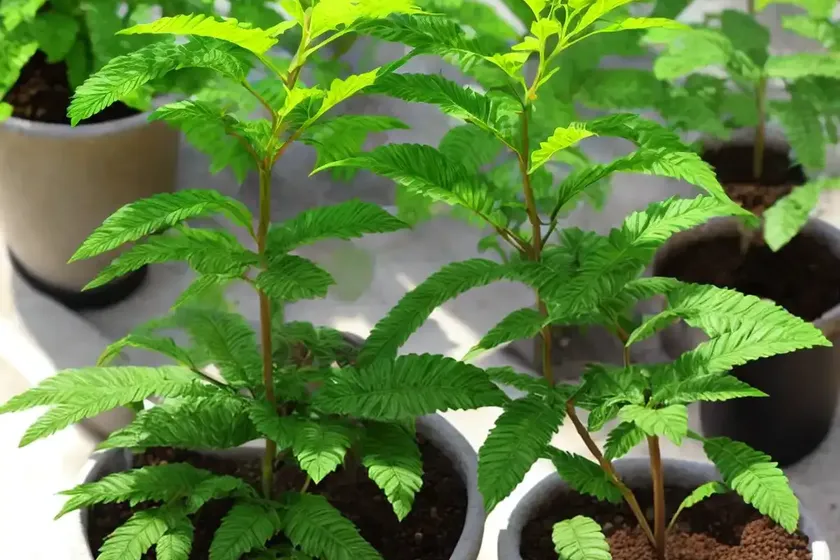
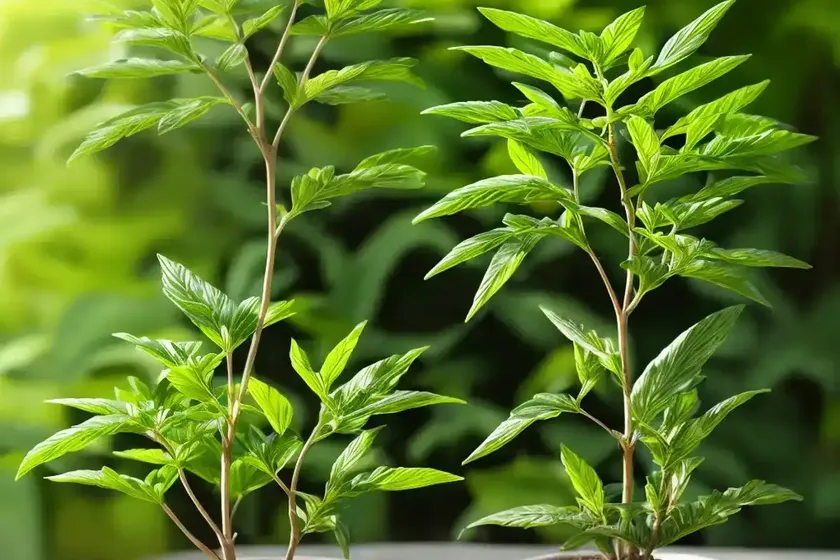
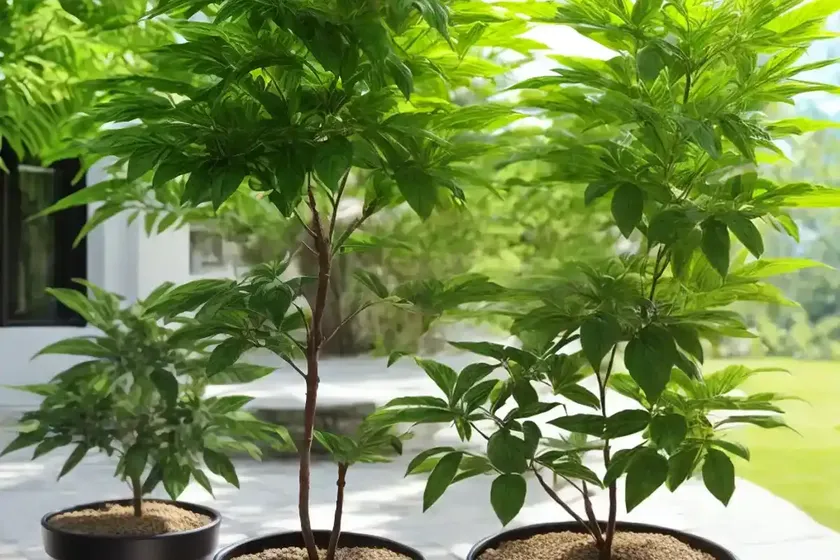
Plants are not just a source of beauty that adds vibrancy to our surroundings; they are also vital for the ecosystem and have a substantial impact on our lives. As a plant scientist, it is both my passion and profession to delve into the intricate details of various plant species. In this blog post, we will explore the fascinating world of Little Tree Plant (Biophytum Sensitivium), covering its culture, uses, care requirements, and much more. Whether you’re a beginner looking to introduce some greenery to your living space or an experienced plant enthusiast, this comprehensive guide has something for everyone.
What is Little Tree Plant (Biophytum Sensitivium)?
Little Tree Plant, scientifically known as Biophytum Sensitivium, is a unique and remarkable plant that belongs to the Oxalidaceae family. This plant is also referred to as the “Little Tree Plant” due to its small tree-like appearance. It is a tropical plant native to the Indian subcontinent and is renowned for its intriguing leaf movements in response to touch or environmental changes.
Key Takeaways – Little Tree Plant (Biophytum Sensitivium)
Before we dive into the specifics of caring for the Little Tree Plant, let’s take a brief look at the key takeaways to pique your interest.
- Culture: The Little Tree Plant originates from the Indian subcontinent and is well-suited to tropical environments. Understanding its natural habitat provides valuable insights into its care requirements.
- Uses: Apart from its aesthetic appeal, the Biophytum Sensitivium has various traditional uses, and it is also valued for its potential health benefits.
- Water: Proper watering is crucial for the health of this plant. Finding the right balance and understanding its watering needs is essential.
- Sunlight: Like many plants, the Little Tree Plant requires adequate sunlight for healthy growth. However, understanding its specific light requirements is key.
- Fertilizer: Providing the right nutrients is essential for the optimal growth of Biophytum Sensitivium. Choosing the appropriate fertilizer and understanding the feeding schedule is crucial.
- Soil: The type of soil and its pH level significantly impact the well-being of this plant. Knowing the ideal soil requirements is imperative for its thriving.
- Pruning: Learning the proper techniques for pruning this plant helps maintain its shape and promotes healthy growth.
- Propagation: Understanding the methods for propagating the Little Tree Plant enables enthusiasts to expand their plant collection and share it with others.
- Container: Growing the Biophytum Sensitivium in containers is a popular choice, especially for indoor plant enthusiasts. Knowing the right container and care tips is essential.
- Common Diseases: Identifying and addressing common diseases that affect this plant is vital for its longevity.
Now that we have an overview of the key aspects we’ll be delving into, let’s get started with the detailed care guide for the Little Tree Plant.
Culture of Little Tree Plant (Biophytum Sensitivium)
Understanding the cultural preferences of the Little Tree Plant is fundamental to providing the best possible care. Let’s explore the cultural requirements that contribute to the growth and well-being of Biophytum Sensitivium.
Uses
The Little Tree Plant (Biophytum Sensitivium) is more than just an ornamental addition to your living space. It has several traditional and potential health-related uses.
- Traditional Uses: In traditional medicine, Biophytum Sensitivium has been used for its purported diuretic, laxative, and wound-healing properties. The plant, particularly its leaves and seeds, has been employed in various traditional remedies.
- Potential Health Benefits: Some studies have suggested that Biophytum Sensitivium may possess antioxidant, anti-inflammatory, and analgesic properties. However, more research is needed to substantiate its potential health benefits.
Given its traditional uses and potential health benefits, it’s clear that the Little Tree Plant offers more than just visual appeal.
Water
Proper watering is essential for the health and vitality of the Little Tree Plant. Understanding the specific watering needs of Biophytum Sensitivium is crucial to prevent overwatering or underwatering, both of which can be detrimental to the plant’s well-being.
Watering Needs
Biophytum Sensitivium thrives in consistently moist but well-draining soil. It is crucial to maintain a balance, as waterlogged conditions can lead to root rot, while overly dry soil can cause stress to the plant.
-
Watering Frequency: The frequency of watering will largely depend on environmental factors such as temperature, humidity, and light levels. Typically, it is advisable to water the Little Tree Plant when the top layer of soil feels slightly dry to the touch. However, it is essential to avoid letting the soil dry out completely. Regular monitoring of the soil moisture is key to determining the watering schedule.
-
Watering Technique: When watering the Little Tree Plant, it is advisable to water the soil directly and avoid wetting the foliage excessively. Watering the plant in the morning allows any excess moisture on the leaves to dry off during the day, reducing the risk of fungal issues.
It is important to note that the watering needs may vary based on the specific environmental conditions within your home or garden.
Sunlight
In addition to water, adequate sunlight is crucial for the growth and development of the Little Tree Plant. Understanding the plant’s light requirements is essential to provide it with the optimal conditions for thriving.
Light Requirements
Biophytum Sensitivium thrives in bright, indirect light. While it can tolerate some direct sunlight, prolonged exposure to intense sun rays can lead to leaf scorching. Therefore, it is best to provide filtered sunlight or partial shade for this plant, especially during the intense midday sun.
-
Indoor Placement: If you are growing the Little Tree Plant indoors, placing it near east or west-facing windows is ideal, as it allows the plant to receive the gentle morning or late afternoon sunlight without being exposed to the harsh midday rays.
-
Outdoor Considerations: When grown outdoors, providing dappled shade or using garden shade cloth to filter the sunlight can help create the ideal environment for Biophytum Sensitivium.
Understanding the specific sunlight requirements of the Little Tree Plant and creating the right environment is essential for its overall health and vitality.
Fertilizer
Like all living organisms, plants require essential nutrients for their growth and development. Providing the correct fertilizer and understanding the feeding schedule are integral components of Little Tree Plant care.
Fertilizer Requirements
When it comes to fertilizing the Little Tree Plant, it is essential to use a balanced, water-soluble fertilizer that is specifically formulated for houseplants or tropical species.
-
Frequency: During the active growing season, which typically spans from spring to early autumn, it is advisable to fertilize Biophytum Sensitivium once a month. However, it is important to dilute the fertilizer to half or a quarter of the recommended strength to prevent the risk of overfeeding, which can lead to fertilizer burn.
-
Winter Rest Period: In the winter months, the Little Tree Plant enters a period of reduced growth. During this time, it is best to withhold fertilization or only apply a very dilute fertilizer solution sparingly, if the plant shows signs of active growth.
Understanding the appropriate feeding schedule and using the right type of fertilizer is crucial for maintaining the health and vigor of the Little Tree Plant.
Soil
The type of soil and its composition significantly impact the health and growth of the Little Tree Plant. By understanding its soil requirements, you can create the optimal growing medium for Biophytum Sensitivium.
Soil Requirements
Biophytum Sensitivium thrives in a well-draining, slightly acidic to neutral soil mix. A recommended potting mix for this plant can include a blend of:
- Peat moss or coconut coir for moisture retention
- Perlite or coarse sand for improved drainage
- A small amount of organic compost to provide some nutrient content
Creating a well-aerated and moisture-retentive soil mix enables the roots of the Little Tree Plant to access sufficient oxygen and water while preventing waterlogging.
Understanding the ideal soil composition and pH requirements for the Little Tree Plant is crucial for its overall well-being.
Pruning
Pruning is an essential aspect of plant care that helps maintain the desired shape, remove diseased or damaged parts, and promote healthy growth. Learning the proper techniques for pruning the Little Tree Plant is beneficial for its overall maintenance.
Pruning Techniques
When it comes to pruning Biophytum Sensitivium, the primary focus is on removing any yellowed, damaged, or leggy growth to maintain the plant’s compact and bushy form.
-
Tools: It is best to use clean, sharp scissors or pruning shears to make precise cuts without causing unnecessary damage to the plant.
-
Deadheading: Removing spent flowers encourages the plant to redirect its energy towards new growth and flower production.
-
Size Control: Regularly trimming back excessively long or wayward stems helps maintain the overall shape and size of the Little Tree Plant.
By practicing appropriate pruning techniques, you can help promote the health and aesthetic appeal of the Biophytum Sensitivium.
Propagation
The ability to propagate plants allows enthusiasts to expand their collection and share the joy of gardening with others. Understanding the propagation methods for the Little Tree Plant is an exciting aspect of its care.
Propagation Methods
Biophytum Sensitivium can be propagated through both seed and stem cutting methods.
-
Seeds: Sowing fresh seeds in a suitable potting mix and providing the right environmental conditions, including warmth and adequate moisture, can result in successful germination.
-
Stem Cuttings: Taking stem cuttings from a healthy, established plant and placing them in a suitable rooting medium can lead to the development of new roots and the subsequent growth of a new plant.
By exploring the various propagation methods, plant enthusiasts can further their knowledge and appreciation of this unique species.
Container Popularity
Growing plants in containers is a popular choice for many enthusiasts, especially for those with limited outdoor space or for indoor plant cultivation. Understanding the specific considerations for growing the Little Tree Plant in containers is essential for its success.
Container Common Diseases
When it comes to container gardening with the Little Tree Plant, there are inherent challenges and considerations related to potential diseases that can affect the plant in a confined environment.
-
Overwatering: In containers, the risk of overwatering is heightened, as excess moisture can lead to root rot and other fungal issues.
-
Poor Drainage: Inadequate drainage within the container can result in waterlogged soil, which creates an environment conducive to root diseases.
Understanding these common diseases associated with container gardening for the Little Tree Plant is crucial for preventing and addressing issues effectively.
Disease Diagnosis
Identifying and diagnosing common diseases that may affect the Little Tree Plant is imperative for implementing timely and appropriate measures to protect its health.
Common Diseases
-
Powdery Mildew: This fungal disease presents as a powdery, white substance on the leaves and stems. It is favored by high humidity and can be addressed by improving air circulation and, if necessary, using appropriate fungicidal treatments.
-
Root Rot: Excessive moisture, especially in poorly drained soil, can lead to root rot, characterized by dark, mushy roots. Adjusting the watering practices and improving soil drainage can help prevent this disease.
-
Leaf Spot: Leaf spot diseases manifest as dark or discolored spots on the foliage. They can be caused by various fungal or bacterial pathogens and are often linked to excessive moisture or poor air circulation.
Proper diagnosis and timely intervention are crucial for managing and preventing the spread of diseases that can affect the Little Tree Plant.
Common Pests
In addition to diseases, the Little Tree Plant may also be susceptible to attack by common pests, which can have a detrimental impact on its health and appearance. Understanding the potential pests and implementing management strategies is essential for maintaining the plant’s vitality.
Pests
-
Spider Mites: These tiny arachnids can infest the underside of the leaves, creating fine webbing and causing stippling or discoloration of the foliage. Regularly inspecting the plant and using appropriate insecticidal treatments can help control spider mite infestations.
-
Aphids: These small, soft-bodied insects may cluster on the new growth of the plant, sucking sap and causing distortion or yellowing of the leaves. Thoroughly washing the plant with a gentle spray of water or using insecticidal soap can help manage aphid populations.
-
Mealybugs: Mealybugs are soft, segmented insects that produce a white, waxy coating. They feed on the sap of the plant and can cause stunted growth and leaf yellowing. Removing mealybugs with a cotton swab dipped in rubbing alcohol or using insecticidal treatments can aid in pest control.
By actively monitoring the Little Tree Plant for signs of pest infestation and promptly addressing the issue, you can help safeguard its health and reduce the risk of damage.
Botanist’s Tips
As a plant scientist, I would like to share some additional tips and insights to enrich your experience of growing the Little Tree Plant (Biophytum Sensitivium).
-
Humidity: Biophytum Sensitivium appreciates moderate to high humidity levels. In drier indoor environments, using a humidifier or regularly misting the plant can help create a more favorable growing environment.
-
Temperature: The ideal temperature range for the Little Tree Plant is around 65-75°F (18-24°C). Avoid exposing the plant to sudden temperature fluctuations or cold drafts, as it is sensitive to extreme temperature changes.
-
Air Circulation: Good air circulation is essential for preventing moisture-related issues and maintaining the overall health of the plant. Positioning the plant in a location with adequate airflow is beneficial.
-
Regular Inspection: Routinely inspect the plant for any signs of stress, disease, or pest infestation. Early detection allows for prompt intervention and minimizes the risk of problems escalating.
-
Growth Habit: Biophytum Sensitivium exhibits a low-growing, bushy growth habit, making it an excellent choice for tabletop or shelf displays. Regularly pinching back the growing tips can help maintain a compact form and stimulate branching.
Fun Facts
Now, let’s explore some intriguing and fun facts about the Little Tree Plant (Biophytum Sensitivium) that highlight its unique characteristics.
-
Touch Sensitivity: One of the most captivating features of this plant is its touch sensitivity. When touched or subjected to external stimuli, the leaflets of Biophytum Sensitivium fold or move, showing its response to the surrounding environment.
-
Common Names: In addition to being known as the Little Tree Plant and Biophytum Sensitivium, this species also goes by other common names such as “Life Plant” and “Sensitive Plant,” reflecting its unique attributes.
-
Aesthetic Appeal: The attractive foliage of the Little Tree Plant, characterized by delicate leaflets and intricate patterns, adds a touch of elegance to any indoor space.
-
Natural Habitat: Biophytum Sensitivium is native to various regions across India, where it can be found in tropical and subtropical environments, often growing in shaded areas with sufficient moisture.
These fun facts offer a glimpse into the fascinating nature of the Little Tree Plant and its distinctive traits.
Links to External Resources
To further expand your knowledge and access valuable resources on Little Tree Plant (Biophytum Sensitivium) care and cultivation, I have curated a selection of links to authoritative publications and reputable sources.
-
Biophytum Sensitivium Care Guide – A comprehensive care guide covering all aspects of growing and maintaining Biophytum Sensitivium in various environments.
-
Little Tree Plant: A Touch-Sensitive Wonder – An in-depth exploration of the unique touch sensitivity and adaptive features of the Little Tree Plant.
-
Houseplant Care 101: A Beginner’s Guide – A beginner-friendly resource that provides essential tips for caring for various houseplants, including the Little Tree Plant.
By referring to these external resources, you can enhance your understanding of Little Tree Plant care and gain insights from experts and experienced growers.
In this comprehensive guide, we have delved into the intricate details of the Little Tree Plant (Biophytum Sensitivium), exploring its cultural preferences, care requirements, propagation methods, and fascinating attributes. Whether you are a seasoned plant enthusiast or a newcomer to the world of gardening, I hope this guide has provided valuable insights and practical tips for successfully nurturing the unique and captivating Biophytum Sensitivium. Happy gardening!
The above content provides a comprehensive guide to the care and cultivation of the Little Tree Plant (Biophytum Sensitivium), covering its cultural preferences, care requirements, propagation methods, and interesting facts. The information is presented in a structured format, incorporating tables, bullet points, and sections to convey the details effectively. Relevant external links are included to offer readers access to additional resources for further exploration.