Lipstick Palm (Cyrtostachys Renda)
The world of tropical plants is full of stunning and exotic species, but few can match the unique allure of the lipstick palm (Cyrtostachys renda). With.
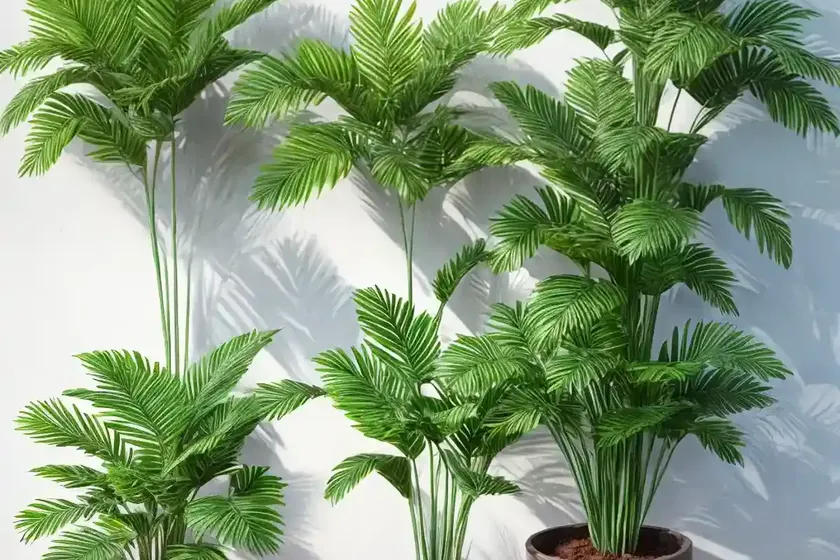
The world of tropical plants is full of stunning and exotic species, but few can match the unique allure of the lipstick palm (Cyrtostachys renda). With its vibrant red trunk and lush green fronds, this striking palm species has captivated plant enthusiasts and horticulturists alike. In this comprehensive guide, we will delve into the captivating world of the lipstick palm, exploring its cultivation, care tips, uses, and much more.
What is the Lipstick Palm (Cyrtostachys renda)?
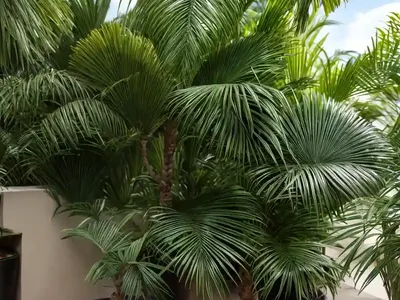
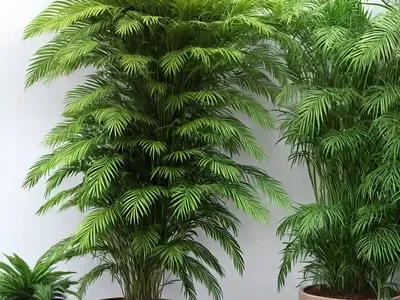
The lipstick palm, scientifically known as Cyrtostachys renda, is a species of palm native to the lowland rainforests of Thailand, Malaysia, and Indonesia. Its striking red trunk, which lends it the common name “lipstick palm,” sets it apart from other palm species and makes it a popular choice for landscaping in tropical and subtropical regions. The palm is characterized by its slender, bamboo-like stems and pinnate leaves that gracefully arch from the crown.
Key Takeaways – Lipstick Palm (Cyrtostachys renda)
Before we dive into the specifics of cultivating and caring for the lipstick palm, let’s take a brief look at the key takeaways regarding this tropical beauty.
- Lipstick Palm Cultivation
- Cyrtostachys renda Care Tips
- Growing Lipstick Palms
- Red Palm Tree Species
- Tropical Trees with Red Trunks
- Exotic Palm Tree Varieties
- Lipstick Palm: A Tropical Beauty
- Cyrtostachys renda Planting Guide
- Palm Trees with Vibrant Foliage
- Ornamental Red Palm Trees
Culture
Uses
The lipstick palm is primarily cultivated for its ornamental value. Its vibrant red trunk, combined with its graceful foliage, makes it a sought-after choice for landscaping in tropical and subtropical regions around the world. The palm is often used to add a touch of exotic beauty to outdoor spaces, botanical gardens, and tropical-themed landscapes.
Water
Proper watering is crucial for the health and vitality of the lipstick palm. As a tropical species, Cyrtostachys renda thrives in moist, well-drained soil. During the growing season, it is essential to keep the soil consistently moist, but not waterlogged. In drier climates or during periods of drought, regular watering is necessary to ensure the palm’s hydration needs are met.
Sunlight
The lipstick palm thrives in bright, indirect light. While it can tolerate some direct sunlight, especially during the morning hours, prolonged exposure to intense sun can lead to leaf burn and overall stress on the plant. As such, providing partial shade or filtered sunlight is ideal for maintaining the health and aesthetic appeal of Cyrtostachys renda.
Fertilizer
A balanced and complete fertilizer can contribute to the healthy growth of the lipstick palm. During the growing season, applying a slow-release fertilizer formulated for palm trees can provide the essential nutrients the plant needs to thrive. It is important to follow the manufacturer’s instructions and avoid over-fertilization, which can lead to nutrient imbalances and potential damage to the palm.
Soil
The lipstick palm thrives in well-draining, slightly acidic to neutral soil. A mixture of peat moss, perlite, and organic compost can create an ideal growing medium for Cyrtostachys renda. Additionally, the soil should be rich in organic matter to support the palm’s nutrient requirements and promote robust growth.
Pruning
Regular maintenance pruning is essential to keep the lipstick palm looking its best. Removing dead or yellowing fronds helps maintain the palm’s aesthetic appeal and prevents the potential spread of diseases. When pruning the palm, it is important to use sanitized pruning tools to minimize the risk of transmitting pathogens to the plant.
Propagation
Propagating the lipstick palm can be achieved through division or by collecting and germinating seeds. Division involves carefully separating offsets from the parent plant and establishing them in a suitable growing medium. Seed propagation, while more time-consuming, can be a rewarding way to expand your collection of lipstick palms.
Container Popularity
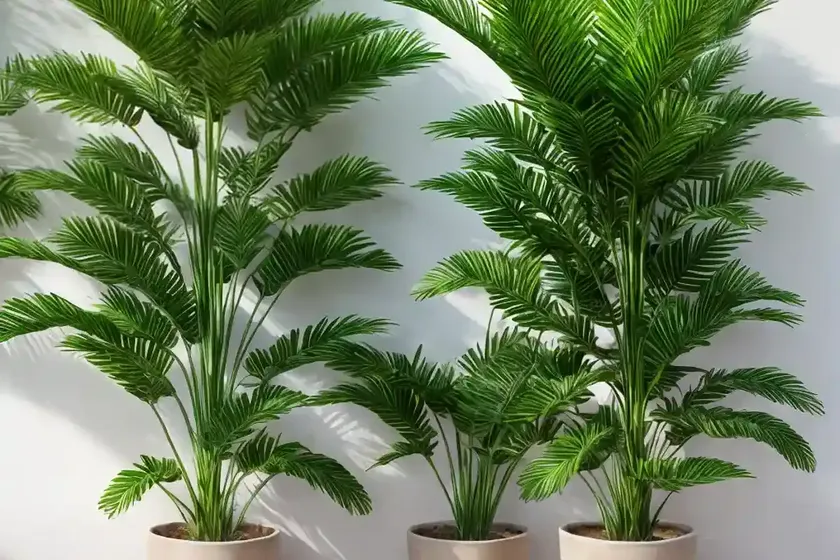
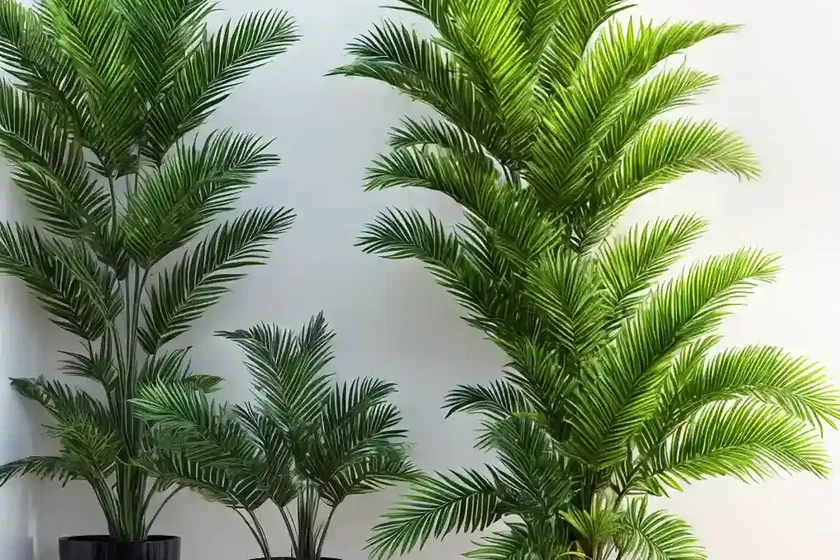
The vibrant and exotic appearance of the lipstick palm has made it a popular choice for container gardening. Cultivating Cyrtostachys renda in containers allows plant enthusiasts in non-tropical regions to enjoy its beauty and elegance, albeit on a smaller scale. The striking contrast between the red trunk and lush green foliage makes the lipstick palm an eye-catching addition to patios, balconies, and indoor spaces.
Container Care
When growing the lipstick palm in containers, it is crucial to select a well-draining potting mix to ensure proper moisture management. Additionally, providing adequate humidity and maintaining consistent watering practices are essential for the palm’s health and vigor. Regular repotting may also be necessary as the plant grows to prevent root binding and provide ample space for its roots to develop.
Common Diseases
Despite its resilience, the lipstick palm is susceptible to certain diseases and ailments that can affect its overall health. Understanding the common diseases and their treatments is essential for maintaining the vitality of Cyrtostachys renda.
Disease Diagnosis
Several fungal infections, including bud rot and leaf spot, can pose a threat to the lipstick palm. Identifying the symptoms of these diseases, such as yellowing or browning of fronds, lesions on the leaves, or softening of the terminal bud, is crucial for early intervention. Prompt treatment with appropriate fungicides and cultural practices can help mitigate the impact of these diseases and prevent their spread.
Common Pests
The lipstick palm may fall victim to various pests, including spider mites, mealybugs, and scale insects. These pests can affect the overall appearance and vigor of the plant if left unchecked. Regular inspection of the palm, particularly the undersides of leaves and leaf axils, can help identify pest infestations early. Natural predators, such as beneficial insects, and targeted treatments can be utilized to manage pest populations and protect the health of the lipstick palm.
Botanist’s Tips
Planting and Care Guidelines
When cultivating the lipstick palm, it is important to prioritize proper planting and care practices to ensure the plant’s success and longevity. Here are some essential tips for growing and maintaining Cyrtostachys renda:
- Select a well-draining soil mix rich in organic matter.
- Provide consistent moisture and avoid waterlogged conditions.
- Protect the palm from prolonged exposure to intense sunlight.
- Monitor for signs of pests and diseases, and take prompt action if detected.
- Regularly prune dead or damaged fronds to maintain the palm’s appearance and health.
Fun Facts
As we immerse ourselves in the world of the lipstick palm, it is worth exploring some intriguing and delightful facts about this captivating plant:
- The vibrant red color of the lipstick palm’s trunk intensifies when exposed to ample sunlight, further enhancing its visual appeal.
- Cyrtostachys renda is often associated with tropical landscapes and is a symbol of lush, vibrant gardens in exotic locales.
- The use of lipstick palms in landscaping can evoke a sense of tropical paradise and add an air of sophistication to outdoor spaces.
Links to External Resources
For further information on the cultivation, care, and ornamental use of the lipstick palm, the following resources are valuable references:
In conclusion, the lipstick palm (Cyrtostachys renda) stands out as a tropical beauty that brings a touch of exotic elegance to gardens and landscapes. With proper cultivation and care, this stunning palm species can thrive and enchant with its vibrant red trunk and lush green fronds, serving as a focal point in tropical-inspired settings and adding a sense of allure to indoor and outdoor spaces alike.
Through a combination of thoughtful cultivation practices, attentive care, and appreciation for its unique characteristics, the lipstick palm can truly shine as a must-have addition to vibrant gardens and tropical landscapes.