Linum Lewisii (Prairie Flax)
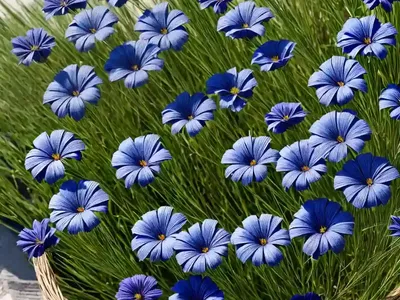
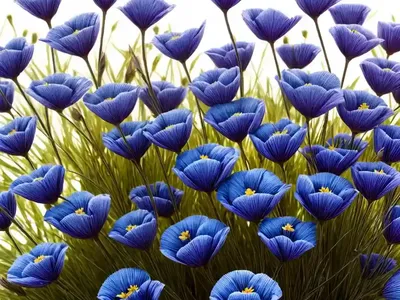
Linum lewisii, commonly known as Prairie Flax, is an enchanting, native North American plant that belongs to the Linaceae family. Its delicate, sky-blue.
Introduction to Linum lewisii (Prairie Flax)
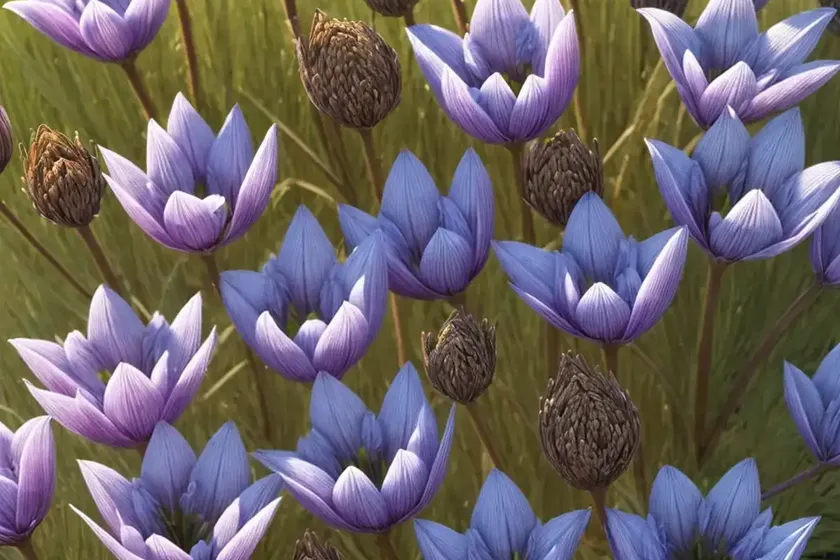
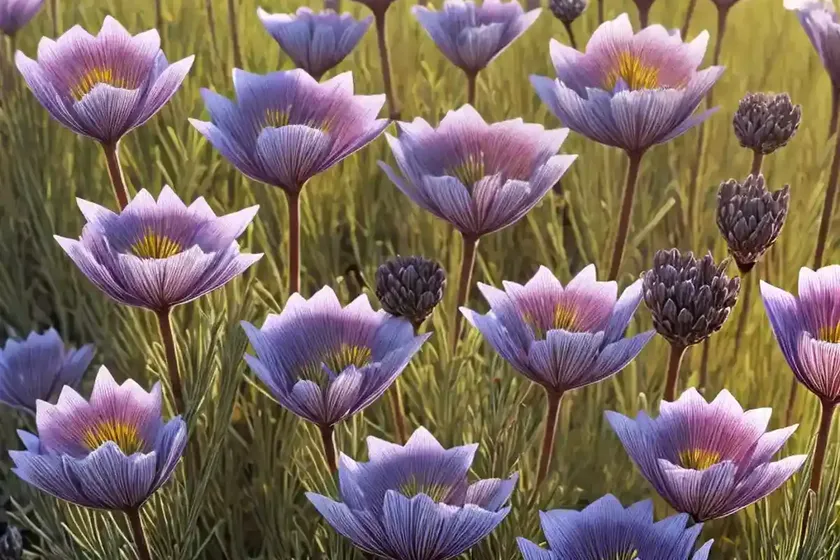
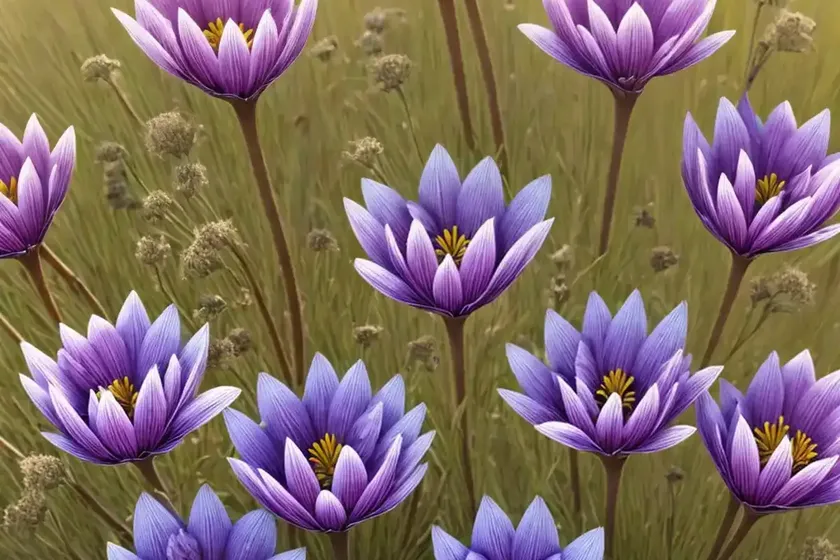
Linum lewisii, commonly known as Prairie Flax, is an enchanting, native North American plant that belongs to the Linaceae family. Its delicate, sky-blue flowers and slender, graceful stature make it a captivating addition to natural landscapes and gardens. This plant holds immense significance not only in ornamental horticulture but also in terms of its historical uses, ecological role, and conservation value.
Image source: Lady Bird Johnson Wildflower Center
Linum lewisii is a versatile plant with multiple cultural, ecological, and horticultural uses. Throughout this comprehensive guide, we will dive deep into the characteristics, cultivation, propagation, and various other aspects of Linum lewisii, presenting an all-encompassing resource for plant enthusiasts and horticulturists alike.
Key Takeaways – Linum lewisii (Prairie Flax)
Before delving into the detailed aspects of the Prairie Flax plant, let’s explore some key takeaways about Linum lewisii to provide a broad understanding of its nature and uses.
Linum lewisii Characteristics
- Native to North America
- Sky-blue flowers with yellow centers
- Herbaceous perennial
- Slim, erect stems with linear leaves
- Drought-tolerant
- Attracts pollinators and beneficial insects
Prairie Flax Plant
- Botanical Name: Linum lewisii
- Common Name: Prairie Flax
- Family: Linaceae
- Genus: Linum
- Species: Lewisii
Linum lewisii Taxonomy
- Kingdom: Plantae
- Order: Malpighiales
- Subfamily: Linoideae
- Tribe: Linaeae
Prairie Flax Flowers
- Sky-blue in color
- Yellow center
- Five-petaled
- Blossoms from spring to early summer
Linum lewisii Growth Habits
- Up to 1-2 feet in height
- Slim, erect stems
- Linear leaves
Prairie Flax Medicinal Uses
- Traditional medicinal plant
- Known for its soothing properties
- Utilized in herbal remedies for various ailments
These broad takeaways provide an overview of the Prairie Flax plant, giving insight into its characteristics, taxonomy, growth habits, and even its medicinal applications. Throughout the subsequent sections, we will delve deeper into each of these aspects, providing a comprehensive understanding of Linum lewisii.
Culture
Uses
The uses of Linum lewisii are diverse, spanning from ecological roles to horticultural and historical significance.
-
Ecological Role: In its native habitat, Prairie Flax plays a crucial role in supporting diverse pollinators and beneficial insects. Its nectar-rich flowers attract bees, butterflies, and other pollinators, contributing to the ecosystem’s biodiversity and health.
-
Horticultural Significance: In horticulture, Linum lewisii is prized for its ornamental value, particularly for its delicate, sky-blue flowers. It is commonly cultivated as a garden plant, adding charm to naturalistic landscapes and wildflower gardens.
-
Historical Uses: Traditionally, Indigenous communities in North America utilized Prairie Flax for various purposes, including medicinal applications, crafting materials, and symbolic rituals.
Water
Prairie Flax is renowned for its drought tolerance, thriving in dry, arid conditions. However, during its initial establishment, it benefits from consistent watering to aid root development. Once established, it requires minimal supplemental watering, making it an excellent choice for xeriscapes and water-efficient landscapes.
Sunlight
Linum lewisii thrives in full sun, requiring at least 6-8 hours of direct sunlight daily. It is well-suited for open, sunny landscapes and is often found in prairies, meadows, and open woodlands.
Fertilizer
Prairie Flax has modest fertilizer needs and thrives in nutrient-poor soils. Excessive fertilization can lead to lush foliage at the expense of flower production. If necessary, a light application of a balanced, low-nitrogen fertilizer in early spring can support healthy growth and flowering.
Soil
The Prairie Flax plant prefers well-drained, sandy or gravelly soils. It thrives in lean, slightly alkaline soils but can adapt to various soil types, including loam and clay. Good drainage is essential to prevent waterlogged conditions, which can be detrimental to its growth.
Pruning
Minimal pruning is required for Linum lewisii. Removal of spent flowers can encourage prolonged blooming, but overall, it requires little maintenance in terms of pruning.
Propagation
The propagation of Linum lewisii can be achieved through several methods, including seed sowing and division.
-
Seed Sowing: Prairie Flax readily reproduces from seeds. Direct sowing in the fall or early spring, or starting seeds indoors for later transplanting, are viable propagation methods.
-
Division: Established plants can be divided in early spring to create new individuals. This method is particularly useful for rejuvenating overgrown clumps and expanding plantings.
Container Popularity
While Prairie Flax is commonly grown in naturalistic landscapes, it can also thrive in containers, particularly for gardeners with limited space or those seeking to introduce native plants to their patio or balcony gardens. Its drought tolerance and ornamental appeal make it a suitable choice for container gardening.
Common Diseases and Pest Management
Common Diseases
While Linum lewisii is generally resistant to most diseases, it can be susceptible to root rot if grown in waterlogged soils. Additionally, foliar diseases, such as powdery mildew, may occur in prolonged periods of high humidity or if plants are overcrowded, reducing air circulation.
Disease Diagnosis
Diagnosing diseases in Prairie Flax involves careful observation of symptoms such as wilting, yellowing foliage, or the presence of fungal growth on leaves. Proper cultural practices, including planting in well-drained soil and providing adequate spacing between plants, can prevent most disease issues.
Common Pests
Prairie Flax is relatively resistant to pest infestations. However, it may occasionally encounter pests such as aphids, which can be managed through manual removal, insecticidal soaps, or the presence of natural predators. Vigilant monitoring can help prevent pest populations from becoming problematic.
Botanist’s Tips
From a botanist’s perspective, Linum lewisii presents several notable characteristics and considerations, including its ecological importance, cultural significance, and conservation value.
-
Ecological Importance: Prairie Flax plays a valuable role in supporting pollinators and beneficial insects, contributing to the overall biodiversity and health of natural ecosystems.
-
Cultural Significance: Its historical uses and ornamental value make it an intriguing subject for cultural and historical studies, shedding light on its diverse importance to human societies throughout history.
-
Conservation Value: As a native North American plant, Prairie Flax holds significance in terms of conservation efforts aimed at preserving and restoring native plant communities. Its inclusion in restoration projects and native plant gardens is essential for securing its conservation.
Fun Facts
Discover some intriguing and delightful facts about Linum lewisii that showcase its unique attributes and historical significance.
-
Symbolic Significance: In Indigenous cultures, Prairie Flax holds symbolic value, representing resilience, adaptability, and the interconnectedness of nature and humanity.
-
Herbal Remedies: The soothing properties of Prairie Flax have been utilized in traditional herbal remedies for soothing skin irritations and treating minor ailments.
-
Textile Use: Historically, the fibers derived from the stems of Linum lewisii were utilized for crafting textiles and cordage by Indigenous communities, showcasing its versatility beyond its ornamental beauty.
-
Pollinator Magnet: Prairie Flax’s nectar-rich flowers attract a diverse array of pollinators, contributing to the overall health of ecosystems and natural landscapes.
-
Conservation Focus: Efforts to conserve and restore native habitats often include the cultivation of Prairie Flax, highlighting its ecological importance and conservation value.
Links to External Resources
To further expand your knowledge and appreciation for Linum lewisii, here are some valuable external resources and references:
These resources offer a wealth of information, including detailed plant profiles, cultivation guidance, and ecological significance, enriching your understanding of Linum lewisii and its multifaceted nature.
Through this comprehensive guide, we have explored the enchanting world of Linum lewisii (Prairie Flax), delving into its cultural, ecological, and horticultural aspects. From its historical uses to its cultivation tips and conservation value, Prairie Flax stands as a testament to the diverse and profound connections between plants and humanity. Whether adorning native landscapes or gracing garden borders, the delicate beauty and ecological importance of Linum lewisii continue to inspire and captivate plant enthusiasts and conservationists alike.