Lilium ‘Tiny Todd’ (Asiatic Lily): Your Complete Guide
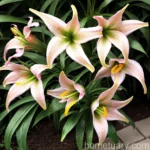
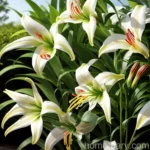
Lilium ‘Tiny Todd’ is a stunning hybrid Asiatic Lily that has gained popularity among gardeners for its vibrant colors, compact size, and ease of care. In this comprehensive guide, we’ll dive deep into the characteristics, cultivation, uses, and maintenance of this beautiful plant. Whether you’re a seasoned gardener or a beginner looking to add a pop of color to your outdoor space, this guide will equip you with all the essential knowledge to successfully grow and enjoy the Tiny Todd Lily.
What is Lilium ‘Tiny Todd’ (Asiatic Lily)?
Lilium ‘Tiny Todd’ is a member of the Lilium genus, which encompasses over 100 species of flowering plants, commonly known as lilies. These perennial bulbous plants are known for their striking and often fragrant flowers, making them a popular choice for ornamental gardens. The ‘Tiny Todd’ variety specifically is beloved for its petite size, making it an excellent choice for smaller gardens, containers, or even as a border plant in larger landscapes.
Key Takeaways – Lilium ‘Tiny Todd’ (Asiatic Lily)
Before delving into the specifics of growing and caring for the Tiny Todd Lily, let’s highlight some key takeaways that we will thoroughly explore in this guide:
- Characteristics:
- Compact size
- Vibrant flower colors
- Early blooming season
-
Low maintenance
-
Culture:
- Uses
- Water requirements
- Sunlight preferences
- Fertilization needs
-
Soil requirements
-
Maintenance:
- Pruning tips
- Propagation methods
-
Common diseases and pests
-
Popularity:
- Container gardening
- Landscape uses
- Companion plants
Now, let’s take a deep dive into each of these aspects to understand how to cultivate and care for Lilium ‘Tiny Todd’ to ensure its optimal growth and blooming.
Culture
Uses
The Asiatic Lily ‘Tiny Todd’ serves several purposes in the garden and beyond. Its vibrant flowers and compact size make it a versatile plant with the following uses:
- Ornamental Garden: The stunning blooms of the Tiny Todd Lily are ideal for adding color and visual interest to flower beds, borders, or mixed perennial gardens.
- Container Plant: Its small stature makes it an excellent choice for container gardening, allowing individuals with limited outdoor space to enjoy its beauty on patios, balconies, and even windowsills.
- Cut Flowers: The long-lasting blooms of the Tiny Todd Lily make it a popular choice for cut flower arrangements, bringing its beauty indoors for floral displays.
Water
Sufficient water is crucial for the healthy growth and blooming of Lilium ‘Tiny Todd’. Here are some essential considerations:
- Watering Needs: The Tiny Todd Lily prefers consistently moist, well-draining soil. During the active growing season, it’s important to ensure that the plant receives an inch of water per week, either through rainfall or supplemental watering.
- Avoiding Waterlogged Soil: While adequate moisture is essential, it’s equally important to prevent waterlogging, as overly wet soil can lead to root rot and other issues. Mulching the soil surface can help retain moisture while preventing excessive wetness.
Sunlight
Proper sunlight exposure is a key factor for the healthy growth and abundant flowering of the Asiatic Lily ‘Tiny Todd’. Consider the following:
- Sunlight Preferences: Lilium ‘Tiny Todd’ thrives in full sun to partial shade. A minimum of six hours of direct sunlight per day is recommended for optimal blooming. In hotter climates, providing some afternoon shade can be beneficial to prevent the flowers and foliage from becoming stressed.
Fertilizer
To support the vigorous growth and prolific blooming of Lilium ‘Tiny Todd’, it’s essential to provide appropriate nutrition through fertilization:
- Fertilization Schedule: Begin fertilizing in early spring as new growth emerges, using a balanced, slow-release fertilizer specifically formulated for flowering bulbs. Repeat the application according to the fertilizer manufacturer’s recommendations throughout the growing season to sustain the plant’s nutritional needs.
- Avoid Over-fertilization: While fertilization is important, it’s crucial to follow the recommended dosage to avoid over-fertilizing, which can lead to excessive foliage growth at the expense of flowers and may cause damage to the plant.
Soil
Optimal soil conditions are vital for the health and vigor of Lilium ‘Tiny Todd’. Consider the following soil requirements:
- Well-Draining Soil: The Tiny Todd Lily thrives in well-draining, humus-rich soil. Amending heavy clay soils with organic matter such as compost can improve drainage and create a more suitable growing environment.
- Soil pH: Aim for a slightly acidic to neutral soil pH level, ideally ranging between 6.0 to 7.0, to ensure proper nutrient uptake by the plant’s roots.
Maintenance
Pruning
Pruning plays a critical role in maintaining the health and appearance of Lilium ‘Tiny Todd’. Here are some essential tips for pruning:
- Faded Blooms: Deadhead spent flowers promptly to encourage continuous blooming and prevent the plant from expending energy on seed production.
- Pruning After Blooming: After the blooming period concludes, prune the stems back to the base, allowing the foliage to continue gathering energy for the next growing season.
Propagation
Propagating Lilium ‘Tiny Todd’ allows for the expansion of your lily collection or sharing the beauty of this plant with fellow gardening enthusiasts. Consider the following propagation methods:
- Division: In early spring or late fall, when the plant is dormant, carefully lift the bulbs and gently separate the offsets, ensuring that each division has viable roots and shoots. Replant the divisions at the appropriate depth and spacing to establish new plants.
Container Popularity
The compact size and striking blooms of Lilium ‘Tiny Todd’ make it a popular choice for container gardening. Here are some key considerations for growing this lily in containers:
- Container Selection: Choose a spacious container with adequate drainage holes to accommodate the plant’s roots and promote good drainage.
- Potting Mix: Use a well-draining potting mix formulated for flowering bulbs to provide the necessary support and nutrition for the Tiny Todd Lily.
- Watering and Maintenance: Containers may require more frequent watering, especially during hot weather. Monitor the soil moisture regularly and adjust the watering frequency accordingly to keep the plant healthy.
Common Diseases
Like any plant, Lilium ‘Tiny Todd’ is susceptible to certain diseases that can affect its growth and overall health. Common diseases to watch for include:
- Botrytis Blight: This fungal disease can lead to the development of gray mold on the plant’s foliage and flowers, particularly in humid conditions. Proper air circulation and avoiding overhead watering can help prevent this disease.
- Viral Infections: Viruses such as lily mosaic virus can cause mottling, streaking, or distortion of the foliage and flowers. Preventing the spread of viruses by controlling insect vectors and promptly removing and disposing of infected plant parts is crucial.
Disease Diagnosis
In the event of unusual symptoms or signs of disease on your Tiny Todd Lily, it’s important to accurately diagnose the issue to implement effective management strategies. Consider the following steps for disease diagnosis:
- Symptom Identification: Take note of any changes in the color, texture, or overall appearance of the plant’s foliage and flowers. Look for patterns of discoloration, spots, or lesions that could indicate a specific disease.
- Consultation: If you’re unable to identify the issue, seek advice from local horticulturists, extension services, or plant clinics that can help diagnose the problem and provide guidance on treatment options.
Common Pests
Several pests can pose a threat to the health and appearance of Lilium ‘Tiny Todd’. Vigilance and prompt action are essential in managing pest infestations. Common pests to watch for include:
- Aphids: These small, soft-bodied insects can cluster on the undersides of leaves and flower buds, sucking plant juices and potentially spreading viral diseases. Insecticidal soaps or horticultural oils can help control aphid populations.
- Lily Leaf Beetles: These bright red beetles and their larvae feed on lily foliage, causing extensive damage. Handpicking the beetles and applying insecticides labeled for beetle control can help manage infestations.
Botanist’s Tips
1. Soil Preparation:
- Prior to planting Lilium ‘Tiny Todd’, ensure the soil is well-prepared with ample organic matter to provide necessary nutrients and promote good drainage.
2. Mulching:
- Applying a layer of organic mulch around the plant can help retain moisture, regulate soil temperature, and suppress weed growth.
3. Support for Stems:
- For tall or multi-flowered stems, consider providing gentle support to prevent them from bending or breaking, particularly during heavy rains or winds.
4. Regular Monitoring:
- Regularly inspect the plant for signs of pests, diseases, or other stress factors, addressing any issues promptly to maintain the plant’s health and vigor.
Fun Facts
Lilium ‘Tiny Todd’ not only graces the garden with its enchanting blooms but also carries a fascinating history and cultural significance. Here are some fun facts about this captivating plant:
- Symbolism: Lilies, including ‘Tiny Todd’, have been associated with various symbolic meanings, often representing purity, renewal, and devotion in different cultures and traditions.
- Cultural Significance: Lilies have been revered in art, literature, and religious ceremonies across the world, playing integral roles in various cultural practices and rituals.
- Fragrance: While the ‘Tiny Todd’ variety is not heavily scented, some lily species and hybrids are renowned for their exquisite fragrances, adding an olfactory dimension to their allure.
Now that we’ve explored the key facets of Lilium ‘Tiny Todd’ cultivation and care, let’s proceed to gather some valuable insights from external resources for additional knowledge and inspiration.
Links to External Resources
To delve deeper into the world of Lilium ‘Tiny Todd’ and expand your understanding of lily cultivation, consider exploring the following external resources:
- Royal Horticultural Society – Growing Lilies
- University of Illinois Extension – Lily Diseases and Insect Pests
- North Carolina State University – Lily Propagation Techniques
- American Society for the Prevention of Cruelty to Animals – Toxic and Non-Toxic Plants: Lily
- The North American Lily Society
These resources offer a wealth of information on lily cultivation, including species-specific care guidelines, pest and disease management, propagation techniques, and more, allowing you to enhance your expertise and appreciation for the captivating world of lilies.
With its captivating blooms, ease of care, and versatile uses, Lilium ‘Tiny Todd’ stands as a delightful addition to any garden, bringing beauty, color, and a touch of elegance to outdoor spaces. Whether adorning a flower bed or brightening up a container, this charming Asiatic Lily is sure to captivate gardeners and admirers alike with its petite grace and vibrant hues. By following the comprehensive guidance provided in this complete guide, you’ll be well-equipped to nurture and cherish your very own ‘Tiny Todd’ Lily, reaping the joy of its enchanting presence season after season.
Note: The information provided in this guide is for educational purposes and is not intended as a substitute for professional plant care advice. Always consult with local horticultural experts and extension services for specific recommendations tailored to your growing conditions and gardening practices.