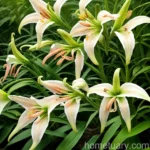
Lilium ‘Pollyanna’ (Asiatic Lily): A Complete Guide
Introduction
The Lilium ‘Pollyanna’ (Asiatic Lily) is a stunning flowering plant that graces gardens with its vibrant colors and delightful fragrance. This article aims to provide a comprehensive guide on the cultivation, care, and maintenance of this beautiful perennial flower. Whether you are a novice gardener or an experienced horticulturist, this guide will equip you with the knowledge and insight needed to cultivate and enjoy the Lilium ‘Pollyanna’ to its fullest potential.
What is Lilium ‘Pollyanna’ (Asiatic Lily)?
The Lilium ‘Pollyanna’ is a member of the genus Lilium, which encompasses over 100 species of true lilies. This particular cultivar is classified as an Asiatic Lily, known for its exquisite, upward-facing blooms and ease of cultivation. With its striking color variations and remarkable adaptability, the Lilium ‘Pollyanna’ has garnered popularity among gardeners and floral enthusiasts alike.
Key Takeaways – Lilium ‘Pollyanna’ (Asiatic Lily)
Before delving into the finer details of caring for the Lilium ‘Pollyanna’, let’s explore some key highlights that form the essence of this beautiful plant:
- Plant Type: Perennial Flower
- Common Name: Lilium ‘Pollyanna’, Asiatic Lily ‘Pollyanna’
- Bloom Time: Late spring to early summer
- Hardiness Zones: 4 – 9
- Water Needs: Moderate
- Sunlight Requirements: Full sun to partial shade
- Soil Preferences: Well-draining, fertile soil
- Growth Height: 2 – 4 feet
- Foliage Characteristics: Linear, lance-shaped leaves
- Fragrance: Unscented to mildly fragrant
- Landscape Uses: Borders, containers, mass plantings
- Common Pests: Aphids, red lily beetles
- Common Diseases: Botrytis, root rot
- Propagation: Bulb scales, seeds
Culture
Uses
The Lilium ‘Pollyanna’ is a versatile plant that finds numerous uses in gardens and landscapes. Whether utilized for its captivating blooms or to enhance the aesthetic appeal of outdoor spaces, this Asiatic Lily serves various purposes, including but not limited to:
- Ornamental: The vivid and diverse colors of the Lilium ‘Pollyanna’ make it an ideal choice for ornamental gardens and floral arrangements.
- Landscaping: Its tall, elegant stature and profusion of blooms make it a favored choice for border plantings and container gardening.
- Habitat Enhancement: The presence of Asiatic Lilies can attract pollinators such as bees and butterflies, thereby contributing to the biodiversity of the ecosystem.
Water
Proper watering is essential for the health and vitality of the Lilium ‘Pollyanna’. While it prefers moderately moist soil, it is crucial to prevent waterlogged conditions that can lead to root rot. As a general guideline:
- Watering Frequency: Provide regular, consistent moisture, especially during the growing season and flowering period. Adequate irrigation is essential for promoting robust growth and abundant blooms.
- Watering Technique: Water the soil directly at the base of the plant to avoid wetting the foliage, which can potentially lead to fungal diseases.
Sunlight
The sunlight requirements of the Lilium ‘Pollyanna’ play a pivotal role in its overall growth and flowering performance. Here’s what you need to know about its sunlight needs:
- Sun Exposure: Thrives in full sun to partial shade. While it appreciates ample sunlight, providing some afternoon shade can be beneficial in regions with intense heat.
- Light Intensity: Aim to provide at least 6 hours of direct sunlight daily for optimal growth and prolific flowering.
Fertilizer
The application of appropriate fertilizers can significantly enhance the vigor and bloom production of the Lilium ‘Pollyanna’. Implement the following fertilization practices for optimal results:
- Fertilizer Type: Utilize a balanced, slow-release fertilizer formulated for flowering plants. A formulation with a higher phosphorus content can promote prolific blooms.
- Application Timing: Apply fertilizer in early spring before the onset of active growth, and again after flowering to replenish nutrient reserves for the following season.
Soil
The Lilium ‘Pollyanna’ thrives in well-draining, fertile soil that provides ample nutrients and aeration for its root system. Consider the following soil preferences when cultivating this striking Asiatic Lily:
- Soil Type: Loamy, well-draining soil with a neutral to slightly acidic pH is ideal for the Lilium ‘Pollyanna’.
- Soil Amendment: Incorporate organic matter such as compost or well-rotted manure to improve soil fertility and structure.
Pruning
Pruning is an essential aspect of Lilium ‘Pollyanna’ maintenance, contributing to both aesthetic appeal and plant health. Follow these guidelines for effective pruning practices:
- Deadheading Blooms: Remove spent flowers promptly to redirect the plant’s energy towards new growth and flowering.
- Foliage Trimming: Trim off any yellowing or damaged foliage to maintain a tidy appearance and prevent potential disease spread.
Propagation
The propagation of the Lilium ‘Pollyanna’ can be achieved through various methods, offering gardeners the opportunity to expand their collection and share the beauty of this plant. Explore the following propagation techniques:
- Bulb Scaling: Divide mature bulbs into smaller scales and plant them in a separate location to establish new plants.
- Seeds: Gather mature seed pods and sow the seeds in well-prepared seed-starting mix for germination.
Container Popularity
The Lilium ‘Pollyanna’ is well-suited for container cultivation, presenting a charming addition to patios, balconies, and outdoor living spaces. Consider these factors when growing the Asiatic Lily in containers:
- Container Size: Select a spacious container that accommodates the plant’s root system and allows for adequate soil moisture retention.
- Drainage: Ensure that the container possesses drainage holes to prevent waterlogging and root suffocation.
- Soil Medium: Utilize a well-draining potting mix enriched with organic matter to support healthy growth and blooming.
Common Diseases
The health of the Lilium ‘Pollyanna’ can be compromised by various diseases, necessitating vigilance and proactive measures to mitigate their impact. Familiarize yourself with the following common diseases that may afflict this prized Asiatic Lily:
- Botrytis (Gray Mold): A fungal disease that thrives in damp conditions, leading to the development of gray mold on foliage and flowers. Implement cultural practices to promote air circulation and reduce moisture on the plant.
- Root Rot: Overly wet or poorly drained soil can result in root rot, causing the plant to exhibit wilting and decline. It is crucial to address watering practices and ensure proper soil drainage.
Disease Diagnosis
Timely diagnosis and intervention are critical for managing the health of the Lilium ‘Pollyanna’ and averting the spread of diseases. Keep an eye out for the following symptoms and signs of common Lily ailments:
- Foliage Discoloration: Yellowing, browning, or spotting on the leaves can indicate fungal diseases or nutrient deficiencies.
- Flower Abnormalities: Observe for signs of mold, rot, or stunted growth in the flower clusters, signaling potential disease presence.
- Root Examination: Check the roots for mushy, discolored areas, which may signify the onset of root rot.
Common Pests
Pests can pose a threat to the health and appearance of the Lilium ‘Pollyanna’, warranting prompt identification and control measures. Be vigilant against the following common pests that could target this Asiatic Lily:
- Aphids: These tiny, sap-sucking insects can infest the foliage and stems, leading to distorted growth and honeydew accumulation. Use insecticidal soap or neem oil for effective control.
- Red Lily Beetles: Recognized by their bright red coloration, these beetles feed on Lily foliage and can cause significant damage. Handpick the beetles and consider introducing natural predators such as ladybugs.
Botanist’s Tips
Unveil the insights and recommendations of botanists and horticultural experts to elevate your approach to growing and caring for the Lilium ‘Pollyanna’:
- Mulching: Apply a layer of organic mulch around the base of the plant to conserve soil moisture, suppress weed growth, and insulate the roots.
- Companion Planting: Pair the Lilium ‘Pollyanna’ with other sun-loving perennials such as coreopsis, salvia, and rudbeckia to create captivating floral displays and attract beneficial insects.
Fun Facts
While exploring the captivating realm of the Lilium ‘Pollyanna’, indulge in these intriguing and delightful fun facts about this beloved Asiatic Lily:
- Historical Significance: Lilies have been revered in various cultures and mythologies, symbolizing purity, renewal, and beauty across different traditions.
- Cultural Symbolism: The Lily holds symbolic significance in different contexts, often representing themes of love, purity, and remembrance.
Links to External Resources
Amplify your understanding of the Lilium ‘Pollyanna’ and gain access to valuable resources through the following external links:
- Royal Horticultural Society (RHS) – Growing Lilies
- University of Vermont Extension – Lily Leaf Beetle Management
- The American Lily Society
By nurturing a deeper comprehension of the Lilium ‘Pollyanna’ and adhering to best practices for its cultivation and care, you can partake in the splendor of its blooms and enrich your outdoor spaces with its radiant presence. Embrace the timeless allure of this Asiatic Lily and embark on a rewarding journey of horticultural splendor.