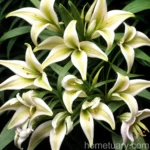
Lilium philadelphicum (Wood Lily): A Comprehensive Guide
Lilium philadelphicum, commonly known as Wood Lily, is a beautiful and delicate flowering plant that is native to North America. This perennial plant is cherished for its vibrant blooms and is a favorite among gardeners and plant enthusiasts. In this comprehensive guide, we will delve into the characteristics, care tips, habitat, uses, and much more about the stunning Lilium philadelphicum.
What is Lilium philadelphicum (Wood Lily)?
Lilium philadelphicum is a species of lily that belongs to the Liliaceae family. It is commonly found in the central and eastern regions of North America, particularly in meadows, prairies, and open woodlands. The plant is characterized by its erect stems, narrow leaves, and striking red-orange to pink flowers. These vibrant blooms make it a popular choice for ornamental gardening and landscaping.
Key Takeaways – Lilium philadelphicum (Wood Lily)
Before we delve into the detailed aspects of Lilium philadelphicum, let’s take a quick look at the key takeaways associated with this beautiful plant.
- Lilium philadelphicum Characteristics: Erect stems, narrow leaves, vibrant red-orange to pink flowers.
- Wood Lily Facts: Native to North America, particularly found in meadows, prairies, and open woodlands.
- Growing Wood Lilies: Requires well-drained soil, ample sunlight, and regular watering.
- Lilium philadelphicum Care Tips: Adequate sunlight, well-drained soil, and regular fertilization.
- Wood Lily Planting Guide: Best planted in the fall, around 6 inches deep in the soil.
- Lilium philadelphicum Habitat: Thrives in meadows, prairies, and open woodlands.
- Wood Lily Bloom Time: Typically blooms in mid to late summer.
- Lilium philadelphicum Native Range: Central and eastern regions of North America.
- Wood Lily Symbolism: Symbolizes pride, confidence, and prosperity.
- Lilium philadelphicum Medicinal Uses: Historically used for its medicinal properties.
- Wood Lily Conservation: Considered a species of concern in some areas.
- Lilium philadelphicum Species Information: Part of the Liliaceae family, genus Lilium.
- Wood Lily Garden Design: Adds a touch of elegance and color to garden landscapes.
- Lilium philadelphicum Varieties: Different varieties with varying flower colors and patterns.
- Wood Lily Wildlife Interactions: Attracts pollinators and adds biodiversity to ecosystems.
- Lilium philadelphicum Pollinators: Attracts bees, butterflies, and hummingbirds.
- Wood Lily Propagation Methods: Can be propagated from seeds or bulb division.
- Lilium philadelphicum Soil Requirements: Well-drained, slightly acidic soil is ideal.
- Wood Lily Companion Plants: Thrives alongside other native prairie species.
- Lilium philadelphicum Pest Control: Susceptible to aphids, mites, and fungal diseases.
- Wood Lily Unique Traits: Known for its elegant and vibrant blooms.
- Lilium philadelphicum Endangered Status: Considered endangered in some regions.
- Wood Lily Cultural Significance: Holds cultural and symbolic importance in some indigenous communities.
- Lilium philadelphicum Natural Range: Thrives in the natural habitats of meadows and prairies.
- Wood Lily Seasonal Care: Requires minimal care once established, especially during winter.
- Lilium philadelphicum Garden Uses: Frequently used in perennial borders and naturalized plantings.
- Wood Lily Gardening Tips: Regular watering and well-drained soil are essential for healthy growth.
- Lilium philadelphicum Habitat Restoration: Used in habitat restoration projects to enhance biodiversity.
- Wood Lily Photography Tips: Captures the essence of natural landscapes and native plantings.
- Lilium philadelphicum Plant Family: Belongs to the Liliaceae family, genus Lilium.
- Wood Lily Sun and Shade Requirements: Thrives in full sun to partial shade conditions.
- Lilium philadelphicum Water Needs: Requires moderate watering, especially during the growing season.
- Wood Lily Winter Care: Goes dormant in winter, requires minimal attention during this period.
- Lilium philadelphicum Leaf Structure: Narrow, lanceolate leaves arranged in whorls along the stem.
- Wood Lily Plant Identification: Easily identifiable by its vibrant red-orange to pink flowers.
- Lilium philadelphicum Species Conservation: Efforts underway to conserve and protect its natural habitats.
- Wood Lily Seed Collection: Can be propagated from seeds collected post-flowering.
- Lilium philadelphicum Pest and Disease Management: Regular monitoring and preventive measures against pests and diseases.
- Wood Lily Hybridization: Subject to hybridization for the development of ornamental varieties.
- Lilium philadelphicum Propagating from Bulbs: Can be easily propagated by dividing its bulbs.
- Wood Lily Ecological Importance: Contributes to the ecological balance and supports pollinators.
- Lilium philadelphicum Wildlife Garden Plant: Attracts wildlife and adds biodiversity to garden landscapes.
- Wood Lily Traditional Uses: Historically used for medicinal and cultural purposes.
- Lilium philadelphicum Ethnobotanical Significance: Holds cultural and traditional significance in some indigenous communities.
- Wood Lily Garden Maintenance: Requires minimal maintenance once established.
- Lilium philadelphicum Ornamental Value: Adds a touch of elegance and color to garden landscapes.
- Wood Lily Summer Blooming Plants: Typically blooms in mid to late summer, adding vibrant color to garden settings.
- Lilium philadelphicum Garden Design Ideas: Used in perennial borders, naturalized plantings, and prairie gardens.
- Wood Lily Recommended Growing Conditions: Well-drained soil, moderate sunlight, and regular watering.
- Lilium philadelphicum Cultural Care Practices: Regular fertilization, adequate sunlight, and well-drained soil are essential for its optimum growth.
Culture
Uses
Lilium philadelphicum is primarily cultivated for its ornamental value. Its vibrant and elegant flowers make it a popular choice for landscaping, perennial borders, and naturalized plantings. Additionally, some indigenous communities have traditional and cultural uses for this plant, utilizing it for its medicinal properties and cultural significance.
Wood Lily: Care Guide
Caring for Lilium philadelphicum involves understanding its habitat preferences, watering needs, sunlight requirements, and soil conditions. Let’s explore the key care tips for ensuring the healthy growth and blooming of Wood Lilies.
Water
Water Requirements: Lilium philadelphicum prefers moist, well-drained soil. When watering, it is essential to ensure that the soil is consistently moist but not waterlogged. During the growing season, regular watering is necessary, especially during dry periods. However, excessive water accumulation can lead to root rot, so it is crucial to strike a balance and avoid overwatering.
Sunlight
Sun Requirements: Wood Lilies thrive in full sun to partial shade conditions. It is ideal to plant them in a location that receives ample sunlight, especially during the morning hours. While they can tolerate partial shade, providing them with at least six hours of direct sunlight is beneficial for robust growth and prolific blooming.
Fertilizer
Fertilization: Prior to planting Lilium philadelphicum, amending the soil with organic matter and a balanced fertilizer is recommended. During the growing season, a slow-release or balanced fertilizer can be applied to provide the necessary nutrients for healthy growth and abundant flowering. It is important to follow the recommended application rates to avoid over-fertilization, which can lead to imbalanced growth and diminished flowering.
Soil
Soil Requirements: Well-drained, slightly acidic soil is ideal for Wood Lilies. They thrive in soil that is rich in organic matter and provides good drainage. Before planting, it is beneficial to prepare the soil by incorporating compost or well-rotted manure to enhance its fertility and structure. Additionally, avoiding waterlogged or compacted soil is essential to prevent issues such as root rot and poor growth.
Pruning
Pruning Practices: After the blooming period, removing the spent flowers and seed heads is recommended to prevent the plant from expending energy on seed production. However, the foliage should be left intact until it turns yellow and begins to wither naturally. This allows the plant to replenish its energy reserves for the following growing season. Pruning should be carried out with clean and sterilized tools to prevent the spread of diseases.
Propagation
Container Popularity
Lilium philadelphicum is also popular for container gardening. Its vibrant blooms add color and elegance to outdoor and indoor containers, making it a favored choice for enthusiasts who have limited garden space or wish to feature the plant on patios, decks, or balconies.
Common Diseases
Wood Lilies can be susceptible to certain diseases, primarily fungal infections such as Botrytis blight and lily mosaic virus. These diseases can affect the overall health and appearance of the plant if not addressed promptly. Regular monitoring and preventive measures are essential for managing and preventing common diseases in Lilium philadelphicum.
Disease Diagnosis
Diagnosing diseases in Wood Lilies involves observing the appearance of the leaves, stems, and flowers for unusual discoloration, spots, or deformities. Additionally, monitoring the overall growth and vigor of the plant can provide early indications of potential diseases. Seeking the assistance of a plant health specialist or horticulturist can aid in accurate diagnosis and appropriate management strategies.
Common Pests
Wood Lilies are susceptible to pests such as aphids and spider mites. These pests can affect the foliage and overall health of the plant if not controlled effectively. Implementing pest control measures and maintaining a healthy growing environment can help prevent pest infestations and minimize damage to the plant.
Botanist’s Tips
- Native Range: Understanding the native range of Lilium philadelphicum is essential for creating suitable growing conditions that mimic its natural habitat.
- Conservation: Considering the conservation status of Wood Lilies can guide efforts to protect and preserve their natural habitats.
- Cultural Significance: Exploring the cultural and symbolic significance of Wood Lilies can provide valuable insights into their traditional uses and importance in indigenous communities.
- Wildlife Interactions: Recognizing the role of Wood Lilies in supporting pollinators and local wildlife can highlight their ecological importance in natural ecosystems.
Fun Facts
- The plant’s specific epithet, “philadelphicum,” is derived from the Greek word “philadelphos,” meaning loving or affectionate, possibly referring to the plant’s appealing and vibrant blooms.
- Wood Lilies have historically been used for medicinal purposes by indigenous communities, utilizing various parts of the plant for their therapeutic properties.
Links to External Resources
For additional information, resources, and detailed insights into Lilium philadelphicum, consider exploring the following links:
- North American Lily Society
- USDA Plants Database
- Missouri Botanical Garden
- The Nature Conservancy
- American Horticultural Society
In conclusion, the enchanting Lilium philadelphicum, or Wood Lily, captivates enthusiasts with its vibrant blooms and cultural significance. Understanding its care requirements, habitat preferences, and ecological importance enhances the appreciation for this native North American species. Whether adorning garden landscapes or contributing to habitat conservation, Wood Lilies continue to charm and inspire a deeper connection to nature and the diverse world of plants.