Lilium ‘Dizzy’ (Oriental Lily): A Complete Guide
Lilium ‘Dizzy’, also known as Oriental Lily, is a stunning flowering plant renowned for its large, showy, and fragrant blooms. As a plant scientist with a passion for botanical diversity and horticulture, I find the Lilium ‘Dizzy’ to be a fascinating subject to delve into. In this comprehensive guide, we will explore the cultural requirements, uses, care tips, and maintenance of this particular cultivar. Whether you’re an experienced gardener or a novice enthusiast, this guide will equip you with the essential knowledge to cultivate and appreciate the beauty of Lilium ‘Dizzy’.
What is Lilium ‘Dizzy’ (Oriental Lily)?
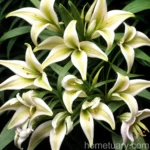
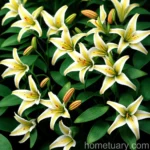
Lilium ‘Dizzy’ is a cultivar of the Oriental Lily, a species of lily renowned for its large, outward-facing, and fragrant flowers. This particular cultivar is characterized by its stunning bicolor blooms, featuring white petals with raspberry-colored speckles and centers. The flowers are held on strong, upright stems and exude a delightful fragrance that adds to their appeal. With their striking appearance and captivating scent, Lilium ‘Dizzy’ has earned a special place in gardens and floral arrangements.
Key Takeaways – Lilium ‘Dizzy’ (Oriental Lily)
Before we delve into the detailed aspects of Lilium ‘Dizzy’, let’s take a quick look at the key takeaways that we’ll cover in this guide:
- Plant Name: Lilium ‘Dizzy’ (Oriental Lily)
- Culture: Understanding the cultural requirements of Lilium ‘Dizzy’.
- Uses: Exploring the versatile uses of this cultivar in gardens and floral arrangements.
- Water: Learning about the watering needs of Lilium ‘Dizzy’.
- Sunlight: Understanding its sunlight requirements for optimal growth.
- Fertilizer: Providing the right nutrients for healthy development.
- Soil: Identifying the ideal soil conditions for cultivating Lilium ‘Dizzy’.
- Pruning: Understanding the pruning techniques for maintaining the plant.
- Propagation: Exploring methods to propagate Lilium ‘Dizzy’.
- Container Popularity: Discussing its suitability for container gardening.
- Common Diseases: Identifying potential diseases and preventive measures.
- Common Pests: Understanding the common pests affecting Lilium ‘Dizzy’.
- Botanist’s Tips: Insightful tips for successful cultivation.
- Fun Facts: Interesting and lesser-known facts about Lilium ‘Dizzy’.
Now, let’s turn our attention to the detailed insights about Lilium ‘Dizzy’ (Oriental Lily).
Culture of Lilium ‘Dizzy’ (Oriental Lily)
Understanding the cultural requirements of Lilium ‘Dizzy’ is crucial for its successful cultivation. This includes considering its water, sunlight, soil, and fertilizer needs, as well as essential maintenance practices such as pruning and propagation.
Water
Proper watering is vital to the health and growth of Lilium ‘Dizzy’. As a general guideline, it’s essential to keep the soil consistently moist but not waterlogged. Adequate irrigation helps the plant develop strong roots and supports the development of robust and vibrant blooms. When watering, it’s important to apply water at the base of the plant to avoid wetting the foliage, which can lead to diseases and fungal issues.
In hot and dry conditions, it’s particularly crucial to monitor the moisture levels and ensure that the plant receives sufficient water. During the growing season, regular watering, especially during periods of drought, will contribute to the overall health and vitality of the plant. However, it’s also important to avoid overwatering, as this can lead to root rot and other moisture-related problems.
Sunlight
Lilium ‘Dizzy’ thrives in well-lit areas with plenty of direct sunlight. As a rule of thumb, it’s best to provide at least six to eight hours of sunlight daily for optimal growth and flowering. When selecting a planting location, consider areas that receive ample sunlight, as this will encourage robust growth and support the development of abundant and vibrant blooms. However, it’s important to note that in extremely hot climates, some afternoon shade can be beneficial to prevent the plant from becoming stressed due to excessive heat.
Fertilizer
Proper fertilization is essential for promoting healthy growth and abundant flowering in Lilium ‘Dizzy’. Before planting, amending the soil with well-balanced organic matter and a slow-release fertilizer will provide the essential nutrients for the plant’s initial establishment. Once the plant begins active growth, a balanced fertilizer with a higher Phosphorus (P) content can be applied to support the development of strong roots and vibrant blooms.
During the growing season, it’s beneficial to fertilize the plant every four to six weeks, using a water-soluble fertilizer or a granular fertilizer specifically formulated for flowering plants. Always follow the manufacturer’s instructions regarding the application rates and frequency to avoid over-fertilization, which can lead to nutrient imbalances and potential damage to the plant.
Soil
Lilium ‘Dizzy’ thrives in well-draining, loamy soil with a slightly acidic to neutral pH. When preparing the planting site, incorporating organic matter and compost into the soil will improve its texture and nutrient content, providing a favorable environment for the plant’s roots to establish and thrive. Adequate soil preparation is crucial, as it sets the foundation for the plant’s long-term health and productivity.
For container cultivation, using a high-quality potting mix formulated for flowering plants will ensure optimal growth and development. The potting mix should offer good drainage while retaining sufficient moisture to support the plant’s requirements. Additionally, the soil in containers may require more frequent fertilization to compensate for the leaching of nutrients due to watering.
Pruning and Maintenance
Pruning and maintenance practices play a significant role in the overall health, vigor, and appearance of Lilium ‘Dizzy’. Regular pruning helps to remove spent blooms, withered foliage, and any diseased or damaged parts of the plant, contributing to its overall tidiness and health. When pruning the plant, it’s crucial to use clean and sharp pruning tools to prevent the spread of diseases and to create clean cuts that promote rapid healing.
As the blooms fade, removing the spent flowers not only improves the plant’s appearance but also prevents the formation of seed pods, redirecting the plant’s energy into producing new growth and strengthening the bulb for the following season. In late fall, after the foliage has yellowed and withered, it can be pruned back to ground level, signaling the plant’s entry into dormancy.
Propagation
Lilium ‘Dizzy’ can be propagated through various methods, including division of bulbs and scaling. Bulb division is commonly practiced and involves separating the bulb offsets or bulblets from the parent bulb and replanting them to establish new plants. This method is typically carried out when the plant is dormant or during its dormant period.
Scaling, another propagation technique, involves removing and planting the scales from the bulbs to produce new plantlets. Both methods require careful handling and attention to hygiene to ensure the successful establishment of new plants. When propagating Lilium ‘Dizzy’, it’s essential to select healthy and disease-free bulbs or scales to serve as the starting material for propagation.
Uses of Lilium ‘Dizzy’ (Oriental Lily)
Garden Ornament
Lilium ‘Dizzy’ is prized for its ornamental value in gardens, where it serves as a focal point owing to its stunning and fragrant blooms. Whether incorporated into mixed borders, used for mass plantings, or planted in containers, it adds a touch of elegance and allure to the garden landscape. Its showy flowers and delightful fragrance make it a popular choice for both formal and informal garden settings.
Cut Flower
The large and striking flowers of Lilium ‘Dizzy’ make it a coveted choice for cut flower arrangements. Whether used as a standalone bloom or combined with other flowers and foliage, it adds a touch of sophistication and fragrance to floral displays. Its long stems and enduring blooms make it a versatile and sought-after selection for floral enthusiasts and professional florists alike.
Fragrance
The sweet and captivating fragrance of Lilium ‘Dizzy’ makes it an excellent choice for perfuming outdoor spaces and indoor environments. Placing the plant near outdoor sitting areas or open windows allows the fragrance to permeate the surrounding space, creating a delightful sensory experience. The fragrance of the flowers also makes them attractive to pollinators, including bees and butterflies.
Common Diseases and Pests
Common Diseases
Like many plants, Lilium ‘Dizzy’ is susceptible to certain diseases that can affect its overall health and vigor. Some of the common diseases that can impact the plant include:
- Botrytis Blight: This fungal disease can cause browning and decay of the flowers and foliage, particularly in humid and wet conditions.
- Gray Mold: Also caused by the Botrytis cinerea fungus, gray mold can lead to the development of fuzzy grayish mold on affected plant parts.
- Fusarium Wilt: A soil-borne fungal disease that can cause wilting, yellowing, and stunted growth in affected plants.
To prevent these diseases, it’s essential to practice good cultural care, including proper watering, adequate air circulation, and sanitation measures to minimize the risk of infection. In cases where diseases are identified, prompt intervention with appropriate fungicidal treatments may be necessary to help manage and control the spread of the diseases.
Common Pests
Several pests can pose a threat to Lilium ‘Dizzy’ and may require active management to prevent damage to the plant. Some of the common pests include:
- Aphids: These small, sap-sucking insects can cluster on the undersides of leaves, causing damage and distortion of plant tissues.
- Lily Leaf Beetle: The adult and larval stages of the Lily leaf beetle can feed on the foliage of lilies, leading to severe defoliation if left unchecked.
- Slugs and Snails: These mollusks can feed on the leaves and flowers of lilies, often causing irregular holes and damage to the plant.
Implementing preventive measures such as regular monitoring, maintaining a clean garden environment, and employing natural predators can help manage pest populations. In cases where pest infestations are severe, targeted treatments or interventions may be necessary to protect the plant from extensive damage.
Botanist’s Tips for Lilium ‘Dizzy’
As a plant scientist with a keen interest in Lilium ‘Dizzy’, here are some essential tips to ensure the successful cultivation and enjoyment of this captivating cultivar:
- Selecting a Planting Site: Choose a planting location with well-draining soil and ample sunlight to provide an ideal environment for the plant’s growth and flowering.
- Proper Watering: Monitor the plant’s moisture needs, ensuring consistent moisture levels without waterlogging the soil.
- Fertilization: Apply a balanced fertilizer during the growing season to support vigorous growth and abundant flowering.
- Pruning: Regularly remove spent blooms and withered foliage to maintain the plant’s health and appearance.
- Pest and Disease Management: Practice vigilance and implement appropriate measures to address potential pest and disease issues promptly.
By incorporating these tips into the care and maintenance of Lilium ‘Dizzy’, enthusiasts can enjoy the beauty and fragrance of this exquisite plant while promoting its overall health and vitality.
Fun Facts about Lilium ‘Dizzy’ (Oriental Lily)
- Lilium ‘Dizzy’ is a captivating bicolor variety that adds a touch of drama and elegance to garden landscapes and floral arrangements.
- The fragrance of Lilium ‘Dizzy’ is particularly alluring, making it a delightful addition to gardens and outdoor spaces.
- Oriental lilies, including the Lilium ‘Dizzy’, have been cultivated for centuries and hold a special place in horticultural history and tradition.
- The bicolor blooms of Lilium ‘Dizzy’ make it a versatile choice for creating visually striking and captivating floral displays.
- Successful cultivation of Lilium ‘Dizzy’ can result in impressive floral clusters and a delightful sensory experience, making it a highly desirable addition to gardens and landscapes.
Links to External Resources
To further enhance your knowledge and appreciation of Lilium ‘Dizzy’ (Oriental Lily), here are some valuable external resources that provide additional insights and information:
- The American Lily Society: The official website of The American Lily Society offers a wealth of information on lilies, including cultivation tips, varieties, and resources for enthusiasts.
- Royal Horticultural Society – Growing Lilies: The Royal Horticultural Society provides comprehensive guidance on growing lilies, including care tips and variety selection.
- University of Minnesota Extension – Lily Diseases: Explore information on common diseases affecting lilies and management strategies from the University of Minnesota Extension.
By exploring these resources, enthusiasts can expand their understanding of Lilium ‘Dizzy’ and gain valuable insights into its cultivation, care, and horticultural significance.
In conclusion, the Lilium ‘Dizzy’ (Oriental Lily) stands as a captivating and alluring addition to gardens, floral arrangements, and outdoor spaces. With its striking appearance, delightful fragrance, and versatile uses, it holds a special place in the realm of ornamental plants. By understanding its cultural requirements, maintenance practices, and potential uses, enthusiasts can cultivate and appreciate the unique beauty and charm of Lilium ‘Dizzy’ to the fullest.
Whether as a garden ornamental, a cut flower, or a fragrant addition to outdoor spaces, the Lilium ‘Dizzy’ (Oriental Lily) offers a multitude of opportunities for enthusiasts to indulge in its visual splendor and captivating fragrance. From its cultural nuances to its mesmerizing blooms, Lilium ‘Dizzy’ continues to enchant and inspire admirers of ornamental plants and floral elegance.
This guide is dedicated to all the enthusiasts, gardeners, and floral enthusiasts who appreciate the distinctive allure and beauty of Lilium ‘Dizzy’ (Oriental Lily). May this captivating cultivar continue to grace gardens and floral displays with its breathtaking blooms and sweet fragrance.
Keywords: Lilium Dizzy Oriental Lily, Dizzy Lily Oriental Lilium, Oriental Lily ‘Dizzy’, Lilium ‘Dizzy’ plant, Dizzy Oriental Lily care, Oriental Lily ‘Dizzy’ characteristics, Lilium ‘Dizzy’ growing tips, Dizzy Lily plant care guide, Oriental Lily ‘Dizzy’ varieties, Lilium ‘Dizzy’ gardening tips, Dizzy Oriental Lily planting guide, Oriental Lily ‘Dizzy’ maintenance, Lilium ‘Dizzy’ flower description, Dizzy Lily watering requirements, Oriental Lily ‘Dizzy’ soil preferences, Lilium ‘Dizzy’ sunlight needs, Dizzy Oriental Lily pruning techniques, Oriental Lily ‘Dizzy’ blooming season, Lilium ‘Dizzy’ pest control, Dizzy Lily fertilizing tips, Oriental Lily ‘Dizzy’ propagation methods, Lilium ‘Dizzy’ disease prevention, Dizzy Oriental Lily companion plants, Oriental Lily ‘Dizzy’ container gardening, Lilium ‘Dizzy’ landscaping ideas, Dizzy Lily indoor cultivation, Oriental Lily ‘Dizzy’ fragrance profile, Lilium ‘Dizzy’ butterfly attracting, Dizzy Oriental Lily bee-friendly plant, Oriental Lily ‘Dizzy’ deer resistance, Lilium ‘Dizzy’ cut flower arrangements, Dizzy Lily drought tolerance, Oriental Lily ‘Dizzy’ cold hardiness, Lilium ‘Dizzy’ shade gardening, Dizzy Oriental Lily garden design, Oriental Lily ‘Dizzy’ edging plant, Lilium ‘Dizzy’ naturalizing guidelines, Dizzy Lily soil amendment suggestions, Oriental Lily ‘Dizzy’ mulching techniques, Lilium ‘Dizzy’ seasonally appropriate care, Dizzy Oriental Lily companion herbs, Oriental Lily ‘Dizzy’ spring gardening tips, Lilium ‘Dizzy’ container size recommendations, Dizzy Lily soil pH requirements, Oriental Lily ‘Dizzy’ reblooming information, Lilium ‘Dizzy’ foliage color characteristics, Dizzy Oriental Lily garden enhancement, Oriental Lily ‘Dizzy’ landscape focal point, Lilium ‘Dizzy’ resistant to common diseases, Dizzy Lily winterizing instructions.