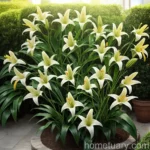
Lilium bulbiferum var. croceum (Orange Lily): A Complete Guide
Lilium bulbiferum var. croceum, commonly known as the Orange Lily, is a stunning perennial plant that belongs to the Liliaceae family. This beautiful species is native to Europe and is well-loved for its vibrant orange flowers that add a pop of color to gardens and landscapes. In this comprehensive guide, we will delve into the fascinating world of the Orange Lily, exploring its culture, uses, care requirements, and much more. Whether you’re a seasoned gardener or a beginner plant enthusiast, this article will equip you with the knowledge and tips you need to cultivate and appreciate this striking plant.
What is Lilium bulbiferum var. croceum (Orange Lily)?
Lilium bulbiferum var. croceum, commonly known as the Orange Lily, is a flowering plant species that is native to various parts of Europe, including the Mediterranean region. It is a herbaceous perennial and is characterized by its brilliant orange flowers, which bloom in early to mid-summer. The plant typically reaches a height of 60-120 cm (24-47 inches) and features lance-shaped leaves and erect stems.
The Orange Lily is known for its ornamental value and is a popular choice for gardeners looking to add color and vibrancy to their outdoor spaces. Additionally, this species holds cultural significance and has been used in various traditional practices and herbal remedies.
Key Takeaways – Lilium bulbiferum var. croceum (Orange Lily)
Culture
- Common Name: Orange Lily
- Scientific Name: Lilium bulbiferum var. croceum
- Family: Liliaceae
- Native Habitat: Europe
- Growth Habit: Herbaceous perennial
- Flowering Season: Early to mid-summer
Uses
- Ornamental Plant: The Orange Lily is primarily cultivated for its stunning flowers and is used as an ornamental plant in gardens, parks, and landscapes.
- Cultural Significance: In addition to its ornamental value, the Orange Lily holds cultural significance and has been used in traditional practices and herbal remedies.
Now, let’s explore the specific care requirements for successfully growing and nurturing the Orange Lily.
Water
Proper watering is essential for the health and vigour of Orange Lily plants. Maintaining consistent soil moisture without waterlogging is crucial, particularly during the active growing season. The following watering guidelines can help ensure optimal growth and flowering:
- Regular Watering: Orange Lilies perform best in moderately moist soil. Water the plants thoroughly when the top inch of the soil feels dry, ensuring that excess water can drain away.
- Avoid Waterlogging: While consistent moisture is important, waterlogged soil can lead to root rot and other complications. Ensure that the planting area has proper drainage to prevent water accumulation.
Sunlight
Orange Lilies thrive in sunny to partially shady conditions, making them versatile options for different garden settings. Adequate exposure to sunlight is crucial for robust growth and abundant flowering.
- Sun Requirements: Plant your Orange Lilies in a location where they can receive at least 6-8 hours of sunlight per day. Partial shade in the afternoon can be beneficial, particularly in regions with intense summer heat.
Fertilizer
Fertilizing Orange Lilies can promote healthy growth and enhance the vibrancy of their flowers. Selecting the right type of fertilizer and applying it judiciously can contribute to the plant’s overall well-being.
- Balanced Fertilizer: Use a balanced, all-purpose fertilizer that is suitable for flowering plants. Apply the fertilizer in spring as new growth emerges, following the manufacturer’s recommendations for dosage and application frequency.
- Avoid Overfeeding: While fertilization is beneficial, avoid overfeeding the Orange Lilies, as excessive nutrients can lead to imbalanced growth and reduced flowering.
Soil
The soil composition and quality play a pivotal role in the success of Orange Lily cultivation. Well-draining, fertile soil with the appropriate pH level can create an ideal environment for robust growth and prolific blooming.
- Well-Draining Soil: Orange Lilies prefer soil that is well-draining to prevent water stagnation around the roots. Amend heavy clay soils with organic matter such as compost or well-rotted manure to improve drainage.
- pH Level: Aim for a slightly acidic to neutral pH range of 6.0-7.0. Conduct a soil test to assess the pH and make necessary adjustments using suitable amendments.
Pruning
Pruning is an important aspect of Orange Lily care, contributing to plant health, aesthetics, and the promotion of future growth and flowering.
- Deadheading: Regularly remove spent flowers to encourage continuous blooming and prevent seed formation. Deadheading also directs the plant’s energy towards producing new blooms.
- Remove Foliage After Senescence: After the blooming period, trim back the foliage once it begins to yellow and wither. This encourages the plant to channel its energy towards the bulbs’ development and prepares it for the dormant phase.
Propagation
Orange Lilies can be propagated through various methods, allowing gardeners to expand their collection or share the plant with others.
- Division: Divide mature clumps of Orange Lilies in early autumn or late spring when the plants are dormant. Gently separate the bulbs and replant them in suitable locations.
- Bulbils: The plant produces bulbils, which are small bulb-like structures that form in the leaf axils. These can be carefully collected and replanted to propagate new Orange Lily plants.
Container Popularity
While Orange Lilies are commonly grown in garden beds or borders, they can also thrive in containers, offering flexibility in cultivation and design.
- Container Selection: Choose spacious containers with adequate drainage holes to accommodate the size and growth habit of Orange Lilies.
- Growing Medium: Fill the containers with a well-draining potting mix, ideally formulated for flowering perennials. Monitor moisture levels closely, as containers can dry out more quickly than garden soil.
Common Diseases
Orange Lilies can be susceptible to certain diseases, and recognizing the symptoms is crucial for timely intervention and management.
- Botrytis Blight: This fungal disease can cause browning and wilting of the foliage and flowers. Maintain proper air circulation and avoid over-watering to reduce the risk of botrytis blight.
- Root Rot: Overly wet or waterlogged soil can lead to root rot, resulting in stunted growth, yellowing leaves, and overall decline. Ensure well-draining soil and water the plants appropriately to prevent root rot.
Disease Diagnosis
When observing potential disease issues in Orange Lilies, careful assessment and prompt action are vital for mitigating the impact and restoring the plant’s health.
- Visual Symptoms: Examine the foliage, stems, and flowers for visible signs of disease, such as discoloration, wilting, or unusual growths.
- Consultation: If unsure about the diagnosis or effective treatment measures, consult with local horticultural experts or extension services to obtain accurate guidance.
Common Pests
While Orange Lilies are relatively resistant to most pests, certain insects can pose a threat and cause damage if left unchecked.
- Aphids: These small, soft-bodied insects can congregate on the foliage and flower buds, sucking sap and inducing distortion. Monitor for aphid presence and employ measures such as spraying with neem oil to deter them.
- Lily Leaf Beetles: These pests can feed on the foliage, causing unsightly damage. Handpick the beetles and larvae when feasible, or consider using insecticidal solutions if the infestation is severe.
Botanist’s Tips
To ensure the successful cultivation and enjoyment of Orange Lilies, consider the following practical tips from botanists and experienced gardeners:
- Mulching: Apply a layer of organic mulch around the base of Orange Lily plants to conserve moisture, suppress weeds, and provide insulation.
- Support for Tall Varieties: If growing taller varieties of Orange Lilies, provide support such as stakes or rings to prevent the stems from bending or breaking under the weight of the flowers.
- Regular Monitoring: Routinely inspect the plants for signs of stress, disease, or pest activity, allowing for timely intervention and preservation of plant health.
Fun Facts
- The Orange Lily has been associated with various myths and folklore throughout history, adding to its intriguing cultural significance.
- The plant’s vibrant flowers are not only visually striking but also attract pollinators such as bees, butterflies, and hummingbirds, contributing to biodiversity in the garden.
Now that we’ve covered the essential aspects of Orange Lily care and cultivation, let’s delve into more detailed information about specific topics and explore the plant’s diverse attributes and applications.
Links to External Resources
- Royal Horticultural Society – Growing Lilies
- University of Maryland Extension – Lily Leaf Beetle Management
- The Spruce – Botrytis Blight on Flowers
In the following sections, we will explore a range of topics related to the Lilium bulbiferum var. croceum species, from its characteristics and flowering time to its ecological significance and uses in herbal medicine. With a thorough understanding of these facets, you will be well-equipped to appreciate, cultivate, and enjoy the myriad benefits of the Orange Lily in various settings.
Lilium bulbiferum var. croceum Characteristics
The Orange Lily, or Lilium bulbiferum var. croceum, possesses several distinctive characteristics that contribute to its appeal and value as an ornamental plant. Understanding these traits helps in appreciating the plant’s beauty and harnessing its potential in garden designs and landscaping projects.
- Vibrant Flower Color: One of the most striking features of the Orange Lily is its vivid, orange-hued flowers, which stand out in garden settings and complement a range of color schemes.
- Herbaceous Growth Habit: Being a herbaceous perennial, the Orange Lily follows an annual growth cycle, typically dying back in winter and resprouting in spring, showcasing its resilience and adaptability.
- Erect Stems and Foliage: The plant exhibits sturdy, upright stems that support the clusters of showy flowers, along with lance-shaped leaves that add texture and visual interest.
Understanding these botanical characteristics allows for a deeper appreciation of the Orange Lily’s natural allure and serves as a valuable foundation for successful cultivation and utilization in various contexts.
Orange Lily Botanical Features
Exploring the botanical features and structures of the Orange Lily provides insight into the plant’s morphology, reproductive mechanisms, and adaptations to its natural habitat.
- Flower Structure: The Orange Lily’s flowers consist of six tepals arranged in a distinctive trumpet-shape, often with prominent stamens and pistils at the center. The vibrant coloration and intricate patterns contribute to the flowers’ allure.
- Bulb Development: Orange Lily plants develop bulbous underground structures that store nutrients and energy for growth and flowering. These bulbs play a central role in the plant’s perennial life cycle and are instrumental in propagation.
- Foliage Arrangement: The lance-shaped leaves of the Orange Lily are arranged alternately along the stems, providing a touch of greenery and serving essential photosynthetic functions.
By understanding these botanical features, gardeners and enthusiasts can gain a deeper appreciation for the plant’s structural intricacies and the mechanisms that shape its growth and reproductive cycles.
How to Cultivate Orange Lily
Cultivating Orange Lily plants involves a series of thoughtful steps and considerations, ranging from site selection and soil preparation to post-planting care and ongoing maintenance. This section provides a comprehensive guide to successfully growing and nurturing this captivating species.
Site Selection
Selecting an appropriate site forms the foundation of successful Orange Lily cultivation, ensuring that the plants receive the essential environmental conditions for healthy growth and abundant flowering.
- Sun Exposure: Plant Orange Lilies in locations that receive adequate sunlight, ideally 6-8 hours per day, to promote strong, vigorous growth and prolific blooming.
- Soil Quality: Choose well-draining, fertile soil with a slightly acidic to neutral pH range, providing an optimal foundation for the plants to establish themselves and thrive.
Planting Guide
Planting Orange Lilies involves strategic timing, spacing, and soil preparation to facilitate seamless establishment and robust growth.
- Planting Time: In regions with mild winters, plant Orange Lily bulbs in autumn for establishment before the onset of winter. In colder climates, spring planting after the last frost is recommended.
- Spacing: When planting multiple Orange Lily bulbs, space them approximately 15-20 cm (6-8 inches) apart to allow for adequate airflow and future growth.
- Soil Amendments: Incorporate organic matter such as compost or well-rotted manure into the planting area to improve soil structure and fertility.
Gardening Tips
Ongoing care and maintenance practices are crucial for the sustained health and vitality of Orange Lily plants, encompassing watering, fertilization, and disease prevention measures.
- Watering Requirements: Maintain moderately moist soil by watering the plants when the top inch of the soil feels dry, avoiding waterlogging that can compromise root health.
- Fertilization: Apply a balanced, all-purpose fertilizer in spring to support vigorous growth and a profusion of vibrant flowers, following label instructions for application.
- Disease Prevention: Monitor the plants for signs of disease and ensure good air circulation and soil drainage to preempt common issues such as botrytis blight and root rot.
Growing Conditions
Understanding the ideal growing conditions for Orange Lilies enables gardeners to create an environment that promotes strong, healthy plants and ensures an impressive display of flowers.
- Temperature Tolerance: Orange Lilies thrive in moderate to cool temperatures, making them suitable for cultivation in various climatic regions, including temperate and Mediterranean zones.
- Moisture Management: Maintain consistent soil moisture during the growing season, navigating the balance between adequate hydration and avoiding waterlogging.
- Winter Care: In regions with harsh winters, provide adequate protection for the bulbs by mulching the planting area and ensuring proper drainage to prevent water accumulation.
By adhering to these cultivation guidelines and best practices, gardeners can foster flourishing Orange Lily plants and enjoy the visual splendor they bring to outdoor spaces.
Orange Lily Sunlight Needs
The sunlight requirements of Orange Lilies play a vital role in determining their growth, flowering, and overall performance in garden settings. Understanding and catering to these needs are essential for cultivating thriving plants.
- Full Sun to Partial Shade: Orange Lilies thrive in locations that receive full sun for a significant portion of the day, ideally 6-8 hours, allowing them to benefit from the light’s energy and warmth.
- Afternoon Shade Consideration: In regions with particularly intense afternoon sunlight and heat, providing partial shade during the hottest part of the day can prevent potential stress on the plants.
By ensuring that Orange Lily plants receive adequate sunlight, gardeners can optimize their growth and flowering potential, resulting in vibrant, healthy specimens.
Orange Lily Garden Design Ideas
Incorporating Orange Lilies into garden designs offers an array of possibilities for creating visually stunning and dynamic landscapes, whether through mass plantings, mixed borders, or focal point arrangements.
- Mass Plantings: Create eye-catching displays by planting large groups of Orange Lilies together, producing a striking visual impact and an abundance of vivid blooms.
- Mixed Borders: Pair Orange Lilies with complementary perennials and foliage plants to craft diverse, engaging borders that provide seasonal interest and color contrasts.
- Focal Point Plantings: Utilize Orange Lilies as focal points within garden beds or along pathways, drawing attention to their vibrant flowers and adding bursts of color to the landscape.
By integrating Orange Lilies into garden designs, gardeners can infuse creativity, texture, and visual allure into their outdoor spaces, enriching the overall aesthetic and ambiance.
Orange Lily Wildlife Habitat
The ecological role of Orange Lilies extends beyond their ornamental value, as these plants contribute to local ecosystems by attracting and supporting diverse wildlife, ranging from pollinators to herbivores.
- Pollinator Attraction: The vibrant, nectar-rich flowers of Orange Lilies entice pollinators such as bees, butterflies, and hummingbirds, fostering biodiversity and the critical role of these species in plant reproduction.
- Herbivore Interaction: While the foliage and bulbs of Orange Lilies can be consumed by certain herbivores, their role in providing sustenance and habitat for wildlife adds to their ecological significance.
By embracing the diverse wildlife that Orange Lilies attract, gardeners can cultivate thriving ecosystems and contribute to the preservation of local biodiversity.
Orange Lily Disease Prevention
Preventing common diseases in Orange Lilies calls for a proactive approach that encompasses good cultural practices, vigilant monitoring, and timely intervention when early symptoms emerge.
- Adequate Air Circulation: Ensure that Orange Lily plants have sufficient space between them to promote airflow and reduce the risk of humidity-related diseases such as botrytis blight.
- Healthy Soil and Drainage: Maintain well-draining soil and manage moisture levels to prevent issues like root rot, which can arise from prolonged waterlogging and poor drainage.
By implementing disease prevention measures, gardeners can safeguard their Orange Lily plants and enjoy flourishing, disease-free specimens without resorting to extensive treatments.
Orange Lily Floral Arrangements
The vibrant and visually captivating flowers of Orange Lilies make them excellent candidates for use in floral arrangements, adding vivacity, elegance, and a touch of the exotic to indoor and outdoor settings.
- Cut Flower Usage: Harvest Orange Lily blooms with a sharp, clean cut and place them in vases or containers filled with fresh water, creating stunning floral displays for interior decor or special occasions.
- Arrangement Complement: Blend Orange Lily flowers with compatible blooms and greenery to assemble cohesive, visually appealing bouquets and arrangements that highlight their unique color and form.
By incorporating Orange Lily blooms into floral arrangements, individuals can bring the plant’s natural charm and allure into interior spaces, enhancing aesthetics and ambiance.
In the following sections, we will continue exploring various aspects of the Lilium bulbiferum var. croceum species, delving into topics such as its role in herblore and cultural significance, as well as methods for propagation, foliage care, and container cultivation. Through a comprehensive understanding of these subjects, readers will gain a holistic view of the Orange Lily and its diverse applications and possibilities.
Orange Lily as a Cut Flower
The vivid, eye-catching blooms of Orange Lilies make them popular choices for cutting gardens and floral arrangements, offering a plethora of benefits and visual appeal.
- Longevity in Vases: Orange Lily flowers can maintain their freshness and vibrancy in vases for an extended period, making them reliable choices for indoor decorations and floral displays.
- Vibrant Color Contribution: The vivid orange hues of the blooms add warmth and vivacity to bouquets and arrangements, serving as focal points and contributing to diverse color palettes.
By incorporating Orange Lily flowers into cut flower arrangements, individuals can infuse their interior spaces with the plant’s natural allure and create visually engaging displays.
Orange Lily as a Border Plant
Incorporating Orange Lilies into garden borders and edgings provides numerous advantages, including structural interest, bold color impact, and the creation of dynamic visual boundaries.
- Structural Definition: The erect stems and vibrant flowers of Orange Lilies contribute to the delineation and structure of garden borders, enhancing overall aesthetics and organization.
- Color Contrast: The striking orange blooms of the plants create captivating visual contrasts