Lifesaver Plant (Huernia Zebrina)
In the realm of plant life, there exists a diverse array of flora, each with its own distinctive characteristics and contributions to the world. One such.
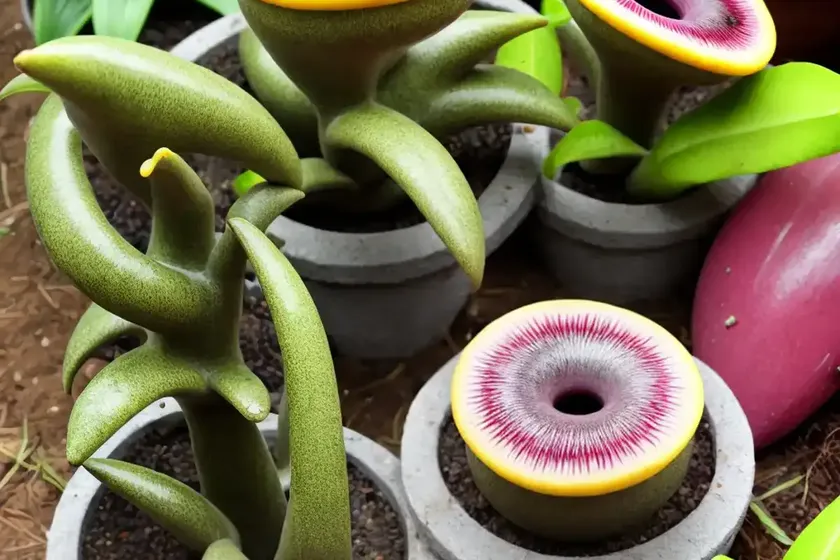
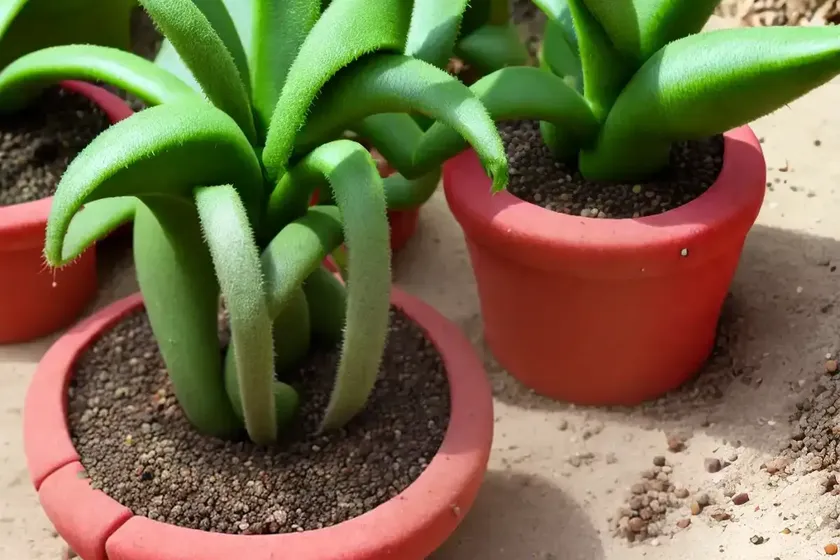
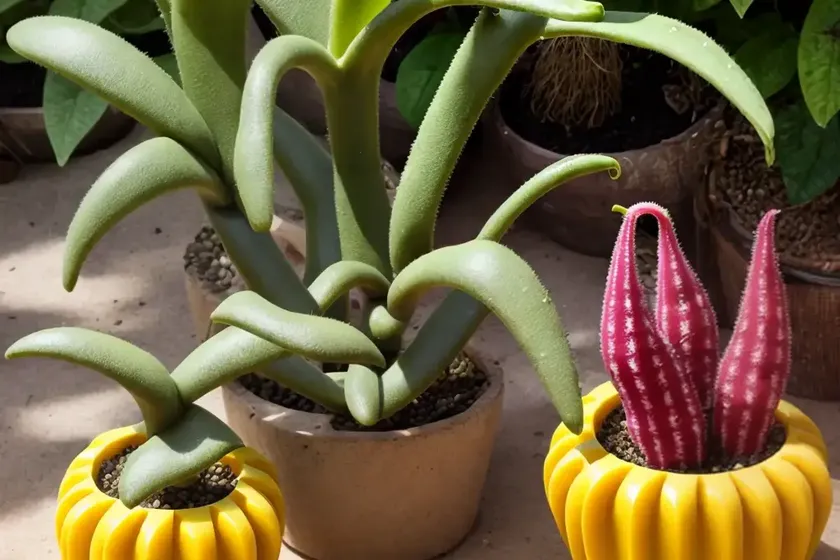
In the realm of plant life, there exists a diverse array of flora, each with its own distinctive characteristics and contributions to the world. One such botanical marvel is the Huernia zebrina, commonly known as the lifesaver plant or zebra cactus. This remarkable succulent, belonging to the Euphorbia family, is native to the arid landscapes of South Africa. With its striking appearance and impressive resilience, the Huernia zebrina has captured the admiration of plant enthusiasts and horticulturists alike.
In this comprehensive guide, we will delve into the fascinating world of the Huernia zebrina, exploring its cultural significance, unique features, cultivation requirements, and much more. Whether you are a seasoned gardener, a succulent aficionado, or simply an admirer of the natural world, join us on this journey to unravel the secrets of the lifesaver plant.
About the Huernia Zebrina
The Huernia zebrina, also known as the lifesaver succulent or zebra cactus, is a visually captivating plant species renowned for its striking appearance and low-maintenance nature. As a member of the succulent family, it has evolved to thrive in arid and semi-arid conditions, making it an ideal choice for individuals seeking resilient and visually appealing plants for their indoor or outdoor spaces.
Key Characteristics of the Lifesaver Plant
Before diving into the detailed aspects of cultivating and caring for the Huernia zebrina, let’s explore some key characteristics that define this unique plant:
-
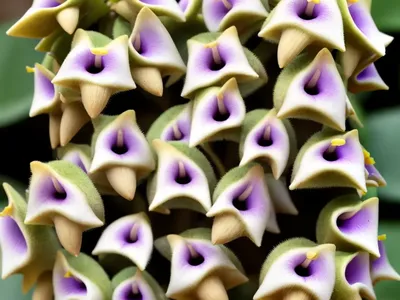
Distinctive Appearance: The most striking feature of the Huernia zebrina is its unusual and eye-catching flowers. The star-shaped blooms, which closely resemble a lifebuoy or lifesaver, exhibit a mesmerizing combination of striped patterns, often featuring alternating bands of maroon or brown and light yellow or cream. This distinct floral display is a major allure for enthusiasts and collectors of rare and exotic plants.
-
Drought Tolerance: Adapted to the harsh conditions of its native habitat in South Africa, the Huernia zebrina is exceptionally resilient to drought and can thrive in low-water environments. Its succulent leaves and stems are adapted for water storage, allowing the plant to endure prolonged periods of dryness without compromising its health and vitality.
-
Low-Maintenance: As a low-maintenance succulent, the Huernia zebrina requires minimal care and attention, making it an excellent choice for individuals with busy lifestyles or those new to plant cultivation. Its ability to prosper with infrequent watering and minimal intervention makes it a hassle-free addition to gardens and indoor spaces.
Culture and Traditional Uses
The Huernia zebrina holds cultural and traditional significance, particularly within the indigenous communities of South Africa. In these societies, various parts of the plant have been utilized for their medicinal properties and ornamental value. The unique characteristics and adaptive traits of the lifesaver plant have made it an integral part of local customs, folklore, and traditional healing practices.
Medicinal Properties of Huernia Zebrina
In traditional medicine, certain parts of the Huernia zebrina have been employed for their potential healing properties. The plant is believed to possess medicinal qualities that can address a range of ailments and health concerns. While scientific research into the medicinal uses of the lifesaver plant is ongoing, its role in traditional healing systems underscores the cultural significance and reverence for this unique succulent.
Key Takeaways – Lifesaver Plant (Huernia Zebrina)
Let’s summarize some key takeaways about the Huernia zebrina, encapsulating its defining qualities and practical considerations for cultivation and care:
- Distinctive appearance: The visually captivating star-shaped flowers of the Huernia zebrina are characterized by striking striped patterns, resembling a lifesaver or lifebuoy.
- Resilience: Adapted to arid environments, the Huernia zebrina is highly tolerant to drought and can thrive with minimal water requirements.
- Low-maintenance: As a low-maintenance succulent, the lifesaver plant is an excellent choice for individuals seeking resilient and visually appealing plants for their indoor or outdoor spaces.
- Cultural significance: The Huernia zebrina holds cultural and traditional significance, particularly within indigenous communities in South Africa, where it is revered for its medicinal properties and ornamental value.
Now that we have gained insight into the unique qualities and cultural importance of the Huernia zebrina, let us delve deeper into the specific elements of successfully cultivating and caring for this extraordinary succulent.
Cultivation Requirements
Successful cultivation of the Huernia zebrina entails a comprehensive understanding of its specific requirements, including sunlight, water, soil, and nutrition. By creating an environment that closely mimics its natural habitat, one can ensure the health and vigor of this captivating succulent. Let’s explore the essential factors essential for the cultivation of the lifesaver plant:
Water
The Huernia zebrina possesses remarkable drought tolerance, a characteristic that is deeply rooted in its adaptation to arid environments. When it comes to watering this succulent, it is crucial to adhere to a sparing watering regimen, particularly during the growing season. Excess moisture in the soil can lead to root rot and other complications, so it is advisable to allow the soil to dry out between watering sessions.
In the winter months, when the plant is in a state of dormancy, watering should be further reduced to prevent waterlogging and associated issues. This conservative approach to watering aligns with the plant’s natural resilience and ensures the preservation of its health and vitality.
Sunlight
As a desert-dwelling succulent, the Huernia zebrina thrives in bright, indirect sunlight, making it suitable for placement near sunny windowsills or in outdoor spaces with partial shade. While it is adapted to high light conditions, it is important to shield the plant from direct, intense sunlight, which can scorch the delicate foliage and diminish its visual appeal.
In regions characterized by harsh sun exposure, providing filtered light or partial shade can prevent sunburn and support optimal growth and blooming. By carefully managing the plant’s exposure to sunlight, one can create an environment that encourages robust and flourishing growth.
Fertilizer
To support the healthy development and flowering of the Huernia zebrina, periodic fertilization is recommended, particularly during the active growing season. A balanced, water-soluble fertilizer formulated for succulents and cacti can be applied at half-strength every 4-6 weeks to provide the essential nutrients for the plant’s growth and blooming cycles.
It is important to refrain from over-fertilizing, as excessive nutrient levels can lead to salt buildup in the soil and potentially harm the plant. By adopting a measured and cautious approach to fertilization, one can enhance the resilience and vibrancy of the lifesaver plant.
Soil
The soil composition plays a critical role in the successful cultivation of the Huernia zebrina, as it directly impacts water retention, aeration, and nutrient availability. A well-draining potting mix designed for succulents and cacti is an ideal choice for this unique plant species.
A blend of porous materials such as sand, perlite, and coarse gravel can promote optimal drainage and prevent waterlogged conditions that can compromise the plant’s health. By selecting a well-suited soil mixture and ensuring proper drainage, one can create an environment that closely mirrors the plant’s native habitat, supporting its resilience and vitality.
Pruning and Maintenance
The low-maintenance nature of the Huernia zebrina makes it relatively hassle-free in terms of pruning and maintenance. The plant’s growth habit and minimal maintenance requirements are well-suited for individuals seeking an effortlessly elegant addition to their indoor and outdoor spaces.
Pruning
Pruning requirements for the Huernia zebrina are minimal, largely consisting of the removal of spent or withered flowers to promote continuous blooming and maintain the plant’s visual appeal. By gently plucking off faded blooms, one can stimulate the production of new flowers and preserve the aesthetics of the plant.
Maintenance
Regular inspection for signs of pests, diseases, or other abnormalities is an integral part of maintaining the health and vigor of the lifesaver plant. By maintaining a clean and pest-free environment, attending to the plant’s basic needs, and promptly addressing any issues that arise, one can ensure the longevity and vitality of this captivating succulent.
Propagation Techniques
For those interested in expanding their collection of Huernia zebrina or sharing this unique succulent with others, propagation techniques offer a means of generating new plants from existing ones. There are several methods of propagation that can be employed to successfully multiply the presence of the lifesaver plant, each with its own benefits and considerations.
Propagation by Stem Cuttings
One of the most straightforward and commonly used methods of propagating the Huernia zebrina is through stem cuttings. This technique involves carefully snipping a healthy stem segment from the parent plant and allowing it to develop roots in a suitable growing medium. By selecting a healthy and disease-free stem and providing optimal conditions for root development, one can achieve successful propagation and expand their collection of this extraordinary succulent.
Leaf Cuttings
Leaf cuttings offer another viable means of propagating the Huernia zebrina, allowing individuals to generate new plants from individual leaves of the parent plant. By carefully selecting and preparing healthy leaves and creating a conducive environment for root development, one can initiate the growth of new plants and witness the remarkable potential for regeneration possessed by this unique succulent.
Container Cultivation
The Huernia zebrina is ideally suited for cultivation in containers, making it an excellent choice for individuals looking to adorn their indoor spaces with captivating and low-maintenance plants. When cultivating the lifesaver plant in containers, it is important to consider several key factors to ensure successful growth and long-term flourishing.
Container Selection
Selecting an appropriate container for cultivating the Huernia zebrina is essential for providing a nurturing environment that supports the plant’s root development and overall well-being. The chosen container should feature sufficient drainage holes to prevent waterlogging and facilitate the removal of excess moisture. Additionally, the size of the container should accommodate the plant’s growth while providing ample space for the development of a healthy root system.
Soil and Potting Mix
The selection of a well-draining potting mix specifically formulated for succulents and cacti is crucial for container cultivation of the Huernia zebrina. A porous mixture that provides optimal aeration and drainage is essential for maintaining the health and resilience of the plant within the confines of a container. By choosing a suitable soil blend and prioritizing adequate drainage, one can establish an ideal growing environment for this unique succulent.
Placement and Environment
When placing the container-grown Huernia zebrina, it is important to consider its sunlight requirements and provide a suitable environment that promotes growth and blooming. Positioning the container near a source of bright, indirect sunlight and shielding it from direct, intense sunlight can help maintain the plant’s vigor and aesthetic appeal. By being attuned to the plant’s environmental needs and providing a conducive setting, one can create a captivating display of the lifesaver plant within indoor and outdoor spaces.
Popular and Common Varieties
Within the realm of Huernia zebrina, there exists a range of popular and common varieties that showcase diverse visual characteristics and adaptations. These variations, featuring unique floral patterns, colorations, and growth habits, offer enthusiasts and collectors a rich tapestry of options to explore and appreciate.
Common Varieties of the Lifesaver Plant
- Huernia Zebrina ‘Red Dragon’: This striking variety of the lifesaver plant displays rich, deep tones of red and maroon in its distinctive striped flowers, adding a bold and captivating dimension to the floral display.
- Huernia Zebrina ‘Golden Zebra’: With its vibrant and luminous yellow and cream-colored striped flowers, this variety exudes a radiant and eye-catching allure, making it a sought-after addition to succulent collections.
- Huernia Zebrina ‘Silver Crown’: The ‘Silver Crown’ variety distinguishes itself with elegantly subdued tones of silver and gray, creating a sophisticated and understated floral presentation that captivates the imagination.
These variations, among others, contribute to the diversity and allure of the Huernia zebrina, offering enthusiasts a wealth of options to curate captivating displays and collections.
Common Diseases and Pests
While the Huernia zebrina is renowned for its resilience and low-maintenance nature, it is not immune to potential challenges stemming from diseases and pests. Understanding the common afflictions that can affect this unique succulent and taking proactive measures to address them is integral to ensuring its continued health and vitality.
Disease Diagnosis
Diagnosing and addressing diseases that can affect the Huernia zebrina is essential for preserving the well-being of the plant. Common diseases that may arise include fungal infections, stem rot, and issues related to over-watering. By being vigilant for symptoms of disease, such as discoloration, wilting, or unusual growth patterns, one can promptly intervene and implement appropriate measures to mitigate the impact of diseases on the lifesaver plant.
Common Pests
Pest infestations can pose a threat to the health and aesthetics of the Huernia zebrina, requiring diligent monitoring and intervention to prevent damage. Common pests that may affect the plant include mealybugs, aphids, and spider mites. By regularly inspecting the plant for signs of pest activity and deploying targeted control measures, such as natural predators or horticultural oils, one can safeguard the resilience and visual appeal of this captivating succulent.
Botanist’s Tips for Successful Cultivation
To further enhance the prospects of cultivating the Huernia zebrina and nurturing its health and beauty, incorporating botanist’s tips and expert recommendations can prove invaluable. By leveraging the insights and best practices shared by botanists and plant professionals, one can refine their approach to caring for this extraordinary succulent and reap the rewards of successful cultivation.
Botanist’s Recommendations
- Optimal Sunlight Exposure: Providing a balanced regimen of bright, indirect sunlight while shielding the plant from intense, direct sunlight can optimize the growth and blooming of the Huernia zebrina.
- Conservative Watering: Embracing a sparing approach to watering and allowing the soil to fully dry out between watering sessions is essential for supporting the plant’s natural resilience and reducing the risk of moisture-related complications.
- Well-Draining Soil: Investing in a well-draining potting mix specifically formulated for succulents and cacti is fundamental for maintaining healthy root systems and preventing waterlogged conditions.
By integrating these recommendations into the cultivation practices for the Huernia zebrina, one can unlock the full potential of this unique succulent and create an environment that nurtures its distinctive qualities.
Fun Facts About the Lifesaver Plant
In addition to its captivating appearance and remarkable resilience, the Huernia zebrina is associated with a range of intriguing and noteworthy facts that highlight its significance and allure. Let’s discover some fun and fascinating facts about this exceptional succulent:
- The distinctive, star-shaped flowers of the Huernia zebrina are not only visually captivating but also emit a faint odor reminiscent of carrion. This unique scent, which attracts flies for pollination, adds an element of intrigue to the plant’s flowering process.
- The Huernia zebrina’s adaptation to arid environments has endowed it with remarkable drought tolerance, making it an appealing choice for low-water gardening and xeriscaping initiatives.
- The succulent leaves and stems of the Huernia zebrina are adept at storing water, enabling the plant to endure extended periods of dryness and thrive in challenging conditions.
These fun facts not only offer a glimpse into the extraordinary nature of the Huernia zebrina but also underscore its cultural, ecological, and horticultural significance.
Links to External Resources
For individuals seeking additional information, insights, and resources related to the Huernia zebrina, a curated selection of external links and references provides a gateway to further exploration and learning. The following links offer valuable perspectives, guidance, and supplementary details that enrich the understanding and appreciation of this exceptional succulent:
- The Royal Horticultural Society (RHS): The official website of the RHS features an array of horticultural resources, including plant profiles, cultivation guides, and advice for successful gardening.
- Succulent Plant Care: This comprehensive website offers detailed care guides and resources specifically tailored to succulent enthusiasts, providing valuable insights into the cultivation and maintenance of succulent plants, including the Huernia zebrina.
Conclusion
In the realm of succulents, the Huernia zebrina stands out as a symbol of resilience, beauty, and cultural significance. As we have journeyed through the intricacies of this exceptional plant, we have unraveled its distinct qualities, cultivation requirements, and the cultural and ecological roles it fulfills. With its striking striped flowers, remarkable drought tolerance, and low-maintenance nature, the lifesaver plant continues to captivate and inspire enthusiasts and admirers around the world.
By integrating the knowledge and insights shared in this comprehensive guide, individuals can embark on a rewarding journey of nurturing and appreciating the Huernia zebrina within their indoor and outdoor spaces. Whether as a focal point in succulent gardens, a resilient addition to low-water landscapes, or a captivating presence in indoor environments, the Huernia zebrina will continue to thrive and enchant, embodying the spirit of resilience and natural beauty.
As we cultivate, celebrate, and share the virtues of the lifesaver plant, we honor its remarkable qualities and the rich tapestry of cultural and ecological significance it embodies. Embracing this extraordinary succulent in our lives and landscapes is not only a testament to its resilience and beauty but also a reaffirmation of our connection to the wondrous world of plants and nature. With its enduring allure and captivating presence, the Huernia zebrina stands as a testament to nature’s ingenuity and the timeless allure of botanical marvels.