Licorice Plant (Helichrysum Petiolare)
The licorice plant, scientifically known as Helichrysum Petiolare, is an increasingly popular ornamental plant prized for its aromatic leaves, vibrant.
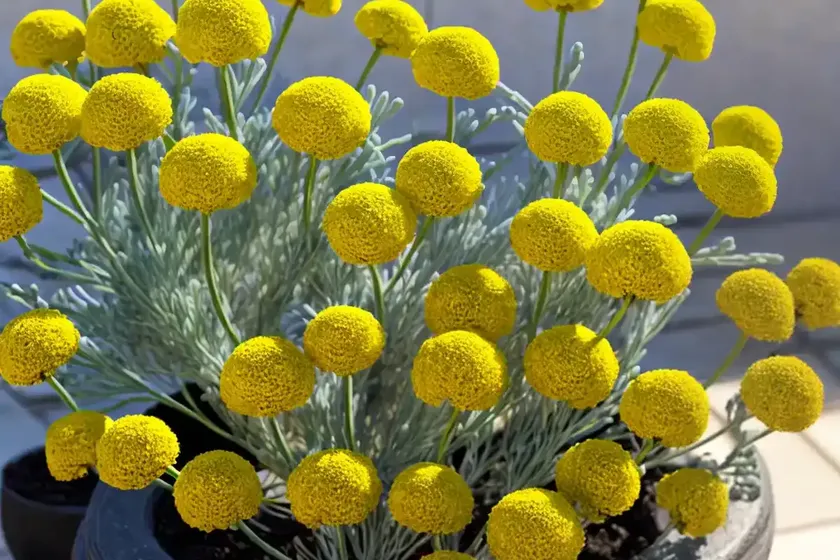
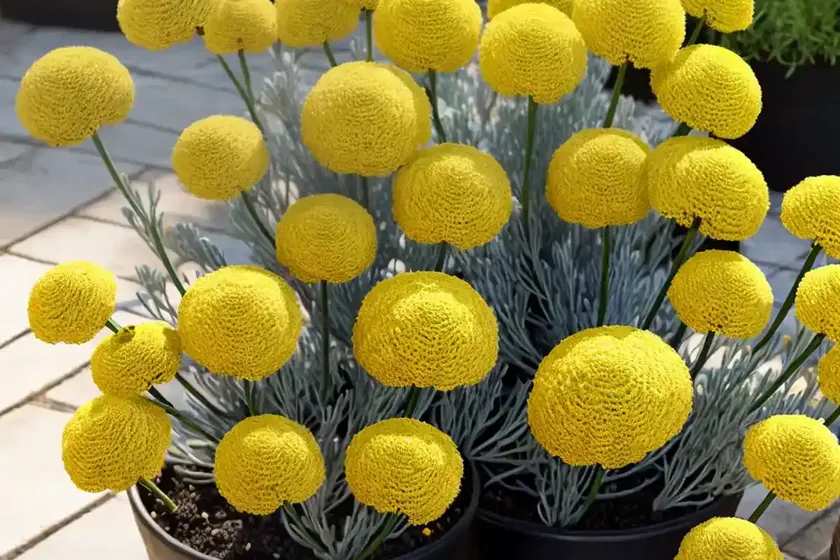
The licorice plant, scientifically known as Helichrysum Petiolare, is an increasingly popular ornamental plant prized for its aromatic leaves, vibrant appearance, and a multitude of uses. This sun-loving and drought-tolerant plant is widely cultivated for its diverse applications, including culinary uses, herbal remedies, skin and hair care, landscaping, and even as a natural insect repellent. In this comprehensive guide, we will delve into the cultivation, properties, and diverse uses of the licorice plant, providing valuable insights for gardeners, herbal enthusiasts, and individuals interested in the natural benefits offered by this remarkable plant.
What is Licorice Plant (Helichrysum Petiolare)?
The licorice plant, also known as Helichrysum Petiolare, is a member of the Asteraceae family and is native to South Africa. This perennial plant is valued for its attractive foliage, which features soft, velvety, silver-gray leaves with an intricate texture. The licorice plant is renowned for its delightful fragrance, often described as a pleasant combination of licorice and camphor, adding to its allure as an ornamental plant and a source of aromatic properties. With its versatile uses in various domains ranging from gardening to medicinal applications, the licorice plant has gained widespread attention and appreciation.
Key Takeaways – Licorice Plant (Helichrysum Petiolare)
Before we delve into the specifics of caring for and utilizing the licorice plant, let’s outline some important takeaways about this remarkable species:
- Helichrysum Petiolare, or the licorice plant, is a sun-loving and drought-tolerant perennial with velvety silver-gray leaves and a pleasant licorice-camphor fragrance.
- Its uses encompass a wide range of applications, including ornamental gardening, herbal remedies, culinary pursuits, and as a natural insect repellent.
- Cultivating the licorice plant can contribute to sustainable landscaping practices and provide holistic benefits for respiratory, skin, and immune health.
Now let’s explore the specific aspects of cultivating and utilizing licorice plants, including culture, uses, maintenance, and interesting facts about this versatile species.
Culture
Cultivating licorice plants requires an understanding of its preferences and requirements in terms of water, sunlight, soil, and maintenance practices. Proper culture is essential for promoting healthy growth and maximizing the plant’s potential. Let’s delve into the specific cultural aspects of licorice plant care.
Water
Licorice plants are known for their remarkable drought tolerance, making them suitable for arid and semi-arid climates. However, while they can withstand dry periods, these plants still require consistent moisture, especially during the active growing season. It is crucial to strike a balance, avoiding waterlogged conditions while ensuring that the plant receives adequate hydration. As a general guideline:
- Water the licorice plant thoroughly, allowing the soil to dry out slightly between watering sessions to prevent waterlogging.
- During the summer months or in high-temperature environments, regular watering may be necessary to support the plant’s hydration needs.
Sunlight
As sun-loving plants, licorice plants thrive in bright, well-lit environments and are well-suited for cultivation in full sun conditions. When selecting a location for planting licorice, consider the following:
- Choose a site with full sun exposure, ensuring that the plant receives at least 6-8 hours of direct sunlight daily.
- While licorice plants are tolerant of intense sunlight, they can also adapt to partial shade, particularly in regions with scorching summers.
Fertilizer
In terms of fertilization, licorice plants have modest nutritional requirements and can thrive without excessively rich soil. A balanced and organic approach to fertilization is recommended to support healthy growth and vigor. Consider the following guidelines for fertilizing licorice plants:
- Prioritize organic, slow-release fertilizers to provide essential nutrients without risking over-fertilization.
- Apply a balanced, general-purpose fertilizer in the early spring to support the plant’s growth as it enters the active growing season.
- Avoid excessive fertilization, as licorice plants are adapted to lower-nutrient environments and can be sensitive to an overabundance of nutrients.
Soil
The licorice plant thrives in well-draining soil and can tolerate a range of soil types, making it adaptable to diverse growing conditions. When preparing the soil for licorice plant cultivation, consider the following soil preferences:
- Opt for well-draining soil with a loamy or sandy texture to facilitate adequate drainage and prevent waterlogging.
- While licorice plants can tolerate various soil pH levels, a neutral to slightly acidic pH range of 6.0-7.0 is generally conducive to their growth.
- In heavy clay soils, amending the soil with organic matter such as compost or peat moss can improve drainage and enhance the overall soil structure for optimal growth.
Pruning
Pruning is an essential aspect of licorice plant maintenance, supporting the plant’s form, health, and aesthetic appeal. Regular pruning helps manage the plant’s size, encourages bushier growth, and removes any dead or damaged foliage. Here are some key considerations for pruning licorice plants:
- Utilize sharp, sterile pruning shears to trim back overgrown or leggy stems, promoting a more compact and lush appearance.
- Prune the licorice plant in the early spring before new growth emerges, removing any weak or diseased branches and shaping the plant as desired.
- After flowering, conduct light pruning to maintain the plant’s shape and encourage continuous growth and bloom production.
Propagation
Propagating licorice plants enables gardeners to expand their collection and share the plant’s beauty with others. These plants can be propagated through various methods, including stem cuttings and division, each offering unique advantages for successful propagation. Let’s explore the propagation methods for licorice plants:
-
Stem Cuttings: Propagate licorice plants from stem cuttings by selecting healthy, non-flowering stems and rooting them in a well-draining, moist propagation medium. Provide bottom heat and consistent moisture to encourage the development of roots, and transplant the rooted cuttings into individual pots once they have established a robust root system.
-
Division: When dividing licorice plants, carefully separate the plant’s root ball into smaller sections, ensuring that each division possesses a sufficient number of roots and healthy growth points. Replant the divisions in suitable containers or garden locations, and provide appropriate care to support their establishment and growth.
Container Popularity
The licorice plant’s adaptability and ornamental appeal make it a popular choice for container gardening, allowing individuals to enjoy its beauty and fragrance in various outdoor and indoor settings. Whether displayed as a standalone specimen or combined with other plants to create captivating arrangements, licorice plants thrive in containers and offer versatile decorative options. Consider the following factors when cultivating licorice plants in containers:
-
Container Selection: Choose well-draining containers with adequate drainage holes to prevent waterlogging and ensure optimal soil aeration. Select containers of sufficient size to accommodate the plant’s root system and provide room for growth.
-
Potting Mix: Utilize a well-balanced, nutrient-rich potting mix with good drainage characteristics, incorporating components such as perlite, peat moss, and compost to create an ideal growing medium for licorice plants.
-
Indoor Cultivation: For indoor cultivation, place licorice plants in bright, sunny locations and provide adequate ventilation to support their growth. Monitor indoor humidity levels and consider supplemental lighting when natural light may be limited.
-
Outdoor Display: When arranging licorice plants in outdoor containers, consider their sunlight preferences and select suitable locations with ample sunlight exposure. Group plants with similar light and moisture requirements to create visually appealing arrangements while ensuring optimal growing conditions.
Common Diseases
Like any plant species, licorice plants are susceptible to certain diseases and health issues that can impact their growth and vitality. Recognizing and addressing common diseases promptly is essential for maintaining the plant’s health and preventing the spread of ailments. Here are some common diseases that may affect licorice plants:
-
Powdery Mildew: This fungal disease can manifest as a powdery white coating on the plant’s leaves, affecting their appearance and potentially impairing photosynthesis. To address powdery mildew, maintain good air circulation, avoid overhead watering, and consider applying horticultural oils or fungicidal treatments as needed.
-
Root Rot: Excessive soil moisture and poor drainage can lead to root rot in licorice plants, causing the roots to decay and impacting the plant’s overall health. Addressing root rot involves improving soil drainage, adjusting watering practices, and, if necessary, pruning affected roots and repotting the plant in fresh, well-draining soil.
-
Leaf Spot Diseases: Various fungal and bacterial pathogens can cause leaf spot diseases, leading to the formation of dark or discolored spots on the plant’s foliage. To manage leaf spot diseases, practice proper sanitation, remove and dispose of affected leaves, and consider applying preventive fungicidal treatments to protect the plant from further infection.
Disease Diagnosis
Diagnosing diseases in licorice plants involves careful observation of the plant’s symptoms, coupled with an understanding of common plant ailments and their distinct characteristics. When identifying and diagnosing diseases in licorice plants, consider the following diagnostic measures:
-
Symptom Recognition: Pay close attention to any abnormal changes in the plant’s foliage, such as discoloration, wilting, spots, or unusual growth patterns. Take note of any visible signs such as powdery coatings, lesions, or distortions that may indicate disease presence.
-
Environmental Assessment: Evaluate the plant’s growing conditions, including moisture levels, sunlight exposure, and air circulation, to identify any factors that may contribute to disease development. Address any environmental imbalances that could compromise the plant’s health.
-
Pathogen Identification: If possible, consult with a plant pathologist or a knowledgeable gardening professional to identify the specific pathogens responsible for the observed symptoms and confirm the presence of diseases affecting the licorice plant.
Common Pests
In addition to diseases, licorice plants can be susceptible to pest infestations that can impact their health and appearance. Vigilant monitoring and proactive pest management are essential for protecting licorice plants from common pests and minimizing potential damage. Some of the common pests that may affect licorice plants include:
-
Aphids: These small, soft-bodied insects can infest licorice plants, feeding on the plant’s sap and potentially causing stunted growth and distorted foliage. Control aphids through physical removal, horticultural oils, or insecticidal treatments as necessary.
-
Spider Mites: Spider mites are tiny arachnids that can infest licorice plants, resulting in stippled or discolored leaves and fine webbing on the foliage. Mitigate spider mite infestations through regular monitoring, maintaining adequate humidity levels, and applying miticidal treatments if needed.
-
Whiteflies: Whiteflies are small, winged insects that can congregate on the undersides of licorice plant leaves, where they feed on plant sap and excrete honeydew, potentially leading to sooty mold development. Control whiteflies through physical removal, insecticidal soaps, or other targeted pest management strategies.
Botanist’s Tips
As a professional plant scientist, I have gathered valuable insights and recommendations based on extensive research and practical experience with licorice plants. Here are some expert tips for cultivating and utilizing licorice plants:
-
Soil Preparation: Prior to planting licorice, ensure that the soil is well-draining and enriched with organic matter to support healthy growth. Incorporate compost, perlite, or peat moss as needed to improve soil texture and fertility.
-
Consistent Monitoring: Regularly monitor the licorice plant for signs of stress, disease, or pest activity, intervening promptly to address any issues and maintain the plant’s health.
-
Mulching: Apply a layer of organic mulch around the base of the licorice plant to conserve soil moisture, suppress weeds, and provide insulation for the roots against temperature fluctuations.
-
Harvesting Leaves: When collecting leaves for culinary, aromatic, or medicinal purposes, harvest them in the early morning when their essential oil content is at its peak, ensuring maximum fragrance and potency.
Fun Facts
The licorice plant boasts a rich history, fascinating properties, and intriguing lore, making it a subject of interest and admiration. Here are some fun and enlightening facts about the licorice plant:
-
The licorice plant’s aromatic leaves have been traditionally used as a natural insect repellent and are valued for their refreshing fragrance in potpourri and aromatic blends.
-
In herbal medicine, licorice plants have been utilized for their reputed respiratory, digestive, and stress-relieving properties, offering holistic benefits to those seeking natural remedies.
-
Some varieties of Helichrysum Petiolare feature striking gold or lime-green foliage, adding a vibrant and distinctive touch to garden landscapes and container displays.
Links to External Resources
For further exploration of licorice plant care, uses, and horticultural appreciation, consider referring to the following external resources:
- Royal Horticultural Society – Helichrysum Petiolare (Licorice Plant)
- University of Florida IFAS Extension – Licorice Plant Production Guide
- Missouri Botanical Garden – Helichrysum Petiolare
- American Society for the Prevention of Cruelty to Animals – Plants Toxic to Animals: Licorice Plant
In conclusion, the licorice plant (Helichrysum Petiolare) stands out as a versatile, aesthetically captivating, and functionally diverse species that offers numerous benefits in gardening, aromatic applications, herbal traditions, and holistic wellness. By understanding its cultural preferences, disease management strategies, and propagation techniques, individuals can cultivate and enjoy licorice plants while harnessing their unique attributes for various practical and creative purposes. Whether adorning garden landscapes, enriching herbal remedies, or providing sustainable solutions for insect control, the licorice plant remains a valuable and captivating addition to horticultural pursuits and natural living.