All About Leucojum Aestivum (Summer Snowflake)
Leucojum aestivum, commonly known as Summer Snowflake, is a bulbous perennial plant that belongs to the Amaryllidaceae family. This charming plant is native to various regions of Europe and Asia and is popular for its elegant white, bell-shaped flowers that bloom during the summer months.
In this comprehensive guide, we will delve into the characteristics, cultivation, care tips, and various aspects of Leucojum aestivum. Whether you are an experienced gardener or a novice enthusiast, this article aims to provide valuable insights into the world of Summer Snowflake, offering crucial information on its cultural significance, uses, and maintenance.
What is Leucojum Aestivum (Summer Snowflake)?
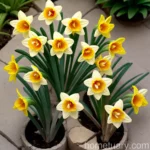
Leucojum aestivum is a herbaceous perennial plant that typically reaches a height of 30-60 cm. It features narrow, strap-shaped leaves and bears solitary, drooping, white flowers with green or yellow markings near the tip of the petals. These delicate blooms are visually reminiscent of snowflakes glistening in the summer sun, hence the common name “Summer Snowflake.”
The plant gets its scientific name “Leucojum” from the Greek words “leukos” and “ion,” meaning “white” and “violet,” respectively, referring to the color of the flowers. The species name “aestivum” translates to “of summer,” reflecting the plant’s blooming period.
Summer Snowflake is a delightful addition to gardens, either in naturalized woodland settings or mixed borders. It also serves as a fantastic cut flower, adding a touch of elegance to floral arrangements. While it is admired for its ornamental value, it is important to note that all parts of the plant are toxic if ingested, making it essential to handle it with care, especially in households with pets or children.
Key Takeaways – Leucojum Aestivum (Summer Snowflake)
Before delving into the specifics of growing and caring for Leucojum aestivum, let’s highlight key takeaways about this enchanting plant.
- Scientific Name: Leucojum Aestivum
- Common Name: Summer Snowflake
- Family: Amaryllidaceae
- Native Habitat: Europe and Asia
- Blooming Period: Summer
- Preferred Conditions: Partial shade, moist, well-drained soil
- Toxicity: All parts of the plant are toxic if ingested
- Uses: Ornamental, cut flowers
- Popularity: Commonly grown in gardens, naturalized settings, and borders
Now that we have gained a foundational understanding of Leucojum aestivum, let’s explore the intricate details of cultivating and nurturing this captivating plant.
Culture
Cultivating Leucojum aestivum involves providing the right environment and care to ensure its optimal growth and prolific flowering. From choosing the ideal location to understanding its watering needs, every aspect of the plant’s culture plays a crucial role in its overall health and vigor.
Uses
Leucojum aestivum finds its primary utility in ornamental gardening, where its ethereal blooms elevate the aesthetic appeal of various landscapes. Its key uses include:
- Garden Ornament: The delicate, white flowers of Summer Snowflake make for a splendid sight in garden beds, borders, and woodland settings, adding an enchanting touch to the surrounding greenery.
- Cut Flowers: The long-lasting blooms of Leucojum aestivum are often utilized in floral arrangements and bouquets, bringing a sense of grace and purity to indoor spaces.
Water
Water is a critical factor in the successful cultivation of Leucojum aestivum. While it thrives in consistently moist soil, it is important to avoid waterlogging, as excessive moisture can lead to rot and fungal diseases. The following guidelines can help in effectively managing the plant’s water requirements:
- Irrigation: During the active growing season, regular watering is essential to maintain evenly moist soil. Adequate moisture is especially crucial during periods of drought or high temperatures to prevent the plants from wilting.
- Drainage: Ensuring good drainage is imperative, as standing water around the bulbs can result in root and bulb rot. Amending the soil with organic matter and incorporating a layer of mulch can aid in retaining moisture while promoting proper drainage.
Sunlight
Leucojum aestivum thrives in partial shade to full sun, making it adaptable to a wide range of light conditions. However, in regions with intense heat, providing some protection from direct sunlight during the hottest part of the day can be beneficial. Here are some key considerations regarding sunlight requirements:
- Partial Shade: In warmer climates, planting Summer Snowflake in areas with dappled sunlight or partial shade can help prevent the foliage from scorching and minimize moisture loss from excessive evaporation.
- Morning Sun: Although the plant can tolerate full sun, exposure to morning sunlight coupled with afternoon shade is often considered an ideal arrangement, promoting healthy growth and prolific blooming.
Fertilizer
Applying a balanced fertilizer can enhance the growth and blooming potential of Leucojum aestivum. However, it is essential to exercise caution and apply fertilizers judiciously to prevent potential issues such as excessive foliar growth or reduced flowering. Consider the following fertilization guidelines:
- Timing: Fertilize the plants in early spring before the onset of active growth. A slow-release, balanced fertilizer can be incorporated into the soil or applied as a top dressing around the plants.
- Composition: A general-purpose, granular fertilizer with an N-P-K ratio of 10-10-10 or similar can provide the necessary nutrients without promoting excessive vegetative growth. Organic options such as compost or well-rotted manure can also contribute to the overall soil fertility.
Soil
The quality and composition of the soil play a pivotal role in determining the success of Leucojum aestivum cultivation. The plant thrives in well-drained, humus-rich soil and exhibits optimal growth when the soil composition meets its specific requirements. Here are important considerations when it comes to soil preparation and management:
- Texture: A loamy soil with good drainage capabilities is ideal for planting Summer Snowflake. The soil should be well-aerated and friable, allowing the roots to establish and penetrate with ease.
- pH Level: Leucojum aestivum prefers neutral to slightly acidic soil with a pH range of 6.0-7.0. Conducting a soil test can offer insights into the existing pH and guide necessary amendments to achieve the desired levels.
- Organic Matter: Incorporating organic matter such as compost, well-rotted leaf mold, or peat moss enriches the soil, improving its structure and fertility. Organic amendments also aid in moisture retention and promote a healthy soil ecosystem.
Pruning
Pruning is an essential maintenance practice that contributes to the overall health, appearance, and longevity of Leucojum aestivum. While the plant generally requires minimal pruning, periodic attention to certain aspects can ensure its vitality and aesthetic appeal. Consider the following guidance on pruning Summer Snowflake:
- Faded Flowers: Removing spent blooms promotes a tidy appearance and prevents the plant from expending energy on seed production. Snip off the flower stalks at the base once the flowers have withered.
- Excessive Foliage: If the foliage becomes excessively dense and starts to overshadow neighboring plants, selectively thinning out the leaves can improve air circulation and light penetration, reducing the risk of fungal diseases.
Propagation
Leucojum aestivum can be propagated through various methods, including division of bulbs, seed sowing, and offset separation. Each propagation technique offers unique advantages and challenges, allowing for flexibility in expanding the plant’s population or obtaining new specimens. Let’s explore the key methods of propagating Summer Snowflake:
- Division: Dividing established clumps of Leucojum aestivum is a common and effective propagation method. It involves carefully digging up the bulbs during the dormant season and separating them into smaller sections, each containing viable roots and shoots. The divided bulbs can then be replanted at the desired locations, ensuring ample spacing for future growth.
- Seeds: Propagating Leucojum aestivum from seeds requires patience and attention to detail. The seeds can be collected from mature seed pods and sown in a well-prepared seedbed or containers. Adequate moisture and favorable conditions can facilitate germination, leading to the development of new seedlings.
- Offsets: When Summer Snowflake plants produce offsets or smaller bulbs attached to the main bulbs, these can be carefully detached and planted separately to establish new plants. Offsets often develop at the base of the parent bulb and can be gently teased apart for propagation purposes.
Container Popularity
Leucojum aestivum demonstrates versatility in container gardening, offering an enchanting option for those seeking to adorn patios, balconies, or small outdoor spaces with its elegant blooms. The compact nature of containers, coupled with the flexibility to control soil composition and moisture levels, makes it convenient to cultivate Summer Snowflake in pots. Here are some insights into the popularity of cultivating Leucojum aestivum in containers:
- Space Efficiency: For individuals with limited garden space, planting Leucojum aestivum in containers provides an opportunity to enjoy its beauty without the need for expansive garden beds. The plant’s compact size and graceful demeanor make it well-suited for container culture.
- Aesthetic Appeal: Placing containers of Summer Snowflake in strategic locations, such as entrances, patios, or along pathways, can create a captivating visual impact. The delicate, pendulous blooms serve as a focal point, enhancing the ambiance of outdoor living spaces.
- Maintenance Control: Container gardening allows for precise control over the growing conditions, including soil composition, moisture levels, and light exposure. This level of management can be advantageous in catering to the plant’s specific requirements and addressing any environmental constraints.
- Seasonal Display: In regions with cold winters, containers of Leucojum aestivum can be brought indoors before the onset of frost, extending the enjoyment of their blooms. This flexibility enables the creation of seasonal displays and indoor floral arrangements featuring Summer Snowflake flowers.
Container Care
Caring for Leucojum aestivum in containers necessitates attention to the unique requirements of potted plants, including soil management, watering practices, and seasonal considerations. By addressing these aspects, gardeners can ensure the sustained health and vitality of Summer Snowflake grown in containers. Consider the following container care tips for cultivating Leucojum aestivum:
- Pot Selection: Choose well-draining containers with adequate depth to accommodate the development of the plant’s roots. Terra cotta or plastic pots can serve as suitable options, providing a balance of moisture retention and aeration.
- Potting Mix: Utilize a high-quality, well-draining potting mix with a blend of peat moss, perlite, and compost to create an optimal growing medium. An organic, loamy mix provides a favorable foundation for the roots and supports healthy growth.
- Watering Routines: Monitor the moisture levels in the container regularly, adjusting the frequency of watering based on environmental conditions. During hot, dry periods, the soil in containers may dry out more rapidly, necessitating vigilant hydration to prevent stress on the plants.
- Seasonal Considerations: Be attentive to temperature fluctuations and seasonal transitions, particularly when overwintering container-grown Leucojum aestivum. Providing protection from extreme cold and ensuring adequate insulation can safeguard the plants during winter dormancy.
Common Diseases
Despite being a resilient plant, Leucojum aestivum is susceptible to certain diseases and environmental stressors that can compromise its health and vigor. Understanding the common diseases and their management strategies is crucial for maintaining the plant’s resilience. Here are some prevalent diseases that may affect Summer Snowflake:
Disease Diagnosis
- Botrytis Blight: Also known as gray mold, botrytis blight manifests as fuzzy gray or brown spots on the flowers and foliage, often leading to rapid deterioration of the affected tissues. High humidity and moisture contribute to the development of this fungal disease.
-
Management: Improve air circulation, avoid overhead watering, and promptly remove and discard affected plant parts to prevent the spread of the disease. If necessary, apply fungicidal treatments as a preventive measure.
-
Basal Rot: Basal rot, caused by soil-borne fungi, results in the decay of the basal plate and lower portions of the bulbs. Symptoms include a foul odor, softening of the affected areas, and overall decline in plant vigor.
-
Management: Enhance soil drainage, refrain from overwatering, and practice proper sanitation by removing and destroying infected bulbs. Adjust the planting depth to ensure proper positioning of the bulbs in well-drained soil.
-
Rust Diseases: Various rust fungi may affect Leucojum aestivum, leading to the formation of characteristic orange-brown pustules on the leaves, stems, and flowers.
- Management: Limit leaf wetness through strategic watering practices, maintain balanced fertilization to promote plant health, and employ fungicidal treatments if severe outbreaks occur.
Common Pests
In addition to diseases, Leucojum aestivum may encounter challenges posed by pests that can impact its growth and flowering. Vigilance in pest management and prompt intervention are essential in safeguarding the plant from the potential damage caused by these intruders. Here are some common pests that may target Summer Snowflake:
- Aphids: These small, soft-bodied insects may congregate on the tender shoots and underside of the leaves, sucking sap from the plant and potentially transmitting viral diseases.
-
Management: Encourage natural predators such as ladybugs, use insecticidal soap as a low-impact control method, and physically dislodge aphids from the plants using a strong spray of water.
-
Thrips: Thrips are slender, winged insects that can cause damage by feeding on the flowers and leaves, resulting in distorted growth and silvery discoloration.
-
Management: Deploy sticky traps, introduce predatory mites for biological control, and consider selective insecticidal applications if populations surge and threaten the plant’s vitality.
-
Narcissus Bulb Fly: The larvae of narcissus bulb flies target the bulbs of Leucojum aestivum, causing damage and subsequent rot. Adult flies lay eggs near the bulbs, and the emerging larvae tunnel into the bulbs for nourishment.
- Management: Implement preventive measures such as physical barriers and insecticidal treatments targeting the adult flies. Inspect bulbs regularly for signs of infestation and take prompt action if observed.
Botanist’s Tips
To foster a deeper understanding of Leucojum aestivum and facilitate successful cultivation, we have gathered valuable insights and tips from seasoned botanists and horticulturists. These expert recommendations encompass a range of aspects, from plant placement to pest management, aiming to enhance the gardening experience and promote the thriving growth of Summer Snowflake. Here are some botanist’s tips for cultivating Leucojum aestivum:
- Proper Planting Depth: When establishing Leucojum aestivum bulbs, ensure an appropriate planting depth, typically 3-4 inches deep. Proper positioning within the soil contributes to stable anchorage and optimal emergence of shoots.
- Mulching Benefits: Applying a layer of organic mulch around the base of the plant offers multiple advantages, including moisture retention, weed suppression, and insulation against temperature fluctuations. Organic mulches such as shredded leaves or bark can significantly benefit the plant’s health.
- Companion Planting: Consider incorporating complementary plants such as early spring bloomers or low-growing perennials as companions for Leucojum aestivum. Compatible companions can enhance visual appeal, provide support, and offer mutualistic relationships within the garden ecosystem.
Fun Facts
Uncover intriguing and noteworthy facts about Leucojum aestivum that add to the allure of this captivating plant. From its historical significance to fascinating natural adaptations, these fun facts provide a glimpse into the rich tapestry of Summer Snowflake as an emblematic botanical specimen:
- Cultural Symbolism: In various folklore and cultural traditions, Leucojum aestivum has been associated with themes of purity, renewal, and the arrival of spring. Its elegant white flowers have been revered as symbols of hope and rejuvenation in diverse contexts.
- Ecological Significance: Summer Snowflake contributes to ecological biodiversity by attracting pollinators, supporting beneficial insects, and enriching the local floral landscape. Its role in sustaining local wildlife populations further underscores its ecological importance.
- Historical Presence: The presence of Leucojum aestivum in historical gardens and landscapes across Europe reflects its enduring appeal and symbolic relevance. The plant’s timeless beauty has been cherished for centuries, contributing to a legacy of horticultural appreciation.
Links to External Resources
To further enrich your understanding of Leucojum aestivum and delve deeper into its diverse facets, we recommend exploring the following external resources that offer valuable insights, detailed guidance, and captivating visuals related to Summer Snowflake:
- Royal Horticultural Society – Leucojum Aestivum
- University of Wisconsin-Madison Extension – Bulbs and More: Summer Snowflake
- Missouri Botanical Garden – Leucojum Aestivum
- American Society for the Prevention of Cruelty to Animals – Toxic and Non-Toxic Plants: Leucojum Aestivum
Through these reputable sources, you can access authoritative information, practical recommendations, and engaging perspectives on the cultivation and appreciation of Leucojum aestivum, thereby enriching your horticultural journey with Summer Snowflake.
In conclusion, Leucojum aestivum, with its elegant blooms and timeless allure, embodies a harmonious blend of ornamental appeal, cultural significance, and ecological value. By embracing the comprehensive insights provided in this guide, you are equipped to embark on a rewarding journey of cultivating, admiring, and nurturing Summer Snowflake, adding a touch of enchantment to your botanical pursuits. Whether in garden beds, containers, or naturalized landscapes, Leucojum aestivum stands as a testament to the enduring charm and botanical splendor of nature’s creations.