Lonicera Japonica ‘Halliana’ (Japanese Honeysuckle)
Lonicera japonica ‘Halliana’, commonly known as Japanese Honeysuckle, is a species of honeysuckle native to East Asia, particularly in Japan, Korea, and.
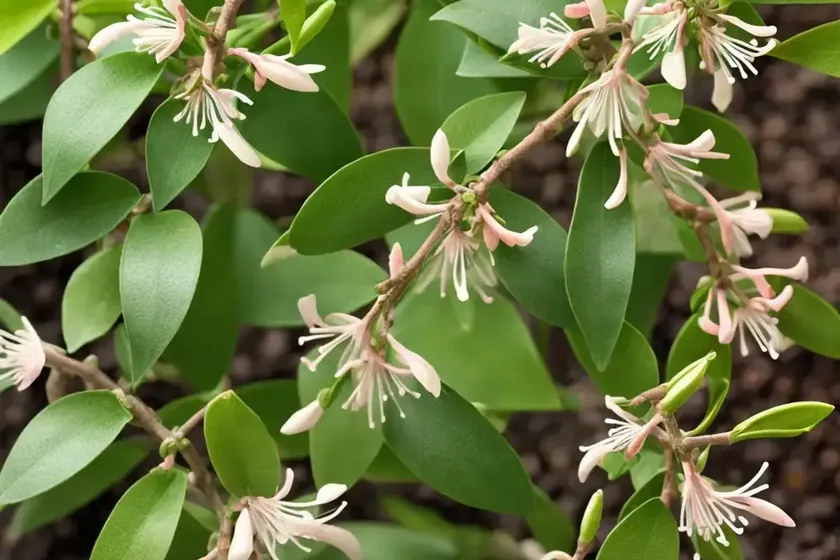
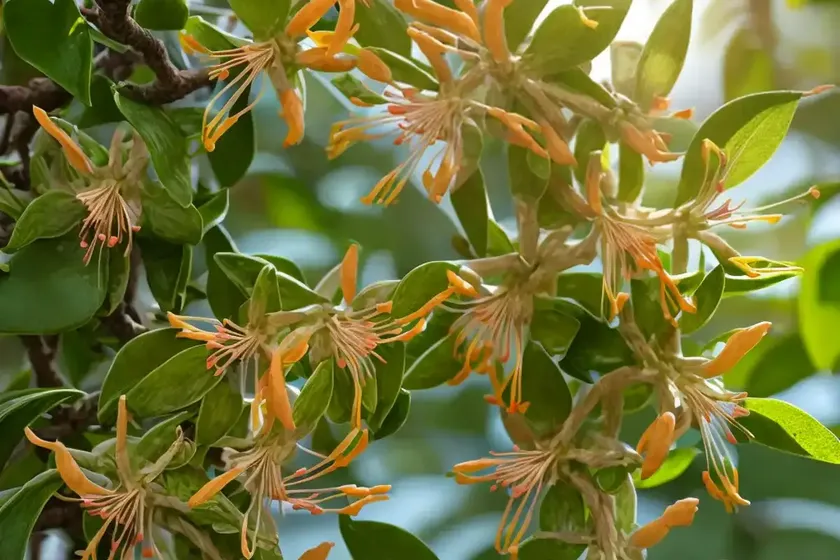
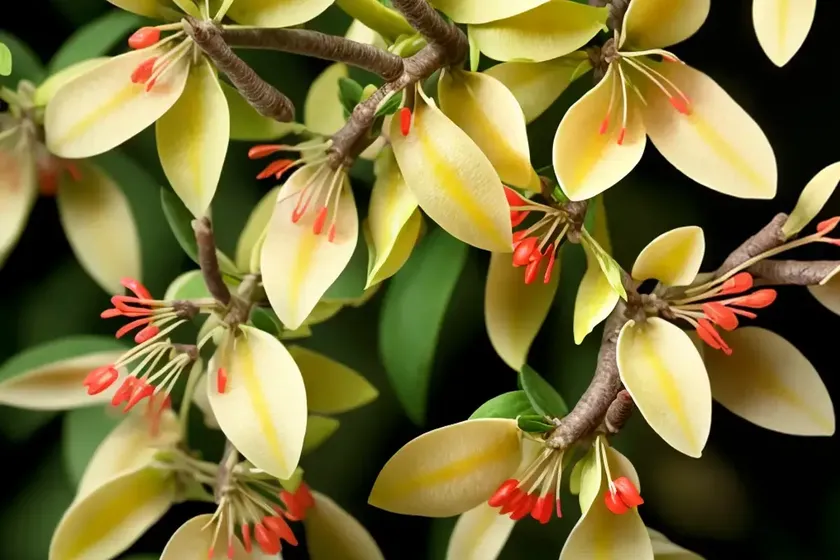
Lonicera japonica ‘Halliana’, commonly known as Japanese Honeysuckle, is a species of honeysuckle native to East Asia, particularly in Japan, Korea, and China. This perennial, twining vine has become widely popular as an ornamental plant due to its fragrant and attractive flowers. In this comprehensive guide, we will explore the characteristics, growing requirements, care tips, and much more about this exquisite plant.
What is Lonicera japonica ‘Halliana’ (Japanese Honeysuckle)?
Lonicera japonica ‘Halliana’ is a highly revered climbing vine that belongs to the Caprifoliaceae family. It is known for its fragrant, tubular flowers and is widely cultivated for its ornamental and practical uses. The vine is capable of vigorous growth and can reach up to 30 feet in height. Its oval, dark green leaves complement the white or yellow flowers, making it a popular choice for trellises, arbors, and fences.
Lonicera japonica ‘Halliana’ Characteristics
- Botanical Name: Lonicera japonica ‘Halliana’
- Common Name: Japanese Honeysuckle
- Family: Caprifoliaceae
- Plant Type: Perennial vine
- Mature Height: Up to 30 feet
- Flower Color: White or yellow
- Fragrance: Highly fragrant
Key Takeaways – Lonicera japonica ‘Halliana’ (Japanese Honeysuckle)
Culture
Lonicera japonica ‘Halliana’ is deeply ingrained in the cultures of East Asia, where it has been traditionally used for various purposes, including folk medicine and ornamental landscaping. It holds historical and cultural significance, particularly in Japan and China, where it has been associated with traditional folklore.
Uses
The uses of Lonicera japonica ‘Halliana’ are diverse, ranging from its ornamental value in landscaping to its traditional medicinal properties. The vine has also been known to attract wildlife, making it a valuable addition to wildlife gardens and natural habitats.
Water
Japanese Honeysuckle requires moderate water but is relatively drought-tolerant once established. Adequate irrigation, especially during its establishment phase, is crucial for promoting healthy growth and flowering.
Sunlight
The plant thrives in full to partial sun, requiring at least 6 hours of direct sunlight for optimal growth and flowering.
Fertilizer
A balanced, all-purpose fertilizer can be applied in spring to support the vigorous growth of Lonicera japonica ‘Halliana’. Slow-release fertilizers can also be beneficial for sustained nutrient availability.
Soil
Well-draining, fertile soil is ideal for Japanese Honeysuckle. It can adapt to various soil types, but a slightly acidic to neutral pH is preferred.
Pruning
Regular pruning is essential to maintain the shape and size of the vine. Pruning also encourages new growth and enhances flowering. Proper pruning techniques are crucial to prevent the vine from becoming invasive and to promote a healthy appearance.
Propagation
Lonicera japonica ‘Halliana’ can be propagated through various methods, including stem cuttings and layering. Propagation from seeds is also possible but may result in genetic variations.
Container Popularity
Due to its vigorous growth habit, Japanese Honeysuckle is often grown in containers to control its spread and to enjoy its aesthetic appeal in a confined space.
Container Common Diseases
In container cultivation, the vine may be susceptible to certain diseases such as powdery mildew and leaf spot. Proper care and maintenance can mitigate the risk of these diseases.
Disease Diagnosis
Regular monitoring for symptoms of diseases such as wilting, leaf discoloration, or abnormal growth should be carried out to diagnose and address any potential diseases affecting the plant.
Botanist’s Tips
- Regular Maintenance: Consistent pruning, watering, and fertilization are essential for the health and vigor of Lonicera japonica ‘Halliana’.
- Wildlife Habitat: The fragrant flowers of Japanese Honeysuckle attract bees, butterflies, and hummingbirds, making it a valuable addition to wildlife-friendly gardens.
- Invasive Management: Due to its potential to become invasive in certain regions, it is important to contain the growth of Japanese Honeysuckle within controlled spaces such as containers or designated garden areas.
Fun Facts
- The nectar of Lonicera japonica ‘Halliana’ is a valuable food source for various pollinators, contributing to the ecosystem’s biodiversity.
- Japanese Honeysuckle has been referenced in traditional Chinese and Japanese poetry for centuries, emphasizing its cultural significance.
- The plant’s fragrant flowers have been used in perfumery and aromatherapy, owing to their soothing and calming properties.
Links to External Resources
To further explore the world of Lonicera japonica ‘Halliana’ and Japanese Honeysuckle, you can refer to the following external resources:
- Royal Horticultural Society: Lonicera japonica ‘Halliana’
- Missouri Botanical Garden: Japanese Honeysuckle
- University of Florida IFAS Extension: Japanese Honeysuckle
Lonicera japonica ‘Halliana’ (Japanese Honeysuckle) holds a special place in the world of ornamental plants, offering a delightful fusion of beauty, fragrance, and cultural significance. By understanding its characteristics, growing requirements, and care tips, we can appreciate and cultivate this charming vine in our gardens while respecting its historical and ecological importance.