Letizia Sedeveria (Sedeveria ‘Letizia’)
In the world of succulents, the Sedeveria ‘Letizia,’ commonly known as Letizia Sedeveria, stands out as a stunning and versatile plant. With its charming.
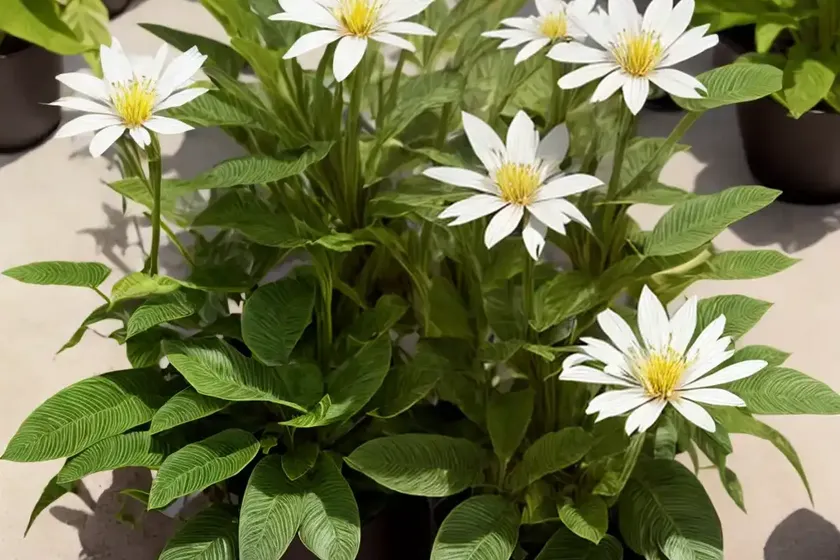
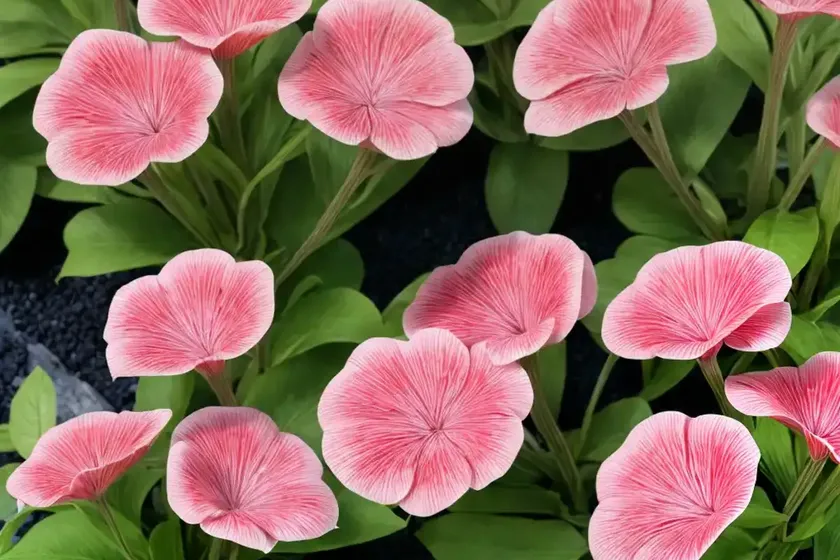
In the world of succulents, the Sedeveria ‘Letizia,’ commonly known as Letizia Sedeveria, stands out as a stunning and versatile plant. With its charming appearance and relatively low maintenance requirements, this plant has gained popularity among gardeners and succulent enthusiasts. In this comprehensive guide, we will delve into all aspects of caring for Letizia Sedeveria, from its culture and uses to its propagation and common diseases. Whether you’re a beginner looking to add a unique succulent to your indoor garden or an experienced gardener seeking detailed care tips, this guide is designed to provide valuable insights into the world of Letizia Sedeveria.
What is Letizia Sedeveria (Sedeveria ‘Letizia’)?
Letizia Sedeveria, also known by its scientific name Sedeveria ‘Letizia,’ is a hybrid succulent that belongs to the Crassulaceae family. This captivating plant is a cross between two genera: Sedum and Echeveria. As a result of this crossbreeding, Letizia Sedeveria exhibits a delightful combination of traits inherited from its parent plants, making it a unique and visually appealing addition to any collection of succulents.
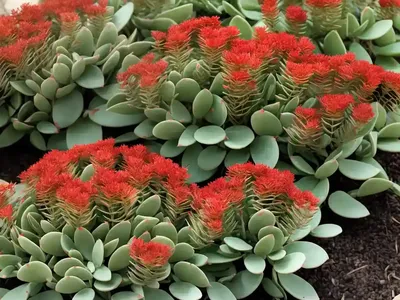
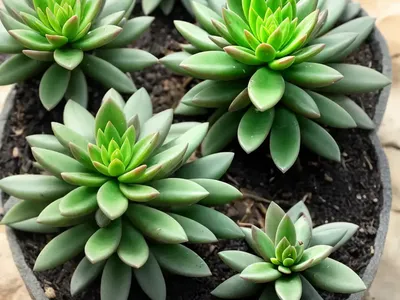
Letizia Sedeveria is characterized by its rosette-forming growth habit, with fleshy, pointed leaves arranged in compact, symmetrical rosettes. The leaves display a range of colors, often featuring shades of rosy pink, soft green, and hints of lavender, especially during periods of stress or in response to changes in sunlight and temperature. When provided with optimal growing conditions, Letizia Sedeveria may also produce delicate, star-shaped flowers in shades of pink, white, or orange, adding an extra dimension of beauty to the plant.
The versatility of Letizia Sedeveria makes it suitable for various growing environments, including outdoor gardens, indoor planters, and mixed succulent arrangements. Its compatibility with different design styles and its ability to thrive in a wide range of conditions contribute to its popularity as a cherished plant among succulent enthusiasts.
Key Takeaways – Letizia Sedeveria (Sedeveria ‘Letizia’)
Before delving into the specific care and maintenance requirements for Letizia Sedeveria, it’s essential to highlight the key takeaways that will be explored in detail throughout this guide. Understanding these key aspects of caring for Letizia Sedeveria forms the foundation for successfully cultivating and enjoying this beautiful succulent.
Culture
- Letizia Sedeveria is a hybrid succulent with parentage from the Sedum and Echeveria genera.
- It features striking rosettes of fleshy leaves, often displaying hues of pink, green, and lavender.
- The plant may produce star-shaped flowers in various colors under optimal growing conditions.
- Letizia Sedeveria is a versatile plant suitable for both indoor and outdoor cultivation, as well as various design styles.
Uses
- Letizia Sedeveria is an excellent choice for succulent gardens, container arrangements, and xeriscaping projects.
- Its unique appearance and adaptability make it a sought-after plant for adding visual interest to garden landscapes and indoor spaces.
- The plant’s compact growth habit and low maintenance requirements contribute to its popularity among gardening enthusiasts.
Water
- Letizia Sedeveria thrives in well-draining soil and requires infrequent, deep watering to prevent moisture-related issues.
- Overwatering can lead to root rot, while underwatering may result in dehydration and wilting of the plant.
- Establishing a balanced watering schedule is crucial for maintaining the health and vigor of Letizia Sedeveria.
Sunlight
- The plant thrives in bright, indirect light and can tolerate periods of direct sunlight, especially in outdoor settings.
- Adequate sunlight exposure is essential for promoting vibrant leaf colors and preventing etiolation or leggy growth.
- Understanding the plant’s sunlight requirements is vital for cultivating thriving Letizia Sedeveria specimens.
Fertilizer
- Letizia Sedeveria benefits from occasional, balanced fertilization during the active growing season.
- The application of a low-nitrogen, succulent-specific fertilizer helps support healthy growth and vibrant foliage.
- Proper fertilization practices contribute to the overall vitality and appearance of Letizia Sedeveria plants.
Soil
- Well-draining soil with a balanced mix of organic and inorganic components is essential for Letizia Sedeveria.
- The plant’s roots are susceptible to rot in overly moist or compacted soil, emphasizing the importance of suitable growing media.
- Selecting the right type of soil and ensuring proper drainage are critical factors for cultivating thriving Letizia Sedeveria specimens.
Pruning
- Occasional removal of withered or damaged leaves and spent flowers helps maintain the plant’s appearance and health.
- Pruning can be performed to control the size and shape of Letizia Sedeveria, promoting a tidy and compact growth habit.
- Implementing proper pruning techniques contributes to the overall aesthetic appeal and longevity of the plant.
Propagation
- Letizia Sedeveria can be propagated through various methods, including leaf cuttings, offsets, and stem cuttings.
- Understanding the propagation techniques and timing is essential for successfully expanding your collection of Letizia Sedeveria.
- Exploring the fascinating process of propagating Letizia Sedeveria offers opportunities to share and multiply the beauty of this unique succulent.
Container
- Planting Letizia Sedeveria in suitable containers with adequate drainage promotes healthy root development and growth.
- The choice of container size, material, and design influences the overall well-being and aesthetic presentation of the plant.
- Selecting the right containers for cultivating Letizia Sedeveria contributes to successful long-term care and cultivation.
Popularity
- Letizia Sedeveria has gained popularity among succulent enthusiasts and gardeners due to its unique appearance and versatility.
- The plant’s low maintenance requirements and compatibility with various growing environments contribute to its widespread appeal.
- Appreciating the popularity of Letizia Sedeveria provides insights into its value as a beloved addition to succulent collections.
Common Diseases
- Letizia Sedeveria may be susceptible to specific diseases and issues related to overwatering, poor drainage, or environmental stress.
- Recognizing the symptoms and preventive measures for common diseases is crucial for maintaining the health and vigor of the plant.
- Implementing proactive strategies to prevent and address common diseases contributes to successful Letizia Sedeveria care.
Disease Diagnosis
- Identifying common diseases and issues that affect Letizia Sedeveria requires familiarity with potential symptoms and causal factors.
- Understanding the diagnostic process for plant diseases equips growers with the knowledge to effectively address emerging issues.
- Timely disease diagnosis is essential for implementing targeted treatments and interventions to support the well-being of Letizia Sedeveria.
Common Pests
- Letizia Sedeveria may attract specific pests, including aphids, mealybugs, and spider mites, especially in indoor environments.
- Monitoring for signs of pest infestations and implementing preventive measures helps protect the plant from potential damage.
- Addressing common pest issues is crucial for safeguarding the visual appeal and vitality of Letizia Sedeveria specimens.
Botanist’s Tips
- Leveraging expert tips and insights from botanists and experienced growers can enhance Letizia Sedeveria care practices.
- Understanding the nuances of succulent cultivation and applying specialized techniques contributes to successful plant maintenance.
- Incorporating botanist’s tips into your care routine empowers you to nurture thriving and vibrant Letizia Sedeveria specimens.
Fun Facts
- Exploring intriguing and unique facts about Letizia Sedeveria adds an element of fascination to the plant’s overall appeal.
- Discovering lesser-known details about the plant’s history, characteristics, and traits enriches the experience of cultivating Letizia Sedeveria.
- Embracing the fun facts surrounding Letizia Sedeveria enhances your appreciation for this captivating succulent.
Links to External Resources
- Accessing reputable external resources and scholarly articles provides valuable insights and in-depth information on Letizia Sedeveria care.
- Exploring additional resources and publications expands your knowledge and understanding of succulent cultivation and plant care.
- Incorporating external resources into your research and learning journey supports comprehensive and well-informed Letizia Sedeveria care practices.
The key takeaways presented above serve as a roadmap for our exploration of Letizia Sedeveria care and maintenance. By delving into each of these aspects in detail, we aim to equip you with the knowledge and skills needed to cultivate thriving and visually captivating Letizia Sedeveria specimens.
Culture
Understanding the cultural requirements of Letizia Sedeveria is fundamental to creating a favorable environment for the plant to thrive. From its origins to its unique growth habits, learning about the cultural aspects of this hybrid succulent provides valuable insights for successful care and cultivation.
Origin and Parentage
Letizia Sedeveria is a product of hybridization, resulting from the crossbreeding of two distinct succulent genera: Sedum and Echeveria. Both of these parent plants contribute to the unique characteristics and traits displayed by Letizia Sedeveria, shaping its appearance, growth habits, and overall adaptability. By understanding the genetic influences from its parentage, growers can gain deeper insights into the plant’s preferences and needs, laying the foundation for tailored care practices.
Growth Habit and Appearance
Letizia Sedeveria exhibits a rosette-forming growth habit, with its fleshy leaves arranged in captivating, symmetrically shaped rosettes. The leaves themselves are notable for their smooth texture, pointed tips, and a color palette that ranges from soft green to rosy pink, often accentuated by hints of lavender. When subjected to stress or changes in environmental conditions, Letizia Sedeveria may display intensified colors or striking variations, adding an ever-changing aesthetic appeal to the plant.
In addition to its foliage, Letizia Sedeveria may produce delicate, star-shaped flowers under optimal growing conditions. These blooms can appear in an array of colors, including shades of pink, white, and orange, further enhancing the visual allure of the plant. The flowers, emerging from slender, elongated stems, serve as captivating accents and contribute to the overall beauty of Letizia Sedeveria specimens.
Versatility and Adaptable Nature
One of the striking characteristics of Letizia Sedeveria is its versatility and adaptable nature. The plant thrives in various growing environments, making it suitable for both indoor and outdoor settings. Whether incorporated into container gardens, succulent arrangements, or garden landscapes, Letizia Sedeveria easily integrates into diverse design styles and themes, offering a touch of elegance and visual interest.
The plant’s ability to acclimate to different lighting conditions and moderate temperatures further underscores its adaptability. This aspect positions Letizia Sedeveria as an ideal choice for beginners and experienced gardeners alike, providing opportunities for creativity and experimentation in succulent cultivation and design.
In summary, understanding the cultural elements of Letizia Sedeveria, including its origin, growth habits, and adaptable nature, lays the groundwork for creating an environment conducive to its thriving growth and captivating aesthetics.
Uses
Letizia Sedeveria’s versatility extends beyond its cultural adaptability and charming appearance, making it a valued plant for various applications and design purposes. Whether employed as a standalone specimen or integrated into larger garden compositions, Letizia Sedeveria offers compelling uses and benefits for gardening and landscaping endeavors.
Succulent Gardens and Xeriscaping
Letizia Sedeveria serves as an excellent addition to succulent gardens and xeriscaping projects, contributing its distinct beauty and low maintenance requirements to these environmentally conscious designs. The plant’s ability to thrive in arid or semi-arid climates, coupled with its water-wise attributes, aligns with the principles of xeriscaping, which emphasize conservation and sustainability through water-efficient landscaping.
When incorporated into succulent gardens, Letizia Sedeveria enriches the overall composition with its vibrant colors and captivating rosette formations. In both outdoor and indoor succulent displays, this hybrid succulent shines as a focal point or complementary element, adding visual appeal and texture to the curated arrangements.
Container Plantings and Mixed Arrangements
The compact growth habit and adaptability of Letizia Sedeveria make it an ideal candidate for container plantings and mixed succulent arrangements. Whether showcased in individual pots or combined with other compatible succulent varieties, Letizia Sedeveria stands out for its charming appearance and ease of care. The plant’s versatility allows it to harmonize with diverse container styles, from modern and minimalist designs to rustic and eclectic settings.
In mixed succulent arrangements, Letizia Sedeveria lends a touch of elegance and color contrast, creating visually captivating compositions that showcase the unique textures and forms of various succulent species. The plant’s compatibility with different growing conditions and light exposures ensures its suitability for diverse container gardening projects, offering endless possibilities for creative expression and personalized plant displays.
Garden Landscapes and Design Themes
Beyond individual plantings and container displays, Letizia Sedeveria contributes to garden landscapes and design themes, enhancing the visual dynamics and appeal of outdoor spaces. Whether incorporated into rock gardens, desert-themed landscapes, or Mediterranean-inspired settings, the plant’s adaptability and aesthetic qualities elevate the overall atmosphere and charm of these outdoor environments.
Letizia Sedeveria’s ability to thrive in well-draining soils and moderate sunlight enables its integration into diverse garden layouts, providing opportunities to create engaging focal points or cohesive plant groupings. In these contexts, the plant’s rosettes and foliage colors make a striking impression, adding character and visual interest to garden beds, borders, and outdoor living areas.
In essence, Letizia Sedeveria’s uses extend across succulent gardens, container plantings, and garden landscapes, positioning it as a versatile and valuable asset in various horticultural and design applications.
Water
Proper watering practices are essential for maintaining the health and vigor of Letizia Sedeveria. Understanding the plant’s water requirements, as well as the implications of overwatering and underwatering, forms the cornerstone of successful care and cultivation.
Watering Frequency and Technique
Letizia Sedeveria thrives in well-draining soil and requires infrequent but thorough watering to support healthy growth and prevent moisture-related issues. When establishing a watering schedule for Letizia Sedeveria, it is crucial to consider environmental factors such as temperature, humidity, and seasonal variations. Understanding the plant’s response to different conditions empowers growers to adjust their watering practices to meet its needs effectively.
The technique of deep watering, which involves thoroughly moistening the soil and allowing excess water to drain away, promotes robust root development and supports the plant’s overall hydration. By allowing the soil to dry out partially between waterings, growers can prevent the risk of overwatering and ensure that Letizia Sedeveria receives adequate moisture without becoming waterlogged.
Signs of Overwatering and Underwatering
Recognizing the signs of overwatering and underwatering is instrumental in maintaining the health and vitality of Letizia Sedeveria. Overwatering can lead to root rot, a serious condition that compromises the plant’s root system and overall well-being. Symptoms of overwatering may include wilting, discoloration of leaves, and a soggy or foul-smelling soil, indicating the presence of excessive moisture.
Conversely, underwatering can result in dehydration, leaf shrinkage, and a wilted or desiccated appearance. Letizia Sedeveria may exhibit dry, brittle leaves and a noticeably parched soil surface when insufficient water is provided. By monitoring these visual and tactile cues, growers can adjust their watering practices to maintain a harmonious balance of moisture for the plant.
Seasonal Adjustments and Considerations
Seasonal variations necessitate adjustments in watering frequency and volume to accommodate the changing needs of Letizia Sedeveria. During the active growing season, typically occurring in spring and summer, the plant may require more frequent watering to support vigorous growth and offset potential water loss due to higher temperatures and increased sunlight exposure.
In contrast, the dormant period in fall and winter calls for reduced watering as Letizia Sedeveria experiences slower growth and metabolic activity. Adjusting the watering schedule and volume during this period prevents excessive moisture accumulation in the soil and mitigates the risk of water-related stress on the plant. By aligning watering practices with seasonal cues, growers can optimize the plant’s health and resilience throughout the year.
In summary, incorporating a balanced and attentive approach to watering, including frequency adjustments, observation of key indicators, and seasonal considerations, supports the optimal hydration and vitality of Letizia Sedeveria.
Sunlight
Adequate sunlight exposure is crucial for promoting vibrant leaf colors and maintaining the overall health and vigor of Letizia Sedeveria. By understanding the plant’s sunlight requirements and behavior in different light conditions, growers can create an optimal environment that supports its visual appeal and growth.
Light Intensity and Duration
Letizia Sedeveria thrives in bright, indirect light, making it well-suited for locations that offer ample illumination without direct exposure to harsh, intense sunlight. The plant’s tolerance for moderate to bright light levels positions it as a versatile choice for both indoor and outdoor cultivation, allowing it to adapt to various lighting conditions with relative ease.
Understanding the ideal light intensity and duration for Letizia Sedeveria enables growers to select suitable locations for the plant’s placement and tailor its growing environment to meet its specific sunlight requirements. Providing consistent, well-filtered light supports the development of vibrant leaf colors and robust growth, contributing to the plant’s overall visual allure.
Sunlight Exposure Variations
In outdoor settings, Letizia Sedeveria can tolerate periods of direct sunlight, especially in moderate climates where the intensity of the sun is balanced with ambient temperatures and adequate airflow. When exposed to direct sunlight, the plant may display enhanced coloration and gradual changes in its foliage, contributing to its dynamic and visually captivating appearance.
Conversely, in indoor environments, Letizia Sedeveria benefits from access to bright, indirect light sources, such as south- or west-facing windows that receive ample natural illumination. Supplemental lighting, such as grow lights or fluorescent fixtures, can also support the plant’s light requirements, especially in locations with limited natural sunlight.
By accommodating variations in sunlight exposure and leveraging suitable lighting sources, growers can ensure that Letizia Sedeveria receives the ideal balance of light for maintaining its health and aesthetic appeal.
Preventing Etiolation and Sunburn
Consistent, well-distributed light is essential for preventing etiolation, a condition characterized by elongated, pale growth resulting from insufficient light exposure. By positioning Letizia Sedeveria in locations that offer adequate illumination, growers can mitigate the risk of etiolation and promote compact, healthy growth with vibrant leaf colors.
In outdoor settings, particularly in regions with intense sunlight, it is essential to monitor for signs of sunburn, which may manifest as discolored or scorched areas on the plant’s leaves. Providing partial shading during the hottest parts of the day or using protective coverings can shield Letizia Sedeveria from excessive sun exposure, safeguarding its foliage and overall well-being.
By implementing strategies to prevent etiolation and sunburn, growers can optimize the quality and quantity of light received by Letizia Sedeveria, fostering its robust growth and maintaining its striking visual characteristics.
In essence, understanding the optimal light intensity, managing sunlight exposure variations, and preventing light-related issues are critical aspects of supporting the health and visual appeal of Letizia Sedeveria.
Fertilizer
Balanced fertilization plays a pivotal role in supporting the healthy growth and vibrant foliage of Letizia Sedeveria. By understanding the plant’s nutritional needs and the principles of succ