Leopard Plant (Farfugium Japonicum)
Leopard plant, scientifically known as Farfugium japonicum, is a fascinating member of the Asteraceae family that showcases striking leopard-like patterns.
Leopard plant, scientifically known as Farfugium japonicum, is a fascinating member of the Asteraceae family that showcases striking leopard-like patterns on its large, glossy leaves. This plant is prized for its ornamental value, making it a popular choice among gardeners and landscape designers. In this comprehensive guide, we will delve into the various aspects of cultivating and caring for the Leopard plant, ranging from its cultural requirements to its uses, diseases, pests, and much more.
What is Leopard Plant?
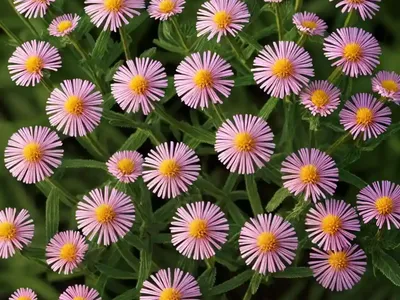
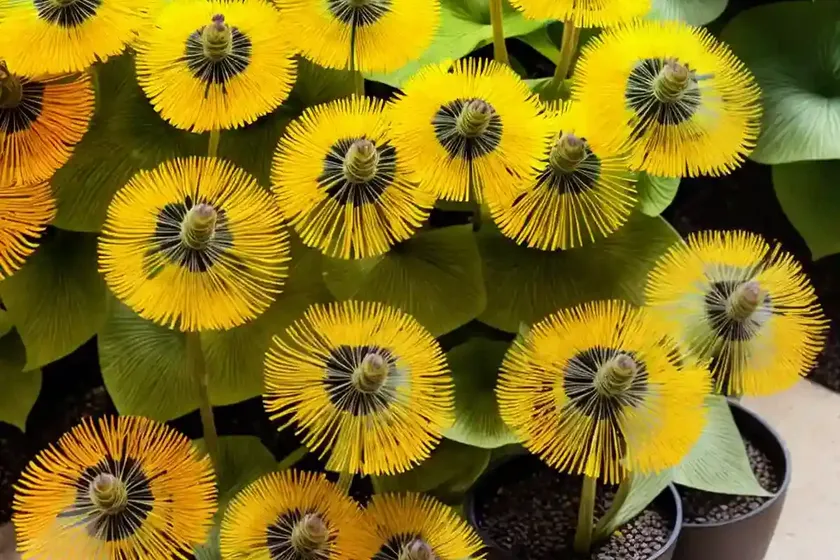
Leopard plant, Farfugium japonicum, is a perennial herbaceous plant native to Japan, Korea, and China. It is known for its large, rounded, glossy green leaves that often feature distinctive spots or patterns resembling the rosettes of a leopard, hence its common name. This unique foliage makes it a sought-after addition to shady or woodland gardens, where it can significantly contribute to the visual appeal of the landscape.
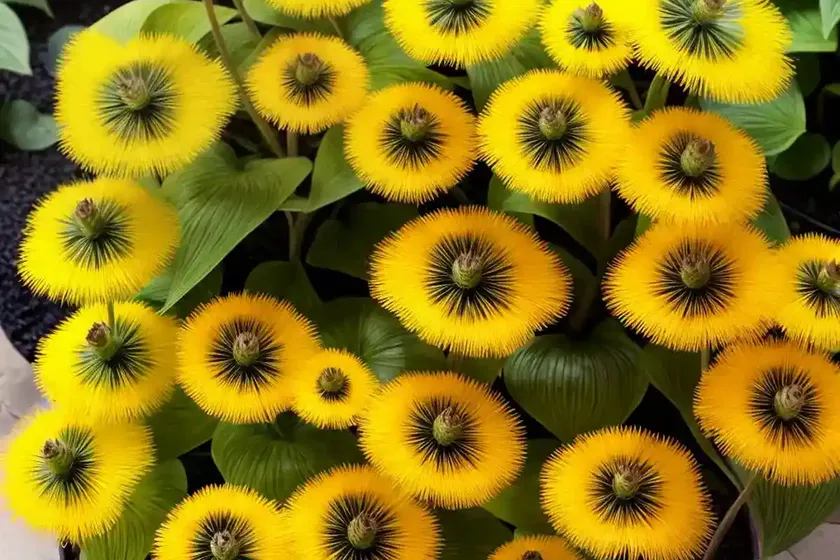
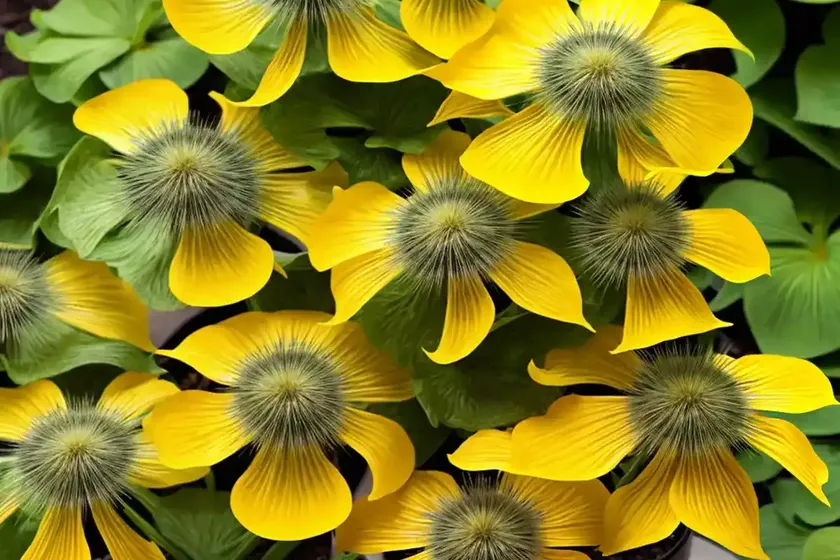
The plant typically reaches a height of 1 to 2 feet and produces clusters of small, daisy-like yellow flowers in late fall or early winter. These blooms add a delightful touch of color to the plant, further enhancing its aesthetic appeal. Leopard plant belongs to the same family as the popular ornamental groundcover, Ligularia, and shares some similarities in terms of cultural requirements.
Key Takeaways – Leopard Plant (Farfugium japonicum)
Culture
- Hardiness Zones: Leopard plant is best suited for hardiness zones 7 to 10, where it can thrive in favorable conditions.
- Growth Habit: It exhibits a spreading, clump-forming growth habit, with its large leaves and unique foliage patterns taking center stage.
- Landscape Use: Due to its attractive appearance, leopard plant is often used as a focal point in shaded borders, woodland gardens, or as a container plant in shaded patios or decks.
Uses
- Ornamental Value: Leopard plant is primarily grown for its stunning foliage, which can add depth and texture to various garden settings.
- Shade Gardens: Its preference for shady conditions makes it a valuable addition to landscapes with limited sunlight.
- Ground Cover: When planted in groups, leopard plant can function as a ground cover in shaded areas, forming an appealing carpet of foliage.
Water
- Watering Frequency: Leopard plant prefers consistently moist soil, especially during the growing season. However, it is crucial to avoid waterlogging, as excessively wet conditions can lead to root rot.
- Hydration Needs: Regular watering is essential to keep the soil evenly moist, particularly during periods of drought or extreme heat.
Sunlight
- Light Requirements: Leopard plant thrives in partial to full shade and should be shielded from direct afternoon sun or intense sunlight, which can scorch its delicate leaves.
Fertilizer
- Feeding Schedule: Applying a balanced, slow-release fertilizer in spring can promote healthy growth and vibrant foliage. Be cautious not to over-fertilize, as excessive nutrients can lead to issues such as leaf burn.
Soil
- Preferred Soil Type: Well-draining, humus-rich soil is ideal for leopard plant cultivation, providing the necessary nutrients while preventing waterlogged conditions.
- Soil pH: It thrives in slightly acidic to neutral soil, with a pH range of 6.0 to 7.0 being optimal for its growth.
Pruning
- Maintenance Pruning: Regular removal of damaged or withered leaves can enhance the overall appearance of the plant and prevent the spread of diseases.
- Deadheading: Removing spent flower heads can promote continuous blooming and tidiness in the garden.
Propagation
- Propagation Methods: Leopard plant can be propagated through division or by taking stem cuttings, offering opportunities for expanding plantings or sharing with others.
- Division Timing: The best time to divide the plant is in early spring, before active growth resumes.
Container Popularity
- Container Gardening: Its compact size and tolerance for shaded conditions make leopard plant an excellent choice for container gardening, where it can bring elegance to shaded patios, balconies, or indoor spaces.
- Container Requirements: Ensure proper drainage in the container and choose a soil mix that retains moisture without becoming waterlogged.
Common Diseases
- Leaf Spot: Leaf spot diseases can occur, characterized by the development of dark, irregular spots on the leaves, often caused by fungal pathogens.
- Root Rot: Soggy or poorly-drained soil can lead to root rot, detrimental to the plant’s health if not addressed promptly.
Disease Diagnosis
- Visual Symptoms: Knowing how to identify common diseases by inspecting the leaves and overall plant appearance can aid in rapid diagnosis and timely treatment.
- Treatment Options: Implementing appropriate cultural practices and using fungicides, if necessary, can help manage and prevent disease outbreaks.
Common Pests
- Slug and Snail Damage: These pests can create unsightly holes in the leaves of the leopard plant, particularly in moist, shaded environments.
- Aphid Infestations: Aphids may sometimes target the plant, sucking sap and causing distortion or discoloration of the leaves.
Botanist’s Tips
- Mulching: Applying a layer of organic mulch around the base of the plant can help retain soil moisture, regulate temperature, and suppress weed growth.
- Companion Planting: Pairing leopard plant with other shade-loving species can create visually appealing combinations and promote biodiversity in the garden.
Fun Facts
- Cultural Significance: Leopard plant holds cultural significance in traditional Japanese gardens, where it has been cultivated for centuries and valued for its striking foliage.
- Symbolism: In folklore, the unique leaf patterns of the plant are believed to bring luck and prosperity, contributing to its enduring popularity in various cultural contexts.
Links to External Resources
For additional information on leopard plant (Farfugium japonicum) and related topics, the following resources offer valuable insights:
- Gardening Know How – Leopard Plant Care: How To Grow A Leopard Plant
- The Spruce – Tips for Growing Leopard Plants
- American Meadows – Leopard Plant: A Garden Favorite for Shade Gardens
In this comprehensive guide, we have explored the cultural requirements, uses, and care tips for leopard plant (Farfugium japonicum), shedding light on its distinctive characteristics and how to maximize its ornamental potential in various garden settings. By understanding its water, sunlight, soil, and fertilization needs, as well as how to address potential diseases and pests, gardeners can cultivate thriving specimens that add visual interest to their landscapes. Whether used as a ground cover, container plant, or focal point in the shade garden, leopard plant is a versatile and captivating species that has much to offer to plant enthusiasts and landscape aficionados alike.