Lemongrass (Cymbopogon Citratus)
Lemongrass (Cymbopogon citratus) is a tropical perennial plant from the Poaceae grass family. Known for its distinct lemon flavor and aroma, this versatile.


Lemongrass (Cymbopogon citratus) is a tropical perennial plant from the Poaceae grass family. Known for its distinct lemon flavor and aroma, this versatile herb is cherished for its culinary, medicinal, and ornamental uses. In this comprehensive guide, we will explore the various facets of Lemongrass, including its culture, uses, care, and fascinating properties.
What is Lemongrass (Cymbopogon citratus)?
Lemongrass, botanically known as Cymbopogon citratus, is a tall, perennial grass that is native to the tropical regions of Asia, particularly India and Sri Lanka. It is commonly cultivated in countries with warm, humid climates and is prized for its culinary and medicinal properties.
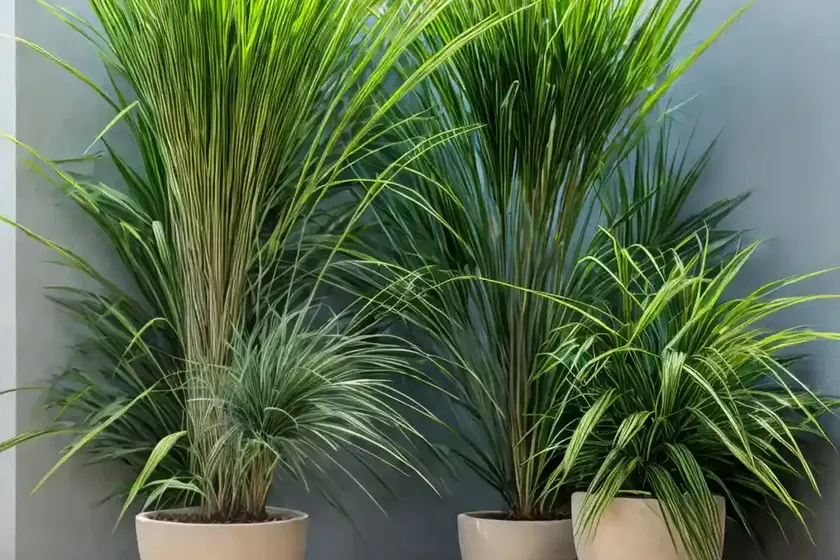
Lemongrass is characterized by its slender, grassy leaves and a strong, citrus-like fragrance. It is widely used in Asian cuisine for its distinct lemon flavor, and its essential oil is a popular ingredient in aromatherapy and skincare products.
Key Takeaways – Lemongrass (Cymbopogon citratus)
Before delving into the various aspects of Lemongrass, let’s summarize its key takeaways:
- Lemongrass, scientifically known as Cymbopogon citratus, is a tropical perennial plant prized for its culinary and medicinal uses.
- It possesses a strong lemon flavor and fragrance, making it a popular ingredient in various cuisines and aromatherapy products.
- Lemongrass is valued for its health benefits, including its potential to aid in digestion, relieve stress, and promote relaxation.
- The plant requires a warm, sunny environment and well-drained soil for optimal growth.
- It can be propagated through division and is well-suited for cultivation in containers.
Now, let’s explore the various aspects of Lemongrass, including its culture, uses, care, and more in detail.
Culture
Cultivating Lemongrass requires attention to environmental conditions, soil quality, and maintenance practices. Understanding the cultural requirements of Lemongrass is essential for successfully growing and harnessing the potential benefits of this versatile plant.
Water
Lemongrass thrives in moist but well-drained soil. When establishing young plants, regular watering is crucial to support their growth and establishment. However, it is important to avoid waterlogging, which can lead to root rot and other issues. Once established, mature Lemongrass plants exhibit some tolerance to drought, but they still benefit from consistent moisture, especially during hot and dry periods.
Sunlight
Ample sunlight is essential for the optimal growth of Lemongrass. It thrives in full sun and requires at least 6-8 hours of direct sunlight daily. When grown in a shaded location, Lemongrass may become leggy and produce fewer leaves, compromising its overall vigor and flavor profile.
Fertilizer
Lemongrass benefits from periodic fertilization to support its growth and productivity. A balanced, slow-release fertilizer applied during the growing season can provide the essential nutrients required for healthy foliage and robust growth. However, excessive fertilization should be avoided, as it can lead to lush, tender growth that may be more susceptible to pests and diseases.
Soil
Well-drained, fertile soil is paramount for Lemongrass cultivation. It thrives in loamy, sandy, or sandy loam soils with a slightly acidic to neutral pH (6.0-7.5). Good soil drainage helps prevent waterlogging, which can be detrimental to the plant’s health. Additionally, incorporating organic matter into the soil can improve its structure and fertility, creating an ideal growing medium for Lemongrass.
Uses
Lemongrass is renowned for its diverse array of uses, ranging from culinary applications to medicinal and ornamental purposes. Its versatility and distinct flavor make it a valuable addition to various aspects of daily life.
Culinary Uses
In culinary contexts, Lemongrass is celebrated for its unique citrusy flavor and aroma. It is a staple ingredient in Southeast Asian cuisines, where it is used to infuse soups, curries, stir-fries, and marinades with its distinctive lemony essence. Lemongrass is often finely chopped or bruised to release its essential oils, imparting a refreshing, zesty flavor to dishes.
Lemongrass Recipes
Lemongrass adds a delightful twist to a wide range of recipes. Whether used in savory dishes, beverages, or desserts, its bright and citrusy notes elevate the culinary experience. Here are some popular Lemongrass-infused recipes:
- Lemongrass Chicken Curry
- Lemongrass Coconut Soup
- Lemongrass Shrimp Stir-fry
- Lemongrass-infused Iced Tea
- Lemongrass Sorbet
Medicinal Uses
Lemongrass possesses a myriad of health benefits and has been traditionally used in herbal medicine for its therapeutic properties. From aiding digestion to promoting relaxation, Lemongrass offers a natural approach to wellness. Its essential oil is particularly valued for its aromatherapeutic and skincare applications.
Health Benefits of Lemongrass
- Aids in digestion and alleviates digestive issues such as bloating and indigestion
- Calming and stress-relieving properties that promote relaxation
- Antioxidant and anti-inflammatory properties that support overall health
- Potential antimicrobial and antifungal properties
- Rich in essential vitamins and minerals
Lemongrass can be consumed as a tea, used topically in the form of essential oil, or incorporated into herbal remedies to harness its health-promoting effects.
Ornamental and Aromatherapeutic Uses
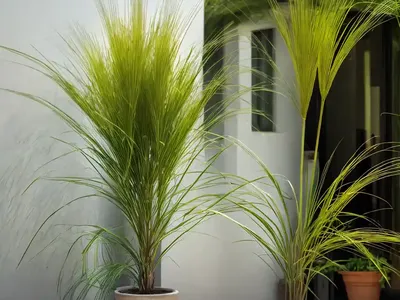
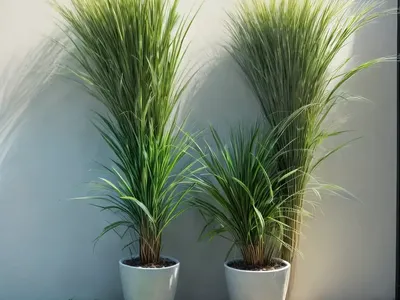
Beyond its culinary and medicinal uses, Lemongrass also serves as an ornamental plant valued for its graceful appearance and captivating fragrance. Its slender, arching foliage and citrusy scent make it an appealing addition to gardens, patios, and indoor spaces. Additionally, Lemongrass essential oil is widely utilized in aromatherapy for its energizing and mood-lifting properties.
Plant Care
Taking care of Lemongrass involves attention to its specific requirements, including pruning, propagation, and disease management. By providing the proper care, gardeners can ensure the plant’s vigor and productivity.
Pruning
Pruning Lemongrass is essential for maintaining its vitality and managing its size. Periodic pruning helps encourage fresh growth, enhances air circulation, and prevents the plant from becoming unruly. When pruning Lemongrass, it is important to remove any dried or yellowed leaves, as well as any dead or damaged stalks. This promotes the plant’s overall health and aesthetics.
Propagation
Lemongrass can be propagated through division, making it relatively easy to expand an existing plant or share it with others. When dividing Lemongrass, it is advisable to use a sharp, clean tool to cut through the root ball, ensuring that each division has several stalks and a healthy root system. The divisions can then be replanted in a suitable location, where they can establish and thrive.
Container Cultivation
Lemongrass is well-suited for cultivation in containers, making it an excellent option for gardeners with limited outdoor space or those looking to control its growth. When growing Lemongrass in containers, it is important to choose a sizeable pot with adequate drainage holes to prevent waterlogging. Additionally, regular watering and occasional fertilization can support the plant’s growth and productivity in a container environment.
Popularity
Lemongrass has garnered considerable popularity not only for its distinctive culinary and aromatic qualities but also for its versatile health benefits. From its traditional use in Southeast Asian cuisines to its prevalence in holistic wellness practices, Lemongrass has carved a niche for itself as a prized botanical resource.
Culinary Popularity
Lemongrass has made its mark on the global culinary scene, with chefs and home cooks alike embracing its unique flavor profile. Its citrusy, herbal notes add depth and complexity to dishes, making it a sought-after ingredient in diverse culinary traditions. Whether used in soups, curries, teas, or desserts, Lemongrass contributes a refreshing and invigorating essence to recipes.
Lemongrass Varieties
While Cymbopogon citratus is the most commonly cultivated Lemongrass species, there are other related varieties that offer similar aromatic and flavor profiles. Some popular Lemongrass varieties include:
- East-Indian Lemongrass (Cymbopogon flexuosus)
- West-Indian Lemongrass (Cymbopogon citratus)
- African Lemongrass (Cymbopogon citratus subsp. citratus)
Each variety exhibits subtle differences in fragrance and flavor, allowing for nuanced culinary and aromatic applications.
Holistic Wellness Popularity
Lemongrass has gained recognition in the realm of holistic wellness, where its natural properties are harnessed for various health and wellness purposes. Whether used in the form of herbal teas, essential oils, or topical remedies, Lemongrass offers a holistic approach to promoting overall well-being. Its role in aromatherapy, skincare, and herbal medicine has contributed to its rising popularity in wellness circles.
Common Diseases
While Lemongrass is generally a robust and resilient plant, it is susceptible to certain diseases and pests that can affect its growth and vitality. Identifying and addressing common diseases is crucial for maintaining the plant’s health and productivity.
Disease Diagnosis
Several common diseases can impact Lemongrass, manifesting in symptoms such as discoloration, wilting, and stunted growth. Some prevalent diseases that affect Lemongrass include:
-
Leaf Blight: Characterized by the appearance of dark, water-soaked lesions on the leaves, often leading to their discoloration and deterioration.
-
Fungal Diseases: Various fungal pathogens can affect Lemongrass, causing symptoms such as leaf spots, powdery mildew, and damping-off.
-
Rust: Rust infections result in the development of reddish-brown pustules on the leaves, leading to defoliation and reduced vigor.
Regular inspection and prompt intervention are vital for preventing the spread of diseases and safeguarding the plant’s health.
Common Pests
In addition to diseases, Lemongrass is also susceptible to infestations by various pests that can impact its growth and overall well-being. Identifying and addressing common pests is essential for maintaining a healthy Lemongrass crop.
Pest Identification
Some common pests that pose a threat to Lemongrass include:
-
Aphids: These small, sap-sucking insects can cluster on the leaves and stems of Lemongrass, causing wilting and deformation.
-
Grasshoppers: Feeding damage from grasshoppers can result in ragged, chewed leaves and compromised plant vigor.
-
Scale Insects: Scale insects can attach themselves to the stems and leaves of Lemongrass, draining the plant’s vital fluids and impeding its growth.
Effective pest management strategies, such as manual removal, insecticidal soaps, or natural predators, can help mitigate pest infestations and protect Lemongrass from damage.
Botanist’s Tips
Based on the cultural, culinary, and health-related aspects of Lemongrass, here are some valuable tips from a botanist’s perspective to ensure the successful cultivation and utilization of this remarkable plant:
- Optimal Growing Conditions: Provide Lemongrass with a warm, sunny environment, well-drained soil, and consistent moisture to support its growth and development.
- Culinary Applications: Experiment with Lemongrass in a variety of culinary recipes, from savory dishes to beverages and desserts, to experience its diverse flavor profile.
- Health and Wellness: Explore the medicinal and aromatherapeutic uses of Lemongrass, incorporating it into herbal teas, skincare products, and holistic wellness routines.
- Disease and Pest Management: Monitor Lemongrass for signs of diseases and pests, intervening promptly to mitigate their impact and protect the plant’s health.
Fun Facts
Discover some intriguing and delightful facts about Lemongrass that underscore its cultural significance and botanical allure:
- Lemongrass is a staple ingredient in traditional Thai, Vietnamese, and Indian cuisines, known for adding a distinct citrusy flavor and aroma to dishes.
- In some cultures, Lemongrass is used as a natural insect repellent, owing to its aromatic compounds that deter pests.
- Lemongrass essential oil is widely utilized in aromatherapy for its uplifting and energizing qualities, making it a popular choice for promoting relaxation and mental clarity.
Links to External Resources
For further exploration of Lemongrass and its diverse applications, here are some valuable external resources:
- Lemongrass Benefits and Uses in Culinary and Wellness Practices
- Health Benefits of Lemongrass: From Stress Relief to Digestive Support
- Lemongrass Essential Oil: Aromatherapeutic and Skincare Applications
In conclusion, Lemongrass (Cymbopogon citratus) stands as a captivating and multi-faceted plant, offering a compelling blend of culinary, medicinal, aromatic, and ornamental attributes. Its lemony essence and diverse applications make it a cherished resource in various cultural and wellness contexts, enriching both the culinary landscape and holistic well-being practices. Whether incorporated into savory dishes, herbal remedies, or aromatherapeutic products, Lemongrass contributes a vibrant and refreshing dimension to our lives, embodying the remarkable synergy of flavor, fragrance, and wellness benefits.