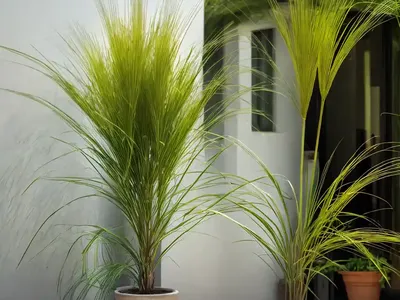
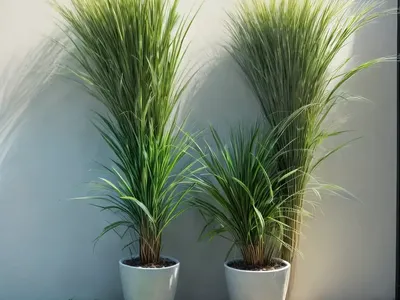
Cymbopogon Nardus (Citronella) (Cymbopogon Nardus)
Cymbopogon Nardus, commonly known as Citronella, is a fragrant and versatile plant that has been valued for its various uses for centuries. From its.
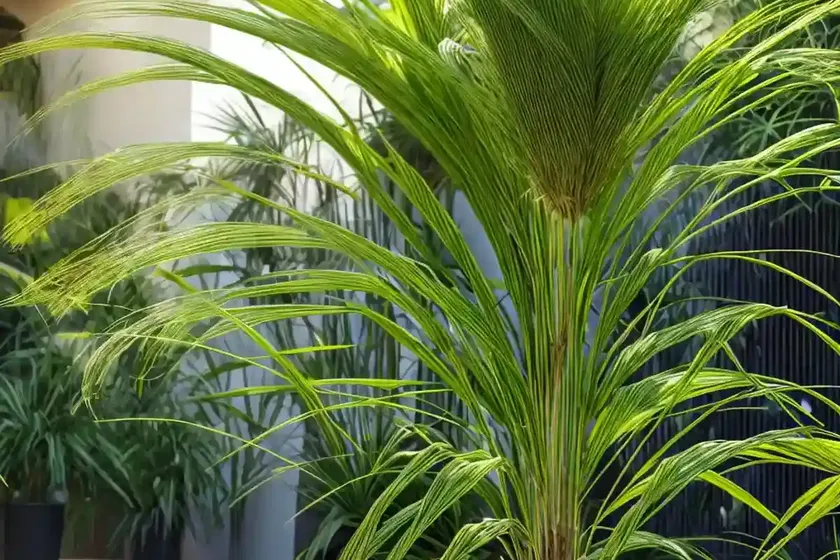
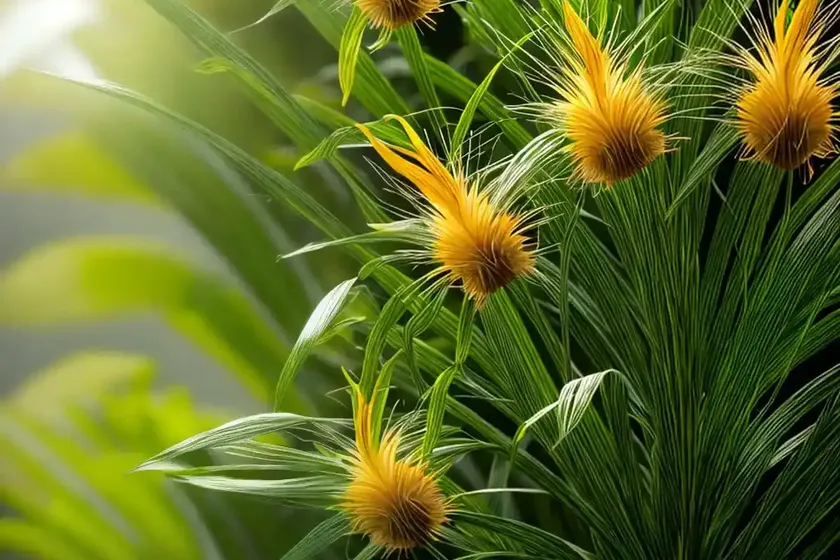

Cymbopogon Nardus, commonly known as Citronella, is a fragrant and versatile plant that has been valued for its various uses for centuries. From its natural insect-repelling properties to its medicinal and aromatic benefits, Cymbopogon Nardus has found its place in gardens, households, and industries around the world. In this comprehensive guide, we will delve into the various aspects of Cymbopogon Nardus, including its culture, uses, care requirements, propagation, common diseases and pests, and more.
What is Cymbopogon Nardus (Citronella)?
Cymbopogon Nardus, also known as Citronella Grass, is a perennial grass species belonging to the Poaceae family. Originating from Southeast Asia, particularly Sri Lanka, Cymbopogon Nardus is now cultivated in various tropical regions across the globe for its aromatic and practical properties.
The plant is characterized by its tall, slender stems and long, narrow leaves. It emits a strong citrus scent when the leaves are crushed or rubbed, which is one of its most notable features. This distinctive fragrance is due to the presence of natural compounds in the plant, particularly citronellal and geraniol, which contribute to its insect-repelling properties and make it a popular choice for natural pest control.
Key Takeaways – Cymbopogon Nardus (Citronella)
Before we delve into the specifics of cultivating and caring for Cymbopogon Nardus, let’s take a look at some key takeaways that highlight the plant’s significance and utility:
- Cymbopogon Nardus, commonly known as Citronella, is a fragrant grass species with notable insect-repelling properties.
- The plant is valued for its uses in natural insect control, aromatherapy, traditional medicine, and culinary applications.
- Growing and caring for Cymbopogon Nardus requires attention to its water, sunlight, fertilizer, soil, and pruning needs.
- The plant can be propagated through division or from seeds, making it accessible for home gardeners and commercial growers alike.
- While relatively low-maintenance, Cymbopogon Nardus is susceptible to certain diseases and pests, which can be managed through proper care and preventative measures.
Now, let’s explore the various aspects of Cymbopogon Nardus in detail, ranging from its cultural requirements to its practical applications and more.
Cultivation of Cymbopogon Nardus
Water
Cymbopogon Nardus thrives in moist, well-draining soil and requires regular watering to support its growth and resilience. While the plant prefers consistently moist conditions, it is important to avoid waterlogged soil, as this can lead to root rot and other issues.
Watering Tips:
– Water the plant deeply when the top inch of the soil feels dry to the touch.
– Aim to keep the soil consistently moist, especially during periods of active growth and warm weather.
– Avoid overwatering, as this can lead to root rot and fungal diseases.
Sunlight
In its natural habitat, Cymbopogon Nardus thrives in full sun to partial shade, making it adaptable to a range of light conditions. When grown in regions with intense sunlight, the plant benefits from some afternoon shade to prevent stress and sunburn on the leaves.
Sunlight Requirements:
– Place the plant in a location that receives at least 6-8 hours of sunlight per day.
– If grown in hot climates, provide partial shade during the hottest part of the day to protect the plant from excessive heat and sun exposure.
Fertilizer
While not overly demanding in terms of fertility, Cymbopogon Nardus benefits from occasional fertilization to support its growth and overall health. A balanced, slow-release fertilizer can provide the necessary nutrients for the plant’s development.
Fertilization Guidelines:
– Apply a balanced fertilizer, such as a 10-10-10 formula, in the early spring as new growth begins.
– Use a slow-release fertilizer to provide a steady supply of nutrients over an extended period.
– Avoid over-fertilization, as this can lead to excessive foliage growth at the expense of essential oils and fragrances.
Soil
Cymbopogon Nardus thrives in well-draining, loamy soil with a slightly acidic to neutral pH. The soil should have good aeration and moisture retention capabilities to support the plant’s root system and overall vigor.
Soil Requirements:
– Choose a well-draining potting mix or amend the garden soil with organic matter to improve its structure and drainage.
– Aim for a slightly acidic to neutral pH range (6.0-7.5) for optimal nutrient uptake.
– Ensure that the soil retains moisture without becoming waterlogged, as excessive moisture can lead to root problems.
Pruning Cymbopogon Nardus
Proper pruning helps to maintain the vigor and form of Cymbopogon Nardus while encouraging new growth and essential oil production. Regular pruning also helps to manage the plant’s size and prevent it from becoming overly dense or unruly.
Pruning Guidelines:
– Trim the plant’s stems and foliage throughout the growing season to maintain its shape and encourage bushier growth.
– Remove any dead or yellowing leaves to promote air circulation and prevent the spread of diseases.
– Harvest the leaves for aromatic and medicinal uses, promoting new growth and enhancing the plant’s fragrance.
Propagation of Cymbopogon Nardus
Cymbopogon Nardus can be propagated through various methods, including division, seed propagation, and cuttings. Each approach offers its own advantages and considerations, allowing growers to choose the most suitable option based on their preferences and resources.
Propagation Methods:
– Division: Divide mature clumps of Cymbopogon Nardus in the spring, ensuring that each division has an adequate root system and several stems. Replant the divisions in prepared soil and keep them well-watered until they establish themselves.
– Seed Propagation: Sow Cymbopogon Nardus seeds in a well-draining seed-starting mix and provide warmth and moisture for germination. Transplant the seedlings to individual pots once they develop several sets of true leaves.
– Cuttings: Take stem cuttings from healthy, mature Cymbopogon Nardus plants and root them in a suitable rooting medium. Keep the cuttings consistently moist and provide indirect light until they develop roots.
Container Popularity of Cymbopogon Nardus
Cymbopogon Nardus is highly popular for container gardening, allowing individuals with limited space or challenging outdoor conditions to cultivate this versatile plant. When grown in containers, it is essential to provide the plant with the appropriate growing medium, water, sunlight, and fertilization to support its growth and fragrance production.
Benefits of Container Cultivation:
– Enables individuals with limited space to enjoy the benefits of Cymbopogon Nardus.
– Facilitates greater control over the plant’s growing conditions, including soil quality, moisture levels, and sunlight exposure.
– Provides the flexibility to move the plant to more suitable locations as needed, particularly in regions with fluctuating weather conditions.
Common Diseases of Cymbopogon Nardus
Despite its resilience, Cymbopogon Nardus is susceptible to certain diseases that can impact its overall health and vigor. Recognizing the signs of common diseases and implementing appropriate management strategies is crucial for protecting the plant from detrimental effects.
Common Diseases:
1. Leaf Spot: Characterized by the presence of circular, water-soaked spots on the leaves, leaf spot can lead to discoloration and premature leaf drop. Ensure proper air circulation and avoid overhead watering to prevent the development and spread of leaf spot.
2. Rust: Rust infections manifest as small, reddish-brown pustules on the lower surfaces of the leaves. Remove and dispose of infected plant material to prevent the spread of rust, and consider fungicidal treatments if the problem persists.
3. Root Rot: Excessive soil moisture can lead to the development of root rot, causing the plant to exhibit wilting, yellowing foliage, and stunted growth. Improve drainage and avoid overwatering to mitigate the risk of root rot.
Disease Diagnosis and Management
Diagnosing and managing diseases in Cymbopogon Nardus involves careful observation of the plant’s symptoms, prompt intervention, and cultural adjustments to create an environment that is less conducive to disease development.
Diagnosis and Management Strategies:
– Regularly inspect the plant for signs of disease, including spots, lesions, and unusual discoloration.
– Practice good sanitation by removing and disposing of affected plant parts to prevent the spread of pathogens.
– Adjust cultural practices, such as watering, fertilization, and pruning, to promote the plant’s overall vigor and resilience.
Common Pests Affecting Cymbopogon Nardus
While Cymbopogon Nardus is prized for its insect-repelling properties, it is not immune to pest infestations. Several common pests can impact the plant, including aphids, spider mites, and grasshoppers, which can diminish its aesthetic appeal and vitality if left unchecked.
Common Pests:
1. Aphids: Small, soft-bodied insects that cluster on the undersides of leaves, aphids can cause stunted growth and distorted foliage. Use a strong jet of water to dislodge aphids from the plant, or apply insecticidal soap as needed.
2. Spider Mites: These tiny arachnids can cause stippling and webbing on the leaves, leading to reduced photosynthetic activity and overall decline. Use insecticidal soap or horticultural oil to manage spider mite infestations, ensuring thorough coverage of the foliage.
3. Grasshoppers: Large, jumping insects that can consume significant portions of the plant’s foliage, causing visible damage and reduced vigor. Physical barriers and traps can help deter grasshoppers, while insecticidal treatments may be necessary for severe infestations.
Botanist’s Tips for Cymbopogon Nardus
As a plant scientist with a passion for Cymbopogon Nardus, I have gathered several key tips that can help enthusiasts and growers maximize the success and benefits of cultivating this versatile plant.
Botanist’s Tips:
– Prune Regularly: Keep the plant well-maintained through regular pruning to manage its size and encourage new growth.
– Harvest Thoughtfully: When harvesting leaves for aromatic or medicinal purposes, ensure that you leave enough foliage for the plant to sustain its growth and essential oil production.
– Monitor Growing Conditions: Pay close attention to the plant’s water, sunlight, and soil requirements, making necessary adjustments to optimize its growing environment.
Fun Facts about Cymbopogon Nardus
To further appreciate the unique qualities of Cymbopogon Nardus, here are some intriguing and fun facts about the plant:
- The name “Citronella” is derived from the French word “citronnelle,” which means “lemon balm,” reflecting the plant’s citrus-like fragrance.
- Cymbopogon Nardus has been traditionally used in various cultures for its insect-repelling properties, particularly in candles, incense, and as a natural skin protectant.
- In addition to its pest-repelling qualities, Cymbopogon Nardus is valued in aromatherapy for its calming and invigorating effects, making it a popular choice for essential oil blends.
Links to External Resources
For further information on Cymbopogon Nardus, its uses, cultivation, and practical applications, consider exploring the following external resources:
- Cymbopogon Nardus Essential Oil Extraction Techniques
- DIY Mosquito Repellent Using Citronella Plant
- Cymbopogon Nardus in Natural Cosmetics
In conclusion, Cymbopogon Nardus, or Citronella, stands as a remarkable plant with a multitude of practical and aromatic benefits. Whether utilized as a natural insect repellent, a source of essential oils, or a decorative addition to gardens and outdoor spaces, the plant continues to captivate individuals with its versatility and allure. By understanding its cultural requirements, uses, and potential challenges, growers can harness the full potential of Cymbopogon Nardus and appreciate its many contributions to horticulture, traditional medicine, and beyond.