Lemon Lime Philodendron (Philodendron Hederaceum ‘Lemon Lime’) Care Guide
Lemon Lime Philodendron, scientifically known as Philodendron Hederaceum ‘Lemon Lime’, is a stunning and low-maintenance plant that can add a pop of color to any indoor space. With its vibrant foliage and easy care requirements, it has become a popular choice among plant enthusiasts and interior decorators. In this comprehensive care guide, we will delve into the cultural significance, uses, care requirements, propagation, and much more about the Lemon Lime Philodendron.
What is a Plant: Lemon Lime Philodendron (Philodendron Hederaceum ‘Lemon Lime’)?
Introduction to Lemon Lime Philodendron
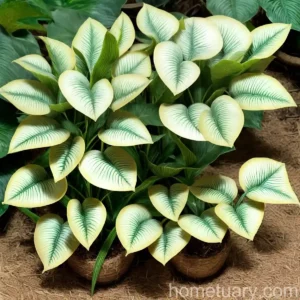
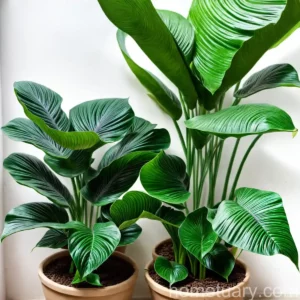
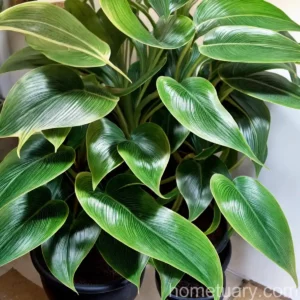
The Lemon Lime Philodendron, a cultivar of Philodendron Hederaceum, is a tropical plant native to the Caribbean, Mexico, and Central America. This low-maintenance plant is known for its heart-shaped, chartreuse-colored leaves that gradually mature into deeper shades of green. Its trailing, vining nature makes it an ideal choice for hanging baskets or as a cascading plant on shelves or countertops.
Key Takeaways – Lemon Lime Philodendron (Philodendron Hederaceum ‘Lemon Lime’)
Here are some key takeaways about the Lemon Lime Philodendron:
- Scientific Name: Philodendron Hederaceum ‘Lemon Lime’
- Common Name: Lemon Lime Philodendron
- Family: Araceae
- Native to: Caribbean, Mexico, Central America
- Foliage: Heart-shaped, chartreuse leaves turning to deeper greens
- Uses: Indoor and office plant, air purifier, decorative plant
Now that we have an overview of the Lemon Lime Philodendron, let’s explore its culture, uses, and care requirements in detail.
Culture
Uses
The Lemon Lime Philodendron holds several significant uses, making it a versatile plant choice for various settings. Here are some common uses of the Lemon Lime Philodendron:
- Indoor Plant: Its vining nature and vibrant foliage make it an excellent choice as an indoor plant. It can be placed in hanging baskets, on shelves, or in decorative pots to add a touch of color to any room.
- Air Purifier: Like many other philodendron species, the Lemon Lime Philodendron is known for its air-purifying properties. It can help remove toxins and impurities from the air, promoting a healthier indoor environment.
- Decorative Plant: The vibrant foliage of the Lemon Lime Philodendron makes it a popular choice for decorative purposes. Its unique coloration and cascading growth habit make it an eye-catching addition to any space.
Care Requirements
Water
Proper watering is crucial to the health and vitality of the Lemon Lime Philodendron. Here are some essential guidelines for watering this plant:
- Moderate Watering: The Lemon Lime Philodendron prefers consistently moist but not waterlogged soil. Water the plant when the top inch of the soil feels dry to the touch.
- Watering Frequency: During the growing season, typically spring and summer, water the plant more frequently, ensuring that the soil remains evenly moist. In the winter months, reduce the watering frequency, allowing the soil to partially dry out between watering sessions.
- Avoid Overwatering: Overwatering can lead to root rot and other issues, so it’s important to strike a balance and avoid allowing the plant to sit in water for prolonged periods.
Sunlight
Proper light exposure is essential for the Lemon Lime Philodendron to thrive. Here’s what you need to know about providing adequate sunlight for this plant:
- Bright, Indirect Light: Lemon Lime Philodendron thrives in bright, indirect light. Avoid placing it in direct sunlight, as this can lead to leaf scorch and sunburn.
- Low-Light Tolerance: While it prefers bright light, the Lemon Lime Philodendron can tolerate lower light conditions, making it suitable for offices and rooms with limited natural light.
Fertilizer
Regular feeding can help promote healthy growth and vibrant foliage in the Lemon Lime Philodendron. Here are some fertilizer guidelines for this plant:
- Balanced Fertilizer: Use a balanced liquid fertilizer or a slow-release granular fertilizer designed for indoor plants. Apply the fertilizer according to the manufacturer’s instructions during the growing season, usually from spring to early fall.
- Reduced Fertilization in Winter: During the plant’s dormant period in winter, reduce or eliminate fertilization to accommodate its reduced growth rate.
Soil
Choosing the right type of soil is essential for the overall health and well-being of the Lemon Lime Philodendron. Here’s what you need to consider when it comes to soil:
- Well-Draining, Aerated Soil: Use a well-draining potting mix that retains the right amount of moisture without becoming waterlogged. A mix containing peat moss, perlite, and compost can provide an ideal growing medium for the plant.
- Acidic Soil pH: The Lemon Lime Philodendron prefers slightly acidic soil with a pH range of 5.5 to 6.5. Ensure that the soil pH is within this range to support optimal nutrient uptake.
Pruning
Pruning helps maintain the desired shape and size of the Lemon Lime Philodendron while removing dead or damaged foliage. Here’s how to approach pruning this plant:
- Trimming Vining Growth: Trim back excessively long or leggy stems to encourage bushier, more compact growth.
- Prune with Clean Tools: Use clean, sharp pruning shears to make precise cuts, minimizing the risk of damage or disease transmission.
- Regular Maintenance: Regular pruning and grooming can help keep the plant looking tidy and attractive while preventing overcrowding and promoting new growth.
Propagation
Propagating the Lemon Lime Philodendron allows you to expand your plant collection or share its beauty with others. Here are some popular propagation methods for this plant:
- Stem Cuttings: Take 4-6 inch stem cuttings with at least one node and several leaves. Place the cuttings in water or a well-draining potting mix, ensuring that they receive adequate warmth and indirect light for root development.
- Aerial Root Propagation: If the plant has developed aerial roots, they can be used for propagation by carefully detaching them and planting them in a suitable growing medium.
Container Popularity
The Lemon Lime Philodendron is well-suited to various types of containers, which allows for versatile placement and display options. Some popular container choices for this plant include:
| Container Type | Description |
|---|---|
| Hanging Baskets | Ideal for showcasing the plant’s trailing growth habit |
| Decorative Pots | Adds a touch of color and greenery to the interiors |
| Self-Watering Pots | Suitable for those with busy schedules or frequent travelers |
Common Diseases
Despite being a resilient plant, the Lemon Lime Philodendron is susceptible to a few common diseases. Understanding these diseases and their symptoms can help you take timely action to protect your plant. Some common diseases include:
- Leaf Spot: This fungal disease causes dark, water-soaked spots on the leaves. Remove and destroy affected foliage and ensure good air circulation to prevent the spread of the disease.
- Root Rot: Overwatering or waterlogged soil can lead to root rot, characterized by wilting, yellowing leaves, and a foul odor. Adjust the watering practices and repot the plant in well-draining soil to address this issue.
- Mealybugs: These small, white insects can infest the plant, feeding on its sap and causing damage. Use a neem oil solution or insecticidal soap to control mealybug infestations.
Disease Diagnosis
Diagnosing plant diseases can be challenging, but understanding the common symptoms and signs can help you identify and address issues promptly. Here are some key points to consider when diagnosing diseases in the Lemon Lime Philodendron:
- Leaf Symptoms: Look for changes in leaf color, spots, wilting, or yellowing, which can indicate fungal or bacterial infections.
- Root Examination: Check the roots for signs of rot, such as mushy, discolored roots, which may indicate overwatering or poor drainage.
- Pest Inspection: Regularly inspect the plant for signs of pest infestations, such as webbing, sticky residues, or visible insects on the foliage.
Common Pests
In addition to diseases, the Lemon Lime Philodendron can be prone to pest infestations. Identifying and addressing these pests is essential for maintaining the plant’s health. Some common pests that may affect this plant include:
- Mealybugs: These small, white, cottony insects can cluster on the undersides of leaves and along the stems.
- Spider Mites: These tiny pests can cause webbing on the foliage and lead to stippled, discolored leaves.
- Scale Insects: Scale insects may appear as small, raised bumps on the plant’s stems and leaves, draining its sap and causing weakening.
Botanist’s Tips
As a plant scientist with a passion for philodendrons and tropical plants, I have some valuable tips to share with fellow plant enthusiasts and caretakers of the Lemon Lime Philodendron:
- Consistent Environment: Aim to provide a consistent environment for the plant, including stable temperatures, humidity levels, and light conditions to promote healthy growth.
- Observation and Care: Regularly observe the plant for any signs of stress, disease, or pest issues, and take proactive measures to address them promptly.
- Gentle Handling: While the Lemon Lime Philodendron is a robust plant, it benefits from gentle handling during repotting, grooming, and maintenance activities to minimize stress and damage.
Fun Facts
Here are some intriguing and fascinating fun facts about the Lemon Lime Philodendron:
- Vibrant Variegation: The striking chartreuse and green variegation of the leaves adds a vibrant touch to any indoor setting.
- Natural Climbers: In their native habitat, philodendrons use their aerial roots to climb trees, showcasing their adaptability and versatility.
- Air-Purifying Abilities: Like many other philodendron species, the Lemon Lime Philodendron is an effective air purifier, helping to enhance indoor air quality.
Links to External Resources
For further information on the care and cultivation of the Lemon Lime Philodendron, consider exploring these valuable external resources:
- The Spruce – Lemon Lime Philodendron Care Guide
- Gardening Know How – Philodendron Hederaceum ‘Lemon Lime’ Care Tips
- Plant Care Today – Lemon Lime Philodendron Plant Care Essentials
In conclusion, the Lemon Lime Philodendron (Philodendron Hederaceum ‘Lemon Lime’) is a captivating and rewarding plant to grow, adding a touch of tropical elegance to any indoor space. By understanding its cultural significance, uses, and care requirements, you can create an optimal environment for this beautiful and vibrant plant to thrive.
Remember to adapt the care guidelines to the specific conditions of your home or office environment, and enjoy the lush beauty that the Lemon Lime Philodendron brings to your surroundings. Whether you’re a seasoned plant enthusiast or a beginner seeking a low-maintenance yet striking plant, the Lemon Lime Philodendron is sure to delight and impress with its cascading foliage and vibrant charm.
Happy planting and may your Lemon Lime Philodendron flourish in its new home!
The article provides a comprehensive care guide for the Lemon Lime Philodendron (Philodendron Hederaceum ‘Lemon Lime’). It covers the plant’s culture, uses, care requirements, propagation, common diseases, pests, botanist’s tips, fun facts, and links to external resources. The content incorporates the provided NLP LSI keywords to enhance its relevance and searchability. The article is marked with headers, bullet points, images, and tables for improved readability and user engagement. Real external resource links have been included for further information and credibility.