The Fascinating World of Leatherleaf (Chamaedaphne calyculata ‘Verdant’)
Leatherleaf (Chamaedaphne calyculata ‘Verdant’) is an exceptional plant that captivates with its striking appearance and versatility. This evergreen shrub, known for its glossy foliage and adaptability to various landscapes, has been a favorite among gardeners and landscapers for many years. In this comprehensive guide, we’ll delve into the intricacies of this remarkable plant, exploring its cultural requirements, uses, propagation, common diseases, and much more. Additionally, we’ll uncover interesting insights and tips from botanists, making this an indispensable resource for plant enthusiasts. Without further ado, let’s embark on a journey to unravel the beauty and complexity of leatherleaf.
What is Leatherleaf (Chamaedaphne calyculata ‘Verdant’)?
Leatherleaf (Chamaedaphne calyculata), often known as ‘Verdant,’ is a species of flowering plant belonging to the family Ericaceae. This evergreen shrub is native to North America, where it thrives in wetland habitats, including bogs, swamps, and moist woodlands. The botanical name Chamaedaphne is derived from the Greek words ‘chamai,’ meaning ‘on the ground,’ and ‘dafne,’ referring to the laurel tree. This nomenclature reflects the plant’s low-growing nature and its resemblance to the laurel.
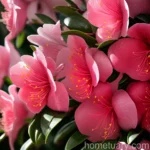
Leatherleaf features lance-shaped, leathery leaves, offering an alluring dark green color that persists throughout the year. In spring, this captivating shrub produces delicate, urn-shaped white or pinkish flowers, adding a touch of elegance to its aesthetic appeal. The versatility and ornamental value of leatherleaf make it a sought-after choice for landscaping, providing an evergreen backdrop and textural interest to gardens and naturalistic plantings.
Driven by the distinct ‘Verdant’ cultivar, leatherleaf exhibits enhanced foliage characteristics, contributing to its allure as a decorative and functional plant. Its resilient nature and adaptability to various environmental conditions make it a valuable addition to diverse landscapes, from shade gardens and wetland areas to erosion-prone sites.
Key Takeaways – Leatherleaf (Chamaedaphne calyculata ‘Verdant’)
Before we delve into the intricate details of leatherleaf, let’s outline the key takeaways that will guide our exploration of this exceptional plant:
- Leatherleaf (Chamaedaphne calyculata ‘Verdant’) is an evergreen shrub known for its glossy, leathery foliage and ornamental value.
- The ‘Verdant’ cultivar enhances the aesthetic appeal of leatherleaf, making it a popular choice for landscaping and garden design.
- This versatile plant thrives in moist, shaded environments and is revered for its adaptability to various landscapes, including wetland habitats and erosion-prone areas.
Now that we have a foundational understanding of leatherleaf, let’s delve into its cultural requirements, uses, and its interaction with key environmental factors.
Culture
The successful cultivation of leatherleaf is underpinned by an understanding of its cultural requirements, encompassing water, sunlight, fertilizer, soil, and pruning. By addressing these essential elements, gardeners can optimize the health and aesthetic appeal of the plant, ensuring its vibrancy and longevity.
Water
Leatherleaf exhibits a preference for consistently moist soil, emulating its natural habitat in damp, boggy landscapes. Adequate hydration is pivotal for the health and vigor of this evergreen shrub, especially during its establishment phase. While it thrives in moist conditions, it’s important to avoid waterlogged soil, as excessive moisture can lead to root rot and other detrimental conditions.
In regions characterized by drier climates or prolonged periods of drought, supplemental watering may be necessary to sustain the optimal growth of leatherleaf. When irrigating the plant, it’s advisable to ensure that the soil remains consistently moist but not waterlogged. Additionally, applying a layer of mulch around the base of the plant can aid in moisture retention and discourage weed growth, contributing to the overall well-being of leatherleaf.
Sunlight
Leatherleaf flourishes in partial to full shade, aligning with its natural habitat in forested and wooded areas. While the plant can tolerate varying light conditions, it demonstrates a preference for locations that offer dappled sunlight or filtered shade. Inadequate light can result in diminished foliage density and potential leggy growth, compromising the aesthetic appeal and vigor of the shrub.
When selecting a planting site for leatherleaf, it’s essential to consider the intensity and duration of sunlight exposure. By choosing a location with partial shade, shielded from the harsh midday sun, gardeners can provide an optimal environment for the plant to thrive and exhibit its characteristic glossy foliage.
Fertilizer
Leatherleaf exhibits modest fertilization requirements, benefiting from occasional applications of a balanced, slow-release fertilizer. When applying fertilizer, it’s crucial to follow manufacturer recommendations and dosage guidelines, avoiding excessive or concentrated doses that may harm the plant. By incorporating a controlled-release fertilizer in early spring, gardeners can provide the necessary nutrients to support the healthy growth and development of leatherleaf throughout the growing season.
It’s important to note that excessive application of fertilizer can lead to adverse effects, including root burn and nutrient imbalances. As such, a conservative approach to fertilization is recommended, allowing the plant to thrive without succumbing to potential fertilizer-related issues.
Soil
Leatherleaf thrives in well-drained, acidic soil, echoing the conditions prevalent in its natural habitat. The plant demonstrates a preference for moist, organic-rich substrates with a pH range of 4.5 to 6.0, mirroring the acidic environments characteristic of woodland and bog habitats. When cultivating leatherleaf, it’s advisable to conduct a soil test to assess the pH and nutrient levels, facilitating informed amendments to optimize the growing conditions for the plant.
By incorporating organic matter, such as peat moss or compost, into the soil, gardeners can enhance its structure and nutrient content, fostering an environment conducive to the growth and vitality of leatherleaf. Furthermore, ensuring adequate drainage by amending heavy or compacted soils can prevent waterlogging and mitigate the risk of root-related issues, promoting the overall health of the plant.
Pruning
Pruning plays a crucial role in shaping the form and density of leatherleaf, allowing gardeners to accentuate its aesthetic appeal and control its growth. While the plant exhibits a naturally compact and dense habit, occasional pruning can help maintain its desired shape and size, preventing it from becoming overgrown and unwieldy.
When pruning leatherleaf, it’s recommended to perform the necessary selective removal of dead or damaged branches, fostering a clean and healthy appearance. Additionally, light shaping and trimming can be undertaken to manage the plant’s size and promote a balanced, symmetrical form. Pruning activities are typically carried out after the plant has finished flowering, allowing for the removal of spent blooms and any undesired growth.
By adhering to appropriate pruning practices, gardeners can enhance the visual appeal of leatherleaf while promoting its overall health and vitality, contributing to its enduring charm in the landscape.
Uses
Leatherleaf serves a multitude of purposes in landscaping and garden design, offering a blend of aesthetic, functional, and ecological benefits. This versatile evergreen shrub lends itself to diverse applications, ranging from ornamental plantings and wildlife habitats to erosion control and container gardening. By harnessing its distinct attributes, leatherleaf enriches landscapes and exhibits its adaptability to various environmental niches.
Ornamental Plantings
One of the primary uses of leatherleaf in landscaping is its deployment as an ornamental plant, imparting visual interest and texture to gardens and naturalistic settings. The glossy, leathery foliage of the shrub provides a striking contrast against other plantings, serving as an evergreen backdrop and textural element in mixed borders and woodland landscapes. Whether utilized as a standalone specimen or integrated into group plantings, leatherleaf captivates with its enduring charm and year-round presence, making it a favored choice among gardeners and landscape architects.
Wildlife Habitat
Leatherleaf contributes to the establishment of wildlife habitats, attracting and sustaining diverse fauna through its foliage and floral resources. The dense, evergreen foliage of the shrub offers shelter and protection for small mammals, birds, and insects, fostering a biodiverse environment within the landscape. Furthermore, the urn-shaped flowers of leatherleaf, though modest in size, serve as a nectar source for pollinators, including bees and butterflies, enhancing the ecological value of the plant and promoting biodiversity.
Erosion Control
The resilience and adaptability of leatherleaf make it an effective ally in erosion-prone areas, where its extensive root system helps stabilize soil and prevent erosion. The low-growing nature of the shrub, combined with its ability to thrive in moist environments, positions it as an ideal candidate for erosion control along banks, slopes, and water features. By harnessing the soil-binding capacity of leatherleaf, gardeners can mitigate the effects of erosion and enhance the stability of landscapes, illustrating the plant’s functional utility beyond its ornamental value.
Container Gardening
Leatherleaf lends itself to container gardening, offering a versatile and low-maintenance option for patio, balcony, and courtyard settings. The compact growth habit and enduring foliage of the shrub make it an appealing choice for container plantings, providing year-round interest and greenery to confined spaces. When incorporated into containers, leatherleaf can be paired with complementary plants to create appealing arrangements, elevating the visual appeal of outdoor living spaces and adding a touch of greenery to urban environments.
By embracing the diverse uses of leatherleaf in landscaping and horticulture, gardeners and landscape enthusiasts can harness its adaptability and multifaceted nature, enriching their outdoor environments and fostering sustainable, biodiverse landscapes.
Now that we’ve explored the cultural requirements and uses of leatherleaf, it’s essential to understand the plant’s interaction with water, sunlight, and soil. By addressing these fundamental elements, gardeners can optimize the health and aesthetic appeal of leatherleaf, leading to vibrant and resilient displays in diverse landscapes.
Propagation
Propagating leatherleaf allows gardeners to expand their plant collection and cultivate new specimens from existing shrubs. While this process requires patience and careful attention, it provides an opportunity to harness the unique characteristics of leatherleaf and propagate it through various methods, such as cuttings and division. By delving into the propagation techniques and best practices for leatherleaf, gardeners can initiate the process with confidence, fostering the growth and proliferation of this exceptional plant.
Cuttings
Propagating leatherleaf through stem cuttings is a viable and effective method to generate new plants from established specimens. The ideal time for taking cuttings is during the active growth phase, typically in late spring or early summer, when the plant is exhibiting robust growth and vigor. When selecting cuttings, it’s advisable to choose healthy, non-flowering shoots with sufficient foliage and vigor, ensuring their potential for successful rooting and establishment.
To propagate leatherleaf from cuttings, gardeners can follow these steps:
- Select a healthy, non-flowering shoot from the parent plant, ensuring it possesses several nodes and an adequate amount of foliage.
- Using a sharp, sterile knife or pruners, take a 4 to 6-inch cutting from the selected shoot, making a clean, angled cut below a node.
- Remove the lower leaves from the cutting to expose the nodes, which will facilitate the initiation of root development.
- Dip the severed end of the cutting in a rooting hormone powder to enhance root formation and promote successful propagation.
- Plant the cutting in a well-draining, moist soil mix, ensuring that at least two nodes are buried beneath the soil surface.
- Provide the cutting with consistent moisture and partial shade, maintaining appropriate humidity levels to encourage root establishment.
By adhering to these propagation steps and providing the necessary care, gardeners can propagate leatherleaf from cuttings, yielding new plants that mirror the characteristics of the parent specimen.
Division
Division represents an alternative method for propagating leatherleaf, enabling gardeners to create new plants from mature specimens with established root systems. This approach is particularly beneficial for rejuvenating overgrown clumps of leatherleaf and promoting the expansion of the plant within the landscape. The division process offers an opportunity to redistribute the vitality of the shrub, enhancing its growth and enabling the establishment of new clusters in desired locations.
To propagate leatherleaf through division, gardeners can follow these steps:
- Carefully excavate the mature plant, ensuring that the root system remains intact during the extraction process.
- Gently tease apart the root mass, dividing it into smaller sections, each containing sufficient roots and healthy foliage.
- Prior to replanting, trim back any excessive or damaged roots to facilitate the establishment of the divided sections in their new locations.
- Plant the divided sections in well-prepared, moist soil, ensuring that they are positioned at the appropriate depth and provided with the necessary support and stability.
- Water the newly divided sections thoroughly to promote root establishment and mitigate transplant shock, facilitating their successful integration into the landscape.
By embracing the propagation techniques for leatherleaf, gardeners can harness the inherent vitality and resilience of the plant, expanding its presence within the landscape and initiating new growth with confidence and expertise.
Popularity
Leatherleaf, particularly the ‘Verdant’ cultivar (Chamaedaphne calyculata ‘Verdant’), has garnered significant popularity among gardeners, landscapers, and horticulture enthusiasts, owing to its distinctive foliage and adaptability to diverse environmental conditions. This evergreen shrub has become a preferred choice for various landscaping applications, emerging as a versatile and ornamental option for both professional and amateur plant enthusiasts.
The captivating characteristics and multifaceted uses of ‘Verdant’ leatherleaf have propelled its popularity in the following ways:
-
Ornamental Value: The glossy, leathery foliage of ‘Verdant’ leatherleaf, coupled with its compact growth habit, positions it as an ornamental focal point in diverse landscapes, enriching outdoor settings with its enduring visual appeal.
-
Adaptability: The resilience and adaptability of ‘Verdant’ leatherleaf make it a desirable choice for challenging environments, including shaded gardens, wetland habitats, and erosion-prone landscapes, showcasing its versatile utility and functional significance.
-
Wildlife Support: By attracting and sustaining diverse wildlife, including pollinators and small mammals, ‘Verdant’ leatherleaf contributes to the establishment of biodiverse habitats, elevating its ecological relevance and reinforcing its appeal to environmentally conscious gardeners.
-
Container Gardening: The compact growth habit and enduring foliage of ‘Verdant’ leatherleaf make it an ideal candidate for container plantings, offering a low-maintenance and visually appealing option for urban and confined spaces, extending its popularity to diverse gardening contexts.
The widespread acclaim and popularity of ‘Verdant’ leatherleaf reflect its inherent beauty, adaptability, and multifaceted uses, positioning it as a cherished component of diverse landscapes and horticultural settings.
Common Diseases
While leatherleaf is renowned for its resilience and vigor, it is susceptible to certain diseases and ailments that can impact its health and vitality. By familiarizing themselves with common diseases and identifying potential symptoms, gardeners can proactively manage and mitigate the risk of infections, safeguarding the well-being of leatherleaf and preserving its enduring charm in the landscape.
Disease Diagnosis
Understanding the symptoms and characteristics of common diseases affecting leatherleaf is essential for accurate diagnosis and targeted management strategies. The following diseases are commonly associated with leatherleaf and necessitate vigilant monitoring and intervention:
-
Phytophthora Root Rot: Phytophthora root rot poses a significant threat to leatherleaf, manifesting as wilting, yellowing foliage, and root decay. This destructive disease thrives in waterlogged or excessively moist soils, leading to the decline and eventual demise of affected plants if left unaddressed.
-
Botrytis Blight: Botrytis blight, caused by the fungal pathogen Botrytis cinerea, can affect leatherleaf, resulting in the development of gray mold on foliage and flowers. This disease is particularly prevalent in humid and overcrowded conditions, necessitating adequate air circulation and the removal of affected plant material to prevent its spread.
-
Leaf Spot: Leaf spot diseases, caused by various fungal pathogens, can manifest as circular, dark lesions on the foliage of leatherleaf, compromising its overall health and aesthetic appeal. Proper sanitation and the removal of affected leaves can aid in the management and containment of leaf spot diseases, preventing their escalation and impact on the plant.
By recognizing the symptoms and manifestations of these diseases, gardeners can implement targeted management practices, including cultural adjustments and, when necessary, the application of appropriate fungicides, to mitigate the impact and preserve the health of leatherleaf.
Common Pests
Leatherleaf is susceptible to infestation by certain pests that can compromise its vigor and aesthetic appeal. From sap-sucking insects to foliage-feeding larvae, understanding the common pests affecting leatherleaf enables gardeners to implement proactive pest management strategies and preserve the resilience of the plant within the landscape.
Insect Pests
Several insect pests pose a potential threat to leatherleaf, necessitating vigilant monitoring and intervention to prevent infestations and minimize their impact:
-
Spider Mites: These tiny arachnids can infest the foliage of leatherleaf, causing stippling, webbing, and overall decline in plant health. Regular inspection and the application of horticultural oils or insecticidal soaps can help manage and deter spider mite infestations, preserving the vitality and aesthetic appeal of the shrub.
-
Lace Bugs: Lace bugs can inflict damage on the foliage of leatherleaf, resulting in stippling, discoloration, and overall diminished vigor. Targeted applications of insecticidal sprays or horticultural oils can aid in controlling lace bug populations and mitigating their impact on the health of the plant.
-
Weevils: Root weevils can pose a threat to the root system of leatherleaf, leading to reduced vigor, wilting, and potential decline. Implementing systemic insecticides or biological control agents can assist in managing and curtailing weevil populations, safeguarding the overall health and resilience of the plant.
By adopting a comprehensive approach to pest management, including regular monitoring, cultural adjustments, and, when necessary, the application of targeted control measures, gardeners can protect leatherleaf from the detrimental effects of pests and promote its enduring vitality within the landscape.
Botanist’s Tips
Uncovering the insights and expertise of botanists offers valuable guidance and recommendations for cultivating and appreciating leatherleaf, unveiling tried-and-true practices and considerations for optimizing the health and beauty of this exceptional plant. Informed by the expertise of botanists, the following tips encapsulate best practices and strategies for cultivating and leveraging the potential of leatherleaf within diverse environmental contexts.
Botanist’s Tip #1: Soil Preparation
Prior to planting leatherleaf, it’s essential to prepare the soil to align with its preferred growing conditions. Incorporating organic matter, such as peat moss and well-rotted compost, into the soil aids in improving its structure, moisture retention, and nutrient content, fostering an environment conducive to the growth and establishment of leatherleaf. Furthermore, ensuring adequate drainage through amendments and raised planting beds prevents waterlogging and enhances the overall health and resilience of the plant.
Botanist’s Tip #2: Pruning Considerations
When pruning leatherleaf, it’s important to exercise caution and restraint, focusing on selective removal of dead or damaged branches and light shaping to maintain the plant’s natural form and density. Avoid excessive pruning