Lavender Cotton (Santolina Chamaecyparissus): A Comprehensive Guide to Cultivation and Care
Plants have fascinated humanity for millennia. They come in a myriad of forms, colors, and fragrances, and play indispensable roles in the ecology of our planet. Among these, Lavender Cotton (Santolina Chamaecyparissus) stands out as a unique and versatile species with a rich history of uses. In this comprehensive guide, we will delve into the intricate world of Lavender Cotton, exploring its cultivation, care, uses, and much more.
What is Lavender Cotton (Santolina Chamaecyparissus)?
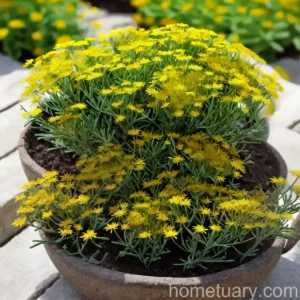
Lavender Cotton, scientifically known as Santolina Chamaecyparissus, is a small evergreen shrub that belongs to the Asteraceae family. Native to the western Mediterranean region, specifically the western coast of Italy and the southern coast of France, this plant is renowned for its fine, needle-like, silver-grey foliage and small, button-like, bright yellow inflorescences. The species name “Chamaecyparissus” is derived from the Greek words “chamai” (on the ground) and “kuparissos” (cypress), alluding to its cypress-like appearance and low-growing nature.
Key Takeaways – Lavender Cotton (Santolina Chamaecyparissus)
Before we embark on a detailed exploration of Santolina Chamaecyparissus, let’s briefly summarize the key takeaways that we will cover in this guide:
- Plant Description
- Facts about Santolina Chamaecyparissus
- Growing Lavender Cotton from Seeds
- Care Tips for Santolina Chamaecyparissus
- Benefits of Planting Lavender Cotton
- Propagation of Santolina Chamaecyparissus
- Uses of Lavender Cotton
- Varieties of Santolina Chamaecyparissus
- Best Soil for Growing Lavender Cotton
- Common Pests and Diseases
- Plant Characteristics
- Pruning Techniques
- Growing Lavender Cotton in Containers
- Uses of Santolina Chamaecyparissus in Landscaping
- Plant Maintenance
- Medicinal Properties
- Growing Lavender Cotton in Different Climates
- Harvesting Santolina Chamaecyparissus
- Propagation Methods
- Companion Plants
- Organic Gardening Tips
- Common Problems and Solutions
- Plant Symbolism
- Drought-Tolerant Characteristics
- Medicinal Uses
- Attracting Beneficial Insects
- Ground Cover Attributes
- Traditional and Culinary Uses
- Suitability for Sandy Soil
- Natural Repellent Qualities
- Pruning Schedule
- Erosion Control
- Edible Parts
- Water Requirements
- Pollinator Benefits
- Sunlight Preferences
- Aromatic Purposes
- Winter Care
- Wildlife Habitat
- Craft and Potpourri Uses
- Pest-Resistant Qualities
- Pruning Techniques for Shape Control
- Natural Dye Source
- Growth in Raised Beds
- Ritual and Ceremonial Uses
With these topics in mind, let’s embark on an in-depth journey into the world of Lavender Cotton (Santolina Chamaecyparissus).
Plant Description
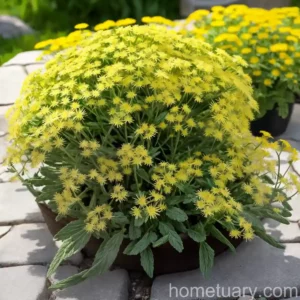
Lavender Cotton (Santolina Chamaecyparissus) is a charming and versatile evergreen shrub that typically grows to a height of 12-18 inches (30-45 cm). Its narrow, needle-like leaves feature a soft, silver-grey hue, providing a delightful contrast in ornamental plantings. The foliage emits a subtle, aromatic fragrance when brushed or crushed, adding an olfactory dimension to its appeal. In summer, the plant produces small, button-like, bright yellow flowers that resemble those of true cotton, giving rise to the common name “Lavender Cotton.”
Santolina Chamaecyparissus Facts
Before delving into the specific aspects of cultivation and care, let’s explore some fascinating facts about Santolina Chamaecyparissus:
-
Historical Significance: Santolina Chamaecyparissus has been cultivated for centuries for its medicinal and ornamental value. It has a rich history in traditional European herbalism and is renowned for its aromatic and insect-repellent properties.
-
Aromatic Qualities: The fine, silver-grey foliage of Lavender Cotton exudes a pleasant, herbal fragrance, making it a delightful addition to sensory gardens or when used as a natural potpourri.
-
Drought Tolerance: This species exhibits exceptional tolerance to drought and thrives in well-drained, sandy soils, making it an ideal candidate for water-wise gardening and xeriscaping.
-
Wildlife Support: While the bright yellow flowers of Santolina Chamaecyparissus contribute aesthetic charm, they also serve as valuable nectar sources for pollinators, enriching local biodiversity.
-
Cultural Significance: In addition to its practical uses, Lavender Cotton holds symbolic and cultural significance in various traditions, often representing purity, protection, or longevity.
With these intriguing facts in mind, let’s proceed to explore the essential aspects of cultivating and caring for Santolina Chamaecyparissus.
Growing Lavender Cotton from Seeds
Culture
Lavender Cotton (Santolina Chamaecyparissus) is notably easy to grow from seeds, offering gardening enthusiasts an opportunity to start this charming shrub from scratch. The following steps outline the process of successfully germinating and nurturing Lavender Cotton from seeds:
- Seed Collection: Obtain mature seeds from established Lavender Cotton plants. Harvest the seeds when the flower heads have dried sufficiently on the plant.
- Germination: Start the germination process indoors or in a controlled environment. Sow the seeds in well-draining, sandy soil in small containers. Lightly press the seeds onto the soil surface and mist with water to settle them in place.
- Optimal Conditions: Provide consistent moisture and warmth (around 70-75°F or 21-24°C) to encourage germination. Ensure that the soil remains lightly moist but not waterlogged.
- Transplanting: Once the seedlings develop a robust root system and a few sets of true leaves, carefully transplant them into larger containers or directly into well-prepared garden beds.
- Outdoor Establishment: Choose a sunny or partly shaded location with well-draining soil for planting. Lavender Cotton thrives in full sun but can tolerate partial shade, particularly in regions with intense summer heat.
By following these steps, gardening enthusiasts can successfully grow Lavender Cotton from seeds, initiating a rewarding journey of nurturing these remarkable plants from their early stages.
Uses
As a notable ornamental species, Lavender Cotton (Santolina Chamaecyparissus) offers a wide array of uses and potential applications in diverse settings. These include:
- Ornamental Plantings: Its compact size and striking foliage make Santolina Chamaecyparissus an excellent addition to rock gardens, border plantings, and herbaceous borders, where its silver-grey leaves provide a visually arresting contrast.
- Sensory Gardens: The aromatic qualities of Lavender Cotton make it a valuable addition to sensory or fragrance gardens, where visitors can delight in its pleasant scent.
- Herbalism: Historically, Santolina Chamaecyparissus has been used in traditional herbalism for its purported medicinal properties, such as insect-repellent qualities and aromatic infusions.
- Pollinator Support: The bright yellow button-like flowers of Lavender Cotton attract and nourish pollinators, contributing to the biodiversity of the local ecosystem.
By availing themselves of its diverse uses, individuals can fully appreciate the potential of Santolina Chamaecyparissus and incorporate it into various aspects of gardening, landscaping, and eco-conscious practices.
Water
Establishment and eventual care of Lavender Cotton require attention to its water requirements to ensure optimal growth and vitality. While this species exhibits remarkable drought tolerance once established, nurturing young plants and promoting robust growth necessitates thoughtful watering practices. Here are essential tips for managing the water needs of Santolina Chamaecyparissus:
- Establishment Phase: Newly planted Lavender Cotton specimens benefit from consistent moisture to encourage root establishment and initial growth. Provide moderate watering, aiming to keep the root zone evenly moist but not waterlogged.
- Mature Plants: Once established, Santolina Chamaecyparissus demonstrates exceptional resilience to dry conditions and is well-suited to low-water gardening. Water mature plants sparingly, allowing the soil to dry out between watering events. This promotes the development of a robust and deep root system, enhancing the plant’s ability to withstand periods of drought.
- Watering Frequency: Assess the moisture levels of the soil regularly. Water when the top layer of soil feels dry to the touch, particularly during prolonged dry spells. Aim to simulate natural rainfall patterns, providing occasional deep watering rather than frequent shallow watering to encourage deep root penetration.
By implementing these watering guidelines, gardeners can effectively support the growth and vitality of Lavender Cotton while exercising water-conscious practices.
Sunlight
Lavender Cotton (Santolina Chamaecyparissus) has specific preferences regarding sunlight exposure, and understanding these requirements is essential for successfully cultivating and caring for this species. The following insights outline the optimal sunlight conditions for Santolina Chamaecyparissus:
- Full Sun: Lavender Cotton thrives in full sun, displaying its best growth, foliage color, and blooming performance when provided with ample sunlight. Aim to position plantings in locations that receive at least 6-8 hours of direct sunlight daily to promote vigorous growth and the development of compact, well-branched shrubs.
- Partial Shade: While Lavender Cotton prefers full sun, it can tolerate partial shade, particularly in regions characterized by intense summer heat. In such environments, providing protection from the harsh midday sun or afternoon heat can prevent foliage scorching and maintain the plant’s overall vigor.
Understanding these sunlight preferences enables gardeners to strategically position and cultivate Santolina Chamaecyparissus, ensuring that it thrives under optimal light conditions.
Fertilizer
As a Mediterranean-native plant with inherent tolerance for nutrient-poor soils, Lavender Cotton (Santolina Chamaecyparissus) displays moderate fertility requirements, particularly when cultivated in well-draining and nutrient-balanced soil. To support the growth and health of Santolina Chamaecyparissus, consider the following recommendations for fertilization:
- Minimal Fertilization: Due to its natural adaptation to nutrient-poor soils, Santolina Chamaecyparissus generally necessitates minimal fertilization. Excessive application of fertilizers, particularly those high in nitrogen, can lead to overly lush growth, potentially compromising the plant’s natural habit and visual appeal.
- Balanced Formulations: If soil deficiencies are evident, consider applying a balanced, slow-release fertilizer in spring to support the initial growth spurt and flowering of Lavender Cotton. Opt for a fertilizer with a balanced NPK (nitrogen, phosphorus, and potassium) ratio, accompanied by essential micronutrients, to ensure comprehensive nutritional support without causing excessive vegetative growth.
- Nutrient-Rich Compost: Alternatively, amend the soil with well-rotted organic matter or compost during planting or as a top dressing around established plants. Organic amendments enhance soil structure, moisture retention, and microbial activity, indirectly supporting the overall health and vigor of Santolina Chamaecyparissus.
By prudently addressing the nutritional needs of Lavender Cotton, gardeners can promote robust growth and flowering without overstimulating the plant with excessive fertilization.
Soil
The selection and preparation of suitable soil form the foundation for successful cultivation and establishment of Lavender Cotton (Santolina Chamaecyparissus). When grown in a well-suited soil environment, this species exhibits enhanced vigor, resilience, and ornamental value. Consider the following key aspects for optimizing the soil conditions for Santolina Chamaecyparissus:
- Well-Draining Structure: Lavender Cotton thrives in well-draining soil, particularly in regions with high annual rainfall or during the winter months. Ensure that the soil structure promotes rapid infiltration and percolation of water to prevent waterlogging, which can adversely affect the root health and vitality of Santolina Chamaecyparissus.
- Sandy or Loamy Composition: Santolina Chamaecyparissus prefers sandy or loamy soils that offer excellent drainage while retaining some moisture for plant uptake. Consider amending heavy or clay-rich soils with coarse sand and organic matter to improve aeration, drainage, and overall soil texture.
- Neutral to Alkaline pH: Lavender Cotton demonstrates a preference for soil with a slightly alkaline to neutral pH range, typically between 6.5 and 8.0. Conduct a soil pH test to ascertain the acidity levels and, if necessary, apply amendments to adjust the pH within the preferred range for optimal growth of Santolina Chamaecyparissus.
By addressing these soil considerations, gardeners can establish an ideal growing environment for Santolina Chamaecyparissus, promoting its long-term health and vitality.
Pruning
Propelled by its intrinsic vigor and compact growth habit, Lavender Cotton (Santolina Chamaecyparissus) responds favorably to strategic pruning, which not only maintains its form and neat appearance but also stimulates fresh growth and flowering. As part of the plant care regimen, consider implementing the following pruning techniques for Santolina Chamaecyparissus:
- Spring Pruning: In early spring, as new growth emerges, conduct light pruning to remove any winter damage, deadwood, or leggy growth from the previous season. Use clean, sharp pruning shears to make precise cuts without causing unnecessary stress to the plant.
- Shaping and Control: Lavender Cotton can be shaped into compact mounds or rounded forms, accentuating its ornamental qualities. Use selective pruning to control the plant’s size, shape, and overall appearance, creating neatly groomed specimens that integrate seamlessly into ornamental plantings.
- Deadheading: After the initial flush of flowering has waned, remove spent flower heads to promote additional blooming and prevent the plant from expending energy on seed production. Deadheading also ensures a tidier, more visually appealing presence of Santolina Chamaecyparissus in the garden.
- Annual Maintenance: Conduct routine maintenance pruning, as needed, throughout the growing season to eliminate any errant or untidy growth, maintain the desired form, and curb the plant’s overall size if required. Prune conservatively to avoid stimulating excessive vegetative growth at the expense of flowering.
By embracing these prudent pruning practices, gardeners can uphold the attractive form and vitality of Lavender Cotton while encouraging repeat flowering and maintaining its ornamental appeal throughout the growing season.
Propagation
Propagation Methods
Lavender Cotton (Santolina Chamaecyparissus) readily lends itself to propagation through various methods, offering gardening enthusiasts opportunities to expand their plantings and share the charm of this species with others. The following propagation techniques detail the key approaches for successfully propagating Santolina Chamaecyparissus:
- From Seeds: Propagation from seeds offers a rewarding and cost-effective method of acquiring new plants. Sow mature seeds in well-draining, sandy soil in a controlled environment. Maintain consistent moisture and warmth to prompt germination, subsequently nurturing the resulting seedlings until they are ready for transplanting.
- From Cuttings: Semi-ripe stem cuttings provide a reliable means of propagating Lavender Cotton. In late spring or early summer, select healthy, non-flowering shoots and take 3-4 inch (7-10 cm) cuttings with a clean, sharp blade. Prepare the cuttings, apply rooting hormone if desired, and plant them in a well-draining propagation medium. Provide appropriate moisture and warmth to encourage the development of roots, eventually leading to the establishment of new plants.
- Division of Established Plants: Mature Lavender Cotton specimens can be propagated through division, particularly in early spring before new growth resumes. Carefully lift and divide the plant, ensuring that each division contains sufficient roots and shoots for successful establishment. Replant the divisions in well-prepared soil, providing essential care to promote their growth and acclimatization.
By harnessing these propagation techniques, gardeners can expand their collection of Santolina Chamaecyparissus, share the beauty of this species with others, and derive satisfaction from nurturing new plants from seeds or cuttings.
Container Popularity
The compact size, fine foliage, and notable ornamental appeal of Lavender Cotton (Santolina Chamaecyparissus) have contributed to its widespread popularity in container gardening. This versatile species is ideally suited for container cultivation, offering several compelling benefits and opportunities for creative expression in this context:
- Space-Efficient: Lavender Cotton’s diminutive stature and tidy growth habit make it an ideal candidate for small to medium-sized containers, where it thrives as a space-efficient ornamental option for patios, balconies, or compact gardens.
- Portability: Containers enable the flexible placement of Santolina Chamaecyparissus, allowing gardeners to position the plants strategically to maximize their ornamental impact, sunlight exposure, or effects in mixed container arrangements.
- Soil Control: Cultivating Santolina Chamaecyparissus in containers affords precise control over soil composition, drainage, and fertility, ensuring optimal growing conditions and allowing for adaptations to specific soil preferences.
- Design Flexibility: Container-grown Lavender Cotton offers diverse design possibilities, whether as a standalone feature, a component of mixed plantings, or as a thematic element in ornamental displays.
By embracing container cultivation, gardening enthusiasts can fully appreciate the allure and adaptability of Santolina Chamaecyparissus, discovering novel avenues for integrating this species into their horticultural pursuits.
Common Diseases
While Lavender Cotton (Santolina Chamaecyparissus) is prized for its robust nature and relative resistance to pests and diseases, it may occasionally encounter specific health concerns that warrant preemptive monitoring and appropriate management. The following elucidates the common diseases that may affect Santolina Chamaecyparissus and the associated diagnostic and preventive measures:
Disease Diagnosis
- Powdery Mildew (Erysiphe cichoracearum): This fungal disease manifests as a white, powdery coating on the leaves of Lavender Cotton, potentially inhibiting photosynthesis and inducing premature leaf drop. It often occurs in conditions of high humidity or inadequate air circulation.
- Diagnostic Signs: Adherent white powdery growth on upper and lower leaf surfaces, accompanied by leaf distortion and reduced vigor.
-
Preventive Strategies: Enhance air circulation around plants, avoid overhead watering, and promote optimal spacing to minimize humidity and damp foliage. Apply appropriate fungicidal sprays if necessary, and promptly remove and dispose of affected plant material to limit the spread of the pathogen.
-
Root Rot (Phytophthora spp.): Excessive soil moisture or poor drainage can predispose Lavender Cotton to root rot, resulting in wilting, yellowing foliage, and stunted growth. The plant’s overall health may decline as