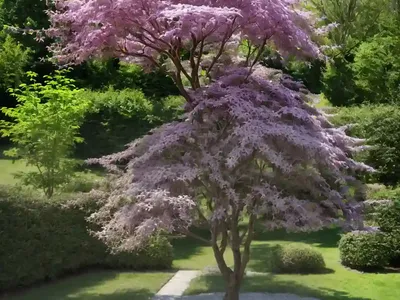
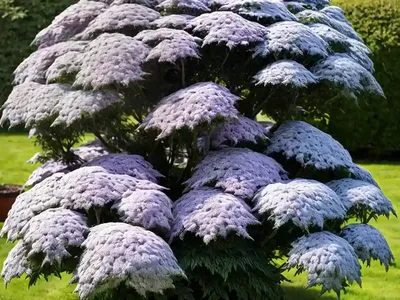
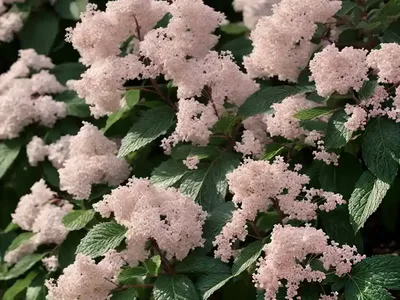
Laurustinus (Viburnum Tinus)
Laurustinus (Viburnum Tinus) is a versatile evergreen shrub native to the Mediterranean region. It is a member of the Adoxaceae family and is treasured for.
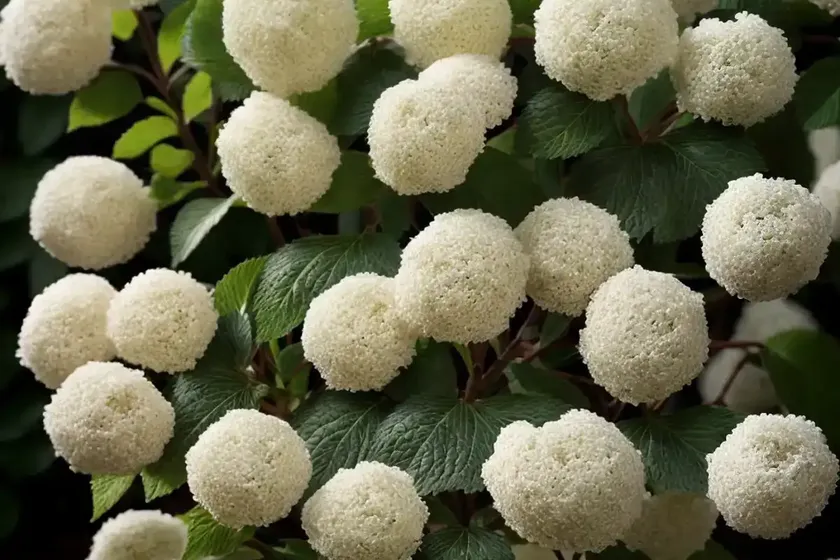
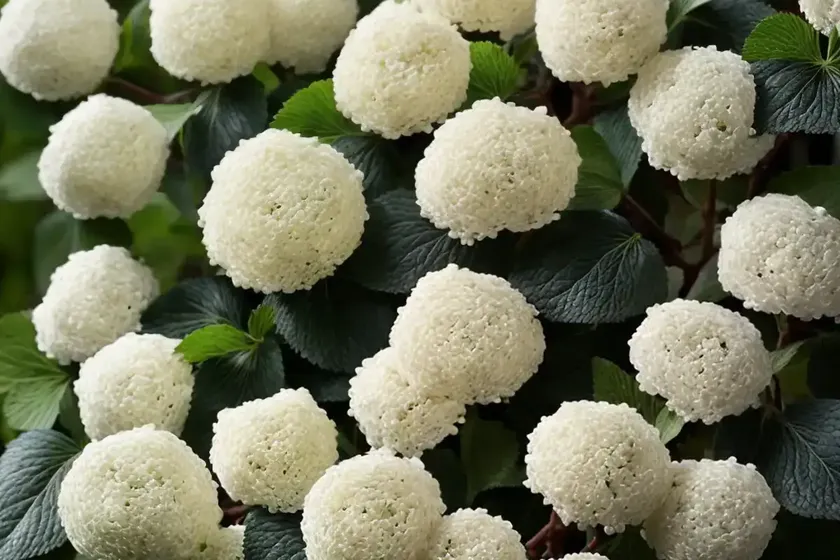
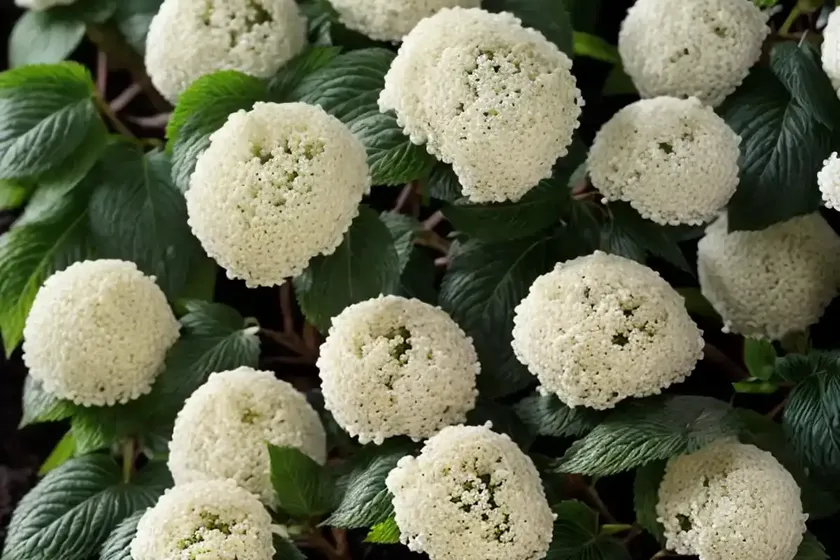
What is Laurustinus (Viburnum Tinus)
Laurustinus (Viburnum Tinus) is a versatile evergreen shrub native to the Mediterranean region. It is a member of the Adoxaceae family and is treasured for its attractive foliage, abundant clusters of vibrant flowers, and the ability to thrive in a variety of environments. This plant is popular among gardeners for its low maintenance requirements and exceptional ornamental value.
Key Takeaways – Laurustinus (Viburnum Tinus)
Before delving into the various aspects of Laurustinus care and cultivation, let’s take a look at the key takeaways:
- Plant Name: Laurustinus (Viburnum Tinus)
- Viburnum Tinus care requires attention to watering, sunlight, fertilization, pruning, and soil conditions.
- Cultural Uses: Multi-functional – ideal for hedges, borders, containers, landscapes, and medicinal purposes.
- Water: Regular watering especially during the establishment phase.
- Sunlight: Thrives in full sun to partial shade conditions.
- Fertilizer: Benefit from balanced slow-release fertilizers during the growing season.
- Soil: Adaptable, but prefers well-draining, moderately fertile soil.
- Pruning: Light, corrective pruning after flowering to maintain shape and encourage dense growth.
- Propagation: Easily propagated from semi-hardwood cuttings.
- Container Popularity: Well-suited for container gardening.
- Common Diseases: Susceptible to fungal and bacterial infections.
- Common Pests: Prone to aphids, scale insects, and thrips.
Now, let’s further explore the various facets of Laurustinus (Viburnum Tinus) cultivation and maintenance.
Culture
Laurustinus (Viburnum Tinus) has garnered widespread popularity due to its adaptability to a variety of cultural uses. Whether it’s used for ornamental landscaping, as a hedge plant, or in containers, this plant is valued for its aesthetic appeal and versatility.
Uses
The uses of Laurustinus (Viburnum Tinus) are diverse and include:
- Hedges: Often used as a hedge plant due to its dense growth habit and response to regular pruning.
- Borders: Creates attractive borders due to the dense foliage and seasonal flowers.
- Containers: Well-suited for container gardening owing to its moderate size and adaptable nature.
- Landscapes: Vivid clusters of flowers make it an appealing addition to various landscape designs.
- Medicinal Purposes: Some varieties of Viburnum Tinus have been traditionally used for their medicinal properties.
Water
Appropriate watering is crucial for the health and vigor of Laurustinus (Viburnum Tinus). While the plant is adaptable to a range of moisture conditions, it prefers consistent, even moisture especially during the establishment phase.
Sunlight
In terms of sunlight preferences, Viburnum Tinus thrives in full sun to partial shade conditions. It exhibits optimal growth and flowering when provided with adequate sunlight. However, it can tolerate some shade, making it adaptable for a variety of garden settings.
Fertilizer
Fertilization is important for promoting healthy growth and flowering in Laurustinus (Viburnum Tinus). A balanced, slow-release fertilizer applied in the early spring can provide the necessary nutrients for the plant’s development.
Soil
Laurustinus (Viburnum Tinus) showcases adaptability to different soil types, but it prefers well-draining, moderately fertile soil. Ensuring proper drainage is important to prevent waterlogging, which can lead to root rot and other issues.
Pruning
Proper pruning plays a vital role in maintaining the desired shape and density of Laurustinus (Viburnum Tinus). Light, corrective pruning after the flowering period can help in controlling the plant’s size and promoting healthy growth.
Propagation
Laurustinus (Viburnum Tinus) can be easily propagated from semi-hardwood cuttings, making it convenient for gardeners to expand their plant collection or share the beauty of this shrub with others.
Container Popularity
The adaptability of Laurustinus (Viburnum Tinus) to container gardening further enhances its appeal. Whether used on patios, balconies, or as an accent in garden designs, the versatility of this plant makes it a popular choice for container cultivation.
Common Diseases
Laurustinus (Viburnum Tinus) is susceptible to certain diseases, such as fungal and bacterial infections, which can affect its overall health and appearance.
Disease Diagnosis
Prompt diagnosis and appropriate treatment are essential for effectively managing diseases that may affect Laurustinus (Viburnum Tinus). Early detection and intervention can help prevent the spread of infections and minimize the impact on the plant’s vitality.
Common Pests
In addition to diseases, Laurustinus (Viburnum Tinus) is also prone to infestations by certain pests, including aphids, scale insects, and thrips, which can potentially compromise the plant’s health and aesthetics.
Botanist’s Tips
To ensure the successful cultivation of Laurustinus (Viburnum Tinus), here are some botanist’s tips to consider:
- Regular Monitoring: Keep a close eye on the plant for signs of diseases and pests.
- Proper Pruning: Practice proper pruning techniques to maintain the desired shape and encourage healthy growth.
- Balanced Fertilization: Apply a balanced, slow-release fertilizer to provide essential nutrients for the plant’s development.
- Appropriate Watering: Ensure consistent, even moisture, especially during the establishment phase.
Fun Facts
Here are some interesting and lesser-known facts about Laurustinus (Viburnum Tinus):
- Wildlife Habitat: The attractive flowers of Viburnum Tinus can attract pollinators, making it a valuable addition to wildlife-friendly garden designs.
- Versatile Uses: From ornamental landscaping to medicinal applications, Laurustinus (Viburnum Tinus) showcases a wide range of practical uses.
- Seasonal Appeal: The evergreen nature of this plant, coupled with its seasonal flowering, contributes to its year-round appeal in garden settings.
Links to External Resources
For more in-depth information about Laurustinus (Viburnum Tinus), consider exploring the following resources: