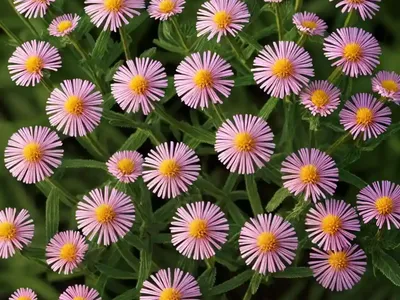
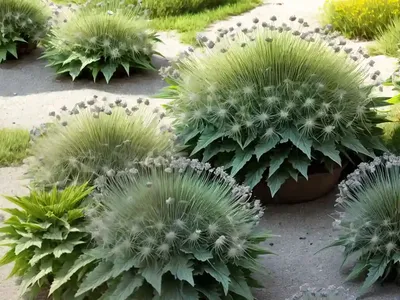
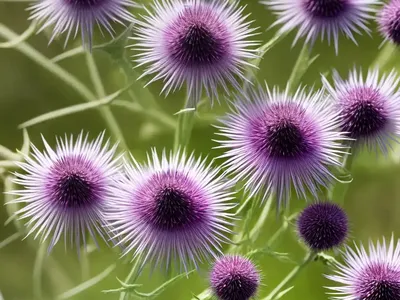
Large Mountain Daisy (Celmisia Semicordata)
Plants are not just green decorations in our life, but also vital components of the ecosystem that provide us with oxygen, food, and countless other.
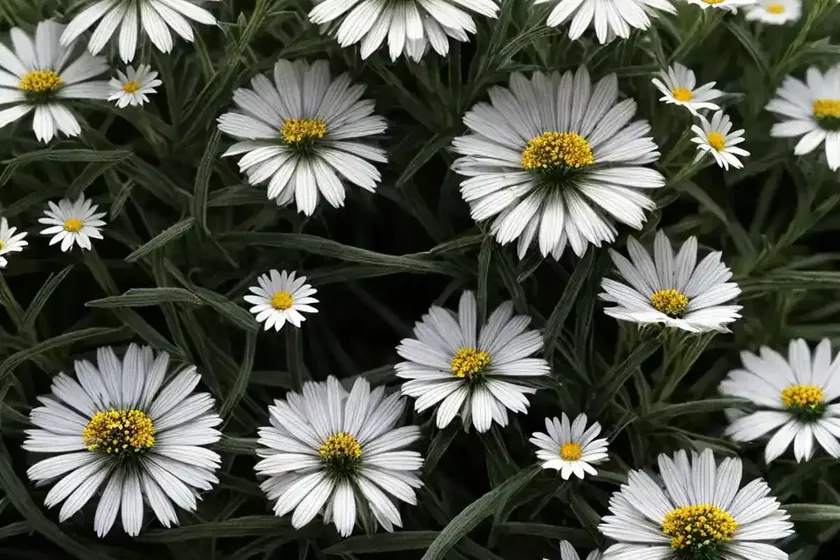
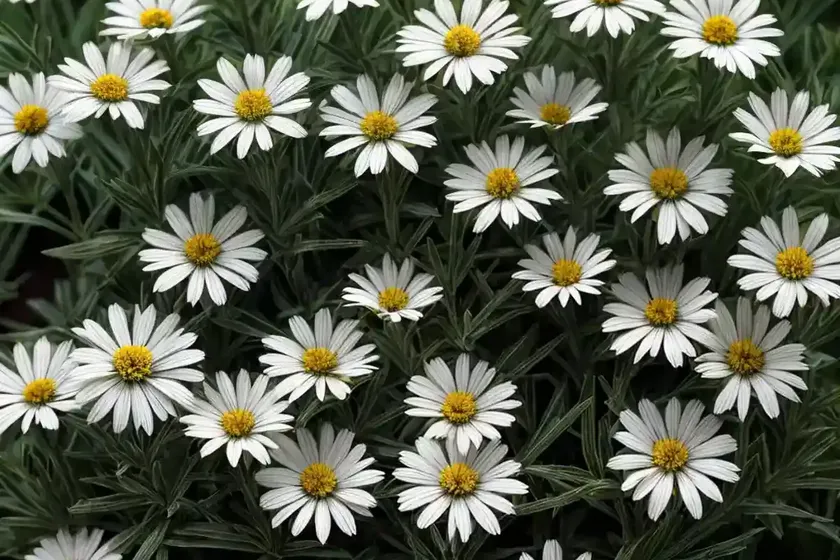
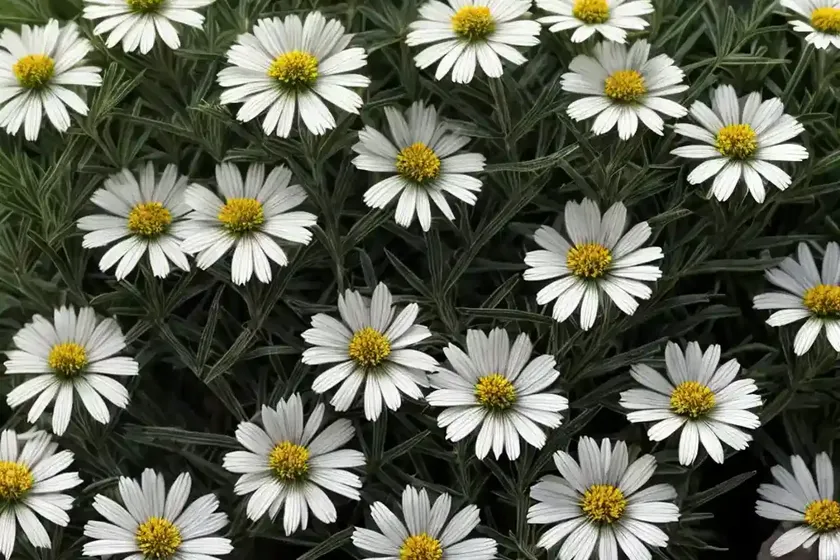
Plants are not just green decorations in our life, but also vital components of the ecosystem that provide us with oxygen, food, and countless other resources. They come in a wide variety of forms and have unique characteristics that make them interesting subjects for study. In this blog post, we will dive into the fascinating world of the Large Mountain Daisy (Celmisia Semicordata). We will explore its culture, uses, care requirements, and much more. So, let’s begin our journey into the enchanting realm of this beautiful plant.
What is the Large Mountain Daisy (Celmisia Semicordata)
The Large Mountain Daisy, scientifically known as Celmisia Semicordata, is a stunning flowering plant that belongs to the Asteraceae family. It is native to alpine and subalpine regions of New Zealand, where it thrives in the cool, wet, and windy conditions of the mountains. This perennial plant is cherished for its large, daisy-like flowers and its ability to thrive in harsh, mountainous environments.
Key Takeaways – Large Mountain Daisy (Celmisia Semicordata)
Before we delve into the specifics of the Large Mountain Daisy, let’s take a quick look at some key takeaways to set the stage for our discussion.
- Common Name: Large Mountain Daisy
- Scientific Name: Celmisia Semicordata
- Family: Asteraceae
- Native Habitat: Alpine and subalpine regions of New Zealand
- Attributes: Large, daisy-like flowers; ability to thrive in mountainous environments
Now that we have an overview of the plant, let’s explore its culture, uses, and care requirements in detail.
Culture of Large Mountain Daisy (Celmisia Semicordata)
Uses
The Large Mountain Daisy is valued for both its ornamental and ecological attributes. Here are some of its primary uses:
-
Ornamental Use: The striking appearance of the large, daisy-like flowers makes the Large Mountain Daisy a prized addition to alpine and rock gardens. Its ability to thrive in challenging environments adds to its appeal for gardeners seeking resilient and visually appealing plants.
-
Ecological Use: In its native habitat, the Large Mountain Daisy plays a crucial role in the alpine and subalpine ecosystems. It provides nectar and pollen for native insects, and its presence contributes to the overall biodiversity of the region.
Water
As a mountain-dwelling plant, the Large Mountain Daisy has adapted to receive higher amounts of rainfall. However, it is important to strike a balance, as excessive moisture can lead to root rot and other issues. When cultivating this plant, it is essential to provide well-draining soil and water it moderately, allowing the soil to partially dry out between waterings.
Sunlight
In its natural habitat, the Large Mountain Daisy thrives in areas of full sun to partial shade. When grown in cultivation, it is best to provide it with ample sunlight, although it can tolerate some shade. Ensuring it receives sufficient light is crucial for the plant to produce vibrant flowers and sturdy growth.
Fertilizer
The nutrient needs of the Large Mountain Daisy are modest, and excessive fertilization can actually be detrimental to its well-being. A balanced, slow-release fertilizer applied in the spring can support healthy growth and flowering. Always follow the recommended application rates and avoid over-fertilizing.
Soil
The Large Mountain Daisy thrives in well-draining, slightly acidic to neutral soil. In cultivation, a mix of sandy loam and organic matter can provide the ideal growing medium. It is important to ensure that the soil does not become waterlogged, as this can lead to root rot and other issues.
Pruning
Pruning needs for the Large Mountain Daisy are minimal, primarily focused on removing spent flowers to encourage continued blooming. Additionally, during the plant’s dormant season, it may benefit from the removal of any dead or damaged foliage to promote new growth.
Propagation
The Large Mountain Daisy can be propagated through division or from seed. Division is recommended for maintaining the characteristics of a specific cultivar, while seeds can be sown in a well-prepared seedbed to produce new plants. It is important to provide the right conditions for seed germination and to protect young seedlings from adverse weather conditions.
Container Popularity
In the realm of container gardening, the Large Mountain Daisy holds appeal for its compact size and vibrant blooms. It can be a charming addition to alpine-themed container gardens, providing visual interest and an authentic representation of high-altitude flora.
Common Diseases and Pests of Large Mountain Daisy (Celmisia Semicordata)
Common Diseases
While the Large Mountain Daisy is generally resilient, it can be susceptible to certain diseases when planted in unsuitable conditions or subjected to stress. Some common diseases that may affect this plant include:
- Powdery Mildew: A fungal disease that can manifest as white, powdery spots on the leaves and stems.
- Root Rot: Caused by overly wet soil conditions, leading to the decay of the plant’s roots and subsequent decline in health.
Disease Diagnosis
Diagnosing diseases in the Large Mountain Daisy involves careful observation of its foliage, stems, and overall growth patterns. Symptoms such as wilting, yellowing of leaves, or the presence of unusual spots should prompt a closer inspection to identify the underlying issue.
Common Pests
The Large Mountain Daisy can attract a variety of pests, although it is less prone to severe infestations compared to some other plants. Some pests that may target this plant include:
- Aphids: Small, sap-sucking insects that can be found clustered on the undersides of leaves.
- Spider Mites: These tiny arachnids can cause webbing and stippling on the plant’s foliage, leading to reduced vigor.
Botanist’s Tips
To help prevent diseases and pest infestations, it is beneficial to maintain good cultural practices, such as proper watering, adequate spacing between plants to promote airflow, and regular monitoring for signs of issues. Additionally, selecting disease-resistant cultivars can provide added protection for the Large Mountain Daisy.
Fun Facts about Large Mountain Daisy (Celmisia Semicordata)
No exploration of a plant would be complete without delving into some intriguing and lesser-known facts. Here are some fun tidbits about the Large Mountain Daisy:
- The Large Mountain Daisy has been known to attract native insects, including butterflies and bees, with its abundant nectar and pollen.
- While it is primarily known for its blossoms, the Large Mountain Daisy also boasts attractive foliage, with silvery-green leaves that add to its aesthetic appeal.
- In its natural habitat, the Large Mountain Daisy endures extreme temperatures, from freezing winters to warm summers, showcasing its remarkable adaptability.
Conclusion
In this guide, we have unraveled the enchanting world of the Large Mountain Daisy (Celmisia Semicordata). From its cultural significance to its care requirements and ecological value, this alpine treasure offers a wealth of rewards for those who appreciate its unique attributes. Whether grown in gardens or admired in its native habitat, the Large Mountain Daisy captivates with its resilience and natural beauty.
We hope that this comprehensive overview has deepened your understanding of this captivating plant and inspired you to explore the world of alpine flora. As we continue to appreciate and study the fascinating realm of plants, we gain a greater appreciation for the intricate web of life that surrounds us.
Thank you for taking this botanical journey with us, and may the allure of the Large Mountain Daisy continue to enrich your horticultural adventures.
References
- Royal New Zealand Institute of Horticulture. (n.d.). Celmisia semicordata. https://www.rnzih.org.nz/pages/celmisia-semicordata/
- Gardening New Zealand. (2021). Plants and Flowers – Celmisia Semicordata. https://www.gardeningnewzealand.co.nz/plants-and-flowers/celmisia-semicordata
- The Royal Horticultural Society. (n.d.). Celmisia. https://www.rhs.org.uk/plants/popular/celmisia/details
- Te Papa. (n.d.). Celmisia spectabilis – Large Mountain Daisy. https://collections.tepapa.govt.nz/object/1459174
This blog post is written based on the information available up to the date of its publication. For the most accurate and current details regarding the Large Mountain Daisy, we recommend referring to local horticultural resources and botanical experts.