The Large-Cupped Daffodil (Narcissus ‘Tangent’): A Plant Scientist’s Guide
Introduction
As a passionate plant scientist, I’m excited to delve into the world of the large-cupped daffodil, scientifically known as Narcissus ‘Tangent.’ In this extensive guide, we’ll explore the culture, uses, care, and maintenance of this beautiful plant. Whether you are a gardener, a horticulturist, or simply a plant lover, this comprehensive discussion will provide you with valuable insights into the world of large-cupped daffodils.
What is a Large-Cupped Daffodil (Narcissus ‘Tangent’)?
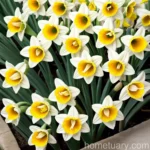
The large-cupped daffodil, Narcissus ‘Tangent’, is a charming perennial bulbous plant that belongs to the Amaryllidaceae family. As a cultivar of Narcissus, ‘Tangent’ is renowned for its striking beauty and is coveted in gardens and landscapes. This cultivar is characterized by its large, showy perianth and a conspicuous, cup-shaped corona at the center of the flower.
Key Takeaways – Large-Cupped Daffodil (Narcissus ‘Tangent’)
Before we delve deeper into the world of this stunning flower, let’s take a quick look at the key takeaways:
- Narcissus cultivar ‘Tangent’: This prominent cultivar is celebrated for its exceptional floral display and unique characteristics.
- Growing and Planting Tips: Understanding the specific needs and requirements of large-cupped daffodils is essential for successful cultivation.
- Maintenance and Care: From watering and fertilization to disease control, a thorough understanding of the care and maintenance aspects is crucial for the well-being of these plants.
- Cultural Significance: Uncover the historical, folklore, and symbolic aspects of Narcissus ‘Tangent’ that add depth to its significance beyond its ornamental value.
With these takeaways in mind, let’s embark on a detailed exploration of the large-cupped daffodil, ‘Tangent’.
Culture of Large-Cupped Daffodil (Narcissus ‘Tangent’)
Understanding the culture and proper care practices is fundamental to the successful cultivation of large-cupped daffodils.
Uses
The large-cupped daffodils, such as the Narcissus ‘Tangent’, are primarily used for ornamental purposes. They are widely grown in gardens, parks, and landscapes, serving as exquisite additions to spring floral displays. Additionally, ‘Tangent’ daffodils are often utilized in floral arrangements and bouquets, adding a touch of elegance and charm to various settings.
Water
Appropriate watering is crucial for the health and vigor of Narcissus ‘Tangent’. During the growing season, it’s important to keep the soil consistently moist but not waterlogged. Adequate drainage is essential to prevent waterlogged conditions, which can lead to bulb and root rot.
Sunlight
Large-cupped daffodils thrive in locations with ample sunlight. They generally require at least six hours of direct sunlight each day to ensure robust growth and vibrant blooms. When selecting a planting site, it’s important to prioritize areas that receive abundant sunlight, especially during the spring months when they are actively growing and flowering.
Fertilizer
A balanced fertilizer application is beneficial for the growth and blooming performance of Narcissus ‘Tangent’. A slow-release fertilizer with a formulation such as 10-10-10 or 5-10-5 can be applied in early spring to supply essential nutrients for healthy plant development. It’s important to follow recommended application rates and avoid over-fertilization, which can potentially harm the plants.
Soil
The quality of the soil greatly influences the growth and development of large-cupped daffodils. Well-draining, fertile soil with a slightly acidic to neutral pH is ideal for these plants. Amending the soil with organic matter, such as compost or well-rotted manure, can improve its structure and nutrient content, creating a favorable growing environment for Narcissus ‘Tangent’. Additionally, ensuring proper soil aeration and drainage is crucial for preventing issues like root rot.
Pruning
Pruning practices are relatively simple when it comes to large-cupped daffodils. Once the flowers have faded, it’s essential to remove the spent blooms to prevent seed formation and allow the plants to conserve energy for the following year. It’s important to avoid removing the foliage until it turns yellow and begins to wither, as the leaves play a vital role in the photosynthesis process and the storage of nutrients in the bulbs.
Propagation of Large-Cupped Daffodil (Narcissus ‘Tangent’)
The propagation of Narcissus ‘Tangent’ can be achieved through several methods, allowing for the expansion of their presence in gardens and landscapes.
Bulb Division
Division of large-cupped daffodil bulbs is a common method of propagation. During the dormant season, the bulbs can be carefully dug up and divided into smaller sections, each containing a portion of the bulbs and some roots. These divisions can then be replanted in suitable locations, allowing them to establish and grow into new plants.
Offsets
Large-cupped daffodils produce offsets, which are small bulbs that develop alongside the parent bulb. These offsets can be carefully detached from the parent bulb during the dormant season and replanted in desired areas. With proper care, these offsets can develop into independent plants over time, contributing to the expansion of the Narcissus ‘Tangent’ population.
Seed Propagation
While not commonly practiced due to the time and effort involved, propagation from seeds is a viable option for introducing new genetic variations of large-cupped daffodils. The seeds can be collected from matured seedpods and sown in well-prepared seedbeds or containers. It’s important to note that the resulting seedlings may not exhibit the exact characteristics of the parent plant, as they may display genetic variations due to cross-pollination.
Container Gardening with Large-Cupped Daffodil (Narcissus ‘Tangent’)
The allure of large-cupped daffodils extends to container gardening, offering an exciting alternative for individuals with limited garden space or those aiming to create captivating floral arrangements.
Popularity in Containers
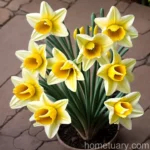
Narcissus ‘Tangent’ is well-suited for container gardening, receiving widespread popularity for its ability to brighten up patios, balconies, and other outdoor living spaces. The compact nature of containers allows for the creation of stunning focal points and colorful displays using these captivating flowers.
Common Diseases in Containers
When cultivating large-cupped daffodils in containers, it’s important to be mindful of potential diseases that can affect their health. Common container plant diseases such as Botrytis blight, bulb rot, and foliar diseases may pose a threat to the well-being of ‘Tangent’ daffodils. Practicing proper sanitation, providing adequate air circulation, and employing preventive measures can help mitigate the risk of diseases in container-grown daffodils.
Disease Diagnosis and Management
An understanding of common diseases is essential for timely diagnosis and effective management. Regular monitoring of the plants for symptoms such as discolored foliage, spotting, or decay can aid in early disease detection. Upon identification of a disease, prompt action should be taken, which may include the use of fungicidal treatments, removal of affected plant parts, and adjustments in cultural practices to create less favorable conditions for disease development.
Common Pests in Containers
Large-cupped daffodils in containers may also encounter various pests that can compromise their health and aesthetics. Pests like aphids, thrips, and bulb mites are known to infest daffodil plants, causing damage to their foliage, flowers, and bulbs. Implementing integrated pest management strategies, such as encouraging natural predators and utilizing eco-friendly pest control methods, can assist in keeping pest populations in check.
Botanist’s Tips for Container Gardening
Successful container gardening with Narcissus ‘Tangent’ requires attention to specific considerations. Here are some botanist’s tips for cultivating these delightful flowers in containers:
- Container Selection: Opt for well-draining containers of adequate size to accommodate the growth of the daffodil bulbs and their root systems.
- Growing Medium: Use a high-quality, well-draining potting mix with added organic matter to provide a suitable growing medium for the daffodils.
- Watering Practices: Exercise caution with watering, ensuring the soil is consistently moist but not waterlogged, given the limited space of containers.
- Fertilization: Provide a balanced fertilizer regimen to supply essential nutrients for the vigorous growth and blooming of the ‘Tangent’ daffodils.
- Overwintering: In regions with harsh winters, protect the containers from extreme cold temperatures to safeguard the daffodil bulbs during their dormant phase.
With these insights, you can cultivate and enjoy the majestic beauty of large-cupped daffodils, such as Narcissus ‘Tangent’, in container gardens with confidence and success.
Fun Facts about Large-Cupped Daffodils
Uncover fascinating tidbits about Narcissus ‘Tangent’ that add to the allure and intrigue of these captivating flowers.
- The name “Narcissus” is derived from a figure in Greek mythology, known for his beauty, who became infatuated with his own reflection. This nomenclature is attributed to the captivating allure of the daffodil flowers.
- Daffodils are associated with the arrival of spring and are often regarded as symbols of renewal, hope, and new beginnings.
- Large-cupped daffodils, including ‘Tangent’, are known for their trumpet-shaped corona, which adds an enchanting and distinctive characteristic to their blooms.
- Daffodils are considered to be deer-resistant, making them suitable choices for landscapes where deer browsing is a concern.
- The sap of daffodil plants contains oxalic acid and other compounds that can be toxic if ingested, making them unsuitable for consumption.
Botanical Classification of Narcissus ‘Tangent’
Let’s delve into the botanical classification of Narcissus ‘Tangent’ to gain a deeper understanding of its taxonomical placement.
- Kingdom: Plantae
- Order: Asparagales
- Family: Amaryllidaceae
- Genus: Narcissus
- Species: Narcissus ‘Tangent’ (Cultivar)
The intricate botanical classification of ‘Tangent’ daffodils emphasizes their kinship with other members of the genus Narcissus within the Amaryllidaceae family, providing valuable insights into their phylogenetic relationships and taxonomic standing.
Links to External Resources
For further exploration and enrichment of your knowledge about large-cupped daffodils, I recommend delving into the following external resources:
-
American Daffodil Society: The American Daffodil Society offers a wealth of information on daffodil cultivation, including a comprehensive database of daffodil cultivars and resources for enthusiasts and horticulturalists.
-
Royal Horticultural Society: The Royal Horticultural Society provides valuable guidance on growing daffodils, along with insightful articles, publications, and expert advice on horticultural topics.
-
University Extension Websites: Numerous university extension websites offer practical information on the cultivation and care of daffodils, tailored to specific geographical regions and climates.
By exploring these resources, you can expand your knowledge and appreciation for large-cupped daffodils, nurturing your passion for horticulture and botanical wonders.
In conclusion, the large-cupped daffodil, Narcissus ‘Tangent’, is a captivating and enchanting flower that graces gardens and landscapes with its beauty and charm. From its cultural significance to its propagation and care, there’s much to discover and appreciate about this remarkable plant. Whether you are entranced by its ornamental appeal or its botanical intricacies, exploring the world of ‘Tangent’ daffodils is a delightful journey that offers a deeper connection to the wonders of nature.