The Charming large-cupped daffodil (Narcissus ‘Manon Lescaut’)
Introduction
The large-cupped daffodil, scientifically known as Narcissus ‘Manon Lescaut’, is an exquisite flowering plant that belongs to the Amaryllidaceae family. Celebrated for its captivating appearance and delightful fragrance, this cultivar is cherished by gardeners and flower enthusiasts across the globe. In this comprehensive guide, we will delve into the captivating world of the large-cupped daffodil, exploring its cultural significance, uses, growth requirements, and maintenance.
What is the large-cupped daffodil (Narcissus ‘Manon Lescaut’)?
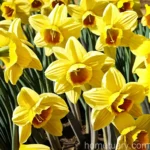
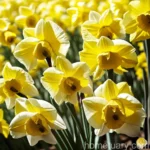
Before we explore the various aspects of the large-cupped daffodil, let’s take a moment to understand the plant itself. The large-cupped daffodil is a cultivar of the Narcissus genus, commonly referred to as daffodils. As the name suggests, the defining feature of the large-cupped daffodil is its impressive cup-shaped corona, which contrasts beautifully with the surrounding petals. ‘Manon Lescaut’ is a specific variety of large-cupped daffodil, renowned for its distinctive characteristics and ornamental allure.

Key Takeaways – large-cupped daffodil (Narcissus ‘Manon Lescaut’)
Here are the key takeaways for the large-cupped daffodil, including its characteristics and cultivation requirements.
Characteristics
- The large-cupped daffodil (Narcissus ‘Manon Lescaut’) is acclaimed for its captivating large cup-shaped corona, which serves as the focal point of the flower.
- This cultivar typically displays a harmonious color palette, featuring soft yellow or cream-colored petals complemented by a striking central corona in hues of orange, pink, or salmon.
- ‘Manon Lescaut’, like many large-cupped daffodil varieties, exudes a delightful fragrance, adding an olfactory dimension to its visual appeal.
Cultivation Requirements
- Water: The large-cupped daffodil thrives in well-drained soil and prefers moderate watering. It is essential to avoid waterlogging, as excessive moisture can lead to root rot and other detrimental conditions.
- Sunlight: A sunny or partially shaded location is ideal for the large-cupped daffodil, allowing it to receive the required sunlight for robust growth and prolific flowering.
- Fertilizer: During the growing season, a balanced fertilizer formulated for flowering bulbs can be applied to provide essential nutrients for healthy development.
- Soil: Well-drained, fertile soil with good aeration is crucial for the optimal growth of the large-cupped daffodil. It is advisable to amend heavy or compacted soil to improve drainage.
Uses
- The large-cupped daffodil (Narcissus ‘Manon Lescaut’) is prized for its ornamental value, making it a coveted addition to gardens, landscapes, and floral displays.
- As a symbol of rejuvenation and new beginnings, daffodils are often incorporated into spring celebrations and festive arrangements.
Water
The water requirements of the large-cupped daffodil are integral to its overall health and vigor. Understanding the appropriate watering practices is essential for cultivating thriving daffodil displays.
Watering Guidelines
- Established Plants: Once the large-cupped daffodils are established, light to moderate watering is recommended, particularly during dry spells or prolonged periods of minimal rainfall.
- Avoid Overwatering: To prevent waterlogging and potential bulb rot, it is crucial to avoid overwatering the daffodils, especially in heavy or poorly draining soil.
- Early Growth Stages: During the early stages of growth and establishment, maintaining evenly moist soil is beneficial for fostering strong root development.
Sunlight
The significance of sunlight exposure in the growth and flowering of the large-cupped daffodil (Narcissus ‘Manon Lescaut’) cannot be overstated. Adequate sunlight contributes to the plant’s vitality and blooming capacity.
Sunlight Requirements
- Optimal Exposure: The large-cupped daffodil thrives in locations with full to partial sunlight, typically receiving 6-8 hours of direct sunlight per day.
- Morning Sun: Morning sunlight is particularly beneficial for daffodils, as it aids in the photosynthetic processes while mitigating the risk of scorching from intense midday sun.
- Shading Considerations: In regions with hot climates or scorching summers, providing partial shade during the hottest part of the day can protect the daffodil blooms from excessive heat stress.
Fertilizer
Appropriate fertilization is instrumental in supporting the nutrient requirements of the large-cupped daffodil, ensuring robust growth and prolific flowering.
Fertilization Guidelines
- Timing: Apply a balanced, slow-release fertilizer designed for bulbs in early spring, prior to the emergence of foliage, to provide essential nutrients for the upcoming growth and blooming season.
- Bulb Health: Select a fertilizer with a formulation that supports bulb development and flowering, promoting strong stems and vibrant, long-lasting flowers.
- Avoid Excess Nitrogen: Restrict the use of high-nitrogen fertilizers, as they can encourage excessive foliage growth at the expense of flower production.
Soil
Understanding the soil preferences of the large-cupped daffodil is paramount for creating an optimal growing environment and promoting its overall well-being.
Soil Requirements
- Drainage: Well-drained soil is essential for preventing waterlogged conditions, which can lead to root rot and other detrimental issues. If the soil is heavy or poorly draining, amending it with organic matter or horticultural grit can improve its drainage capacity.
- Fertility: Fertile soil enriched with organic matter fosters robust growth and flowering, providing the necessary nutrients for the daffodils’ development.
- pH Levels: The large-cupped daffodil thrives in slightly acidic to neutral soil, ideally with a pH range of 6.0-7.0. Conducting a soil test can offer valuable insights into the soil’s pH and nutrient levels, guiding appropriate amendments if necessary.
Pruning
Pruning plays a pivotal role in maintaining the vitality and aesthetic appeal of the large-cupped daffodil, encompassing practices that benefit the plant’s overall vigor and flowering capacity.
Pruning Practices
- Deadheading: Removing spent flowers promptly not only enhances the visual allure of the daffodil display but also redirects the plant’s energy into bulb development and future flowering.
- Foliage Care: It is essential to allow the foliage to senesce naturally after flowering, as the green leaves facilitate the process of photosynthesis, replenishing the bulb’s energy reserves for the next growing season.
- Trimming Considerations: If the foliage becomes unsightly or begins to yellow, wait until it is completely withered before trimming it back to the soil level, ensuring that the bulb receives the maximum benefit from the photosynthetic process.
Propagation
The propagation of the large-cupped daffodil encompasses various methods aimed at multiplying these charming blooms, whether for expanding a garden display or sharing the beauty of daffodils with others.
Propagation Techniques
- Division: Dividing established clumps of daffodils during the dormancy period allows for the creation of new planting clusters, each with the potential to develop into a flourishing daffodil patch.
- Offspring Bulbs: Daffodils produce offsets or baby bulbs, commonly attached to the parent bulb, which can be carefully detached and replanted to initiate new growth.
Container Popularity
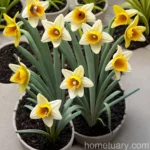
The large-cupped daffodil (Narcissus ‘Manon Lescaut’) exhibits remarkable versatility in container cultivation, offering enchanting blooms and fragrance on a smaller scale.
Container Cultivation
- Selection: Choose large, sturdy containers with adequate drainage holes to accommodate the daffodil bulbs and support healthy root development.
- Potting Medium: Utilize a well-draining potting mix formulated for bulbs, providing the necessary aeration and moisture retention for optimal growth.
- Placement: Position the containers in areas that receive ample sunlight, ensuring that the daffodils have access to the required light for robust flowering.
Common Diseases
Despite their resilience, daffodils are susceptible to certain diseases that can impact their health and blooming capacity, necessitating diligent monitoring and proactive management.
Disease Identification and Management
- Botrytis Blight: Characterized by gray, moldy growth on foliage and flowers, botrytis blight can be mitigated by promoting good air circulation, avoiding overhead watering, and removing affected plant parts.
- Fungal Rots: Excessive moisture in the soil can lead to fungal rots, manifesting as mushy, discolored bulbs. Ensuring well-drained soil and proper watering practices is crucial for preventing fungal rots.
Common Pests
While daffodils demonstrate a degree of natural resistance to pests, certain adversaries may pose a threat to their well-being, necessitating vigilant pest management strategies.
Pest Control Measures
- Narcissus Bulb Fly: The larvae of this pest can cause significant damage to daffodil bulbs. Applying a protective layer of mulch around the bulbs can deter the bulb fly and safeguard the daffodils.
- Slugs and Snails: These voracious pests can feed on daffodil foliage and flowers, necessitating the implementation of physical barriers or eco-friendly control methods to protect the plants.
Botanist’s Tips
As a plant scientist with a deep appreciation for the captivating nature of the large-cupped daffodil (Narcissus ‘Manon Lescaut’), I offer the following tips for cultivating and enjoying these enchanting blooms.
Expert Recommendations
- Bulb Selection: When selecting daffodil bulbs for planting, choose firm, healthy specimens, avoiding bulbs that are soft or show signs of damage or decay.
- Naturalization: To create a naturalized effect in the landscape, plant daffodils in clusters or drifts, allowing them to multiply and form enchanting swaths of golden blooms over time.
- Companion Planting: Consider companion planting with early-blooming perennials to complement the daffodils, creating captivating spring displays that seamlessly intertwine different floral textures and colors.
Fun Facts
The large-cupped daffodil (Narcissus ‘Manon Lescaut’) is not only a botanical wonder but also a source of fascinating anecdotes and cultural significance.
Intriguing Tidbits
- Mythological Connections: Daffodils, including the large-cupped varieties, have been associated with various myths and legends, often symbolizing rebirth, beauty, and the arrival of spring.
- Scientific Exploration: Daffodils have captured the attention of botanists and horticulturists for centuries, leading to the discovery and cultivation of diverse daffodil varieties with captivating forms and colors.
Links to External Resources
For further exploration and in-depth information about large-cupped daffodils and their cultivation, the following resources provide valuable insights and guidance:
- American Daffodil Society
- Royal Horticultural Society – Growing Daffodils
- National Gardening Association – Daffodil Care Guide
- University of California Agriculture & Natural Resources – Daffodils in the Garden
Closing Thoughts
In the realm of horticulture, few flowers can rival the timeless elegance and vibrant allure of the large-cupped daffodil, exemplified by the enchanting Narcissus ‘Manon Lescaut’. Whether adorning garden borders, embellishing floral arrangements, or gracing charming containers, these captivating blooms continue to captivate and inspire, carrying with them the promise of spring’s jubilant arrival and the timeless beauty of nature’s botanical treasures. As we embrace the enchanting world of the large-cupped daffodil, may we find joy in cultivating these remarkable flowers and celebrating the profound splendor they bestow upon our lives and landscapes.