Lamb’s Ear (Stachys Byzantina)
Lamb’s Ear, scientifically known as Stachys byzantina, is a versatile and visually appealing plant known for its soft, velvety leaves. This perennial.
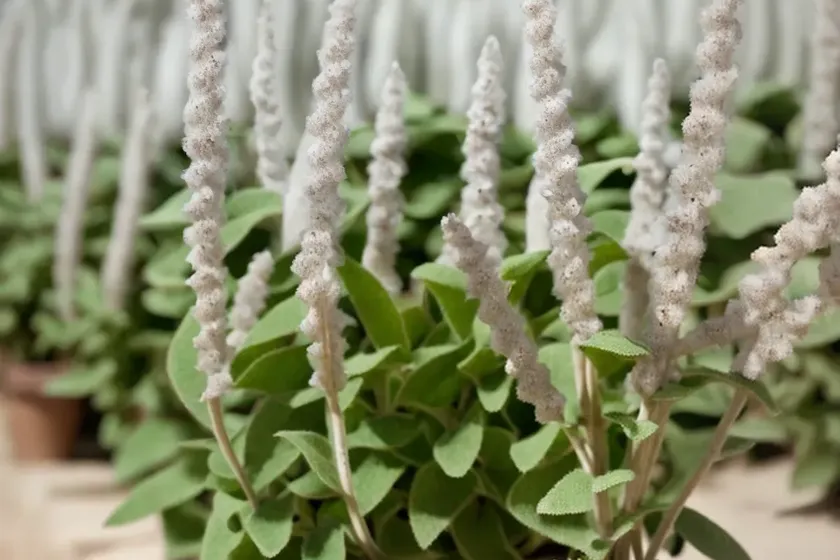
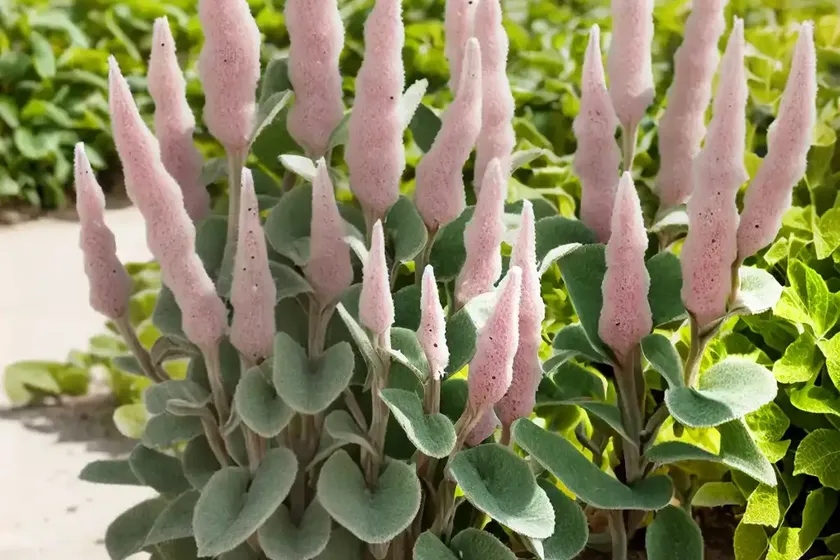
Lamb’s Ear, scientifically known as Stachys byzantina, is a versatile and visually appealing plant known for its soft, velvety leaves. This perennial herbaceous plant belongs to the Lamiaceae family, which includes a variety of aromatic plants such as mint, basil, and lavender.
What is Lamb’s Ear?
Lamb’s Ear, also referred to as woolly hedgenettle, is native to the Middle East, particularly Turkey and Armenia. It is commonly cultivated for its ornamental and medicinal properties, as well as its adaptability to various growing conditions.
Key Takeaways
Here are some key takeaways about Lamb’s Ear (Stachys byzantina) before we delve into its detailed characteristics, benefits, and care requirements:
- Scientific Name: Stachys byzantina
- Family: Lamiaceae
- Common Names: Lamb’s Ear, Woolly Hedgenettle
- Origin: Middle East
- Usage: Ornamental, Medicinal
- Growth Habit: Perennial
- Foliage: Soft, Silvery-Green, Velvety
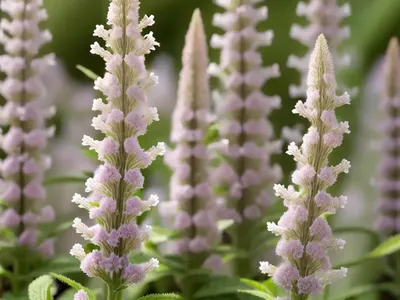
- Flowers: Spikes of Pink-Purple Blooms
- Hardiness Zones: 4-8
Now, let’s explore the various aspects of Lamb’s Ear, including its culture, uses, care requirements, common pests and diseases, propagation methods, and much more.
Culture
Uses
Lamb’s Ear is valued for its diverse uses, which range from ornamental landscaping to medicinal applications.
Ornamental Use
- Groundcover: Due to its low-growing and spreading nature, Lamb’s Ear is often used as a ground cover in gardens, borders, and landscape designs.
- Aesthetics: Its soft, velvety leaves and delicate pink-purple flowers make it an attractive addition to rock gardens and edging plantings.
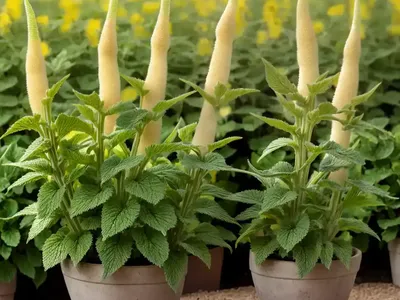
- Container Gardening: The plant thrives well in containers, adding a touch of elegance to patios, balconies, and indoor spaces.
Medicinal Use
- Herbal Remedy: Lamb’s Ear has a history of being used as a traditional herbal remedy for various ailments, including wound healing, inflammation, and skin conditions.
- Culinary Purposes: The edible flowers and young leaves can be used in salads and teas, adding a subtle, earthy flavor to culinary creations.
Water
Lamb’s Ear is renowned for its drought tolerance and can withstand extended periods without regular watering once established. It prefers well-drained soil and benefits from occasional deep watering during prolonged dry spells.
Sunlight
This plant thrives in full sun to partial shade, making it adaptable to a wide range of light conditions. In warmer regions, providing some afternoon shade can help protect the foliage during the hottest part of the day.
Fertilizer
Lamb’s Ear generally does not require frequent fertilization. When planted in nutrient-rich soil, the natural cycle of organic matter decomposition can provide ample nutrition for the plant. However, a light application of balanced organic fertilizer in early spring can support healthy growth.
Soil
The plant thrives in well-draining, slightly alkaline soil, but it can adapt to various soil types, including sandy and clay soils. Amending the soil with organic matter can enhance its texture and fertility, promoting optimal growth.
Soil Requirements
- Texture: Well-draining
- pH: Slightly Alkaline
- Organic Matter: Beneficial for improving soil structure and fertility
Pruning
Lamb’s Ear is relatively low-maintenance when it comes to pruning. Removing spent flower spikes and yellowing foliage can help maintain its appearance and encourage new growth. Additionally, periodic division of mature clumps can prevent overcrowding and rejuvenate the plant.
Propagation
Lamb’s Ear can be propagated through several methods, including division, seed sowing, and stem cuttings.
Division
- Method: Divide mature clumps in spring or fall.
- Outcome: This method yields established plants with minimal effort and time.
Seed Sowing
- Timing: Sow seeds indoors 6-8 weeks before the last frost date.
- Process: Sprinkle seeds lightly over the soil surface and lightly press them in. Keep the soil consistently moist until germination occurs.
Stem Cuttings
- Preparation: Take 4-6 inch stem cuttings from healthy, non-flowering shoots.
- Procedure: Remove the lower leaves and place the cuttings in a well-draining soil mix. Keep the soil evenly moist and provide bottom heat for faster rooting.
Container Popularity
Lamb’s Ear is a popular choice for container gardening, offering an elegant and tactile addition to outdoor and indoor spaces. When grown in containers, it’s essential to select a well-draining potting mix and provide adequate sunlight for the plant’s growth.
Common Diseases
Lamb’s Ear is relatively resistant to disease, but it can be susceptible to certain issues, including fungal infections and root rot under prolonged wet conditions. Additionally, preventing overcrowding and ensuring proper air circulation can help reduce the risk of foliar diseases.
Disease Diagnosis
Common signs of disease in Lamb’s Ear may include yellowing or browning of the foliage, wilting, and stunted growth. Careful inspection of the plant can help identify the specific issue, allowing for targeted treatment and preventive measures.
Common Pests
Despite its resilience, Lamb’s Ear may encounter pests such as aphids, spider mites, and slugs, particularly in humid environments. Regular monitoring and prompt action can help manage pest infestations effectively.
Botanist’s Tips
Whether you are a seasoned gardener or a novice plant enthusiast, here are some expert tips for cultivating and caring for Lamb’s Ear:
- Mulching: Applying a layer of organic mulch around the plant can help conserve moisture, suppress weed growth, and maintain a uniform soil temperature.
- Air Circulation: Ensuring adequate spacing between Lamb’s Ear plants can enhance air circulation, reducing the risk of fungal diseases and promoting overall plant health.
- Overwintering: In colder regions, protecting Lamb’s Ear with a layer of mulch or straw during winter can help insulate the roots and protect the plant from frost.
Fun Facts
Before we conclude our comprehensive guide to Lamb’s Ear, let’s explore some fascinating fun facts about this beloved plant:
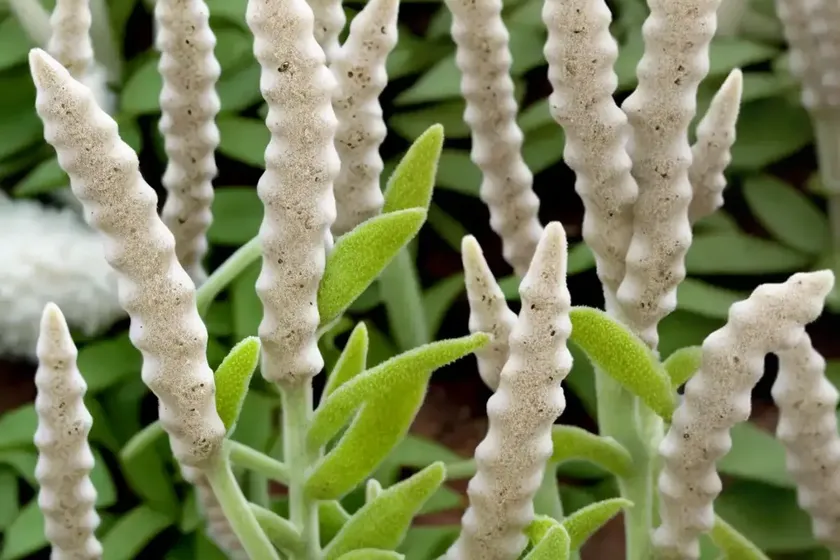
- The leaves of Lamb’s Ear are covered in fine, silvery hairs, giving them a velvety texture that provides a sensory delight.
- In medieval Europe, Lamb’s Ear was often referred to as “Our Lady’s Lamb” due to the resemblance of its leaves to the ears of lambs.
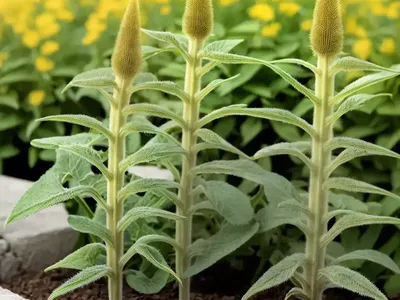
- The plant’s scientific name, Stachys byzantina, is derived from the Greek word “stachys,” which means “spike,” in reference to its flower spikes.
Links to External Resources
For further exploration of Lamb’s Ear (Stachys byzantina), the following resources offer valuable information and insights:
In conclusion, Lamb’s Ear (Stachys byzantina) stands out as an exceptional plant with a myriad of practical and aesthetic applications, making it a cherished addition to gardens, landscapes, and even medicinal herb gardens. As you foster your own Lamb’s Ear plants, let the velvety foliage and delicate flowers inspire your appreciation for the wonders of nature.