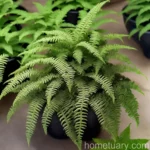
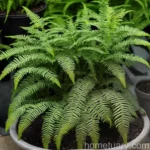
Lady Fern (Athyrium filix-femina ‘Minutissimum’)
Ferns are fascinating plants that have been around for millions of years. With their delicate fronds and ability to thrive in shade, they have become a popular choice for gardens and landscapes. One particular variety, the lady fern (Athyrium filix-femina ‘Minutissimum’), has gained attention for its unique characteristics and versatility in different settings. In this comprehensive guide, we will explore the key aspects of the lady fern, including its culture, uses, care requirements, propagation, common diseases, and more.
What is Lady Fern?
The lady fern, scientifically known as Athyrium filix-femina ‘Minutissimum’, is a compact and delicate fern variety that belongs to the Athyrium filix-femina species. It is a smaller version of the native lady fern, characterized by its finely textured fronds and graceful appearance. This fern is a deciduous perennial that is native to the temperate regions of the Northern Hemisphere, where it can be found in woodlands, along streams, and in moist, shaded areas.
Key Takeaways – Lady Fern (Athyrium filix-femina ‘Minutissimum’)
Before delving into the specifics of lady fern care and cultivation, here are some key takeaways about this elegant fern variety:
- Lady fern (Athyrium filix-femina ‘Minutissimum’) is a compact and low-growing fern with finely divided fronds.
- It is well-suited for shaded areas and thrives in moist, well-drained soil.
- This fern is popular for its ornamental value and can be used in garden borders, woodland landscapes, and container gardens.
- Lady ferns are relatively low-maintenance and can be propagated through division or spore sowing.
Now, let’s explore the various aspects of growing and caring for lady ferns in more detail.
Culture
Understanding the cultural requirements of lady ferns is essential for successfully incorporating them into a garden or landscape. This encompasses factors such as water, sunlight, soil, and fertilizer needs.
Water
Lady ferns are ideally suited to moist environments and thrive in soil that is consistently moist but well-drained. They prefer to be kept evenly moist and will suffer if the soil becomes too dry. Regular watering, especially during dry periods, is essential to ensure the health and vitality of these ferns.
Sunlight
One of the defining characteristics of lady ferns is their preference for shaded or partially shaded areas. These ferns are well-adapted to low-light conditions and are often used to add interest to shaded gardens or woodland landscapes. When grown in full sun, lady ferns are more likely to experience stress and may exhibit signs of leaf scorch or wilting.
Soil
Lady ferns thrive in humus-rich, well-drained soil with a slightly acidic to neutral pH range. Amending the soil with organic matter such as compost or leaf mold can provide the ideal growing medium for these ferns. Additionally, a slightly moist substrate that retains water without becoming waterlogged is beneficial for the overall health of the plants.
Fertilizer
Fertilization needs for lady ferns are relatively minimal, as they are not heavy feeders like some other plant species. However, applying a balanced, slow-release fertilizer in the spring can provide the necessary nutrients for healthy growth. It is important to follow the manufacturer’s recommendations for application rates, as over-fertilization can lead to adverse effects on the ferns.
Uses
Lady ferns have a range of uses in gardening and landscaping, thanks to their ornamental charm and adaptability to different settings. Understanding the various applications of these ferns can inspire creative and practical ways to incorporate them into outdoor spaces.
Garden Borders and Woodland Landscapes
The delicate and graceful appearance of lady ferns makes them ideal candidates for garden borders and woodland landscapes. Their low-growing habit and preference for shade allow them to complement a wide range of companion plants, adding texture and visual interest to these areas.
Container Gardens
Lady ferns can also thrive in containers, making them versatile options for patio gardens, balconies, and other outdoor spaces with limited planting areas. When grown in containers, they can be positioned in shaded corners or as part of mixed plant arrangements, where their foliage can provide a softening effect.
Ornamental Ground Cover
In shaded or partially shaded areas, lady ferns can be used as a ground cover to create a carpet of lush green foliage. This application is particularly effective in woodland gardens or naturalistic settings, where the ferns can spread and fill in bare spaces over time.
Indoor Gardens and Landscapes
For those seeking to bring a touch of nature indoors, lady ferns can be cultivated as houseplants. Their tolerance for low-light conditions makes them well-suited for interiorscapes, where they can thrive as decorative accents in homes, offices, or public spaces.
Pruning
Pruning is a task that can help maintain the health and appearance of lady ferns, especially as they grow and develop. While these ferns typically require minimal pruning, there are some considerations to keep in mind.
Removal of Dead or Damaged Fronds
Regularly inspecting lady ferns for dead or damaged fronds and promptly removing them can help maintain the overall aesthetic appeal of the plants. This practice also prevents the potential spread of diseases and allows for better air circulation within the foliage.
Division
Periodic division of lady ferns can be beneficial for rejuvenating older clumps and promoting new growth. Dividing the ferns every few years, typically in early spring, helps prevent overcrowding and encourages the development of healthy, vigorous plants.
Propagation
The propagation of lady ferns offers the opportunity to expand plantings or share these elegant ferns with others. Understanding the methods of propagation, such as division and spore sowing, can empower gardeners to create new displays of these captivating plants.
Division
Dividing lady ferns is a straightforward method of propagation that involves separating existing clumps into smaller sections. This process is typically carried out in the early spring, just as new growth begins to emerge. Each divided section should contain healthy roots and fronds, which can then be replanted in suitable growing locations.
Spore Sowing
For those seeking a more hands-on approach to propagation, spore sowing can be an intriguing method of producing new lady fern plants. Collecting spores from mature fronds and sowing them onto a suitable germination medium, such as peat moss or a mix of peat and sand, can initiate the growth of new ferns. This method requires patience and attention to detail, as the spores need to be provided with appropriate conditions for germination and subsequent growth.
Container Popularity
The popularity of lady ferns as container plants stems from their ability to thrive in shaded environments and their aesthetic appeal as ornamental additions. The compact size of the ‘Minutissimum’ variety further enhances its suitability for container cultivation, making it an attractive choice for various outdoor and indoor settings.
Outdoor Containers
When grown in outdoor containers, lady ferns can be featured in shaded patios, porches, or other outdoor spaces. Their delicate fronds and low-growing habit create a soft and naturalistic ambiance, adding a touch of greenery to areas that may lack direct sunlight.
Indoor Containers
Lady ferns are well-suited for indoor containers and can be placed in homes, offices, or public buildings to introduce a refreshing element of nature. Their tolerance for low-light conditions makes them resilient options for interior settings, where they can thrive as part of decorative plant displays.
Common Diseases
While lady ferns are generally hardy and resilient, they can be susceptible to certain diseases that may affect their growth and appearance. Being aware of common diseases and their associated symptoms is essential for timely intervention and effective management.
Anthracnose
Anthracnose, caused by fungal pathogens, can lead to the development of brown or tan spots on the fronds of lady ferns. In severe cases, these spots may coalesce, causing extensive damage to the foliage. Proper sanitation and ensuring good air circulation can help prevent the onset and spread of anthracnose.
Rhizoctonia Root Rot
Rhizoctonia root rot is a disease caused by soilborne fungi that can affect the roots of lady ferns. Symptoms include stunted growth, wilting fronds, and overall decline in plant vigor. Implementing proper watering practices and avoiding overwatering can mitigate the risk of rhizoctonia root rot.
Rust
Rust, characterized by orange to brown pustules on the undersides of fronds, is another potential concern for lady ferns. It is caused by fungal pathogens that thrive in humid conditions. To minimize the risk of rust, it is advisable to maintain good air circulation and avoid overhead watering, which can create an environment conducive to fungal growth.
Disease Diagnosis
Diagnosing diseases in lady ferns involves observing the characteristic symptoms and understanding the environmental and cultural factors that may contribute to disease development. By closely examining the plants and their growing conditions, it is possible to make informed assessments and take appropriate remedial actions.
Visual Symptoms
Inspecting the fronds and foliage for irregularities, such as discoloration, spotting, or wilting, can provide valuable clues about the presence of diseases in lady ferns. It is important to note the specific characteristics of the symptoms, including their location and extent, to aid in accurate diagnosis.
Environmental Factors
Considering the environmental conditions, such as moisture levels, air circulation, and temperature, is crucial when diagnosing diseases in lady ferns. Certain diseases are more likely to occur under specific environmental conditions, and identifying any contributing factors can help in understanding the underlying causes of plant health issues.
Disease Identification
Seeking assistance from plant health professionals or diagnostic laboratories can be valuable in identifying specific diseases affecting lady ferns. Submitting samples of affected plant material for analysis can lead to precise diagnoses and recommendations for disease management strategies.
Common Pests
In addition to diseases, lady ferns can also be susceptible to insect pests that may feed on the foliage and cause damage to the plants. Understanding the common pests and their behaviors is essential for implementing effective pest control measures.
Spider Mites
Spider mites are tiny arachnids that can infest lady ferns and cause stippling or yellowing of the foliage. These pests thrive in dry conditions and can quickly reproduce, leading to widespread damage if left unchecked. Regularly monitoring the undersides of fronds and maintaining adequate humidity levels can help prevent spider mite infestations.
Aphids
Aphids are small, soft-bodied insects that may cluster on the new growth of lady ferns, sucking plant sap and potentially causing deformities in the foliage. Their presence can often be detected by the presence of sticky honeydew and the attraction of ants to the affected plants. Natural predators, such as ladybugs and lacewings, can assist in controlling aphid populations.
Slugs and Snails
Slugs and snails are common pests that may feed on the tender fronds of lady ferns, leaving behind ragged edges and holes. These pests are typically active at night and in damp conditions, making them more challenging to manage. Strategies such as handpicking, barriers, and the use of iron phosphate-based baits can help deter slugs and snails from feeding on the ferns.
Botanist’s Tips
As a plant scientist with a passion for ferns, I am delighted to share some practical tips for cultivating and enjoying lady ferns in diverse gardening and landscaping settings. These insights are intended to enhance the understanding of these elegant plants and support their successful cultivation.
Provide Consistent Moisture
Lady ferns thrive when provided with consistent moisture, especially during the growing season. Maintaining evenly moist soil, without allowing it to become waterlogged, can promote healthy growth and lush foliage.
Mulch Around Plants
Applying a layer of organic mulch, such as shredded bark or leaf mold, around lady ferns can help conserve soil moisture and suppress weed growth. This practice also contributes to the enrichment of the soil and provides a natural aesthetic in garden beds.
Monitor Light Levels
Regularly assess the light levels in the areas where lady ferns are situated, especially in the case of outdoor plantings. Ensuring that the ferns receive the appropriate amount of shade is crucial for their overall well-being and longevity.
Observe Cultural Preferences
Understanding the cultural preferences of lady ferns, including their need for well-drained soil, shaded environments, and moderate fertilization, can aid in creating optimal conditions for these plants to thrive.
Encourage Naturalized Settings
Incorporating lady ferns into naturalized settings, such as woodland gardens or shaded borders, can enhance their visual appeal and contribute to the creation of harmonious plant communities.
Fun Facts
To round out our exploration of lady ferns, let’s delve into some fun and intriguing facts about these elegant plants. Understanding the unique characteristics and ecological significance of lady ferns adds depth to our appreciation of these captivating botanical treasures.
Ancient Origins
Ferns, including lady ferns, are ancient plant species that have existed for hundreds of millions of years. Their delicate fronds and intricate reproductive structures have fascinated botanists and naturalists throughout the ages.
Spore Reproduction
Rather than producing seeds, lady ferns and other fern species reproduce via spores, which are produced on the undersides of their fronds. This distinctive method of reproduction sets ferns apart from many other types of plants.
Ecological Importance
Lady ferns contribute to the ecological balance of diverse habitats, providing shelter for small animals, acting as food sources for certain insects, and adding to the overall biodiversity of natural landscapes.
Fern Lore
In folklore and mythology, ferns have been associated with diverse cultural beliefs and superstitions. The concept of finding a “fern seed” to gain invisibility or luck has been a recurring motif in various traditions.
Horticultural Artistry
Lady ferns, with their delicate fronds and graceful form, have inspired horticulturists and artists alike, leading to their inclusion in botanical illustrations, garden designs, and artistic compositions.
Links to External Resources
For further exploration of lady ferns and related topics, the following external resources provide valuable information, insights, and practical guidance for enthusiasts, gardeners, and plant scientists:
1. The American Fern Society: The official website of The American Fern Society offers a wealth of resources on ferns, including lady ferns and their cultivation.
2. Royal Horticultural Society – Ferns: The Royal Horticultural Society’s comprehensive guide to ferns includes valuable information on growing lady ferns and other fern varieties.
3. University of Illinois Extension – Ferns: This resource from the University of Illinois Extension provides practical advice on growing ferns, including lady ferns, in different environments.
4. Missouri Botanical Garden – Hardy Ferns: The Missouri Botanical Garden’s guide to hardy ferns includes insights into the characteristics and cultivation of lady ferns and similar species.
5. North American Native Plant Society: The North American Native Plant Society’s website offers information on native fern species, including lady ferns, and their role in native plant landscapes.
6. The British Pteridological Society: The British Pteridological Society provides specialized information on ferns, including lady ferns, and supports the conservation and appreciation of these plants.
In conclusion, lady ferns are graceful and versatile plants that can enrich a wide range of outdoor and indoor spaces. By understanding their cultural requirements, propagation methods, potential diseases and pests, and horticultural significance, enthusiasts and gardeners can cultivate and appreciate these captivating ferns with confidence and enthusiasm. Whether used in shaded gardens, woodland landscapes, or container arrangements, lady ferns bring a touch of elegance and natural beauty to diverse settings, captivating the admirers of botany and nature.
This blog post aims to provide a comprehensive guide to lady ferns (Athyrium filix-femina ‘Minutissimum’), covering their culture, uses, care requirements, propagation, common diseases, and more. The information presented reflects the latest insights and knowledge in the field of plant science and horticulture. For further exploration, external resources have been included to facilitate additional research and learning.