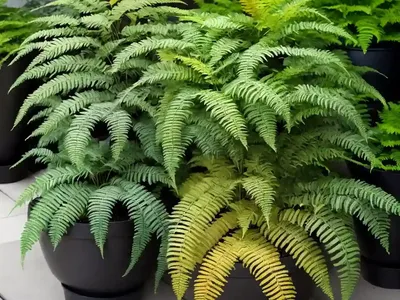
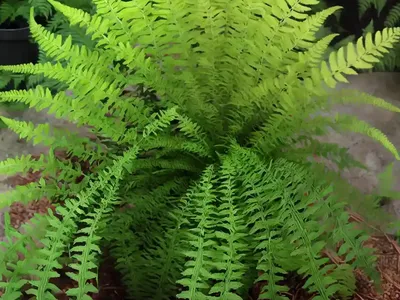
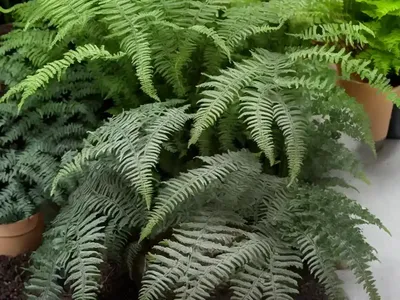
Athyrium Niponicum Var. Pictum (Painted Lady Fern)
Athyrium niponicum var. pictum, commonly known as the Painted Lady Fern or Japanese Painted Fern, is a striking and popular fern species that belongs to.
What is Athyrium niponicum var. pictum?
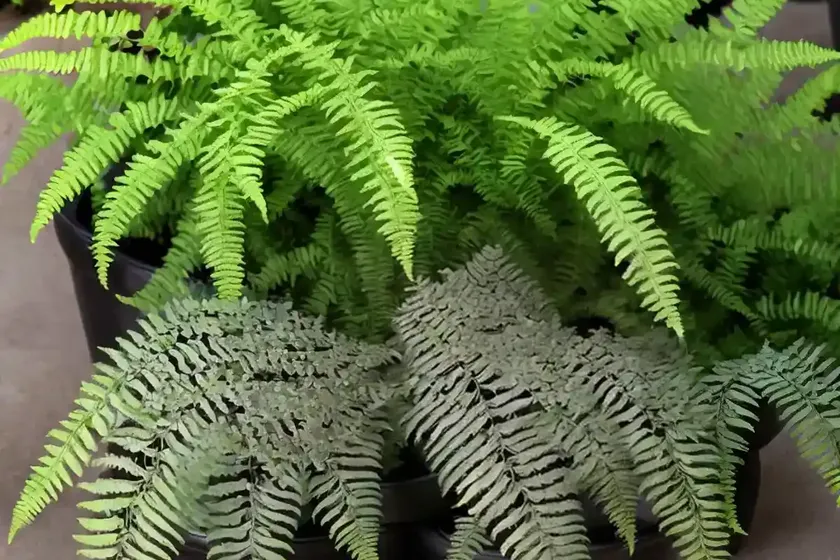
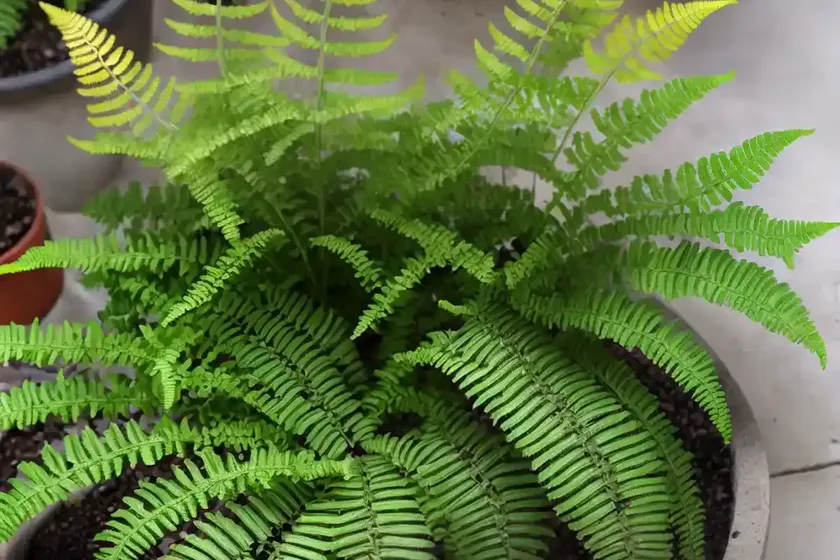
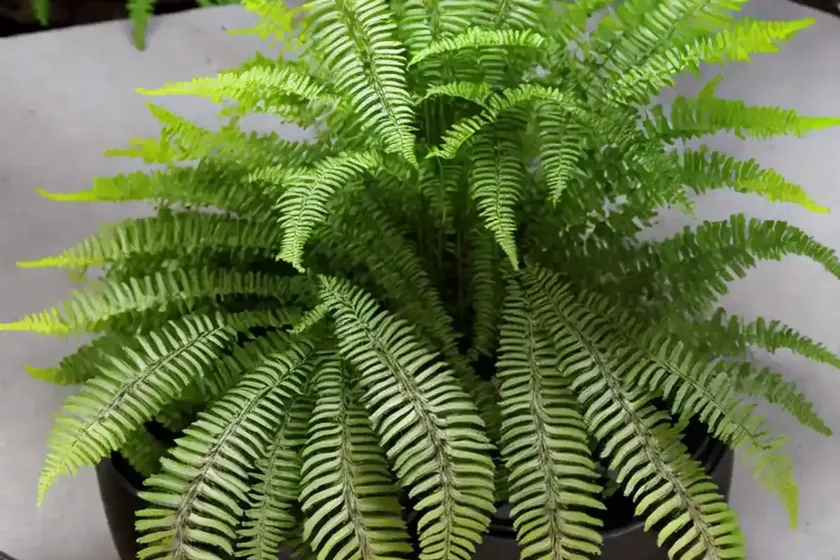
Athyrium niponicum var. pictum, commonly known as the Painted Lady Fern or Japanese Painted Fern, is a striking and popular fern species that belongs to the family Athyriaceae. This deciduous fern is renowned for its delicate, variegated foliage, making it a prized addition to shaded gardens and landscapes.
The unique and unusual characteristics of Athyrium niponicum var. pictum make it a sought-after choice for fern enthusiasts, landscape architects, and home gardeners. Understanding its cultural requirements, uses, and maintenance can help in its successful cultivation and propagation.
Key Takeaways – Athyrium niponicum var. pictum (Painted Lady Fern)
Before delving into the specific cultural requirements and uses of Athyrium niponicum var. pictum, let’s review some of the most important takeaways about this distinctive fern species.
Culture
- Plant Type: Deciduous fern
- Hardiness Zone: Zones 4-8
- Mature Size: 18-24 inches tall and wide
- Foliage: Variegated, silvery-green fronds with contrasting maroon midribs
Uses
- Garden: Shade-loving ornamental fern, foliage accent
- Landscape: Borders, ground cover, mixed plantings
- Containers: Versatile choices for shaded container gardens
Water
- Requirement: Regular, consistent moisture
Sunlight
- Light Level: Part to full shade
Fertilizer
- Fertilization: Moderate feeding during the growing season
Soil
- Soil Type: Well-draining, humus-rich soil
Pruning
- Pruning: Minimal pruning required for maintenance
Propagation
- Propagation: Division, spore propagation
Container Popularity
- Container Gardens: Often used in shaded container designs
Common Diseases
- Diseases: Susceptible to rust, scale, and leaf spot diseases
Disease Diagnosis
- Diagnosis: Visual inspection, professional diagnosis for severe cases
Common Pests
- Pests: Vulnerable to aphids, mealybugs, and scale insects
Botanist’s Tips
- Tip: Regular watering and adequate humidity are essential for vibrant foliage
- Tip: Pair with complimentary shade-loving plants for stunning plantings
Fun Facts
- Fact: It is native to Eastern Asia, including Japan and Korea
- Fact: The variegated fronds provide year-round interest in the garden
- Fact: Painted Lady Fern has been recognized as the Perennial Plant of the Year by the Perennial Plant Association
Athyrium niponicum var. pictum in Detail
Ferns, including Athyrium niponicum var. pictum, are intriguing plants that offer unique textures and colors to gardens. Let’s explore the specific needs and characteristics of this ornamental fern variety.
Athyrium niponicum var. pictum (Painted Lady Fern)
Athyrium niponicum var. pictum, a captivating accent to shaded gardens, boasts intricate, silvery-green fronds with visually striking maroon midribs. Native to Japan and Korea, this ornamental fern species thrives in temperate climates and makes an elegant addition to landscapes and container gardens alike.
Culture of Athyrium niponicum var. pictum
Understanding the cultural requirements of Athyrium niponicum var. pictum is essential for its successful cultivation. Let’s delve into the specific aspects of its culture.
Water
Painted Lady Ferns have moderate water requirements and favor consistently moist soil. Regular watering, especially during dry periods, promotes healthy growth and vibrant foliage.
Sunlight
Thriving in part to full shade, Athyrium niponicum var. pictum is well-suited for shaded gardens and landscapes. Protecting the fern from direct sunlight is crucial to prevent leaf scorch and maintain the integrity of its variegated foliage.
Fertilizer
Moderate feeding with a balanced, water-soluble fertilizer during the growing season supports the growth and development of Athyrium niponicum var. pictum. Avoid over-fertilization, as it can lead to foliage burn and other issues.
Soil
Well-draining, humus-rich soil with adequate organic matter is ideal for Painted Lady Ferns. Amending the soil with organic compost and peat moss improves its texture and nutrient content, creating an optimal growing environment for the fern.
Pruning
Painted Lady Ferns require minimal pruning for maintenance. Removing old or damaged fronds and sporadically tidying the plant are the primary pruning tasks to ensure a tidy appearance and promote healthy growth.
Propagation
The propagation of Athyrium niponicum var. pictum can be achieved through division and spore propagation. Division, typically performed in spring, involves separating the rhizomes to create new plantings. Spore propagation, a more time-consuming method, entails collecting and sowing spores for growing new ferns.
Uses of Athyrium niponicum var. pictum
The distinct characteristics of Athyrium niponicum var. pictum make it a versatile and sought-after plant for various garden and landscape applications. Let’s explore its uses in detail.
Garden
As a shade-loving ornamental fern, Painted Lady Ferns enhance garden beds with their attractive foliage and unique texture. They serve as eye-catching focal points or complementary elements in shaded gardens, imparting visual interest and diversity to plantings.
Landscape
In landscapes, Athyrium niponicum var. pictum is employed as a ground cover, border plant, or accent within mixed plantings. Its variegated fronds create captivating visual impact, particularly when paired with contrasting foliage or flowering plants.
Containers
Versatile selections for shaded container gardens, painted Lady Ferns add depth and dimension to potted arrangements. They thrive in shaded and sheltered locations, making them well-suited for elevated and ground-level containers, hanging baskets, and terrariums.
The eye-catching foliage of Athyrium niponicum var. pictum enhances the visual interest and appeal of shaded container gardens, effectively expanding the design possibilities for shaded outdoor and indoor spaces.
Container Popularity of Athyrium niponicum var. pictum
The popularity of Athyrium niponicum var. pictum in container gardens stems from its adaptability to shaded environments and its remarkable ornamental qualities. By thriving in containers, Painted Lady Ferns serve as valuable assets in creating lush, diverse, and visually captivating shaded displays.
Common Diseases of Athyrium niponicum var. pictum
As with any plant, Athyrium niponicum var. pictum is susceptible to certain diseases that can affect its growth and appearance. Understanding these common diseases and their diagnosis is essential for successful fern cultivation.
Disease Diagnosis
Visual inspection of the foliage and fronds can aid in the early detection of diseases such as rust, scale, and leaf spots. Prompt identification and monitoring of symptoms, coupled with professional diagnosis for severe cases, are critical for managing and preventing the spread of diseases.
Common Pests Affecting Athyrium niponicum var. pictum
In addition to diseases, Athyrium niponicum var. pictum is vulnerable to pests that can impact its health and vigor. Recognizing these common pests can aid in implementing targeted pest control measures.
Common Pests
Athyrium niponicum var. pictum is vulnerable to infestations by aphids, mealybugs, and scale insects. Monitoring for signs of pest activity and promptly addressing infestations are vital for safeguarding the fern’s vitality and appearance.
Botanist’s Tips for Athyrium niponicum var. pictum Care
Professional insights and tips can guide enthusiasts and gardeners in the successful cultivation and maintenance of Athyrium niponicum var. pictum. Let’s explore some valuable tips for caring for Painted Lady Ferns.
Botanist’s Tips
- Regular watering and adequate humidity are essential for promoting vibrant foliage and optimal growth of Athyrium niponicum var. pictum.
- Pairing Painted Lady Ferns with complimentary shade-loving plants can create stunning, well-balanced garden and landscape compositions.
Fun Facts About Athyrium niponicum var. pictum
Discovering fascinating and intriguing facts about Athyrium niponicum var. pictum can deepen the appreciation for this distinctive fern species and its contributions to gardens and landscapes.
Fun Facts
- Native to Eastern Asia, including Japan and Korea, Athyrium niponicum var. pictum reflects its origins through its unique characteristics and adaptability to temperate climates.
- The variegated fronds of the Painted Lady Fern provide year-round interest in gardens, making it a valuable component of both seasonal and perennial plantings.
- Recognized as the Perennial Plant of the Year by the Perennial Plant Association, Athyrium niponicum var. pictum has earned accolades for its ornamental value and horticultural significance.
Links to External Resources
To further explore and expand knowledge about Athyrium niponicum var. pictum and related topics, the following external resources provide valuable insights, guidance, and in-depth information.
- The American Fern Society
- Royal Horticultural Society – Ferns
- Missouri Botanical Garden – Athyrium niponicum
In conclusion, Athyrium niponicum var. pictum, the Painted Lady Fern, stands out as an exceptional and prized addition to gardens and landscapes. Its variegated foliage, adaptability to shaded environments, and ornamental value make it a sought-after choice for fern enthusiasts and gardeners seeking versatile, low-maintenance plants for their outdoor and indoor spaces.
Understanding the cultural requirements, uses, and maintenance of Athyrium niponicum var. pictum fosters successful cultivation and propagation, allowing enthusiasts and horticulturalists to appreciate and showcase the distinct beauty and charm of this captivating fern species.