Illawarra Flame Tree (Brachychiton Acerifolius)
The Illawarra Flame Tree, scientifically known as Brachychiton acerifolius, is a magnificent and iconic Australian native tree. It is renowned for its.
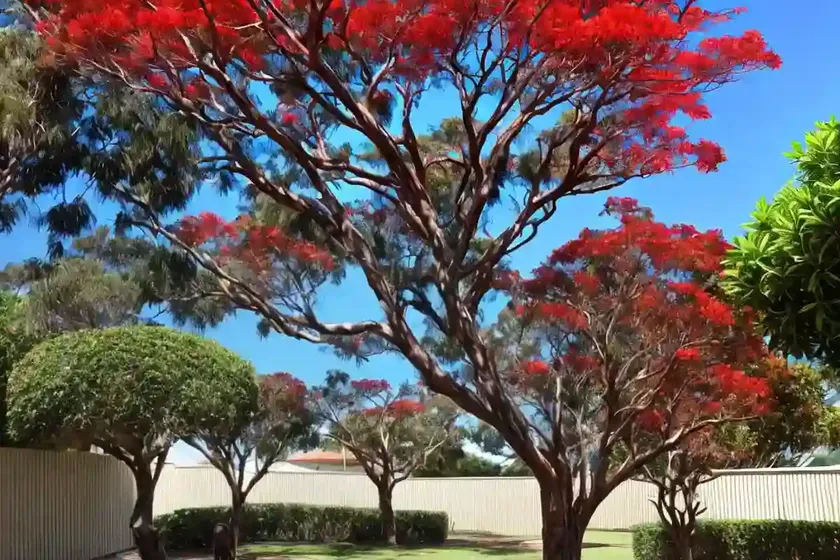
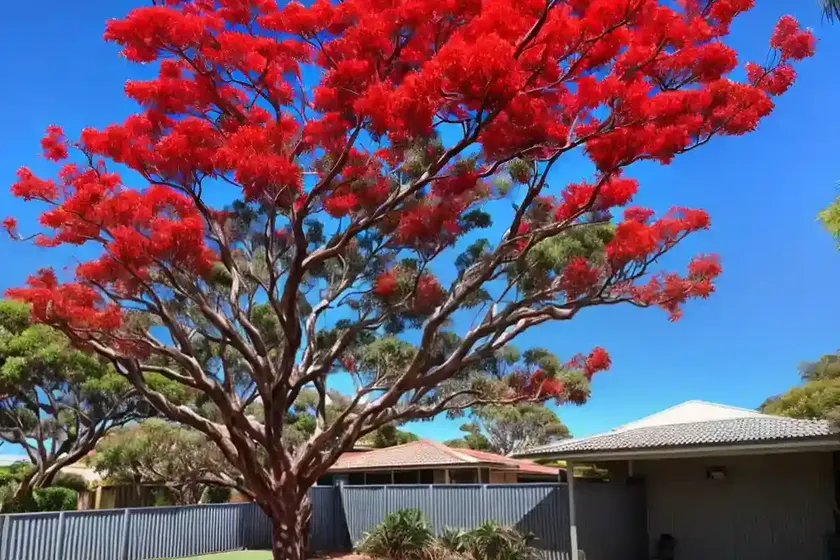
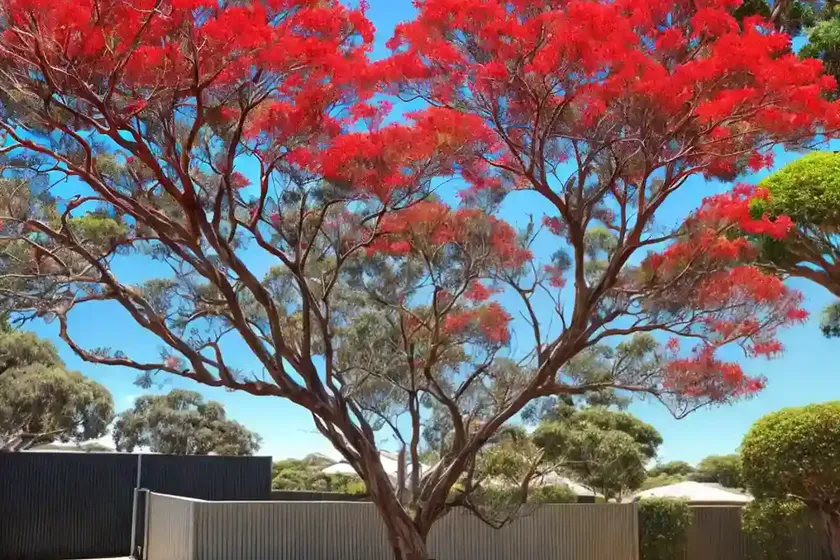
The Illawarra Flame Tree, scientifically known as Brachychiton acerifolius, is a magnificent and iconic Australian native tree. It is renowned for its striking display of fiery red blooms during the Australian summer, attracting not just pollinators but also human admirers. In this comprehensive guide, we’ll delve into every aspect of this remarkable plant, from its cultural significance to its growth requirements and maintenance. Whether you’re a seasoned gardener or a novice enthusiast, there’s something for everyone to learn about this stunning tree.
Image source: Wikimedia Commons
What is the Illawarra Flame Tree (Brachychiton Acerifolius)?
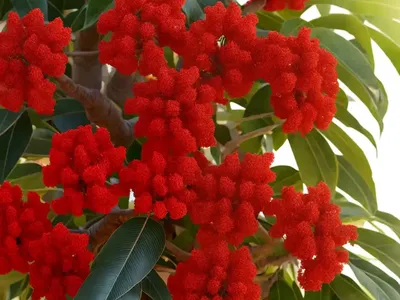
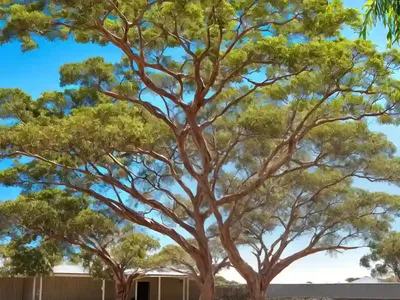
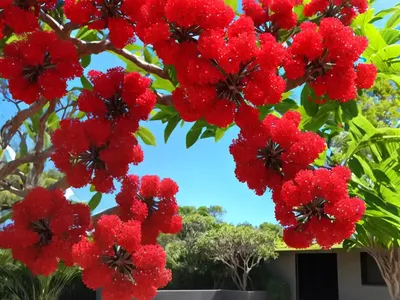
The Illawarra Flame Tree is a deciduous tree native to the subtropical regions of eastern Australia. It belongs to the Malvaceae family and is characterized by its vibrant, bell-shaped scarlet flowers which appear in dense clusters at the end of its branches. The tree typically grows to a height of 25-40 meters and has a dome-shaped canopy. Its large, maple-like leaves add to its appeal and make it a popular choice for landscaping and ornamental purposes.
Key Takeaways – Illawarra Flame Tree (Brachychiton Acerifolius)
- Family: Malvaceae
- Native Habitat: Eastern Australia
- Height: 25-40 meters
- Flower Color: Fiery Red
- Leaf Shape: Maple-like
Now that we have a general understanding of this beautiful tree, let’s explore the various aspects of its care and maintenance.
Culture
Culturally, the Illawarra Flame Tree holds significant importance among Indigenous Australian communities. Its striking red flowers have been used in traditional ceremonies and its durable timber has been utilized for making tools and ceremonial items. Additionally, the tree is highly valued for its role in attracting wildlife, particularly birds and insects, contributing to the overall biodiversity of its native habitat.
Uses
The Illawarra Flame Tree is primarily cultivated for its ornamental value, gracing gardens, parks, and urban landscapes with its spectacular display of red blooms. Its timber, while not as commercially significant as other hardwood species, has been used in local crafts and woodworking.
Water
The Illawarra Flame Tree is relatively drought-tolerant once established, but it benefits from regular watering, especially during dry periods. Adequate moisture is essential for promoting healthy growth and flowering.
Sunlight
For optimal growth and flowering, the Illawarra Flame Tree thrives in full sun. It requires at least 6-8 hours of direct sunlight daily to perform at its best.
Fertilizer
While the Illawarra Flame Tree is not particularly demanding in terms of fertilization, applying a balanced, slow-release fertilizer in spring can enhance its overall health and vigor.
Soil
The tree prefers well-draining soil and can adapt to a variety of soil types, including sandy, loamy, or clay soils. It is important to avoid waterlogged conditions as this can lead to root rot.
Pruning
Pruning is generally minimal for the Illawarra Flame Tree, primarily to remove dead or damaged branches and to shape the tree when necessary. Pruning is best done after flowering to avoid interfering with the next season’s blooms. Proper pruning techniques help maintain the tree’s natural form and structure.
Propagation
The Illawarra Flame Tree can be propagated from seeds or cuttings. Seed propagation is the most common method and involves collecting the seeds from mature pods and sowing them in well-draining potting mix. Cuttings can also be taken from semi-hardwood and treated with rooting hormone to encourage root growth.
Container Popularity
While the Illawarra Flame Tree is predominantly grown in outdoor settings due to its large size, it is possible to grow it in large containers when young. This allows for greater mobility and can be an excellent option for urban gardeners or those with limited space.
Container Common Diseases
Disease Diagnosis
The Illawarra Flame Tree is relatively resistant to diseases, but it may occasionally be affected by fungal infections such as powdery mildew or anthracnose. Symptoms include white powdery patches on the leaves or dark lesions on the branches and stems. Proper sanitation and air circulation can help prevent these issues.
Common Pests
The tree is susceptible to sap-sucking pests such as aphids and scale insects, which can be controlled through the use of horticultural oils or insecticidal soaps. Regular inspection of the foliage can help detect infestations early on.
Botanist’s Tips
- Plant the Illawarra Flame Tree in a spacious area with plenty of room for its mature size and canopy spread.
- Water young trees regularly to promote strong root development.
- Prune with caution, focusing on removing dead or crossing branches to maintain the tree’s natural beauty.
Fun Facts
- The name “Illawarra” is a region in New South Wales, Australia, where the tree is commonly found.
- The bright red blooms of the Illawarra Flame Tree are often likened to flames, earning it its evocative name.
- The tree’s large, leathery seed pods contain numerous seeds and are often retained on the tree even after the leaves have fallen, adding to its visual interest.
Now that we’ve covered the essential aspects of the Illawarra Flame Tree, let’s explore some additional resources for those interested in further information.
Links to External Resources
- Royal Botanic Gardens Victoria – Illawarra Flame Tree Fact Sheet
- Gardening Australia – Growing Illawarra Flame Trees
In conclusion, the Illawarra Flame Tree stands out as a visually captivating and culturally significant tree, making it a valuable addition to any landscape. With the right care and attention to its specific requirements, this iconic Australian native can thrive and continue to captivate admirers with its stunning display of fiery red blossoms. Whether you’re drawn to its ornamental beauty, its ecological contributions, or its cultural significance, the Illawarra Flame Tree remains a beloved and cherished component of Australia’s natural heritage.