Aloe Plicatilis (Fan Aloe)
Aloe plicatilis, commonly known as the Fan Aloe, is an exceptional succulent plant native to the Western Cape region of South Africa. Renowned for its.
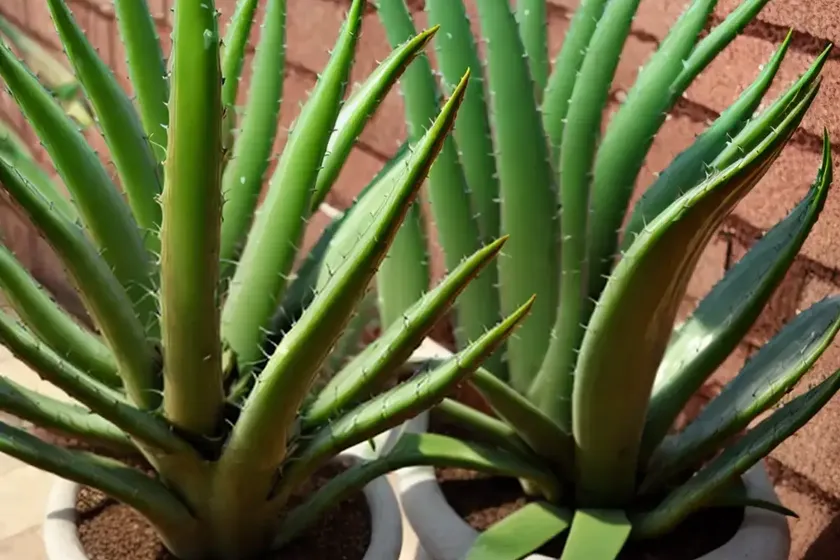
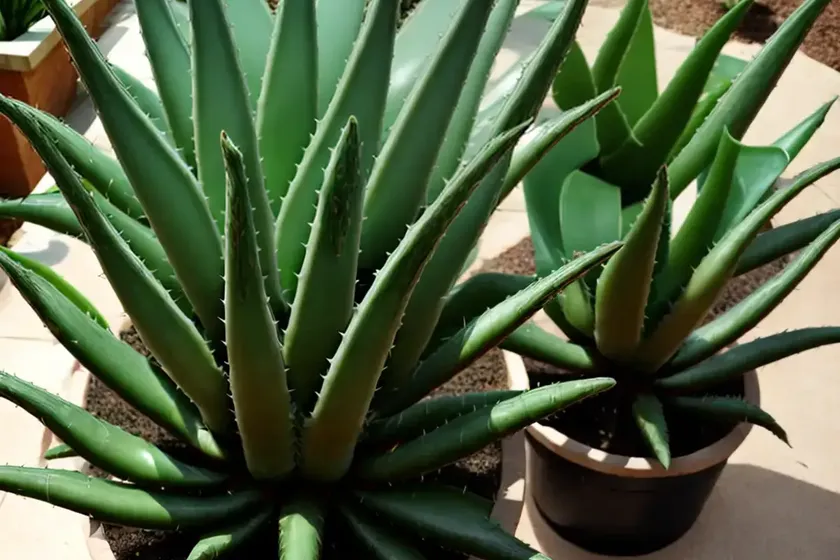
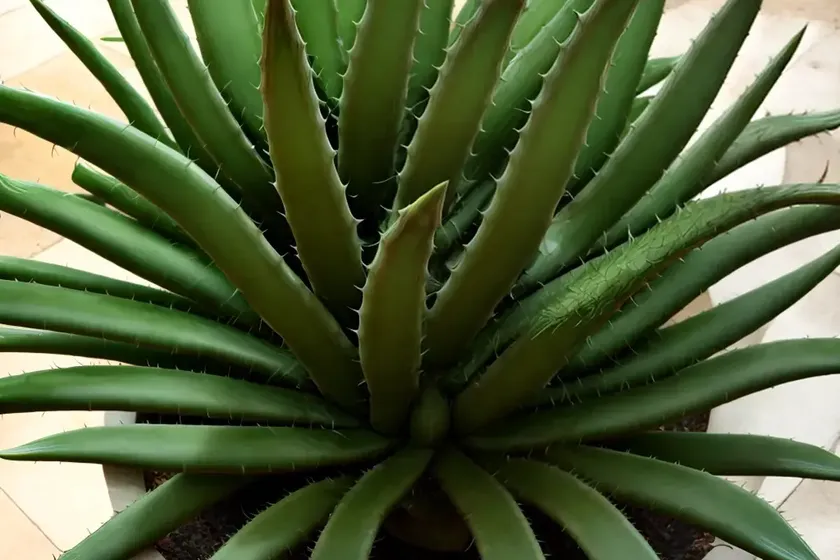
Aloe plicatilis, commonly known as the Fan Aloe, is an exceptional succulent plant native to the Western Cape region of South Africa. Renowned for its striking fan-shaped foliage and remarkable resilience, this species has gained popularity among horticulturists, landscapers, and plant enthusiasts around the world. In this comprehensive guide, we will delve into the various aspects of Aloe plicatilis, including its cultural requirements, uses, propagation methods, common diseases, and much more.
What is Aloe plicatilis?
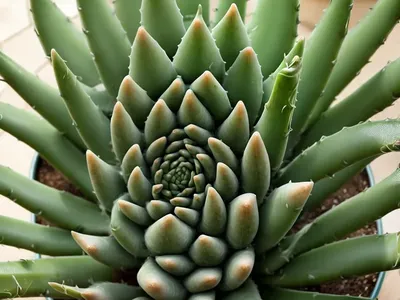
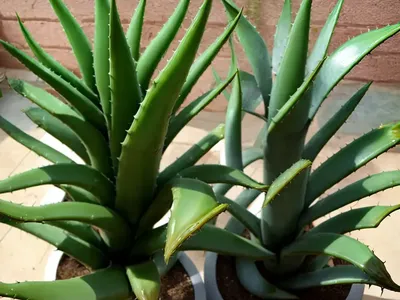
Aloe plicatilis belongs to the family Asphodelaceae and is characterized by its unique appearance, with its leaves arranged in a fan-like manner, hence the common name “Fan Aloe.” This succulent species typically grows in a shrub-like form, reaching heights of up to 10 feet (3 meters) in its natural habitat. The leaves are grayish-green in color, with a distinctively folded or pleated structure, adding to the plant’s visual appeal.
Key Takeaways
Before we delve into the specifics of Aloe plicatilis care and cultivation, let’s highlight some key takeaways that will guide us through this comprehensive guide:
- Fan Aloe Characteristics: Unique fan-shaped foliage with folded or pleated leaves.
- Water Requirements: Moderate water needs; drought-resistant once established.
- Sunlight: Thrives in full sun to partial shade, especially in cooler climates.
- Soil: Well-draining, sandy soil mix is ideal for cultivation.
- Propagation: Can be propagated from seeds or offsets with relative ease.
- Container Gardening: Well-suited for container cultivation, particularly in colder regions.
- Common Diseases: Susceptible to root rot if overwatered, but resilient to most pests.
- Medicinal Uses: Some traditional medicinal applications, primarily for skin-related issues.
- Habitat Conservation: Growing concern for the conservation of its natural habitat due to urbanization and land degradation.
Now, let’s explore each of these aspects in detail to gain a comprehensive understanding of Aloe plicatilis and how to care for this remarkable plant.
Culture
Understanding the cultural requirements of Aloe plicatilis is essential for successfully cultivating and maintaining this unique succulent species. From water and sunlight needs to soil composition and feeding, each aspect plays a crucial role in the overall well-being and growth of the Fan Aloe.
Uses
Ornamental Value
Aloe plicatilis is primarily cultivated for its ornamental value, adding a distinctive and exotic touch to both indoor and outdoor landscapes. Its striking foliage and architectural form make it a standout feature in succulent gardens, rockeries, and container displays. The fan-shaped leaves create a visually appealing display, especially when planted en masse or as a focal point within a garden.
Medicinal Purposes
While the medicinal uses of Aloe plicatilis are not as extensively documented as its close relatives such as Aloe vera, some traditional communities have utilized extracts from the plant for various skin-related issues. The gel-like substance found in the leaves has been used topically to soothe minor burns, cuts, and skin irritations.
Biodiversity Conservation
In its natural habitat, Aloe plicatilis contributes to the overall biodiversity and ecological balance, providing nectar and habitat for various pollinators and small wildlife. As urbanization and land degradation continue to pose threats to its native environment, the cultivation of Aloe plicatilis in gardens and botanical collections plays a role in conserving its genetic diversity.
Water
Moderate watering is key to the successful cultivation of Aloe plicatilis. As with many succulent species, overwatering can lead to root rot and other complications. During the active growing season, typically spring and summer, the plant should be watered when the top inch of the soil feels dry. In winter, it is essential to reduce watering frequency to mimic the semi-arid conditions of its native habitat.
Sunlight
Fan Aloe thrives in full sun to partial shade, with an emphasis on bright, indirect light in hotter regions. When grown indoors, placing the plant near a sunny window or under grow lights can help meet its sunlight requirements. In more temperate climates, the Fan Aloe can tolerate full sun exposure without experiencing sunburn, making it a versatile choice for various landscapes.
Fertilizer
Aloe plicatilis does not have high nutritional demands, and excessive fertilization can have adverse effects on its growth. During the growing season, a balanced and diluted liquid fertilizer can be applied once every two to three months. However, it is crucial to err on the side of caution with fertilization, as succulents are adapted to thriving in low-nutrient environments.
Soil
The soil mix for Aloe plicatilis should be well-draining and lean. A cactus or succulent potting mix, supplemented with sand or perlite for improved drainage, is an excellent choice for cultivating this species. The goal is to replicate the gritty, well-draining soils found in its native habitat, allowing excess water to drain away rapidly and preventing waterlogged conditions that can be detrimental to the plant’s health.
Pruning
Pruning requirements for Aloe plicatilis are minimal, primarily focusing on the removal of dead or damaged leaves to maintain the plant’s overall aesthetic and health. Additionally, the removal of the spent flower stalks can help redirect the plant’s energy towards new growth. When handling the plant, it is essential to use sharp, clean tools to minimize the risk of introducing pathogens or causing unnecessary damage.
Propagation
Aloe plicatilis can be propagated through offsets, seeds, or stem cuttings, although offsets are the most common method utilized by horticulturists. These offsets, also known as pups, are the small plantlets that develop around the base of the mature Fan Aloe. They can be carefully detached and potted up individually to establish new plants. Seeds can also be used for propagation, although this method requires more time and patience due to the slow growth rate of Aloe seeds.
Container Popularity
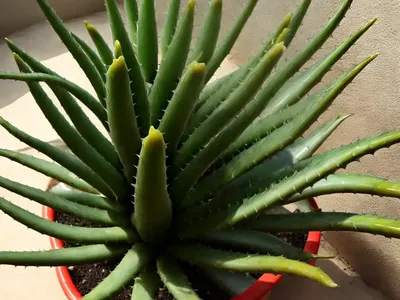
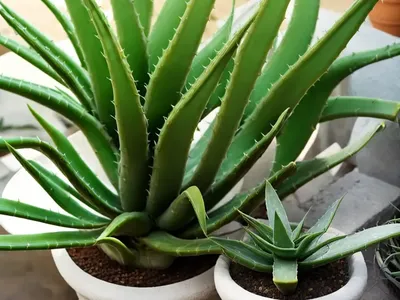
The striking visual appeal and manageable size of Aloe plicatilis make it a popular choice for container gardening. Its adaptability to being grown in pots allows it to thrive in various climate zones, including regions where the winter temperatures may be too low for it to survive outdoors. In addition, its low maintenance needs and drought tolerance make it an excellent candidate for container displays, both indoors and outdoors.
Common Diseases
While Aloe plicatilis is generally resistant to most pests and diseases, overwatering can lead to issues such as root rot and fungal diseases. Thus, it is crucial to ensure that the soil is well-draining and to avoid excessive moisture around the plant’s root zone. Additionally, proper air circulation and adequate spacing between plants can help minimize the risk of fungal infections, which can be particularly problematic in high humidity environments.
Disease Diagnosis
Diagnosing diseases in Aloe plicatilis often revolves around recognizing the symptoms of overwatering and fungal infections. Yellowing or softening of the lower leaves, accompanied by a foul odor in the soil, are indicative of potential root rot. Fungal diseases may manifest as discolored or distorted growth, often accompanied by powdery or fuzzy patches on the leaves or stems. Timely intervention, such as adjusting the watering regimen and applying appropriate fungicidal treatments, can help mitigate these issues.
Common Pests
Aloe plicatilis is relatively resistant to most pests due to its succulent nature and the bitter-tasting sap within its leaves, which acts as a deterrent to many herbivores. However, occasional challenges from common succulent pests such as aphids, mealybugs, and spider mites may arise. These pests can be managed through non-toxic methods such as spraying with insecticidal soap or neem oil, as well as physical removal for localized infestations.
Botanist’s Tips
As we continue to explore the world of Aloe plicatilis, it is essential to consider some valuable tips and insights from botanists and experienced cultivators. These tips can help enhance the understanding and care of this exceptional succulent species while promoting its successful cultivation and conservation.
Fun Facts
- Aloe plicatilis is a favorite among pollinators such as bees and butterflies, providing a valuable food source during its blooming season.
- The common name “Fan Aloe” is derived from the plant’s distinctive fan-shaped growth habit, which sets it apart from other Aloe species.
- In its natural habitat, Aloe plicatilis commonly grows in rocky, mountainous areas with well-draining soils, showcasing its adaptability to challenging conditions.
Links to External Resources
For further exploration of Aloe plicatilis and related topics, the following external resources provide valuable insights, imagery, and research findings:
Conclusion
In conclusion, Aloe plicatilis, the Fan Aloe, stands as a remarkable botanical specimen with its striking foliage, adaptable nature, and rich ecological significance. As we continue to appreciate and cultivate this species, it is imperative to prioritize its conservation and sustainable cultivation, ensuring the preservation of its genetic diversity and contribution to biodiversity.
Through the insights shared in this comprehensive guide, we hope to inspire a deeper appreciation for Aloe plicatilis and provide the necessary knowledge for its successful cultivation and care in various environments. As we embrace the remarkable qualities of the Fan Aloe, we also recognize the responsibility to safeguard its natural habitat and contribute to its perpetuation for generations to come.