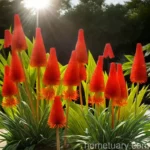
Kniphofia ‘Nobilis’ (Red Hot Poker): A Plant Scientist’s Guide

Kniphofia ‘Nobilis’, commonly known as Red Hot Poker, is a striking perennial plant celebrated for its unique and vibrant flowers that attract bees, butterflies, and even hummingbirds. Its elegant foliage and stunning blooms make it an excellent addition to any garden. As a plant scientist, I am excited to delve into the various aspects of this fascinating plant, including its culture, uses, maintenance, and interesting facts. Whether you’re a seasoned gardener or a beginner, this comprehensive guide will provide you with all the essential information you need to cultivate and appreciate Kniphofia ‘Nobilis’.
What is Kniphofia ‘Nobilis’ (Red Hot Poker)?
Kniphofia ‘Nobilis’ is a herbaceous perennial plant that belongs to the Asphodelaceae family. Originating from South Africa, it is characterized by its upright, sword-like foliage and tall spikes of tubular flowers that create a visually stunning display in the garden. The vibrant flower spikes are usually in shades of red, orange, and yellow, resembling the glowing embers of a fire, thus earning the plant its common name, Red Hot Poker.
Key Takeaways – Kniphofia ‘Nobilis’ (Red Hot Poker)
Before we delve into the specific aspects of Kniphofia ‘Nobilis’, let’s highlight some key takeaways about this remarkable plant:
- Botanical Name: Kniphofia ‘Nobilis’
- Common Name: Red Hot Poker
- Plant Type: Herbaceous perennial
- Native: South Africa
- Attracts: Bees, butterflies, hummingbirds
- Blooms: Summer to early fall
- USDA Hardiness Zones: 5-9
- Height: 3-4 feet
- Spread: 2-3 feet
- Watering: Moderate
- Sunlight: Full sun to partial shade
- Soil: Well-draining, fertile soil
- Uses: Borders, rock gardens, wildlife gardens
Now, let’s explore the various aspects associated with cultivating and caring for Kniphofia ‘Nobilis’.
Culture
Uses
Kniphofia ‘Nobilis’ serves various purposes in the garden and broader landscape. Some of its common uses include:
- Borders: The striking flowers and foliage make it a perfect candidate for borders, where it can add height and visual interest.
- Rock Gardens: Its upright growth habit and vibrant flowers make it an ideal addition to rock gardens, creating a dramatic focal point.
- Wildlife Gardens: The nectar-rich flowers attract pollinators like bees, butterflies, and hummingbirds, enhancing the biodiversity of wildlife gardens.
Water
Proper watering is crucial for the health and vitality of Kniphofia ‘Nobilis’. Here are some key points to consider:
- Established Plants: Once established, Red Hot Poker plants are moderately drought-tolerant. Water deeply but infrequently, allowing the soil to dry out between watering sessions.
- Young Plants: Newly planted Kniphofia ‘Nobilis’ should be watered more frequently to support their establishment and root development.
Sunlight
Like many plants originating from sunny regions, Kniphofia ‘Nobilis’ thrives in full sun to partial shade. Here’s what you need to know about its sunlight requirements:
- Full Sun: It prefers at least 6 hours of direct sunlight to ensure vigorous growth and prolific flowering.
- Partial Shade: While it can tolerate some shade, reduced sunlight may lead to fewer blooms and slightly leggy growth.
Fertilizer
Proper fertilization can significantly enhance the performance of Kniphofia ‘Nobilis’. Consider the following guidelines when fertilizing:
- Timing: Apply a balanced, slow-release fertilizer in spring as new growth emerges to provide the plant with essential nutrients for the growing season.
- Avoid Excess Nitrogen: Avoid high-nitrogen fertilizers, as they can promote lush foliage growth at the expense of flower production.
Soil
Kniphofia ‘Nobilis’ thrives in well-draining, fertile soil. Here are some soil considerations for this plant:
- Texture: It prefers loamy soil with good drainage to prevent waterlogging, which can lead to root rot.
- pH: The ideal soil pH for Kniphofia ‘Nobilis’ ranges from slightly acidic to neutral.
- Amendments: Incorporating organic matter such as compost into the soil can improve its structure and nutrient content, promoting healthy growth.
Pruning
Pruning is an essential aspect of Kniphofia ‘Nobilis’ maintenance. Follow these guidelines for effective pruning:
- Deadheading: Remove spent flower spikes to encourage continuous blooming and maintain a tidy appearance.
- Fall Cleanup: In late fall or early spring, remove any dead or damaged foliage to promote new growth.
Propagation
Division
Division is the most common method of propagating Kniphofia ‘Nobilis’. Here’s a step-by-step guide on how to divide the plant:
- Timing: Divide established clumps in early spring before new growth emerges or in fall after the plant has finished flowering.
- Lifting: Carefully lift the plant from the ground, ensuring that the root ball remains intact.
- Separation: Gently tease apart the individual crowns, ensuring that each division has sufficient roots and healthy growth points.
- Replanting: Plant the divisions in prepared soil at the same depth as they were previously growing, and water thoroughly.
Seed
While Kniphofia ‘Nobilis’ can also be grown from seed, this method is less commonly utilized due to the time it takes for the plant to reach maturity and produce flowers. If you choose to propagate from seed, here are the basic steps to follow:
- Harvesting: Collect mature seeds from the spent flower spikes of the plant.
- Preparation: Scarify the seeds by gently rubbing them with sandpaper to help break their dormancy.
- Sowing: Plant the seeds in seed-starting trays filled with a well-draining starting medium.
- Germination: Keep the trays consistently moist and provide warmth to facilitate germination.
- Transplanting: Once the seedlings have developed several true leaves, transplant them into individual pots or directly into the garden.
Container Popularity
Kniphofia ‘Nobilis’ is well-suited to container cultivation, providing an opportunity for gardeners with limited space to enjoy its vibrant display. When growing Red Hot Poker in containers, consider the following tips:
- Container Size: Use a large, sturdy container with adequate drainage holes to accommodate the plant’s mature size and promote healthy root development.
- Soil: Choose a well-draining potting mix and consider adding some compost to provide essential nutrients.
- Sunlight: Place the container in a location that receives at least 6 hours of sunlight per day.
Container Common Diseases
When growing Kniphofia ‘Nobilis’ in containers, vigilance against potential diseases is crucial for maintaining plant health. Some common diseases to watch out for include:
- Root Rot: Overly saturated soil in containers can lead to root rot, which is often characterized by wilting foliage and a foul odor emanating from the roots.
- Powdery Mildew: In humid conditions, powdery mildew may develop on the plant’s foliage, appearing as a white, powdery coating.
Disease Diagnosis
Diagnosing and addressing plant diseases promptly is crucial for preventing the spread of infections and minimizing damage to the plant. When observing potential disease symptoms on Kniphofia ‘Nobilis’, consider the following steps for accurate diagnosis:
- Visual Inspection: Carefully examine the plant for any unusual symptoms such as discolored or distorted foliage, unusual growths, or signs of wilting.
- Research: Utilize reputable gardening resources and extension websites to compare visual symptoms and narrow down potential diseases.
- Consultation: If in doubt, seek advice from local horticultural experts or plant clinics to confirm the diagnosis and receive appropriate treatment recommendations.
Common Pests
While Kniphofia ‘Nobilis’ is relatively resistant to most pests, it may occasionally encounter infestations from the following common pests:
- Aphids: These small, soft-bodied insects may cluster on the tender new growth, sucking sap from the plant and causing distortion of the leaves.
- Spider Mites: These tiny arachnids can cause stippling or discoloration on the foliage, often accompanied by fine webbing.
Botanist’s Tips
As a plant scientist, I would like to share some essential tips for growing and caring for Kniphofia ‘Nobilis’:
- Well-Drained Soil: Ensure that the soil is well-draining to prevent waterlogged conditions, which can be detrimental to the plant’s health.
- Deadheading: Regular deadheading not only promotes continuous blooming but also enhances the overall appearance of the plant.
- Dividing Regularly: Periodically dividing established clumps can rejuvenate the plant and prevent overcrowding, leading to healthier, more vigorous growth.
Fun Facts
To appreciate Kniphofia ‘Nobilis’ even more, here are some intriguing fun facts about this captivating plant:
- The long, tubular flowers of Kniphofia ‘Nobilis’ are particularly attractive to hummingbirds due to their shape and nectar content.
- In its native habitat of South Africa, Kniphofia ‘Nobilis’ is often found in mountainous regions, thriving in rocky, well-draining soils.
Links to External Resources
- Royal Horticultural Society – Kniphofia ‘Nobilis’ Report
- Missouri Botanical Garden – Growing Red Hot Poker Plants
- University of Florida IFAS Extension – Red Hot Poker Plant Care
As we conclude this comprehensive guide to Kniphofia ‘Nobilis’ (Red Hot Poker), I hope that you have gained a deeper understanding of this remarkable plant and how to nurture it in your own garden. Whether you’re captivated by its vibrant blooms, its ecological importance in attracting pollinators, or simply its sheer beauty, Kniphofia ‘Nobilis’ exemplifies the wonders of the plant world. By embracing its unique characteristics and meeting its cultural requirements, you can experience the joy of cultivating this stunning plant and witnessing its spectacular display season after season. Happy gardening!