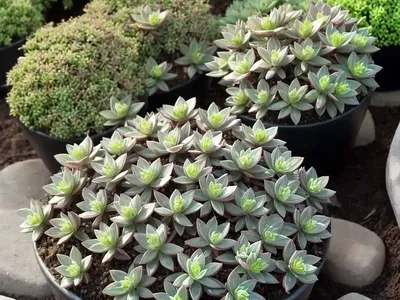
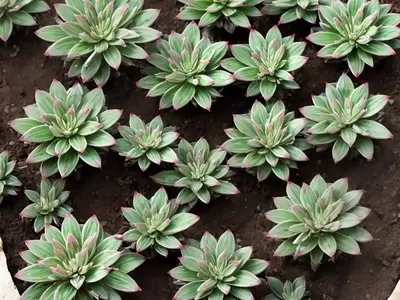
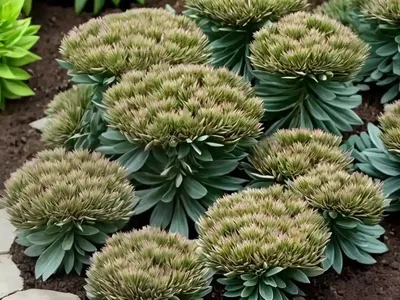
Kalanchoe Wendy (Kalanchoe ‘wendy’)
Kalanchoe Wendy, also known as Kalanchoe ‘wendy’, is a delightful succulent known for its vibrant flowers and ease of care. This resilient plant can thrive.
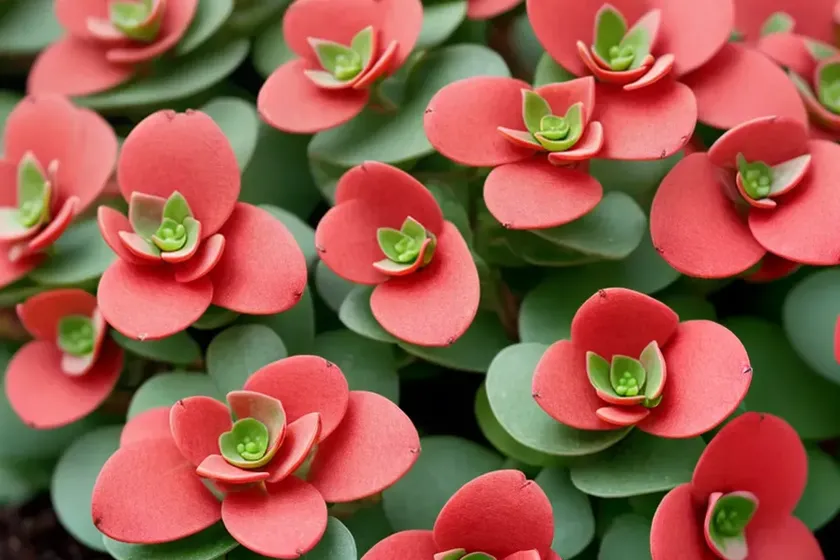
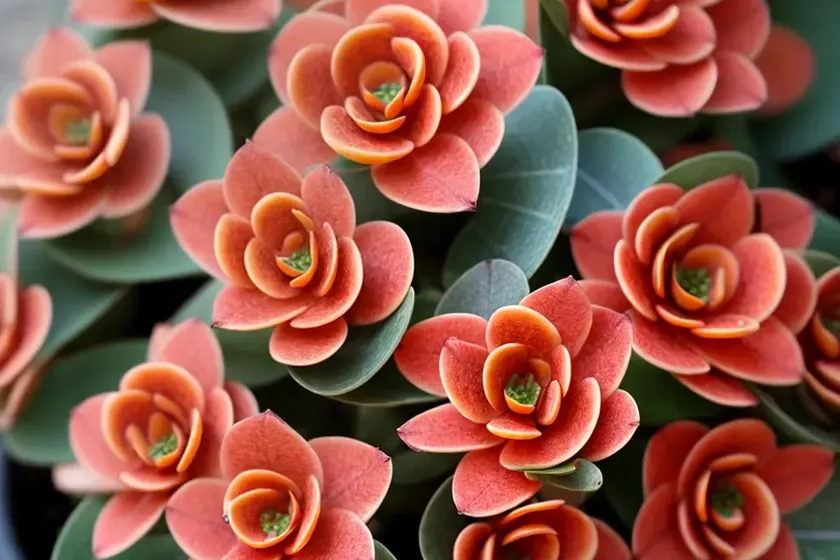
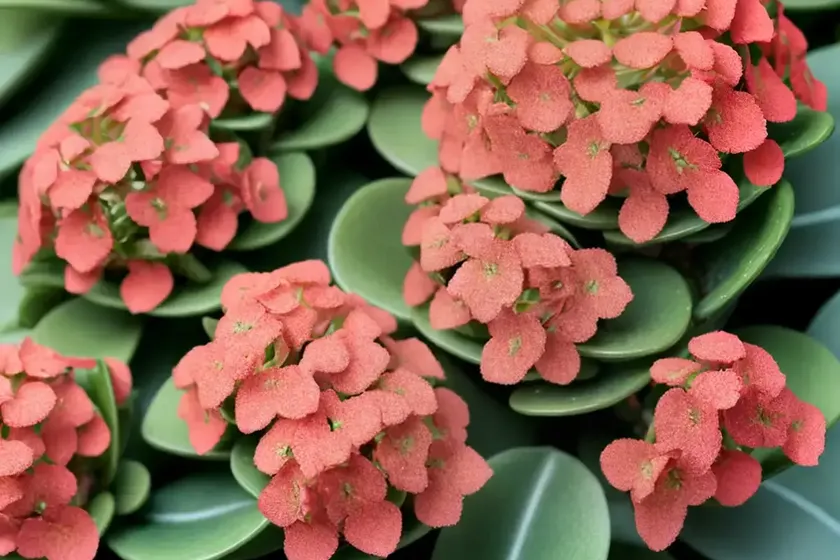
Kalanchoe Wendy, also known as Kalanchoe ‘wendy’, is a delightful succulent known for its vibrant flowers and ease of care. This resilient plant can thrive in various conditions, making it a popular choice for both indoor and outdoor settings. In this comprehensive guide, we will explore the characteristics of Kalanchoe Wendy, including its culture, uses, care requirements, common diseases, and botanist’s expert tips. Whether you are a seasoned succulent enthusiast or a novice plant parent, this article will provide valuable insights into the world of Kalanchoe Wendy.
What is Kalanchoe Wendy?
Kalanchoe Wendy, scientifically referred to as Kalanchoe ‘wendy’, is a charming succulent that belongs to the Crassulaceae family. This species is characterized by its fleshy, green leaves and eye-catching clusters of colorful flowers. The Kalanchoe genus comprises numerous species, and Kalanchoe Wendy stands out for its unique traits and adaptability.
Key Takeaways – Kalanchoe Wendy
Before delving into the specifics of Kalanchoe Wendy, let’s take a quick look at the key takeaways that will be covered in this guide:
- Culture
- Uses
- Water
- Sunlight
- Fertilizer
- Soil
- Pruning
- Propagation
- Container
- Popularity
- Common Diseases
- Disease Diagnosis
- Common Pests
- Botanist’s Tips
- Fun Facts
- Links to External Resources
Now, let’s dive into the fascinating world of Kalanchoe Wendy and explore its various facets.
Culture of Kalanchoe Wendy
Kalanchoe Wendy is a plant that thrives in diverse environments, making it an excellent choice for both novice and experienced gardeners. Understanding the cultural needs of this succulent is crucial for ensuring its optimal growth and overall well-being.
Uses
The versatility of Kalanchoe Wendy makes it suitable for a range of uses, including:
- Indoor and outdoor decoration
- Container gardening
- Landscaping
- Medicinal properties
- Decor trends
- DIY projects
- Gift ideas
The plant’s adaptability and aesthetic appeal open the door to a myriad of creative applications, making it a valuable addition to any plant lover’s collection.
Water
The water needs of Kalanchoe Wendy are modest, and it is essential to strike a balance to prevent overwatering or underwatering. The plant’s succulent nature allows it to store water in its leaves, reducing its dependence on frequent watering. As a general rule, it is advisable to water Kalanchoe Wendy when the top layer of soil feels dry to the touch. Overwatering can lead to root rot, while underwatering may cause the leaves to wilt. Striking a balance is key to maintaining the plant’s health and vibrancy.
Sunlight
Kalanchoe Wendy thrives in bright, indirect sunlight. Placing the plant near a sunny window or in a location with ample natural light is ideal for promoting robust growth and encouraging the blooming of its vibrant flowers. However, it is essential to shield the plant from direct, intense sunlight, as this can lead to leaf burn or discoloration.
Fertilizer
When it comes to fertilizing Kalanchoe Wendy, a balanced and diluted fertilizer is recommended during the growing season. Fertilizing every 2-4 weeks with a succulent-specific fertilizer can provide the necessary nutrients to support healthy growth and abundant flowering. During the dormant winter period, it is best to suspend fertilization, allowing the plant to rest before the onset of its next growth phase.
Soil
The choice of soil is crucial for the well-being of Kalanchoe Wendy. A well-draining, porous soil mix specifically designed for succulents and cacti is ideal. This type of soil structure prevents waterlogging and allows for adequate aeration, reducing the risk of root rot and other water-related issues.
Pruning
Pruning is an essential aspect of Kalanchoe Wendy’s care routine. Regular deadheading of spent flowers and the removal of damaged or withered leaves not only maintain the plant’s visual appeal but also encourage new growth and flowering. Additionally, pruning can help shape the plant and prevent overcrowding, promoting air circulation and minimizing the risk of disease.
Propagation
Propagating Kalanchoe Wendy is a rewarding endeavor, and several methods can be employed with a high success rate. Common propagation techniques for Kalanchoe Wendy include:
- Leaf Cuttings: Detaching healthy leaves and allowing them to callus before planting in a well-draining soil mix.
- Stem Cuttings: Taking stem cuttings and allowing them to form calluses before planting in a suitable growing medium.
- Offsets: Harvesting and replanting offsets, also known as ‘pups’, that develop around the base of the mother plant.
Container Popularity
Kalanchoe Wendy is a popular choice for containers due to its compact size, vibrant blooms, and low maintenance requirements. The plant’s ability to thrive in a container setting makes it an excellent option for indoor and balcony gardens, as well as for adding a splash of color to outdoor spaces.
Popularity of Kalanchoe Wendy
The appeal of Kalanchoe Wendy extends far and wide, garnering popularity among plant enthusiasts for various reasons. Some of the factors contributing to its widespread acclaim include:
- Vibrant, long-lasting flowers
- Low water requirements
- Ease of care
- Adaptability to diverse environments
- Suitable for indoor and outdoor settings
- Ability to thrive in containers
- Minimal pest and disease issues
The impressive popularity of Kalanchoe Wendy underlines its position as a beloved succulent in the realm of botanical collections and ornamental gardens.
Common Diseases and Pests
While Kalanchoe Wendy is generally robust and resistant to many pests and diseases, several challenges can affect its health if not managed appropriately. Understanding the common issues that may arise is essential for preemptive care and timely intervention.
Common Diseases
Kalanchoe Wendy is susceptible to certain diseases, including:
- Fungal Infections: Overwatering or excessive moisture can lead to fungal diseases such as powdery mildew or leaf spot. Adequate ventilation and controlled watering can help prevent these issues.
- Root Rot: Prolonged soil saturation can result in root rot, leading to wilting, yellowing of leaves, and eventual plant decline. Proper drainage and cautious watering practices are crucial for preventing this condition.
- Bacterial Blight: Bacterial infections can cause dark, water-soaked lesions on the leaves, leading to their deterioration. Maintaining good airflow and minimizing excess moisture can mitigate the risk of bacterial blight.
Disease Diagnosis
Diagnosing diseases in Kalanchoe Wendy involves carefully inspecting the plant for any signs of distress, including changes in leaf color, texture, and overall health. Prompt action, such as adjusting watering practices, improving air circulation, and considering fungicidal treatments when necessary, can help mitigate the impact of diseases on the plant.
Common Pests
While Kalanchoe Wendy is relatively resistant to pests, certain insects may pose a threat to its well-being, including:
- Aphids: These small, soft-bodied insects can cluster on the plant’s new growth, sucking sap and causing distortion of leaves and flowers.
- Mealybugs: Mealybugs can infest Kalanchoe Wendy, especially in the crevices of its foliage, where they feed on plant juices and secrete honeydew, leading to reduced vigor and potential mold issues.
- Spider Mites: These tiny pests can create fine webbing on the plant and cause stippling or discoloration of leaves, affecting the overall appearance of Kalanchoe Wendy.
Vigilant monitoring and the timely application of horticultural oils or insecticidal soaps can help control and mitigate pest infestations.
Botanist’s Tips for Kalanchoe Wendy
Now that we have explored the fundamental aspects of Kalanchoe Wendy, let’s glean insights from botanist experts to further enhance our understanding and care practices for this delightful succulent.
Fun Facts
Before delving into the botanist’s tips, here are some fun facts about Kalanchoe Wendy:
- Origin: Kalanchoe Wendy is native to Madagascar and thrives in arid, semi-tropical climates.
- Flower Colors: The blooms of Kalanchoe Wendy come in a variety of hues, including orange, red, pink, and yellow, adding a vibrant touch to any setting.
- Medicinal Properties: Some species of Kalanchoe have been traditionally used for their medicinal properties, and ongoing research aims to explore their potential therapeutic benefits.
- Symbolism: Kalanchoe is often associated with longevity, renewal, and resilience, making it a meaningful gift for various occasions.
Links to External Resources
For further exploration and in-depth information about Kalanchoe Wendy, the following external resources provide valuable insights:
- The Spruce: Kalanchoe Plant Care
- Gardening Know How: Growing Kalanchoe Plants
- University of Florida IFAS Extension: Kalanchoe Production Guide
Botanist’s Tips
Light and Temperature
Botanists recommend providing Kalanchoe Wendy with bright, indirect sunlight to promote healthy growth and flowering. Additionally, maintaining a consistent temperature range of 60-85°F (15-29°C) is ideal for ensuring the plant’s well-being.
Well-Draining Soil
Using a well-draining soil mix designed for succulents and cacti is crucial for preventing waterlogging and promoting root health. Botanists emphasize the importance of proper soil structure in sustaining the vitality of Kalanchoe Wendy.
Balanced Watering
Botanists underscore the significance of balanced watering practices to prevent water-related issues such as root rot. Watering the plant when the top layer of soil is dry to the touch is recommended, accompanied by the use of pots with drainage holes to facilitate excess water removal.
Air Circulation
Ensuring adequate air circulation around Kalanchoe Wendy is vital for preventing fungal and bacterial diseases. Botanists advise placing the plant in well-ventilated areas to reduce the risk of moisture-related issues.
Pruning and Maintenance
Regular pruning of spent flowers and damaged leaves is essential for maintaining the plant’s appearance and encouraging continuous blooming. Botanists emphasize the value of proactive maintenance in sustaining the overall health of Kalanchoe Wendy.
In Conclusion
Kalanchoe Wendy, with its captivating blooms and effortless care requirements, is a delightful addition to any plant enthusiast’s collection. Whether adorning indoor spaces with its vibrant colors or enhancing outdoor landscapes with its resilience, this charming succulent holds a special place in the world of botanical wonders. By understanding and embracing the cultural needs, uses, care tips, and botanist’s insights related to Kalanchoe Wendy, plant enthusiasts can embark on a rewarding journey filled with vibrant blooms and an enduring appreciation for this remarkable succulent. With its versatility, visual appeal, and adaptability, Kalanchoe Wendy continues to captivate hearts and inspire creativity in the realm of plant care and decorative horticulture.