Kalanchoe Luciae (Paddle Plant): A Comprehensive Guide
In the world of succulents, the Kalanchoe luciae, also known as the Paddle Plant, stands out due to its distinctive and visually appealing features. Originating from South Africa, this unique succulent has gained popularity among gardeners, enthusiasts, and interior decorators alike. Its vibrant foliage and low-maintenance nature make it an ideal choice for both indoor and outdoor settings.
Throughout this comprehensive guide, we’ll delve into the various aspects of caring for and cultivating Kalanchoe luciae. From understanding its cultural needs to exploring its uses, propagation methods, and potential issues, we will cover every aspect of this intriguing plant. Let’s dive into the world of the Kalanchoe luciae and unravel the secrets of its care, propagation, and more.
What is Kalanchoe Luciae (Paddle Plant)?
Before we delve into the specifics of caring for Kalanchoe luciae, let’s first understand what makes this plant so unique. The Kalanchoe luciae, a member of the Crassulaceae family, is a striking succulent known for its paddle-shaped, fleshy leaves. Its scientific name “luciae” is in honor of Lucy Dufour, a French botanist, who contributed significantly to the understanding of the Kalanchoe genus.
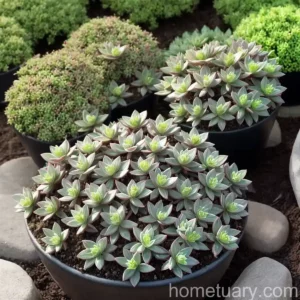
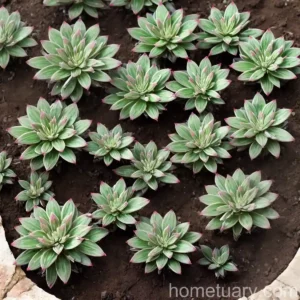
The Paddle Plant typically forms rosettes of large, oval-shaped leaves that range from gray-green to a vibrant red hue, particularly when exposed to stress or sunlight. During the cooler months and in response to environmental triggers, the edges of the leaves may blush a deep red, adding to its visual appeal. As it matures, the plant produces a tall, unbranched inflorescence adorned with bell-shaped, pale yellow flowers, attracting pollinators and adding to its ornamental value.
Key Takeaways – Kalanchoe Luciae (Paddle Plant)
Here are some key takeaways that will be covered in detail throughout this guide:
- Cultural insights and specific care requirements for Kalanchoe luciae
- The various uses of the Paddle Plant, both indoors and outdoors
- Understanding the watering, sunlight, and soil needs of this succulent
- Fertilization practices to promote healthy growth and vibrant foliage
- Pruning techniques and propagation methods for expanding your Paddle Plant collection
- Identifying and managing common diseases and pests that may affect Kalanchoe luciae
- Essential tips and fun facts to enhance your understanding and appreciation of this unique succulent
Now, let’s explore each of these aspects in detail to gain a comprehensive understanding of how to care for and cultivate the Kalanchoe luciae.
Culture
Uses
The Kalanchoe luciae, with its remarkable visual appeal and low-maintenance nature, finds multiple uses in various settings. Understanding its diverse applications can help you make the most of this beautiful succulent.
Indoor Uses
- Indoor Decor: The Paddle Plant is a popular choice for indoor décor, adding a touch of elegance and natural beauty to homes, offices, and other indoor spaces.
- Air Purification: Like many other succulents, Kalanchoe luciae contributes to indoor air purification by removing toxins and enhancing air quality.
- Container Gardens: It is a fantastic addition to indoor container gardens, succulent arrangements, and terrariums, owing to its compact growth habit and striking appearance.
- Medicinal Purposes: Some traditional and alternative medicine practices use Kalanchoe luciae for its potential medicinal benefits, although these uses should be approached with caution and expert guidance.
Outdoor Uses
- Landscaping: In outdoor landscapes, the Paddle Plant serves as a focal point in xeriscapes, rock gardens, and arid landscapes, adding a touch of vibrancy and texture.
- Ground Cover: When planted en masse, Kalanchoe luciae can be used as ground cover in suitable climates, providing visual interest and forming a striking carpet of foliage.
Water
Proper watering is essential for the health and vitality of Kalanchoe luciae. While succulents are renowned for their water-storing abilities, overwatering can lead to root rot and other issues. Here’s a detailed insight into the watering needs of the Paddle Plant:
- Watering Schedule: Kalanchoe luciae thrives in well-draining soil and benefits from a regular watering schedule during the growing season. However, it’s crucial to allow the soil to dry out between watering to prevent waterlogged conditions.
- Signs of Underwatering: Drooping or wilting leaves, accompanied by dry, shriveled foliage, indicate that the Paddle Plant is in need of water.
- Signs of Overwatering: Yellowing leaves, soft or mushy stems, and a foul odor emanating from the soil are indicative of overwatering, and prompt action is necessary to prevent further damage.
Sunlight
Succulents, including the Kalanchoe luciae, have specific sunlight requirements that are vital for their growth and development. Understanding the needs of this plant regarding sunlight exposure is crucial for its well-being:
- Light Conditions: The Paddle Plant thrives in bright, indirect light or partial sun exposure. When grown outdoors, it benefits from protection against harsh midday sun, especially in regions with intense heat.
- Sunlight Stress: Exposure to direct sunlight can result in stress-induced coloration, where the edges of the leaves turn a vibrant red. This is a natural response to sunlight and is often prized for its visual appeal.
- Adjusting Sunlight: If transitioning a Kalanchoe luciae from indoor to outdoor settings or vice versa, acclimate the plant gradually to prevent sunburn and stress.
Fertilizer
While succulents are generally low-maintenance plants, providing them with the necessary nutrients is critical for their overall health and vigor. Understanding the fertilization needs of Kalanchoe luciae will ensure that it thrives and displays its characteristic vibrant foliage:
- Fertilization Schedule: During the active growing season, typically spring and summer, feed the Paddle Plant with a balanced, water-soluble fertilizer diluted to half-strength every 4 to 6 weeks.
- Nutrient Requirements: Look for a fertilizer formulated specifically for succulents and cacti, ensuring that it provides essential macronutrients and micronutrients that support healthy growth and vibrant coloration.
- Application Method: Apply the diluted fertilizer to moist soil, taking care to avoid direct contact with the leaves to prevent potential leaf burn.
Soil
The choice of soil is crucial when it comes to cultivating succulents like the Kalanchoe luciae. Well-draining soil with the right texture and composition is essential for preventing waterlogging and promoting healthy root growth. Here’s a detailed look at the soil requirements of the Paddle Plant:
- Ideal Soil Mix: A well-draining potting mix formulated specifically for succulents and cacti is ideal for Kalanchoe luciae. You can also create a custom mix using components like coarse sand, perlite, and peat moss.
- pH Level: The soil should have a slightly acidic to neutral pH range, typically around 6.0 to 7.0, to ensure optimum nutrient availability and root health.
- Container Size: When growing Kalanchoe luciae in containers, select pots with drainage holes to prevent water accumulation, promoting healthy growth and preventing root rot.
Pruning
Pruning plays a vital role in maintaining the health, shape, and aesthetic appeal of the Kalanchoe luciae. Understanding the proper techniques for pruning this succulent is essential for promoting compact growth and managing its overall appearance:
- Removal of Dead Growth: Regularly inspect the plant for any dead or withered leaves, and carefully prune them close to the base to maintain a tidy and healthy appearance.
- Leggy Growth: If the Paddle Plant starts displaying leggy or elongated growth, particularly in low-light conditions, prune the elongated stems to encourage a bushier and more compact form.
- Propagation: Pruning also provides an opportunity to collect stem cuttings for propagation, expanding your collection and sharing the beauty of the Kalanchoe luciae with others.
Propagation
The propagation of Kalanchoe luciae can be accomplished through several methods, offering an exciting opportunity to expand your collection and share this unique succulent with fellow enthusiasts. Here are some popular propagation techniques for the Paddle Plant:
- Leaf Cuttings: Propagating Kalanchoe luciae from leaf cuttings involves carefully removing healthy, mature leaves from the plant and allowing them to callus before planting them in a well-draining rooting medium.
- Stem Cuttings: Stem cuttings, particularly from actively growing stems, can be rooted to produce new plants. Make clean cuts, allow the cut ends to callus, and then plant the cuttings in a suitable rooting medium.
- Offsets: As the Kalanchoe luciae matures, it produces offsets or “pups” around the base of the plant. These can be carefully separated and propagated as individual plants.
- Division: For mature specimens with multiple rosettes, division is a viable propagation method. Gently separate the rosettes and replant them in suitable containers or garden beds.
Container Popularity
The Kalanchoe luciae is a highly sought-after succulent for container gardening, owing to its compact size, visually appealing foliage, and low-maintenance nature. The popularity of the Paddle Plant in containers extends to indoor and outdoor settings:
- Indoor Containers: When grown in containers, Kalanchoe luciae adds a touch of modern elegance to interior spaces, making it an excellent choice for apartments, offices, and homes with limited outdoor space.
- Outdoor Containers: In outdoor settings, the Paddle Plant contributes to a variety of container gardens, from succulent arrangements and patio planters to ornamental displays in garden landscapes.
Common Diseases
While Kalanchoe luciae is relatively resilient, it is susceptible to certain diseases, particularly when its cultural needs are not adequately met. Understanding the common diseases that may affect this succulent is crucial for its overall health and well-being:
- Root Rot: Overwatering or poorly draining soil can lead to root rot, a potentially fatal condition that results from the proliferation of destructive pathogens in waterlogged soil.
- Powdery Mildew: In conditions of high humidity and limited air circulation, Kalanchoe luciae may develop powdery mildew, characterized by a powdery white coating on the leaves.
- Leaf Spot: Fungal infections and bacterial pathogens can cause unsightly leaf spots on the foliage, compromising the plant’s overall visual appeal and health.
Disease Diagnosis
Identifying and diagnosing diseases affecting Kalanchoe luciae is critical for implementing timely interventions and preventing the spread of pathogens. Visual symptoms and careful observation can aid in accurate disease diagnosis, allowing for targeted treatment:
- Detailed Inspection: Regularly inspect the plant for any signs of discoloration, wilting, or unusual growth patterns, which may be indicative of underlying issues.
- Leaf Examination: Pay close attention to the undersides and tops of the leaves, looking for any abnormal growth, discoloration, or the presence of powdery coatings or spots.
- Soil Assessment: Assess the moisture levels and overall condition of the soil, as issues such as root rot may manifest in the soil before visible symptoms appear on the foliage.
Common Pests
Pests can pose a threat to the health and aesthetics of Kalanchoe luciae, necessitating proactive pest management measures to safeguard the plant. Here are some common pests that may affect the Paddle Plant and the methods for managing them:
- Aphids: These tiny, soft-bodied insects can cluster on the new growth of Kalanchoe luciae, sucking sap from the plant and potentially transmitting viruses.
- Mealybugs: Mealybugs are recognizable by their white, cottony appearance and typically congregate in the leaf axils and crevices, sapping the plant’s vitality.
- Spider Mites: In hot and dry conditions, spider mites may infest the Paddle Plant, causing stippling and webbing on the leaves while weakening the plant.
Botanist’s Tips
As a botanist specializing in succulents and arid-adapted plants, I’ve had the opportunity to study and appreciate the unique characteristics of the Kalanchoe luciae. Based on my experience and expertise, here are some valuable tips for successfully caring for and cultivating this striking succulent:
- Balanced Watering: Establish a consistent watering routine while allowing the soil to dry out between waterings to prevent complications such as root rot.
- Sunlight Management: Provide the Paddle Plant with bright, indirect light or partial sun exposure, particularly during the morning and late afternoon, to promote healthy growth and vibrant coloration.
- Well-Draining Soil: Utilize a well-draining potting mix and containers with drainage holes to prevent water accumulation and ensure optimal root health.
- Disease Prevention: Create optimal growing conditions, including adequate airflow, to reduce the risk of diseases such as powdery mildew and leaf spot.
- Pest Vigilance: Regularly inspect the plant for signs of pest infestations and promptly address any issues to prevent widespread damage.
Fun Facts
Exploring the unique and fascinating aspects of Kalanchoe luciae can enhance your appreciation for this captivating succulent. Here are some fun and intriguing facts about the Paddle Plant:
- Sunlight-Induced Coloration: The vibrant red coloration seen in the leaves of Kalanchoe luciae is a natural response to stress, particularly sunlight exposure, serving as a visual indicator of the plant’s health and vitality.
- Deceptive Flowers: While the Paddle Plant does produce charming bell-shaped flowers, their ornamental value is often overshadowed by the striking foliage, which remains the main attraction for this succulent.
- Environmental Adaptations: Originating from the arid regions of South Africa, Kalanchoe luciae has evolved a range of adaptations to thrive in harsh and unpredictable environments, making it a resilient and fascinating plant to study and cultivate.
Links to External Resources
Explore the following links for additional information on Kalanchoe luciae and related topics:
- Succulent Plant Care Guide
- How to Propagate Succulents
- Common Pests and Diseases of Succulent Plants
By incorporating the insights and practices detailed in this comprehensive guide, you can nurture, propagate, and enjoy the unique beauty of Kalanchoe luciae with confidence and expertise. Whether you’re a novice succulent enthusiast or a seasoned gardener, the Paddle Plant offers endless opportunities for appreciation, cultivation, and exploration. Embrace the allure of this striking succulent and unlock its potential to thrive in your indoor and outdoor spaces.