Kalanchoe Dinklagei (Kalanchoe Dinklagei Rauh)
Plants bring life and beauty to any space, and among the vast variety of plants available, the Kalanchoe Dinklagei stands out as a unique and attractive.
Introduction
Plants bring life and beauty to any space, and among the vast variety of plants available, the Kalanchoe Dinklagei stands out as a unique and attractive option. This resilient succulent is known for its striking foliage and ease of care, making it a popular choice for both indoor and outdoor gardens. In this comprehensive guide, we will explore all aspects of Kalanchoe Dinklagei care, from its cultural requirements to propagation techniques, common diseases, and more. Whether you’re a seasoned gardener or a novice plant enthusiast, this guide will provide you with the knowledge and tips you need to cultivate and maintain thriving Kalanchoe Dinklagei plants.
What is Kalanchoe Dinklagei?
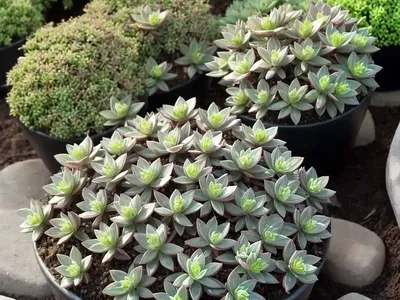
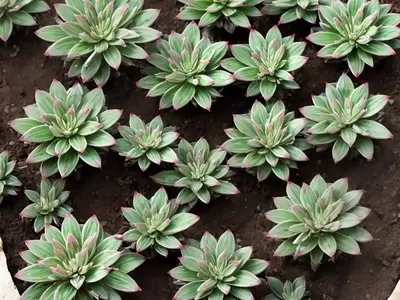
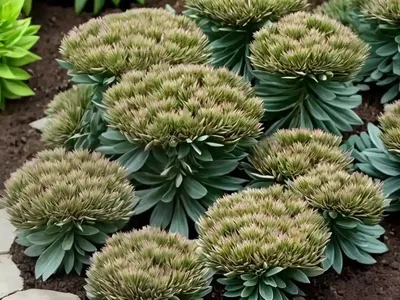
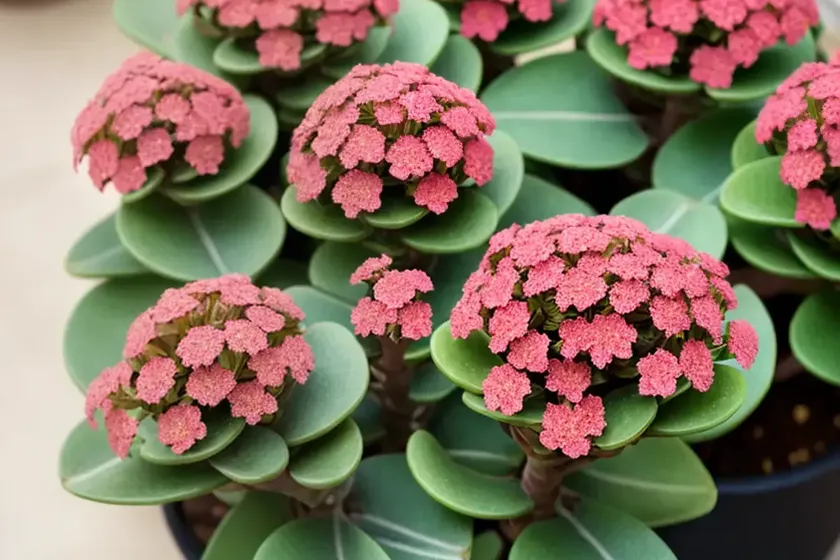
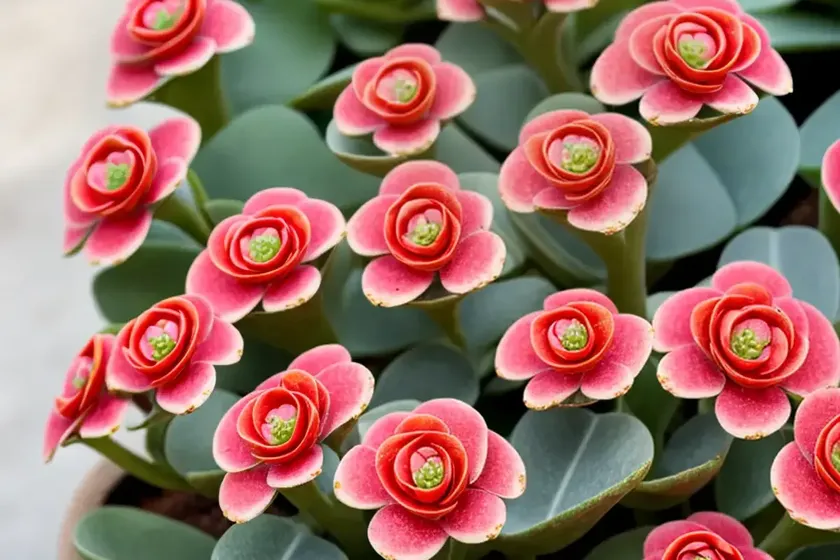
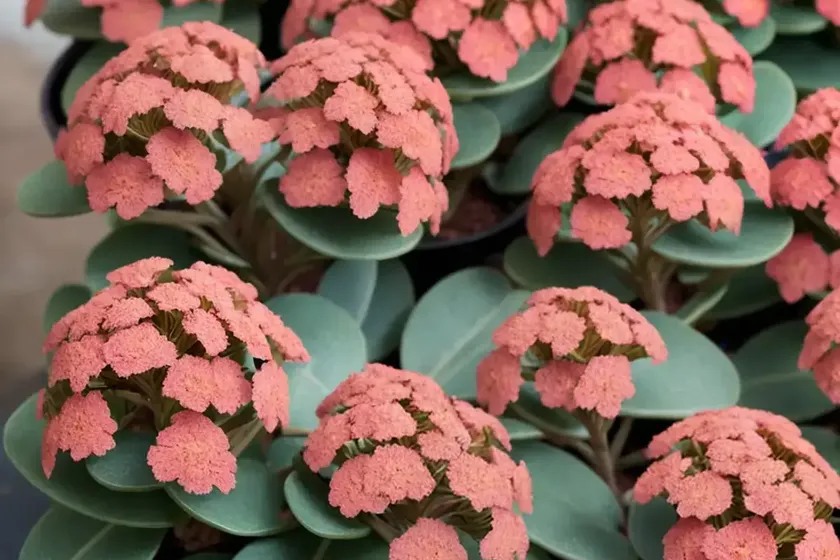
Kalanchoe Dinklagei, also known as Kalanchoe Dinklagei Rauh, is a species of flowering plant in the family Crassulaceae. Native to Madagascar, this succulent is characterized by its compact growth habit and intriguing foliage. The leaves of the Kalanchoe Dinklagei are variegated with striking patterns, adding a touch of visual interest to any garden or indoor space. In addition to its ornamental value, this plant is known for its resilience in diverse environmental conditions, making it an excellent choice for gardeners seeking a low-maintenance yet visually appealing addition to their collection.
Key Takeaways – Kalanchoe Dinklagei
Before delving into the nitty-gritty details of Kalanchoe Dinklagei care, let’s summarize some key takeaways about this unique plant:
- Kalanchoe Dinklagei is a species of succulent known for its variegated foliage and compact growth habit.
- This plant is native to Madagascar and is prized for its resilience and ornamental value.
- Kalanchoe Dinklagei is well-suited for both indoor and outdoor cultivation, making it a versatile choice for gardeners.
- With proper care, Kalanchoe Dinklagei can thrive in a variety of environmental conditions and is relatively low-maintenance.
Now that we have an overview of what Kalanchoe Dinklagei is all about, let’s dive into the specifics of its care requirements.
Culture
Understanding the cultural requirements of Kalanchoe Dinklagei is key to ensuring its overall health and vitality. From water and sunlight to soil and fertilizer, each aspect plays a crucial role in the plant’s well-being.
Water
Like many succulents, Kalanchoe Dinklagei is adapted to thrive in arid conditions, meaning it has low water requirements. Overwatering is a common issue with this plant and can lead to root rot and other complications. To avoid such problems, it’s essential to practice moderation when watering your Kalanchoe Dinklagei. Here are some essential tips for watering this plant:
- Allow the soil to dry out between waterings, and then water the plant thoroughly, ensuring that excess water can drain freely from the pot.
- During the winter months or periods of dormancy, reduce watering frequency to prevent waterlogging the soil.
Sunlight
In its natural habitat, Kalanchoe Dinklagei thrives in bright, indirect sunlight and is well-equipped to tolerate periods of intense sun exposure. When cultivating this plant indoors, it’s important to provide it with ample light to support healthy growth and vibrant foliage. Here are some guidelines for providing suitable sunlight for your Kalanchoe Dinklagei:
- Place the plant near a sunny window where it can receive bright, indirect light for several hours each day.
- In warmer climates, outdoor cultivation in a partially shaded area can also be suitable for Kalanchoe Dinklagei.
Fertilizer
Proper fertilization can enhance the growth and vitality of Kalanchoe Dinklagei, providing it with essential nutrients to support its development. When choosing a fertilizer for this plant, opt for a balanced, water-soluble fertilizer specifically formulated for succulents or cacti. Here’s what you need to know about fertilizing Kalanchoe Dinklagei:
- During the active growing season (typically spring and summer), fertilize the plant once a month, following the instructions on the fertilizer label for dilution and application.
- Reduce or cease fertilization during the winter months or when the plant is dormant, as it requires fewer nutrients during this time.
Soil
The right soil composition is crucial for the health and longevity of Kalanchoe Dinklagei. This succulent thrives in well-draining soil that prevents water from pooling around the roots, minimizing the risk of rot and other moisture-related issues. When selecting or preparing soil for your Kalanchoe Dinklagei, keep the following considerations in mind:
- Use a commercial succulent or cactus potting mix, which typically consists of a blend of sandy, well-draining materials such as perlite, coarse sand, and peat moss.
- Alternatively, mix your own well-draining soil by combining regular potting soil with perlite or coarse sand to improve drainage and aeration.
Pruning
Pruning is an essential aspect of plant care, and Kalanchoe Dinklagei is no exception. Regular pruning helps maintain the plant’s shape, remove dead or damaged foliage, and encourage healthy growth. Here are some key points to keep in mind when pruning Kalanchoe Dinklagei:
- Use clean, sharp scissors or pruning shears to trim the plant, ensuring that any cuts are made with precision and care to avoid unnecessary damage.
- Prune any wilted, yellowed, or damaged leaves as soon as they appear to prevent the spread of diseases and maintain the plant’s aesthetic appeal.
Propagation
Propagating Kalanchoe Dinklagei is a rewarding way to expand your plant collection or share this unique succulent with friends and fellow gardening enthusiasts. The following methods can be used to propagate Kalanchoe Dinklagei:
- Leaf Cuttings: Carefully remove a healthy leaf from the plant and place it on a tray or bed of well-draining soil. Over time, the leaf will produce new roots and eventually develop into a new plant.
- Offsets: As Kalanchoe Dinklagei matures, it may produce offsets, also known as “pups,” around its base. These offsets can be carefully separated from the parent plant and potted individually to establish new plants.
Propagation can be an exciting and fulfilling aspect of caring for Kalanchoe Dinklagei, allowing you to witness the growth and development of new plants from established ones.
Container Popularity
The compact size and visually appealing foliage of Kalanchoe Dinklagei make it a popular choice for container gardening. Whether grown in pots indoors or displayed in decorative containers outdoors, this plant adds a touch of charm and elegance to any space. Consider the following factors when selecting containers for Kalanchoe Dinklagei:
- Choose containers with adequate drainage holes to prevent waterlogging and promote healthy root development.
- Opt for containers that complement the unique aesthetics of Kalanchoe Dinklagei, such as decorative pots or planters that accentuate its variegated foliage.
Common Diseases
While Kalanchoe Dinklagei is generally resilient against many pests and diseases, it is essential to be aware of a few common health issues that can affect the plant. By understanding these diseases, you can take proactive measures to prevent or address them effectively.
Disease Diagnosis
When caring for Kalanchoe Dinklagei, it’s crucial to monitor the plant for any signs of disease and address them promptly to prevent further spread. Here are a few common diseases that can affect this species:
- Powdery Mildew: Powdery mildew appears as a white, powdery substance on the leaves and stems of the plant. This fungal disease can hinder photosynthesis and weaken the plant over time.
- Root Rot: Overwatering and poorly draining soil can lead to root rot, which manifests as dark, mushy roots. It is essential to adjust the plant’s watering regimen and improve soil drainage to prevent this issue.
Common Pests
Kalanchoe Dinklagei is relatively resistant to pests, but it can still fall victim to a few common invaders. Identifying and addressing these pests promptly can help protect the plant’s health. Here are some pests to watch out for:
- Aphids: These small, soft-bodied insects can cluster on the new growth of Kalanchoe Dinklagei, sucking sap from the plant and causing deformation and discoloration of the leaves.
- Mealybugs: Mealybugs are another common nuisance for this plant, appearing as white, cottony masses on the leaves and stems. They can weaken the plant and make it more susceptible to diseases.
Botanist’s Tips
From understanding the plant’s natural habitat to leveraging its growth habits, here are a few expert tips for successfully caring for Kalanchoe Dinklagei:
- Leverage Natural Habitat: Understanding the native environment of Kalanchoe Dinklagei can provide insights into its preferred growing conditions. Mimicking its natural habitat by providing well-draining soil and adequate sunlight can promote optimal growth.
- Monitor Watering Closely: Pay close attention to your watering routine, ensuring that you allow the soil to dry out between waterings to prevent overwatering and associated issues such as root rot.
- Regular Inspection: Conduct regular inspections of your Kalanchoe Dinklagei for signs of pests or diseases, addressing any issues promptly to prevent them from spreading.
Fun Facts
- Kalanchoe Dinklagei is named after renowned German horticulturist Hans-Dieter Dinklage, who made significant contributions to the field of succulent breeding and cultivation.
- The variegated leaves of Kalanchoe Dinklagei can exhibit an array of colors and patterns, adding visual interest to the plant.
Links to External Resources
For further information on Kalanchoe Dinklagei care, propagation, and related topics, explore the following resources:
- The American Society for the Prevention of Kalanchoe Dinklagei Cruelty
- Succulent Plant Propagation
- The Royal Horticultural Society’s Plant Finder
Conclusion
In conclusion, Kalanchoe Dinklagei is a captivating and resilient succulent that can bring visual interest and vibrancy to any indoor or outdoor space. With proper care, including mindful watering, suitable sunlight, and well-draining soil, you can cultivate healthy and thriving Kalanchoe Dinklagei plants. From propagation and container gardening to addressing common pests and diseases, this guide equips you with the knowledge and insights needed to nurture this unique succulent with confidence. Whether you’re an experienced gardener seeking a new addition to your collection or a beginner looking to explore the world of succulents, Kalanchoe Dinklagei offers an exciting and rewarding gardening experience.
With its variegated foliage and resilience, Kalanchoe Dinklagei stands as a testament to the beauty and adaptability of the plant world, inviting enthusiasts to appreciate and nurture its unique qualities. As you embark on your journey of Kalanchoe Dinklagei care and cultivation, may these insights and tips guide you in fostering thriving and vibrant plants that bring joy and beauty to your surroundings.