Kalanchoe Beharensis ‘Fang’ (Felt Plant)
Kalanchoe beharensis ‘Fang’, commonly known as the Felt Plant, is a striking succulent that has gained popularity among plant enthusiasts for its unique.
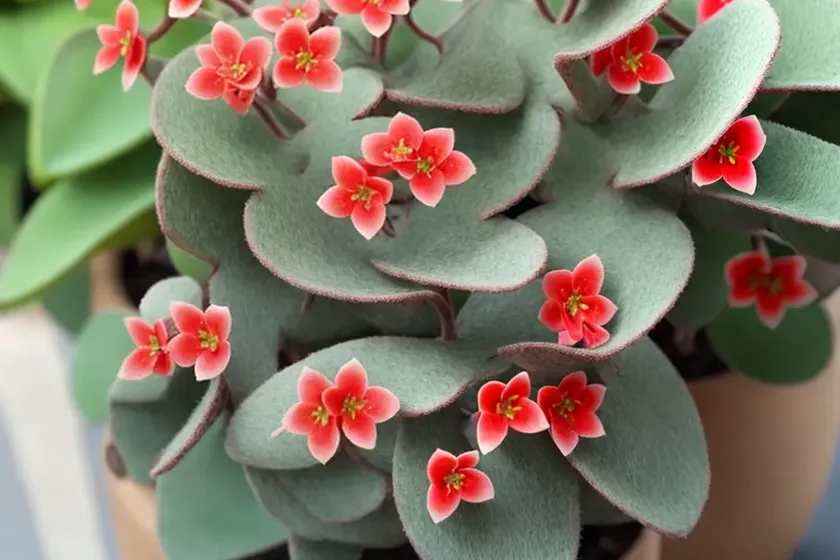
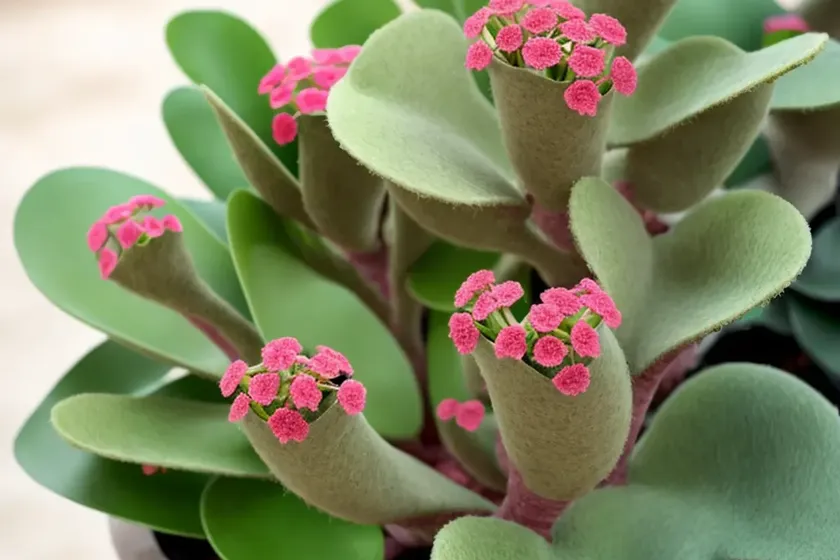
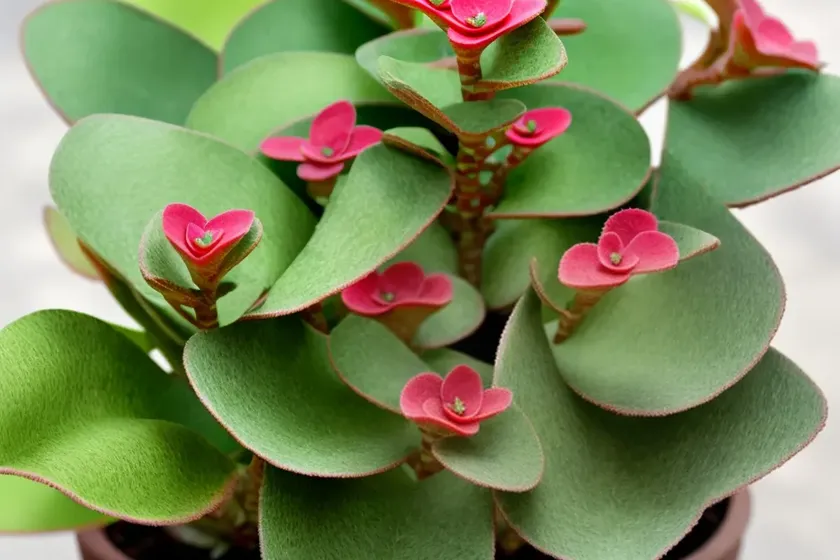
Kalanchoe beharensis ‘Fang’, commonly known as the Felt Plant, is a striking succulent that has gained popularity among plant enthusiasts for its unique appearance and relatively easy care requirements. This plant is native to Madagascar and belongs to the Crassulaceae family. With its thick, velvety leaves and upright growth habit, the Felt Plant makes an impressive addition to any indoor or outdoor plant collection.
In this comprehensive guide, we will delve into the various aspects of caring for Kalanchoe beharensis ‘Fang’, including its cultural requirements, propagation methods, common diseases, and much more. Whether you are a beginner gardener or an experienced plant parent, this guide will provide you with valuable insights into nurturing and enjoying this captivating succulent.
Key Takeaways – Kalanchoe beharensis ‘Fang’ (Felt Plant)
Before we dive into the specifics of caring for Kalanchoe beharensis ‘Fang’, let’s summarize the key takeaways of this guide:
- Plant Name: Kalanchoe beharensis ‘Fang’ (Felt Plant)
- Family: Crassulaceae
- Native Region: Madagascar
- Common Names: Felt Plant, Felt Bush, Velvet Leaf Kalanchoe
- Characteristics: Velvety, silvery-green leaves with toothed margins and a bushy, upright growth habit
- Cultural Requirements: Well-draining soil, ample sunlight, and minimal water
- Propagation: Leaf or stem cuttings
- Container Growing: Well-draining pots or containers
- Popularity: Increasingly sought after for its unique foliage and low-maintenance nature
- Common Diseases: Root rot, powdery mildew
- Common Pests: Mealybugs, aphids
- Fun Facts: The fuzzy leaves of Kalanchoe beharensis ‘Fang’ serve as a natural adaptation to conserve moisture in its arid native habitat.
Now, let’s explore each of these aspects in detail to understand how to best care for this fascinating succulent.
What is Kalanchoe beharensis ‘Fang’ (Felt Plant)?
Kalanchoe beharensis ‘Fang’, also known as the Felt Plant, is a visually striking succulent characterized by its unique foliage and impressive stature. This plant is part of the Kalanchoe genus, which includes a diverse range of succulents known for their resilience and ornamental appeal.
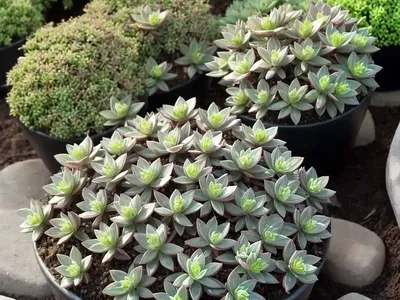
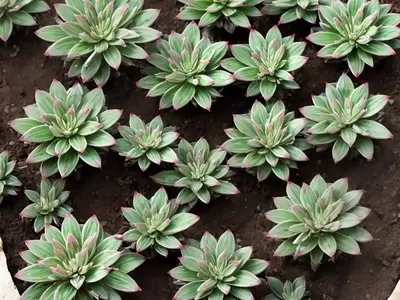
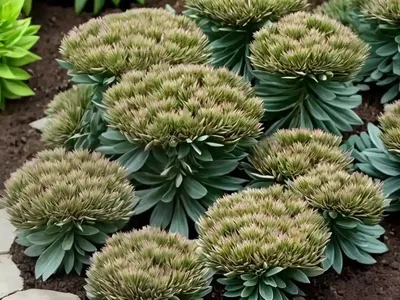
The Felt Plant is named for its distinctive leaves, which are covered in a dense layer of fine, felt-like hairs, giving them a soft and velvety texture. The leaves are a silvery-green color and feature toothed margins, adding to the plant’s striking appearance. In its natural habitat, Kalanchoe beharensis ‘Fang’ can reach heights of up to 3-4 feet, creating an eye-catching focal point in any garden or indoor space.
This succulent is primarily grown for its ornamental value, with its unique texture and foliage making it a desirable addition to succulent collections, rock gardens, and arid landscaping schemes. Additionally, Kalanchoe beharensis ‘Fang’ is well-suited for both indoor and outdoor cultivation, making it a versatile choice for plant enthusiasts in various climates.
Key Takeaways
- Genus: Kalanchoe
- Species: Beharensis
- Cultivar: ‘Fang’
- Common Name: Felt Plant
- Foliage: Velvety, silvery-green leaves with toothed margins
- Growth Habit: Upright and bushy
- Height: Up to 3-4 feet in its natural habitat
- Native Region: Madagascar
- Family: Crassulaceae
Now that we have a better understanding of what distinguishes Kalanchoe beharensis ‘Fang’, let’s explore in detail how to care for this captivating succulent, starting with its cultural requirements.
Cultural Requirements
Understanding the cultural requirements of Kalanchoe beharensis ‘Fang’ is essential for providing the optimal growing conditions for this striking succulent. From sunlight and water needs to soil and fertilizer preferences, each aspect plays a crucial role in nurturing the Felt Plant and ensuring its health and vigor.
Water
One of the most critical aspects of caring for Kalanchoe beharensis ‘Fang’ is its water requirements. As a succulent native to arid regions, this plant is adapted to survive in conditions of limited water availability. Therefore, it is essential to approach watering with a cautious and mindful approach to prevent overhydration, which can lead to root rot and other moisture-related issues.
Key Considerations:
- Watering Frequency: Allow the soil to dry out completely between waterings. Typically, this translates to watering the Felt Plant every 2-3 weeks during the growing season, and even less frequently in winter when its growth slows down.
- Soil Moisture: Use the “soak and dry” method, where you thoroughly water the plant, allowing excess water to drain away, and then wait for the soil to dry out before watering again.
- Container Drainage: Ensure that the pot or container has adequate drainage holes to allow excess water to escape, preventing waterlogged conditions.
- Monitoring Signs of Thirst: Keep an eye on the plant’s foliage for signs of dehydration, such as wilting or shriveling leaves. This can indicate the need for a thorough watering.
Pro Tips:
- Err on the Side of Underwatering: When in doubt, it’s better to underwater than overwater the Felt Plant. Succulents are more resilient to drought than excess moisture, and they can recover from mild dehydration more effectively.
- Adjust for Seasonal Variations: During the active growing season in spring and summer, you may need to increase the frequency of watering, whereas in fall and winter, when the plant enters a period of dormancy, the watering schedule should be adjusted accordingly.
Sunlight
Proper sunlight exposure is vital for the health and appearance of Kalanchoe beharensis ‘Fang’. As a succulent, it thrives in bright, direct sunlight and is well-suited for environments with ample natural light. Understanding its sunlight requirements is crucial for ensuring robust growth and vibrant foliage.
Key Considerations:
- Sunlight Exposure: Place the Felt Plant in a location with direct sunlight for at least 6-8 hours per day. South-facing or west-facing windows are ideal for providing the intense light that this succulent craves.
- Indoor Lighting: If growing indoors, position the plant near a sunny window or under grow lights to approximate the intensity of natural sunlight.
- Outdoor Placement: In outdoor settings, choose a spot with unobstructed sunlight, such as a well-lit patio, balcony, or garden bed.
Pro Tips:
- Rotation for Even Growth: To promote even growth and prevent the plant from leaning towards the light source, rotate the container regularly to ensure that all sides receive adequate sunlight.
- Monitor for Sunburn: While Kalanchoe beharensis ‘Fang’ appreciates bright light, be mindful of potential sunburn, especially when initially transitioning the plant to a sunnier location. If you notice signs of leaf discoloration or sun damage, gradually acclimate the plant to the increased light exposure.
Fertilizer
Providing the Felt Plant with appropriate nutrients is essential for supporting its growth, resilience, and overall vitality. While succulents are known for their ability to thrive in nutrient-poor soils, occasional fertilization can help enhance their appearance and ensure long-term health.
Key Considerations:
- Fertilizer Type: Choose a balanced, water-soluble fertilizer specifically formulated for cacti and succulents, with an N-P-K ratio designed to meet their nutritional needs.
- Application Frequency: During the active growing season in spring and summer, feed the Felt Plant with a diluted fertilizer solution approximately once a month. Reduce or cease fertilization during the plant’s dormant period in fall and winter.
Pro Tips:
- Avoid Overfertilizing: Use caution not to overfertilize the Felt Plant, as excessive nutrients can lead to undesirable rapid growth and potential issues with root health.
- Monitor Growth Response: Observe the plant’s growth and adjust the fertilizer application based on its response. If the plant appears healthy and vibrant, maintain the current feeding schedule. If growth seems stunted or lackluster, consider adjusting the fertilizer regimen.
Soil
The choice of soil is a critical factor in the successful cultivation of Kalanchoe beharensis ‘Fang’. As a succulent adapted to arid conditions, it thrives in well-draining, porous soil that promotes optimal root health and prevents waterlogged conditions.
Key Considerations:
- Soil Composition: Use a specialized succulent or cactus potting mix that offers excellent drainage and aeration. These mixes typically contain a blend of coarse sand, perlite, and organic matter, providing an ideal environment for succulent roots.
- Additional Amendments: If preparing your own succulent soil mix, incorporate materials such as pumice, coarse gravel, or crushed granite to further enhance drainage and prevent soil compaction.
Pro Tips:
- Prewash Soil Components: When using components like perlite or sand, consider prewashing them to remove excess dust and fine particles, which can impede drainage.
- Ensure Adequate Pore Space: Aim for a soil mix that allows for ample air circulation and root penetration, creating a hospitable environment for the Felt Plant’s root system.
Pruning
Pruning plays a role in maintaining the health, appearance, and overall form of Kalanchoe beharensis ‘Fang’. While this succulent generally requires minimal pruning, occasional maintenance can help address any damaged or overgrown foliage and promote a tidy, well-balanced appearance.
Key Considerations:
- Removing Damaged Leaves: Trim off any damaged, discolored, or withered leaves to enhance the overall aesthetic of the plant and prevent the spread of potential diseases.
- Trimming Leggy Growth: If the Felt Plant develops tall, leggy stems or uneven growth, consider pruning the top portions to encourage a more compact, bushy habit.
- Sterilize Tools: Use clean, sharp pruning shears to make precise cuts and reduce the risk of introducing pathogens. Disinfect the cutting tools before and after use to minimize the potential for spreading disease.
Pro Tips:
- Cautious Approach: Exercise restraint when pruning the Felt Plant, as it has a naturally appealing silhouette, and excessive or unnecessary trimming can detract from its aesthetic appeal.
- Monitor for New Growth: After pruning, monitor the plant for the emergence of fresh growth at the pruning sites, indicating that the plant is responding positively to the pruning process.
Propagation
As an attractive and sought-after succulent, the ability to propagate Kalanchoe beharensis ‘Fang’ offers the opportunity to expand your plant collection or share this captivating species with fellow gardening enthusiasts. Understanding the propagation methods for the Felt Plant enables you to create new plants from existing specimens, enriching your gardening experience and fostering a deeper connection with this unique succulent.
Key Considerations:
- Leaf Cuttings: Propagate the Felt Plant by taking leaf cuttings, ensuring that each cutting includes a healthy portion of the leaf and a section of the stem.
- Stem Cuttings: Alternatively, propagate Kalanchoe beharensis ‘Fang’ from stem cuttings, selecting a healthy, mature stem and allowing it to callus before planting it in a suitable growing medium.
- Propagation Medium: Use a well-draining, succulent-friendly potting mix for rooting the cuttings, providing a conducive environment for new root development.
Pro Tips:
- Patience and Observation: Propagation often requires patience, as the cuttings may take some time to establish roots and develop into independent plants. Regularly monitor the cuttings for signs of root growth and emerging new growth.
- Gentle Handling: Handle the cuttings with care to avoid damaging the delicate root or leaf structures, promoting successful establishment and subsequent growth.
Container Popularity
Kalanchoe beharensis ‘Fang’ has gained popularity as a container plant, adding a touch of elegance and visual interest to indoor and outdoor spaces. The versatility of growing this succulent in containers makes it a favored choice for plant enthusiasts seeking to enhance their living spaces and cultivate captivating indoor gardens.
Key Considerations:
- Container Selection: Choose a container with ample drainage holes, allowing excess water to escape and preventing waterlogged conditions.
- Aesthetic Appeal: Select a container that complements the Felt Plant’s striking foliage, enhancing its visual impact and serving as a decorative element in its own right.
- Indoor Décor: Incorporate the Felt Plant into interior design schemes, utilizing its unique texture and form to add a touch of greenery and natural beauty to living spaces.
Pro Tips:
- Consider Environmental Factors: When selecting a container for outdoor cultivation, take into account factors such as wind exposure, temperature fluctuations, and the potential for water accumulation during rain events.
- Regular Maintenance: Monitor container-grown Kalanchoe beharensis ‘Fang’ for any signs of root congestion or the need for repotting, ensuring that the plant has sufficient space to thrive.
Common Diseases
Despite its resilience, Kalanchoe beharensis ‘Fang’ can be susceptible to certain diseases and ailments. Understanding the potential health issues that may affect this succulent equips you with the knowledge to recognize, address, and prevent these conditions, thereby safeguarding the plant’s long-term well-being.
Disease Diagnosis
Key Diseases:
- Root Rot: Overwatering or poorly draining soil can lead to root rot, causing the plant’s roots to decay and resulting in wilted, yellowing foliage.
- Powdery Mildew: The presence of powdery, white fungal growth on the leaves can indicate an infestation of powdery mildew, often favored by conditions of high humidity and inadequate air circulation.
Symptoms to Watch For:
- Leaf Yellowing: Yellowing or browning of the leaves, particularly at the base, may indicate root rot and compromised root health.
- Powdery Residue: The presence of powdery, white residue on the foliage, especially in warm and humid conditions, serves as a visual indicator of powdery mildew.
Preventive Measures:
- Optimal Watering: Practice careful watering habits to prevent overhydration and the onset of root rot, allowing the soil to dry out between watering sessions.
- Air Circulation: Encourage adequate air circulation around the Felt Plant, particularly in indoor settings, to minimize the risk of powdery mildew development.
Common Pests
In addition to diseases, Kalanchoe beharensis ‘Fang’ may encounter some unwelcome visitors in the form of pests. Identifying and addressing these potential intruders is crucial for preserving the plant’s health and appearance.
Key Pests:
- Mealybugs: Large, cottony masses on the leaves or stems indicate the presence of mealybugs, which feed on the plant’s sap and can weaken its overall vigor.
- Aphids: Small, soft-bodied insects that may appear in clusters on the new growth, sucking sap from the plant and causing distortion or stunted growth.
Control Measures:
- Manual Removal: Use a cotton swab dipped in rubbing alcohol to carefully dab and remove mealybugs from the plant’s foliage and stems.
- Natural Predators: Introduce beneficial insects, such as ladybugs or lacewings, to help control aphid populations and maintain a natural ecological balance in the garden.
Botanist’s Tips
Drawing from botanical insights and horticultural expertise, the following tips offer valuable guidance for cultivating and enjoying Kalanchoe beharensis ‘Fang’ to its fullest potential:
- Respect Its Natural Rhythms: Understand the plant’s seasonal growth patterns and adjust your care practices accordingly, respecting its periods of active growth and dormancy.
- Embrace Minimalism: Recognize the Felt Plant’s innate ability to thrive with minimal intervention, embracing its self-sufficient nature and maintaining a harmonious balance in its care.
Fun Facts
Uncover intriguing facets of Kalanchoe beharensis ‘Fang’ that contribute to its allure and appeal as a captivating succulent species:
- Natural Water Storage: The fuzzy, felty texture of the leaves serves as a means of water retention, enabling the plant to endure periods of drought by storing moisture in its specialized tissues.
- Madagascan Heritage: As native flora of Madagascar, the Felt Plant is part of a rich and diverse ecosystem, reflecting its adaptation to the unique environmental conditions of the island.
Links to External Resources
For further exploration and expanding your knowledge about Kalanchoe beharensis ‘Fang’, consider delving into the following external resources:
- Succulent Plant Care: A Comprehensive Guide
- Madagascar’s Flora and Fauna
- Kalanchoe beharensis ‘Fang’ Propagation Techniques
In conclusion, the Felt Plant, or Kalanchoe beharensis ‘Fang’, is a captivating succulent that offers a wealth of ornamental appeal and low-maintenance charm. By understanding its cultural requirements, propagation methods, and potential challenges, plant enthusiasts can cultivate and appreciate this species with confidence and skill, fostering a deeper connection with the remarkable world of succulent gardening.
Whether you are a novice succulent enthusiast or an experienced plant parent, the allure of Kalanchoe beharensis ‘Fang’ lies in its resilience, striking appearance, and potential for enriching indoor and outdoor environments. Embrace the art of succulent care and allow the unique beauty of the Felt Plant to flourish in your garden, living space, or plant collection, offering a touch of natural elegance and botanical fascination.