Juniperus x pfitzeriana ‘Sea Green’ (Chinese Juniper) – A Comprehensive Guide
Plants are an integral part of our environment. Not only do they provide aesthetic value, but they also play a vital role in maintaining ecological balance. In this blog post, we will delve into the fascinating world of Juniperus x pfitzeriana ‘Sea Green,’ commonly known as Chinese Juniper. We will uncover its cultural characteristics, uses, care requirements, and much more.
What is Juniperus x pfitzeriana ‘Sea Green’?
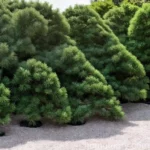
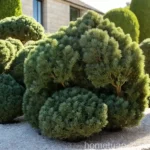
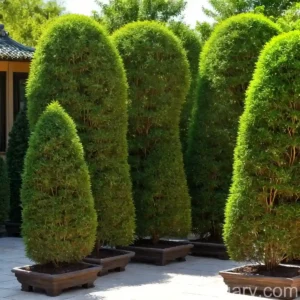
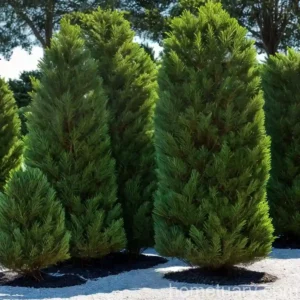
Juniperus x pfitzeriana ‘Sea Green’ is a cultivar of the Chinese Juniper, a species of coniferous shrub belonging to the Cupressaceae family. This evergreen shrub is characterized by its attractive green foliage and compact growth habit. It is a popular choice for landscaping due to its tolerance to various environmental conditions and low maintenance requirements.
Key Takeaways
Before we embark on our journey to understand the intricacies of caring for Chinese Juniper ‘Sea Green,’ let’s highlight some key takeaways about this remarkable plant.
- Category: Evergreen shrub
- Scientific Name: Juniperus x pfitzeriana ‘Sea Green’
- Common Name: Chinese Juniper ‘Sea Green’
- Growth Habit: Compact, spreading
- Foliage: Green, needle-like
- Uses: Landscaping, ground cover, erosion control
- Attributes: Drought-tolerant, low maintenance
- Hardiness Zone: 4-9
- Mature Height: 3-4 feet
- Mature Spread: 5-7 feet
Now that we have an overview of the Chinese Juniper ‘Sea Green,’ let’s explore its cultural requirements in detail.
Culture
Understanding the cultural needs of a plant is crucial for ensuring its healthy growth and development. Chinese Juniper ‘Sea Green’ has specific requirements when it comes to water, sunlight, soil, and other cultural factors.
Water
Maintaining optimal soil moisture is essential for the healthy growth of Chinese Juniper ‘Sea Green.’ While it is relatively drought-tolerant once established, regular watering is crucial during the plant’s initial establishment phase. Adequate moisture levels help the plant develop a robust root system, ensuring its long-term health and vitality.
- Watering Frequency: Water deeply once or twice a week during dry periods, especially in the plant’s early years.
- Soil Moisture: Ensure well-draining soil to prevent waterlogging, which can lead to root rot.
- Established Plants: Once the plant is established, reduce watering frequency, as Chinese Juniper ‘Sea Green’ has moderate drought tolerance.
Sunlight
Chinese Juniper ‘Sea Green’ thrives in full sun to partial shade. Adequate sunlight is vital for promoting dense foliage and maintaining the plant’s compact growth habit. Positioning the plant in the right sunlight conditions can significantly impact its overall health and appearance.
- Sun Exposure: Prefers full sun to partial shade.
- Shade Tolerance: Can tolerate moderate shade but may exhibit reduced density and growth in shady conditions.
- Sunlight Requirements: Aim for at least 6 hours of direct sunlight for optimal growth.
Fertilizer
Proper fertilization can enhance the vigor and vitality of Chinese Juniper ‘Sea Green.’ While this cultivar is relatively low-maintenance, providing essential nutrients through fertilization can contribute to healthier foliage and overall plant resilience.
- Fertilizer Type: Use a balanced, slow-release fertilizer specially formulated for evergreen shrubs.
- Fertilization Schedule: Apply fertilizer in early spring before the start of new growth.
- Application Method: Spread the fertilizer evenly around the base of the plant, following the manufacturer’s recommendations for dosage.
Soil
The soil composition and quality play a critical role in the overall well-being of Chinese Juniper ‘Sea Green.’ Well-draining soil with adequate fertility is essential for promoting healthy root development and preventing issues such as waterlogging and nutrient deficiencies.
- Soil Type: Thrives in well-drained loamy or sandy soil.
- pH Range: Prefers slightly acidic to neutral soil (pH 6.0-7.0).
- Soil Amendments: Prior to planting, amend the soil with organic matter to improve its structure and fertility.
Pruning
Proper pruning is essential for maintaining the desired shape and size of Chinese Juniper ‘Sea Green’ and promoting a dense, compact growth habit. Regular pruning also helps remove dead or diseased branches, enhancing the plant’s overall health and appearance.
- Pruning Timing: Perform major pruning in late winter or early spring before the growing season begins.
- Tools: Use sharp, clean pruning shears or loppers to make precise cuts without causing damage to the plant.
- Pruning Technique: Remove any dead, damaged, or overgrown branches. Additionally, selectively prune to maintain the desired shape and size of the plant.
Propagation
Propagating Chinese Juniper ‘Sea Green’ allows for the expansion of its presence in gardens and landscapes. Understanding the various propagation methods enables plant enthusiasts to propagate this cultivar successfully.
Propagation Methods
- Seed Propagation: While Chinese Juniper ‘Sea Green’ can be grown from seed, it requires patience as it may take several years to reach a desirable size.
- Cutting Propagation: Propagation from semi-hardwood cuttings provides a more efficient method for obtaining new plants with characteristics identical to the parent plant.
Propagation Steps
- Prepare the Cuttings: Select healthy, semi-hardwood cuttings with a length of 4-6 inches.
- Rooting Medium: Plant the cuttings in a well-draining rooting medium such as perlite or a mix of peat and perlite.
- Rooting Hormone: Dip the base of the cuttings in a rooting hormone to promote quick and robust root development.
- Moisture and Temperature: Maintain the cuttings in a warm, humid environment with consistent moisture until roots develop.
- Transplanting: Once roots are established, transplant the rooted cuttings into individual pots or a suitable outdoor location.
Container Popularity
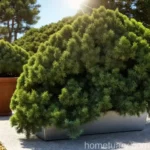
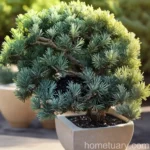
Chinese Juniper ‘Sea Green’ is well-suited for container gardening, making it a popular choice for landscapes, patios, and urban environments. Its compact growth habit and low maintenance requirements make it an excellent candidate for container cultivation.
Container Requirements
- Size: Select a container with an adequate diameter and depth to accommodate the plant’s root system and promote healthy growth.
- Drainage Holes: Ensure that the container has sufficient drainage holes to prevent waterlogging and root rot.
- Soil: Use a well-draining potting mix formulated for container plants to provide essential aeration and drainage.
Container Care
- Watering: Monitor soil moisture and water the plant as needed, ensuring that the soil does not dry out completely.
- Fertilization: Apply a balanced, slow-release fertilizer to container-grown Chinese Juniper ‘Sea Green’ according to the recommended schedule and dosage.
- Pruning: Perform light pruning as needed to maintain the plant’s shape and size within the container.
Common Diseases
Like all plants, Chinese Juniper ‘Sea Green’ is susceptible to certain diseases that can impact its health and appearance. Recognizing and addressing these diseases promptly is crucial for maintaining the plant’s vitality.
Disease Diagnosis
- Tip Blight: Characterized by browning and dieback of branch tips, often caused by fungal pathogens such as Phomopsis juniperovora.
- Cedar Apple Rust: A fungal disease that manifests as yellow-orange spots on the foliage, leading to defoliation and overall decline if left untreated.
- Root Rot: Excessive soil moisture can lead to root rot, resulting in wilting, yellowing foliage, and stunted growth.
Disease Management
- Cultural Practices: Ensure proper spacing and adequate air circulation to reduce the risk of fungal diseases.
- Sanitation: Promptly remove and destroy any infected plant material to prevent the spread of diseases.
- Fungicidal Treatments: In severe cases, apply fungicidal treatments following the manufacturer’s instructions to control fungal diseases.
Common Pests
In addition to diseases, Chinese Juniper ‘Sea Green’ may also face challenges from various pests, including insects and mites. Identifying and addressing pest issues in a timely manner is essential for preserving the plant’s health.
Pest Identification
- Spider Mites: These tiny arachnids can cause stippling and webbing on the foliage, leading to reduced plant vigor.
- Juniper Scale: Scale insects can infest the plant, causing yellowing and weakening of the foliage.
- Bagworms: The larvae of bagworm moths can feed on the foliage, leading to defoliation if left unchecked.
Pest Management
- Natural Predators: Encouraging natural predators such as ladybugs and lacewings can help control pest populations.
- Horticultural Oils: Applying horticultural oils can effectively smother and control certain pest species without harming beneficial insects.
- Insecticidal Treatments: In severe infestations, consider using insecticidal treatments following the recommended guidelines to combat pest issues.
Botanist’s Tips
As a plant scientist specializing in conifers and ornamental shrubs, I have gathered valuable insights and tips for successfully cultivating and caring for Chinese Juniper ‘Sea Green.’ Here are a few expert recommendations to enhance your experience with this exceptional cultivar:
- Selecting Planting Location: Choose a well-drained site with adequate sunlight to promote healthy growth.
- Pruning Technique: Utilize sharp, clean pruning tools to make precise cuts and maintain the plant’s desired shape.
- Mulching: Apply a layer of organic mulch around the base of the plant to conserve soil moisture and suppress weed growth.
- Winter Protection: In areas with harsh winters, consider providing winter protection, such as burlap screens, to shield the plant from strong winds and snow accumulation.
Now that we have covered the cultural aspects, uses, and care requirements of Chinese Juniper ‘Sea Green,’ let’s explore some fun facts about this fascinating plant.
Fun Facts
- The name Juniperus is derived from the Latin word “junio,” meaning “young,” alluding to the plant’s evergreen nature.
- Chinese Juniper ‘Sea Green’ is valued for its aromatic foliage, which releases a pleasant fragrance when crushed or brushed against.
- It is an excellent choice for creating low-maintenance landscapes and gardens, adding year-round color and texture to outdoor spaces.
- The dense, compact growth habit of Chinese Juniper ‘Sea Green’ makes it an ideal choice for ground cover and erosion control in various environmental settings.
As we conclude our exploration of Chinese Juniper ‘Sea Green,’ I want to provide you with a curated list of external resources where you can delve deeper into the world of ornamental shrubs and conifers.
Links to External Resources
-
The American Conifer Society: Explore a wealth of information on conifers, including Juniper species, and connect with conifer enthusiasts worldwide.
-
University Extension Services: Access comprehensive guides and publications from university extension services offering in-depth information on plant care, diseases, and pests.
-
The Royal Horticultural Society: Discover plant profiles, cultivation tips, and gardening advice from the renowned Royal Horticultural Society.
-
The Spruce: Find practical gardening tips, expert advice, and inspiring ideas for incorporating Juniper shrubs into your landscape design.
-
Gardening Forums and Communities: Join online gardening communities and forums to connect with fellow plant enthusiasts, exchange ideas, and seek advice on growing and caring for ornamental shrubs.
With this valuable set of resources at your disposal, you can continue to expand your knowledge and passion for ornamental shrubs, including the captivating Chinese Juniper ‘Sea Green’.
In conclusion, Chinese Juniper ‘Sea Green’ stands as a testament to the beauty and resilience of coniferous plants. Its adaptability, low maintenance requirements, and ornamental appeal make it a prized addition to diverse landscape settings. By understanding its unique cultural needs, uses, and care requirements, you can cultivate a thriving and visually stunning garden or landscape featuring the timeless elegance of Juniperus x pfitzeriana ‘Sea Green’.
Remember, the journey of plant cultivation is a rewarding one, filled with opportunities to nurture and celebrate the natural world around us. Embrace the wonder of ornamental shrubs, and may the enduring beauty of Chinese Juniper ‘Sea Green’ enrich your gardening experiences for years to come.
Keywords: Chinese Juniper ‘Sea Green’, Juniperus x pfitzeriana ‘Sea Green’ care, Chinese Juniper Sea Green maintenance, Tips for growing Juniperus x pfitzeriana ‘Sea Green’, Chinese Juniper Sea Green varieties, Juniperus x pfitzeriana ‘Sea Green’ pruning, Chinese Juniper ‘Sea Green’ landscaping, Juniperus x pfitzeriana ‘Sea Green’ planting guide, Chinese Juniper Sea Green diseases, Juniperus x pfitzeriana ‘Sea Green’ propagation, Chinese Juniper ‘Sea Green’ watering needs, Juniperus x pfitzeriana ‘Sea Green’ fertilization requirements, Chinese Juniper Sea Green sunlight preferences, Juniperus x pfitzeriana ‘Sea Green’ soil conditions, Chinese Juniper ‘Sea Green’ container gardening, Juniperus x pfitzeriana ‘Sea Green’ companion plants, Chinese Juniper Sea Green winter care, Juniperus x pfitzeriana ‘Sea Green’ pests control, Chinese Juniper ‘Sea Green’ landscape design, Juniperus x pfitzeriana ‘Sea Green’ pruning techniques, Chinese Juniper Sea Green growth habits, Juniperus x pfitzeriana ‘Sea Green’ evergreen features, Chinese Juniper ‘Sea Green’ root system, Juniperus x pfitzeriana ‘Sea Green’ disease resistance, Chinese Juniper Sea Green foliage color, Juniperus x pfitzeriana ‘Sea Green’ winter hardiness, Chinese Juniper ‘Sea Green’ drought tolerance, Juniperus x pfitzeriana ‘Sea Green’ container care, Chinese Juniper Sea Green trimming tips, Juniperus x pfitzeriana ‘Sea Green’ natural habitat, Chinese Juniper ‘Sea Green’ landscape uses, Juniperus x pfitzeriana ‘Sea Green’ plant size, Chinese Juniper Sea Green aromatic qualities, Juniperus x pfitzeriana ‘Sea Green’ wildlife attraction, Chinese Juniper ‘Sea Green’ water conservation, Juniperus x pfitzeriana ‘Sea Green’ seasonal changes, Chinese Juniper Sea Green soil drainage requirements, Juniperus x pfitzeriana ‘Sea Green’ sun exposure, Chinese Juniper ‘Sea Green’ wind resistance, Juniperus x pfitzeriana ‘Sea Green’ native distribution, Chinese Juniper Sea Green horticultural uses, Juniperus x pfitzeriana ‘Sea Green’ leaf texture, Chinese Juniper ‘Sea Green’ landscape focal point, Juniperus x pfitzeriana ‘Sea Green’ water-wise gardening, Chinese Juniper Sea Green ground cover potential, Juniperus x pfitzeriana ‘Sea Green’ disease prevention, Chinese Juniper ‘Sea Green’ wildlife habitat, Juniperus x pfitzeriana ‘Sea Green’ vertical gardening, Chinese Juniper Sea Green low-maintenance option, Juniperus x pfitzeriana ‘Sea Green’ resilient growth