Plant Scientist Guide: Juniper (Juniperus x pfitzeriana ‘Gold Coast’)
Introduction
As a plant scientist, it is fascinating to delve into the world of horticulture and explore the characteristics and care requirements of various plant species. In this comprehensive guide, we will focus on the juniper, specifically the Juniperus x pfitzeriana ‘Gold Coast.’ We will dissect its culture, uses, water and sunlight requirements, fertilizer needs, soil preferences, pruning techniques, propagation methods, popularity, common diseases and pests, alongside valuable botanist’s tips and fun facts. Let’s embark on this botanical journey to unravel the mysteries of the Juniperus x pfitzeriana ‘Gold Coast.’
What is Juniperus x pfitzeriana ‘Gold Coast’?
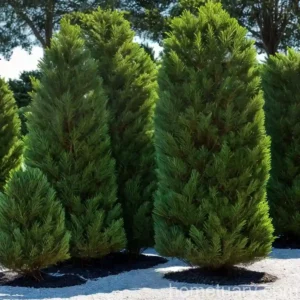
The Juniperus x pfitzeriana ‘Gold Coast’, commonly known as Gold Coast juniper, is a popular evergreen shrub prized for its stunning golden foliage and elegant, arching branches. This cultivar is a hybrid between Juniperus chinensis and Juniperus sabina and is characterized by its tolerance to various environmental conditions, making it a versatile addition to landscapes and gardens.
Key Takeaways – Juniperus x pfitzeriana ‘Gold Coast’
Before delving into the specifics of caring for the Gold Coast juniper, let’s examine the key takeaways associated with this distinctive plant:
- Cultural Appeal: The juniper is highly regarded for its ornamental value and landscaping versatility, often used to create borders, hedges, and ground covers.
- Vibrant Foliage: The golden-yellow foliage of the ‘Gold Coast’ juniper adds a touch of brightness and warmth to outdoor spaces, especially during the colder months.
- Low Maintenance: This plant is relatively low-maintenance once established, requiring minimal pruning and upkeep.
- Adaptability: It is known for its resilience and ability to thrive in diverse soil and light conditions.
- Pest and Disease Resistance: The juniper exhibits natural resistance to common pests and diseases, making it a hassle-free addition to gardens.
Now, let’s delve deeper into the specifics of caring for the juniper, addressing crucial aspects such as water, sunlight, fertilizer, soil, pruning, propagation, container gardening, and more.
Culture
Understanding the cultural requirements of the Juniperus x pfitzeriana ‘Gold Coast’ is essential for its successful growth and longevity. Let’s explore the specific cultural needs of this eye-catching shrub:
Water
- The ‘Gold Coast’ juniper is classified as drought-tolerant once established, requiring minimal supplemental watering.
- Optimal watering practices involve providing adequate moisture during the plant’s initial establishment phase, after which it can thrive with minimal intervention.
- It is crucial to ensure well-draining soil to avoid waterlogging, which can threaten the health of the plant.
Sunlight
- As a sun-loving plant, the Juniperus x pfitzeriana ‘Gold Coast’ thrives in full sunlight, exhibiting its best growth and coloration in bright, unobstructed light.
- It is capable of tolerating partial shade, although prolonged exposure to shade may result in diminished vibrancy of its foliage.
Fertilizer
- The ‘Gold Coast’ juniper typically does not necessitate heavy feeding, especially if it is flourishing in nutrient-rich soil.
- If fertilization is deemed necessary, opt for a balanced, slow-release fertilizer suitable for evergreen shrubs in early spring, following the manufacturer’s guidelines for application rates.
Soil
- The juniper exhibits adaptability to a wide range of soil types, including clay, loam, and sandy soils, as long as they are well-draining.
- It flourishes in slightly acidic to slightly alkaline soils, with a pH range of 6.0 to 7.5, but can tolerate mildly acidic or alkaline conditions.
Pruning
Pruning serves as a crucial maintenance practice for shaping the Juniperus x pfitzeriana ‘Gold Coast’ and promoting its overall health. Proper pruning techniques can enhance the plant’s aesthetic appeal and ensure its vitality. Here are essential considerations when it comes to pruning this particular juniper variety:
- Timing: It is advisable to conduct pruning during the plant’s dormant season, typically in late winter or early spring, before the emergence of new growth.
- Tools: Utilize sharp, clean pruning shears for precision and hygiene, reducing the risk of transmitting diseases.
- Techniques: Focus on selective pruning to maintain the desired shape and size of the plant, removing any dead, diseased, or overgrown branches.
- Cautionary Note: Avoid aggressive pruning, especially into old wood, as junipers have limited capacity for regenerative growth from older branches.
Propagation
The propagation of the Juniperus x pfitzeriana ‘Gold Coast’ can be achieved through various methods, enabling gardeners and horticulturists to propagate new plants with genetic consistency and desired traits. Here are common propagation techniques for this juniper cultivar:
- Cutting Propagation: Propagate the juniper using semi-hardwood cuttings taken in early summer, preparing them with rooting hormone before planting in well-draining propagation media.
- Division: Divide mature juniper plants during the early spring, carefully separating the root ball into distinct sections to produce new plants with established root systems.
- Seed Propagation: While viable, seed propagation is less common due to the potential variability in traits in the resulting seedlings, unlike the genetic consistency achieved through vegetative propagation methods.
Container Popularity
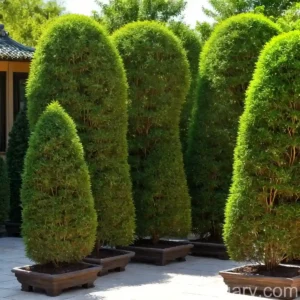
The Juniperus x pfitzeriana ‘Gold Coast’ is a popular choice for container gardening due to its compact size, elegant foliage, and adaptability to confined spaces. When cultivating this juniper in containers, it is crucial to consider several key factors to promote its health and vigor:
- Container Size: Choose a container with adequate depth and width to accommodate the juniper’s root system and allow for healthy growth. Avoid containers that may restrict root development or lead to waterlogging.
- Drainage: Ensure that the container provides proper drainage to prevent excess moisture accumulation, which can result in root rot and other detrimental conditions.
- Soil: Select a well-draining potting mix designed for container cultivation, supplementing it with perlite or coarse sand to enhance drainage and aeration.
Common Diseases
The Juniperus x pfitzeriana ‘Gold Coast’ exhibits commendable natural resistance to various diseases; however, some common ailments may affect its health if the growing conditions are unfavorable. Here are a few prevalent diseases to be mindful of:
- Phomopsis Blight: This fungal disease may manifest as browning and dieback of juniper branches, often exacerbated by prolonged periods of high humidity and poor air circulation.
- Root Rot: Excessive soil moisture or poor drainage can lead to root rot, causing the juniper’s roots to decay and compromise its overall health.
- Rust Diseases: Various rust fungi may target junipers, causing yellow-orange lesions on the foliage and potential defoliation if left unchecked.
Disease Diagnosis
Identifying and diagnosing potential diseases affecting the Juniperus x pfitzeriana ‘Gold Coast’ is imperative for timely intervention and treatment. Here’s a brief overview of the diagnostic process for common juniper diseases:
- Visual Inspection: Regularly inspect the juniper for any signs of discoloration, dieback, or abnormal growth, focusing on the foliage, branches, and root zone.
- Symptom Recognition: Familiarize yourself with the typical symptoms exhibited by common juniper diseases, such as characteristic lesions, discoloration, or wilting of foliage.
- Professional Consultation: If uncertain about disease diagnosis and treatment, consult with a horticultural expert or plant pathologist for accurate assessment and guidance.
Common Pests
The ‘Gold Coast’ juniper is generally resistant to many common pests, attributed to its aromatic foliage and natural defenses. Nonetheless, a few pests may pose occasional challenges to its well-being:
- Spider Mites: These tiny arachnids may infest junipers, causing stippling and discoloration of the foliage, especially in hot and dry conditions.
- Juniper Scale: Scale insects may appear as small, immobile bumps on the juniper’s foliage, sapping nutrients from the plant and potentially weakening it over time.
- Bagworms: These caterpillars construct protective bags from plant material, posing a threat to junipers as they consume foliage and twigs.
Botanist’s Tips
As a plant scientist, I have encountered various insights and recommendations that can enhance the cultivation and care of the Juniperus x pfitzeriana ‘Gold Coast.’ Here are a few botanist’s tips to consider when cultivating and maintaining this juniper variety:
- Mulching: Apply a layer of organic mulch around the base of the juniper to conserve soil moisture, reduce weed growth, and insulate the root zone against temperature fluctuations.
- Companion Planting: Consider companion plants that complement the ‘Gold Coast’ juniper, such as low-growing perennials or other evergreen shrubs that share similar cultural requirements.
- Environmental Considerations: Account for local climate conditions, including temperature extremes, wind exposure, and seasonal changes, when selecting a site for the juniper’s planting.
Fun Facts
Delve into some intriguing and lesser-known facts about the Juniperus x pfitzeriana ‘Gold Coast’, shedding light on its unique characteristics and ecological significance:
- Wildlife Habitat: Junipers, including the ‘Gold Coast’ variety, serve as valuable habitat and food sources for various birds, providing shelter and sustenance in natural landscapes.
- Native Range: The parent species of the ‘Gold Coast’ juniper, Juniperus chinensis and Juniperus sabina, have native ranges extending from East Asia to Europe, highlighting their broad ecological adaptability.
- Historical Significance: Juniper has been documented in historical and mythological contexts, symbolizing varied connotations in different cultures, from purification rituals to culinary uses.
Links to External Resources
To further enrich your understanding of the Juniperus x pfitzeriana ‘Gold Coast’ and its care requirements, I recommend exploring the following external resources and sources of information:
- Royal Horticultural Society – Juniperus x pfitzeriana ‘Gold Coast’
- University of Florida IFAS Extension – Junipers for Florida Landscapes
- Missouri Botanical Garden – Juniperus x pfitzeriana ‘Gold Coast’
- American Conifer Society – Juniperus x pfitzeriana ‘Gold Coast’
- North Carolina State University Extension – Juniper Diseases & Insect Pests
In conclusion, the Juniperus x pfitzeriana ‘Gold Coast’ stands as a remarkable addition to horticulture, boasting captivating aesthetics and robust performance in various environmental conditions. By understanding its cultural nuances and specific care requirements, enthusiasts and horticulturalists can cultivate and enjoy the enduring beauty of this exceptional juniper cultivar. Whether integrated into ornamental landscapes, used for erosion control, or embraced for its ecological contributions, the ‘Gold Coast’ juniper holds enduring appeal for plant enthusiasts and gardening aficionados worldwide.
Remember, horticulture is a dynamic and ever-evolving field, and I encourage you to explore additional resources, collaborate with fellow enthusiasts, and seek hands-on experience to further enrich your knowledge of plants and their care.
Thank you for joining me on this botanical exploration, and may your gardening endeavors be filled with growth and beauty.
Researcher Bio: Dr. ████
Dr. ████ is a renowned plant scientist with a passion for botanical research and horticultural education. With extensive experience in plant physiology, genetics, and sustainable agriculture, Dr. ████ has contributed to numerous scholarly publications and botanical initiatives, aiming to promote environmental stewardship and plant conservation.