Juniperus Virginiana (Eastern Red Cedar)
Juniperus virginiana, commonly known as Eastern Red Cedar, is a species of juniper native to eastern North America, from southeastern Canada to the Gulf of
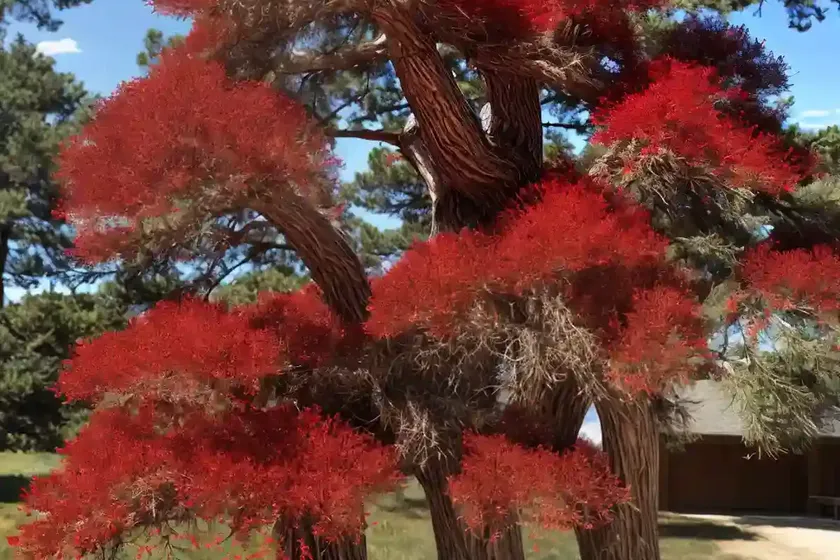
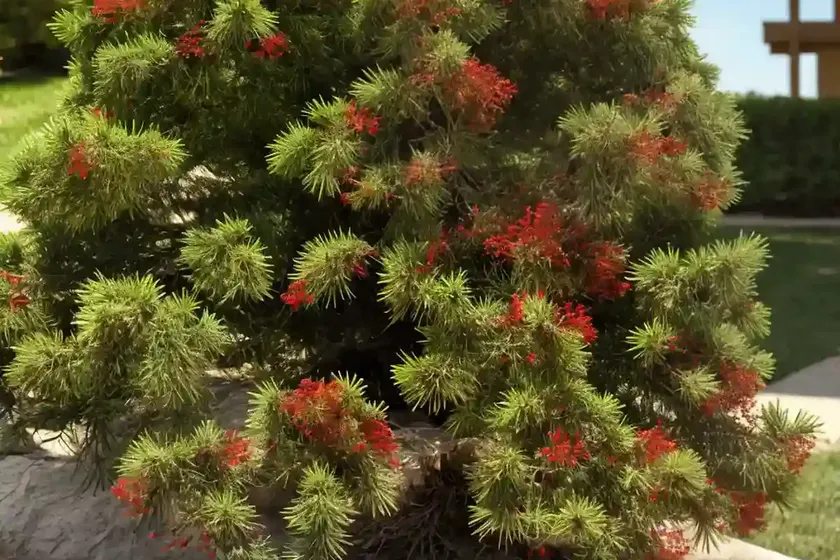
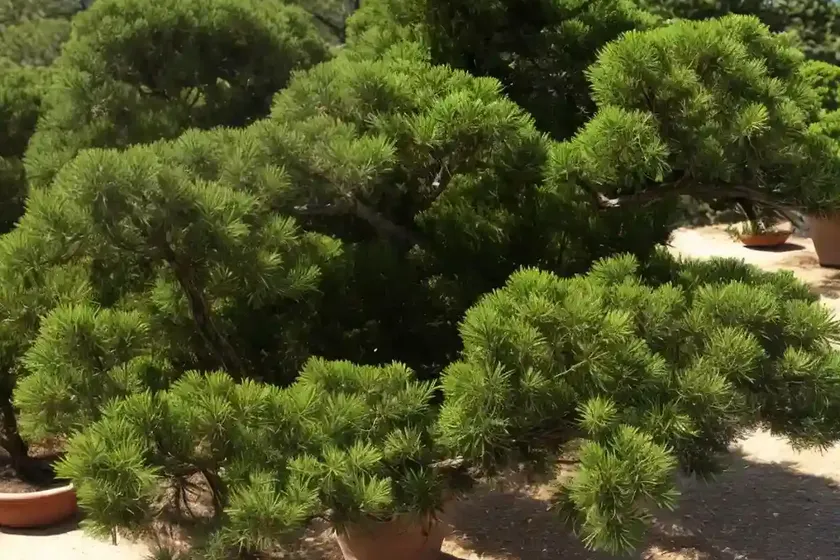
Juniperus virginiana, commonly known as Eastern Red Cedar, is a species of juniper native to eastern North America, from southeastern Canada to the Gulf of Mexico, east of the Great Plains.
What is Juniperus virginiana?
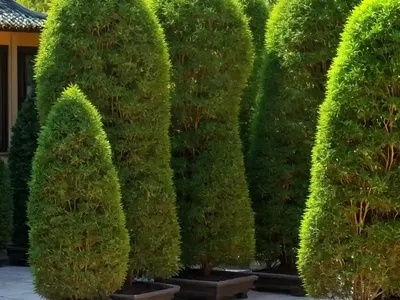
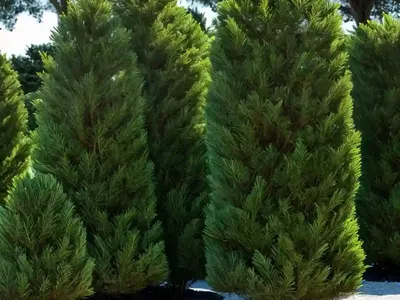
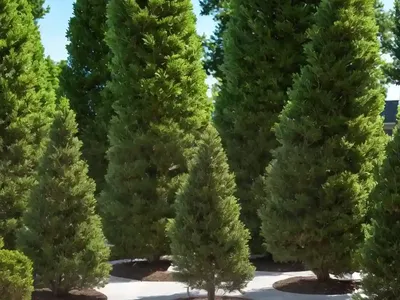
Juniperus virginiana, or Eastern Red Cedar, is a species of coniferous tree belonging to the cypress family (Cupressaceae). Despite its name, it is not a true cedar but rather a species of juniper. This evergreen tree is known for its dense, columnar growth and its deep green foliage, making it a popular choice for landscaping and ornamental purposes.
Key Takeaways – Juniperus virginiana (Eastern Red Cedar)
Let’s take a closer look at some key aspects of Juniperus virginiana:
- Scientific Name: Juniperus virginiana
- Common Names: Eastern Red Cedar, Red Cedar, Eastern Juniper
- Family: Cupressaceae
- Native Range: Eastern North America
- Type: Evergreen Tree
Now, let’s delve into the specific aspects of caring for and utilizing this unique tree.
Culture
Uses
Juniperus virginiana has a variety of uses, including:
- Landscaping: It is commonly used for hedges, windbreaks, and ornamental landscaping due to its attractive foliage and versatile growth habits.
- Wood Products: The durable wood of Eastern Red Cedar is used for crafting furniture, fencing, and other outdoor structures.
- Medicinal Purposes: Some parts of the tree have been used in traditional medicine for their medicinal properties.
Water
Eastern Red Cedar is known for its drought tolerance once established. However, it benefits from regular watering, especially during dry periods, to promote healthy growth.
Sunlight
This species thrives in full sun to partial shade, making it adaptable to various lighting conditions.
Fertilizer
Minimal fertilization is generally required for Juniperus virginiana. However, if the tree shows signs of nutrient deficiency, a balanced fertilizer can be applied in the spring.
Soil
Eastern Red Cedar prefers well-drained soil and is adaptable to a range of soil types, including sandy, loamy, or clay soils.
Pruning
Pruning is generally not necessary for Eastern Red Cedar, as it naturally maintains its attractive form. However, selective trimming can be done to shape the tree or control its size.
Propagation
Juniperus virginiana can be propagated through both seeds and cuttings. Seeds should be stratified before sowing to improve germination rates, while cuttings can be taken in late spring or early summer.
Container Popularity
This species is well-suited for container growth, making it a popular choice for patio, deck, or balcony gardening.
Container Common Diseases
While Eastern Red Cedar is relatively resistant to diseases, it can be susceptible to certain fungal infections, such as cedar-apple rust and root rot.
Disease Diagnosis
Diagnosing diseases in Eastern Red Cedar involves careful observation of symptoms such as discolored foliage, cankers, or unusual growth patterns. It is important to address any signs of disease promptly to prevent further spread.
Common Pests
Eastern Red Cedar is relatively resistant to pests due to its aromatic foliage. However, certain insects, such as bagworms and spider mites, can occasionally pose a threat to the tree’s health.
Botanist’s Tips
- When planting Eastern Red Cedar, allow ample space for its mature size to ensure proper airflow and sunlight exposure.
- Avoid overwatering, as this can lead to root rot and other issues.
- Regularly monitor the tree for signs of pests or diseases and take appropriate measures if needed.
Fun Facts
- The aromatic wood of Eastern Red Cedar is often used to make cedar chests and closets due to its natural moth-repellent properties.
- Native Americans used various parts of the tree for traditional medicinal purposes and in crafting tools and containers.
Links to External Resources
For further reading and information about Juniperus virginiana, you can explore the following resources: