Juniperus virginiana ‘Canaertii’ (Eastern Red Cedar) – A Plant Scientist’s Guide
As a plant scientist deeply passionate about botany, I am excited to delve into the intricate and fascinating world of the Juniperus virginiana ‘Canaertii’, commonly known as the Eastern Red Cedar. This majestic evergreen tree belongs to the Cupressaceae family and possesses a rich history of cultural and ecological significance. Throughout this comprehensive guide, we will explore the cultural, botanical, and practical aspects of this remarkable species, offering valuable insights for both enthusiasts and horticultural professionals alike.
What is Juniperus virginiana ‘Canaertii’?
Taxonomy and Description
The Juniperus virginiana ‘Canaertii’, also known as the Eastern Red Cedar, is a member of the Cupressaceae family, which encompasses numerous coniferous trees and shrubs. This species is a native of North America and is particularly prevalent in regions with well-drained soils and abundant sunlight. As an evergreen tree, the Eastern Red Cedar is recognized for its dense, feathery foliage, which comprises scales that overlap each other, giving the tree a vibrant green appearance.
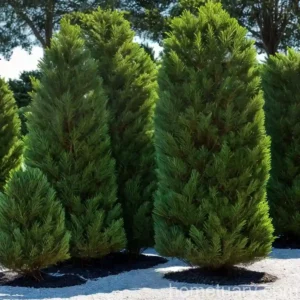
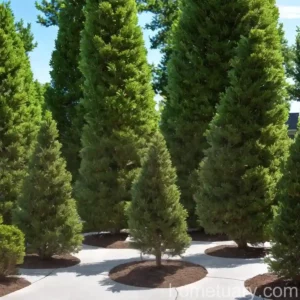
The ‘Canaertii’ variety, in particular, is highly esteemed for its columnar growth habit, reaching impressive heights of up to 40 feet and a spread of around 8 to 20 feet. It is characterized by its pyramidal shape and maintains a relatively compact structure, making it a preferred choice for ornamental and landscaping purposes.
Key Identifiers
When examining the Eastern Red Cedar, several key identifiers contribute to its unique and distinguishable features:
- Foliage: The foliage of the Juniperus virginiana ‘Canaertii’ is crafted from scale-like needles that emit a delightfully fragrant scent, especially when crushed or brushed against.
- Cones: These trees produce small, bluish-gray cones that add to their visual allure and serve as an essential aspect of their reproductive process.
- Bark: The reddish-brown bark of the Eastern Red Cedar offers an appealing contrast to its vibrant green foliage, enhancing its aesthetic appeal throughout the seasons.
Key Takeaways – Juniperus virginiana ‘Canaertii’ (Eastern Red Cedar)
Culture
The Eastern Red Cedar has a rich cultural heritage, deeply ingrained in the history and traditions of Native American communities. Its wood, with its distinctive aroma and durability, has been extensively used for crafting objects ranging from furniture to ornamental carvings and essential household items. The fragrant properties of the wood also make it a popular choice for the production of cedar chests and closets, offering natural pest-repellent qualities.
Uses
The Juniperus virginiana ‘Canaertii’ fulfills various practical and ornamental roles within horticulture and landscaping. Its versatility as a privacy screen, windbreak, or as an accent plant makes it an invaluable addition to residential and commercial landscapes. Additionally, the aromatic nature of its foliage contributes to its appeal as a decorative piece and a source of natural fragrance in garden settings.
With this foundation laid, let’s delve deeper into the meticulous care and requirements essential for cultivating and maintaining this captivating species.
Water
The Eastern Red Cedar, once established, demonstrates a commendable level of drought tolerance, marking it as a suitable candidate for arid and semi-arid environments. The tree generally requires infrequent watering and can thrive in well-draining soils, avoiding excessive moisture accumulation around its root system. In the initial stages of planting, it is advisable to water the tree regularly to promote healthy establishment and root development.
Sunlight
One of the defining attributes of the Juniperus virginiana ‘Canaertii’ is its affinity for abundant sunlight. As a sun-loving species, it flourishes when exposed to full sunlight, enabling it to achieve optimal growth and vigor. Insufficient sunlight may lead to sparse foliage and diminished overall health, emphasizing the importance of ensuring adequate light exposure for optimal performance.
Fertilizer
Given the Eastern Red Cedar’s adaptability to varying soil conditions, it generally requires minimal fertilization. However, in instances where the soil lacks essential nutrients, a balanced, slow-release fertilizer may be applied in the spring, promoting steady growth and vitality. It is essential to exercise caution and avoid over-fertilization, as excessive nutrient levels can prove detrimental to the tree’s well-being and may lead to adverse consequences.
Soil
The Juniperus virginiana ‘Canaertii’ thrives in well-drained soils, demonstrating resilience in a spectrum of soil compositions, ranging from sandy to loamy textures. It is crucial to prevent waterlogged conditions, as the species is susceptible to root rot in excessively moist environments. Additionally, the soil pH should ideally range between 5.0 to 7.5, ensuring an optimal foundation for the tree’s growth and metabolic processes.
Pruning
Pruning contributes significantly to the maintenance and aesthetics of the Eastern Red Cedar. Conducting pruning activities during the dormant season, typically in late winter or early spring, allows for the removal of dead or damaged branches while shaping the tree to achieve desired architectural forms. It is essential to exercise precision and caution during pruning to avoid unnecessary stress and maintain the tree’s structural integrity.
Propagation
The propagation of Juniperus virginiana ‘Canaertii’ is primarily achieved through seed sowing, cuttings, or layering methods. These techniques offer effective means of replicating the desired characteristics inherent to the parent plant. Preparation and care are integral in the propagation process, ensuring that the offspring inherit the desirable traits and genetic makeup of the original specimen.
Container Popularity
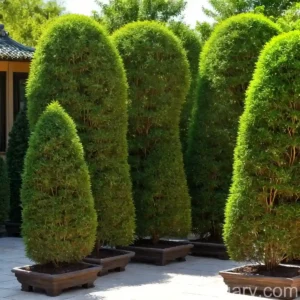
The Eastern Red Cedar’s adaptability to container cultivation makes it a sought-after choice for ornamental and urban environments. Container-grown specimens are particularly versatile, functioning as accent features in patios, courtyards, and urban landscapes, offering a blend of aesthetics and functionality. The compact nature of the ‘Canaertii’ variety further enhances its suitability for container growth, presenting an attractive option for space-conscious gardening enthusiasts.
Common Diseases
While the Eastern Red Cedar displays notable resistance to many pests and diseases, it is susceptible to certain health concerns that necessitate vigilance. Common diseases that may affect this species include cedar-apple rust, blight, and root rot, emphasizing the importance of proactive management and preventive measures.
Disease Diagnosis
Diagnosing diseases in the Eastern Red Cedar mandates a perceptive eye and an understanding of the symptoms associated with prevalent ailments. Visual indicators such as discoloration, lesions, or abnormal growth patterns serve as important diagnostic cues, guiding timely interventions to maintain the tree’s vitality and resilience.
Common Pests
Despite its robust nature, the Juniperus virginiana ‘Canaertii’ may encounter pests such as spider mites, bagworms, and scale insects. Monitoring the tree for signs of pest infestation and implementing appropriate control measures are essential in preserving its health and aesthetic appeal.
Botanist’s Tips
As a plant scientist, I offer the following tips for nurturing and enhancing the Eastern Red Cedar:
- Soil Management: Prioritize well-draining soil to minimize the risk of waterlogging and promote root health.
- Pruning Techniques: Employ precise and strategic pruning techniques to maintain the tree’s form and vitality.
- Disease Vigilance: Regularly inspect the tree for signs of disease or pest activity, addressing issues promptly to prevent escalation.
- Cultivation Considerations: Align planting and cultivation practices with the species’ preferences for sunlight, water, and soil composition, ensuring an environment conducive to optimal growth.
Fun Facts
Delving into the intriguing traits and characteristics of the Eastern Red Cedar unveils several captivating facts:
- Native American Connection: The Eastern Red Cedar holds significant cultural importance among various Native American tribes, often used for crafting traditional ceremonial objects and symbolic artifacts.
- Wildlife Support: The tree serves as a vital habitat and food source for numerous bird species, including the cedar waxwing, adding ecological value to diversified landscapes.
- Symbiotic Relationships: The Eastern Red Cedar exhibits unique symbiotic relationships with mycorrhizal fungi, fostering mutualistic interactions beneficial for both the tree and the soil ecosystem.
With the exploration of this remarkable species now underway, let us examine some external resources that offer valuable insights into the care, cultivation, and distinctive attributes of the Juniperus virginiana ‘Canaertii’.
Links to External Resources
- Missouri Botanical Garden – Juniperus virginiana ‘Canaertii’
- North Carolina State Extension – Eastern Red Cedar
- USDA Plants Database – Juniperus virginiana
- University of Florida IFAS Extension – Juniperus virginiana ‘Canaertii’
- The Morton Arboretum – Eastern Red Cedar
In conclusion, the Juniperus virginiana ‘Canaertii’, or Eastern Red Cedar, stands as an emblem of resilience, versatility, and cultural significance within the realms of horticulture and botany. Its enduring appeal and multifaceted contributions to ecosystems and human societies render it a treasure deserving of admiration and preservation. As we continue to expand our understanding of this exceptional species, may we cultivate a deep appreciation for its timeless charm and ecological relevance, enriching our natural environments and our collective botanical knowledge.
As a plant scientist passionate about the thriving of botanical species, I hope this comprehensive guide provides valuable insights into the captivating realm of the Juniperus virginiana ‘Canaertii’. Should you have any questions or seek further elaboration on any aspects of the Eastern Red Cedar, feel free to reach out. It is through the shared exploration and appreciation of these remarkable plants that we cultivate enduring appreciation and stewardship for our natural world.