Juniperus x pfitzeriana ‘Old Gold’ (Chinese Juniper): A Comprehensive Guide
Introduction
The Juniperus x pfitzeriana ‘Old Gold’, also known as the Chinese Juniper, is an exquisite evergreen shrub that is prized for its stunning golden foliage and exceptional adaptability. This hardy plant belongs to the family Cupressaceae and is a hybrid of Juniperus chinensis and Juniperus sabina.
In this comprehensive guide, we will delve into the essential aspects of cultivating and caring for the Juniperus x pfitzeriana ‘Old Gold’. From its cultural requirements and uses to maintenance tips and potential pests and diseases, this article aims to provide a thorough understanding of this remarkable plant.
Key Takeaways – Juniperus x pfitzeriana ‘Old Gold’ (Chinese Juniper)
Before delving deeper into the intricacies of caring for the Juniperus x pfitzeriana ‘Old Gold’, let’s highlight the key takeaways that will be explored in this guide:
- Cultural Requirements: Understanding the ideal growing conditions for the Juniperus x pfitzeriana ‘Old Gold’.
- Uses: Exploring the various landscape and gardening uses of this versatile plant.
- Watering: Guidelines on watering practices to maintain the health and vigor of the Chinese Juniper.
- Sunlight: Determining the optimal sunlight requirements for robust growth.
- Fertilizer: Recommendations for nourishing the plant with suitable fertilizers.
- Soil Preferences: Identifying the preferred soil conditions for successful cultivation.
- Pruning: Techniques and schedules for pruning to shape and maintain the plant.
- Propagation: Guidelines for propagating the Juniperus x pfitzeriana ‘Old Gold’.
- Container Gardening: Tips for cultivating this plant in containers.
- Popularity: Understanding the popularity and widespread appeal of the Chinese Juniper.
- Common Diseases: Identification and management of potential diseases affecting the plant.
- Pests: Recognizing common pests and implementing effective pest control measures.
- Botanist’s Tips: Insights and tips from botanists for cultivating and caring for this plant.
- Fun Facts: Discovering interesting and lesser-known facts about the Juniperus x pfitzeriana ‘Old Gold’.
- Links to External Resources: Providing additional resources for further exploration and learning.
Now, let’s delve into the details of each of these aspects to gain a comprehensive understanding of the Juniperus x pfitzeriana ‘Old Gold’.
Plant Name: Juniperus x pfitzeriana ‘Old Gold’ (Chinese Juniper)

Culture
Cultivating the Juniperus x pfitzeriana ‘Old Gold’ successfully involves understanding its cultural requirements, encompassing factors such as watering, sunlight, fertilization, and soil preferences.
Water
The Chinese Juniper ‘Old Gold’ displays moderate tolerance to drought once established. However, during its initial establishment phase, regular watering is essential to facilitate root development and overall growth. It is important to ensure that the soil is well-draining to prevent waterlogging, which can lead to root rot. The frequency of watering should be adjusted based on the environmental conditions and the moisture retention capabilities of the soil.
Sunlight
This plant thrives in full sun to partial shade, with a preference for at least six hours of direct sunlight daily. Adequate sunlight exposure is pivotal for promoting healthy growth and vibrant foliage coloration.
Fertilizer
When it comes to fertilization, the Juniperus x pfitzeriana ‘Old Gold’ benefits from an annual application of a balanced, slow-release fertilizer in early spring. The fertilizer should be evenly distributed around the root zone, followed by thorough watering to allow the nutrients to penetrate the soil. Care should be taken to avoid excessive fertilizer application, as this can lead to adverse effects on the plant’s health.
Soil
This juniper variety thrives in well-drained soil with a slightly acidic to neutral pH level. It is crucial to avoid waterlogged or compacted soils, as poor drainage can predispose the plant to root diseases. Amending the soil with organic matter can improve its texture and drainage capabilities, creating an optimal growing environment for the Chinese Juniper ‘Old Gold’.
Uses
The Juniperus x pfitzeriana ‘Old Gold’ offers a myriad of uses in landscaping, container gardening, and general horticultural practices.
Landscape Uses: The striking golden foliage of this juniper makes it a standout choice for adding visual interest and color contrast in various landscape settings. It can be utilized as a focal point in garden beds, ornamental borders, or rock gardens. Additionally, its compact and spreading habit makes it well-suited for ground covers and erosion control on slopes.
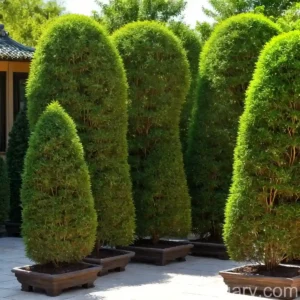
Container Gardening: Due to its moderate growth rate and adaptability to container cultivation, the ‘Old Gold’ Juniper can be elegantly showcased in large containers on patios, decks, or entryways. Its vibrant foliage adds a touch of elegance and visual appeal to outdoor spaces.
Privacy Screen or Hedge: With proper pruning and maintenance, this juniper variety can be trained into an attractive and dense privacy screen or hedge, offering both aesthetic enhancement and functional boundary delineation.
Companion Planting: The Chinese Juniper ‘Old Gold’ complements a wide array of companion plants, including flowering perennials, ornamental grasses, and other evergreen shrubs. When strategically paired with other plant species, it contributes to harmonious and visually captivating garden compositions.
Pruning
Pruning is an essential aspect of maintaining the health, shape, and aesthetic appeal of the Juniperus x pfitzeriana ‘Old Gold’. Proper pruning techniques and schedules play a significant role in promoting vigorous growth and preventing issues such as overcrowding and disease susceptibility.
Pruning Guide: The best time to prune this juniper is during late winter to early spring before the onset of new growth. It is important to remove any dead, diseased, or damaged branches to enhance the overall appearance of the plant and foster healthy regrowth. Additionally, selective pruning can be employed to shape the shrub and manage its size, especially in the context of hedge or topiary formations.
Propagation
The propagation of Juniperus x pfitzeriana ‘Old Gold’ can be achieved through several methods, including seed propagation, cuttings, and layering.
Seed Propagation: While this juniper does produce seeds, germination can be variable and time-consuming. As a result, seed propagation may not be the most efficient method for propagating this plant, especially in a home gardening context.
Cuttings: Propagation through softwood or hardwood cuttings is often the preferred method for obtaining new plants with genetic consistency to the parent plant. Softwood cuttings can be taken in late spring or early summer, while hardwood cuttings are typically collected in late autumn or winter. Rooting hormone application and proper environmental conditions are crucial for the success of cuttings propagation.
Layering: Air layering is another viable propagation method for this juniper, involving the encouragement of roots to form on a stem that is still attached to the parent plant. Once the new roots have developed, the rooted stem can be severed and potted as an independent plant.
Container Popularity
The adaptability of the Juniperus x pfitzeriana ‘Old Gold’ to container cultivation has contributed to its popularity among gardeners seeking to adorn their outdoor spaces with its radiant foliage and compact growth habit.
Container Gardening: The ‘Old Gold’ Juniper flourishes in large containers filled with well-draining potting mix. It offers an excellent option for adding visual interest and versatility to patios, balconies, and other outdoor areas. The vibrant golden foliage serves as an eye-catching centerpiece in container compositions, either as a standalone specimen or when combined with complementary plants.
Common Diseases
While the Juniperus x pfitzeriana ‘Old Gold’ is generally robust and resistant to many pests and diseases, it is still susceptible to certain issues that can compromise its health if not identified and managed promptly.
Disease Susceptibility: One of the key diseases affecting junipers is Phytophthora root rot, which can assail the roots and lower trunk of the plant, leading to wilting, browning foliage, and overall decline. Proper watering practices, avoidance of waterlogged soil, and prompt removal of infected plant parts can help mitigate the impact of this disease.
Disease Diagnosis
Prompt and accurate diagnosis of potential diseases affecting the Juniperus x pfitzeriana ‘Old Gold’ is crucial for implementing effective management strategies and safeguarding the plant’s health.
Symptoms and Identification: Symptoms of diseases such as Phytophthora root rot include wilting, browning or yellowing of foliage, and stunted growth. Upon observing such symptoms, it is essential to carefully investigate the affected plant parts and assess the presence of any signs of disease, such as discoloration, lesions, or abnormal growth.
Professional Consultation: In cases where disease diagnosis is challenging or uncertain, seeking the guidance of a professional plant pathologist or horticulturist can provide valuable insights and recommendations for disease management.
Common Pests
While the Chinese Juniper ‘Old Gold’ is relatively resistant to pest infestations, it can still encounter certain common pests that require vigilant monitoring and appropriate interventions.
Pest Vigilance: Keep an eye out for potential pests such as spider mites and juniper scale, which may target the foliage and tender shoots of the plant. Regular visual inspection of the juniper and proactive measures can help prevent pest populations from reaching damaging levels.
Pest Control: If pest infestations are detected, consider employing targeted control methods such as horticultural oils or insecticidal soaps that are effective against the specific pests while minimizing adverse effects on beneficial organisms.
Botanist’s Tips
Drawing from the expertise and observations of botanists and horticulturalists can provide valuable insights and practical tips for optimizing the health and vitality of the Juniperus x pfitzeriana ‘Old Gold’.
Cultivation Advice: Botanists recommend ensuring proper soil drainage and moisture management, as waterlogging can predispose the plant to a range of issues, including root rot and reduced vigor. Additionally, regular monitoring of the plant for signs of pests, diseases, and nutrient deficiencies is crucial for timely intervention and preservation of plant health.
Pruning Guidance: Botanists emphasize the importance of employing sterile pruning tools and making clean cuts to minimize the risk of introducing pathogens to the plant. Furthermore, strategic pruning can help maintain the desired size and shape of the Chinese Juniper ‘Old Gold’.
Fun Facts
Intriguing and lesser-known facts about the Juniperus x pfitzeriana ‘Old Gold’ add to the allure and fascination surrounding this remarkable plant.
Winter Interest: The golden foliage of this juniper variety retains its vibrant color throughout the winter months, offering enduring visual appeal even when many other plants are in dormancy. This winter interest makes it a cherished addition to winter landscapes.
Wildlife Attraction: The dense foliage and protective cover provided by the ‘Old Gold’ Juniper create favorable habitats for various wildlife, including birds seeking shelter and nesting sites. Its wildlife-friendly attributes contribute to the ecological value of this plant in diverse environmental contexts.
Links to External Resources
To further expand your knowledge and understanding of the Juniperus x pfitzeriana ‘Old Gold’ and its cultivation, below are some valuable external resources:
- Royal Horticultural Society – Juniperus x pfitzeriana ‘Old Gold’
- Missouri Botanical Garden – Chinese Juniper ‘Old Gold’
- University of Florida IFAS Extension – Juniperus × pfitzeriana ‘Old Gold’
Feel free to explore these resources for in-depth insights, recommendations, and inspiration for cultivating and appreciating the unique attributes of the Juniperus x pfitzeriana ‘Old Gold’.
By delving into the comprehensive aspects of this exceptional plant, we have uncovered the intricate details of its cultural requirements, applications, maintenance, and more. Whether you are an avid gardener, landscape enthusiast, or botany aficionado, the Juniperus x pfitzeriana ‘Old Gold’ offers a source of delight and horticultural appeal. Embracing its remarkable attributes and understanding the nuances of its care enriches our appreciation for the botanical marvels that grace our natural and cultivated landscapes.