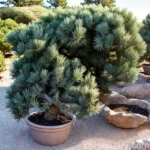
Juniperus scopulorum ‘Wichita Blue’ (Rocky Mountain Juniper) – A Comprehensive Guide
Juniperus scopulorum ‘Wichita Blue’, commonly known as the Rocky Mountain Juniper, is a striking coniferous plant that is renowned for its vibrant blue foliage and its adaptability to various growing conditions. As a plant scientist, I have closely studied the characteristics, cultural requirements, and uses of Juniperus scopulorum ‘Wichita Blue’, and in this comprehensive guide, I will share crucial insights, cultivation tips, and horticultural practices to ensure the successful growth and maintenance of this remarkable species.
What is Juniperus scopulorum ‘Wichita Blue’?
Juniperus scopulorum ‘Wichita Blue’, also referred to as the Rocky Mountain Juniper, is a species of juniper native to the Rocky Mountains of North America. It is recognized for its dense, pyramidal form and its striking blue-gray foliage, which adds an appealing ornamental element to landscapes. This evergreen conifer typically grows at a moderate rate, reaching a mature height of 15-25 feet and a width of 4-6 feet, making it an ideal choice for landscaping, windbreaks, and erosion control in a variety of settings. The species belongs to the Cupressaceae family and is botanically classified as Juniperus scopulorum.
As a hardy and versatile plant, Juniperus scopulorum ‘Wichita Blue’ exhibits excellent tolerance to drought, deer, and air pollution, making it an ideal choice for low-maintenance landscapes and gardens. With its unique features and adaptable nature, this juniper cultivar has gained popularity among horticulturists, gardeners, and landscaping professionals.
Key Takeaways – Juniperus scopulorum ‘Wichita Blue’ (Rocky Mountain Juniper)
Culture
-
Hardiness Zones: Juniperus scopulorum ‘Wichita Blue’ is well-suited for USDA hardiness zones 4-7, where it thrives in diverse climatic conditions, including cold winters and hot summers.
-
Watering: This juniper variety is known for its drought tolerance and requires minimal watering once established. It is crucial to ensure adequate moisture during the initial establishment period, after which it can withstand dry spells with minimal intervention.
-
Sunlight: Rocky Mountain Juniper thrives in full sun to partial shade, displaying optimal growth and foliage coloration when provided with ample sunlight.
-
Soil: It prefers well-drained soils and is adaptable to a wide range of soil types, including sandy, loamy, or clay soils, as long as they offer good drainage.
Uses
-
Landscaping: Juniperus scopulorum ‘Wichita Blue’ is a popular choice for landscaping applications, adding visual interest and color contrast to gardens, borders, and naturalistic plantings.
-
Windbreaks: Due to its upright growth habit and dense foliage, it serves as an effective windbreak or screen, providing shelter and privacy in residential and commercial landscapes.
-
Erosion Control: The extensive root system and hardy nature of the Rocky Mountain Juniper make it an excellent candidate for stabilizing soil on slopes and preventing erosion.
-
Wildlife Habitat: The plant provides cover and nesting sites for various wildlife species, contributing to biodiversity and ecological balance.
Water
-
Watering Needs: Once established, Juniperus scopulorum ‘Wichita Blue’ exhibits remarkable drought tolerance, requiring minimal irrigation. It is important to avoid overwatering, as excessive moisture can lead to root rot and other moisture-related issues.
-
Watering Schedule: During the establishment phase, regular watering is recommended to promote root development and acclimatization to the planting site. Afterward, occasional deep watering during prolonged dry periods is sufficient to sustain the plant.
-
Moisture Monitoring: Monitoring soil moisture levels and adjusting the watering frequency based on environmental conditions and seasonal variations is essential for promoting the plant’s health and vitality.
Sunlight
-
Sun Exposure: Rocky Mountain Juniper thrives in full sun to partial shade, displaying optimal growth and foliage coloration when exposed to direct sunlight for a significant portion of the day.
-
Light Requirements: To maintain the characteristic bluish tint of its foliage, it is advisable to provide the plant with at least 6-8 hours of sunlight daily, ensuring proper photosynthesis and overall vigor.
-
Shade Tolerance: While it prefers ample sunlight, Juniperus scopulorum ‘Wichita Blue’ exhibits moderate tolerance to partial shade, allowing for its successful growth in locations with some degree of shading.
Fertilizer
-
Nutrient Requirements: Juniperus scopulorum ‘Wichita Blue’ is relatively low-maintenance in terms of fertilizer needs and can thrive in nutrient-deficient soils. However, supplemental feeding can be beneficial for enhancing growth and maintaining foliage color.
-
Fertilization Timing: Applying a balanced, slow-release fertilizer in early spring is recommended to provide essential nutrients for the upcoming growing season. Avoid fertilizing late in the season, as it can stimulate late-season growth that may be susceptible to frost damage.
-
Fertilizer Selection: Select a fertilizer specifically formulated for woody plants or evergreens, ensuring it contains adequate levels of essential macronutrients and micronutrients for balanced nutrition.
Soil
-
Soil Type: Juniperus scopulorum ‘Wichita Blue’ thrives in well-drained soils and is adaptable to various soil types, including sandy, loamy, and clay soils. It is essential to avoid waterlogged or compacted soils to prevent root suffocation and disease development.
-
pH Range: The plant tolerates a moderately wide pH range, preferring slightly acidic to slightly alkaline soils with a pH level ranging from 6.0 to 7.5. Conducting a soil test can help determine the pH and nutrient levels, guiding the necessary soil amendments.
-
Soil Amendments: Incorporating organic matter such as compost or well-rotted manure can improve soil structure and fertility, promoting a conducive growing environment for the Rocky Mountain Juniper.
Pruning
-
Pruning Timing: Pruning is best performed in late winter or early spring before the onset of new growth. This timing allows for the removal of dead, damaged, or overgrown branches while minimizing stress on the plant.
-
Pruning Techniques: Use clean, sharp pruning tools to make precise cuts, removing branches selectively to maintain the plant’s natural form and density. Avoid excessive pruning, as junipers have limited capacity for regeneration on old wood.
-
Sanitation Practices: Sterilize pruning equipment between cuts, especially when dealing with diseased or infested branches, to prevent the spread of pathogens within the plant.
Propagation
-
Propagation Methods: Juniperus scopulorum ‘Wichita Blue’ can be propagated from seeds, semi-hardwood cuttings, or softwood cuttings. While seeds are viable, vegetative propagation through cuttings is commonly practiced to ensure the retention of desirable traits and characteristics.
-
Cutting Propagation: Softwood cuttings collected in early summer or semi-hardwood cuttings obtained in mid to late summer can be treated with rooting hormone and placed in a well-draining propagation medium to initiate root development.
-
Seed Propagation: Collect ripe juniper seeds in the fall, stratify them for a few months, and sow them in seed trays or outdoor beds to allow for germination and seedling establishment.
Container Popularity
-
Container Growth: Juniperus scopulorum ‘Wichita Blue’ is well-suited for container cultivation, offering an attractive and low-maintenance option for patios, balconies, and small gardens.
-
Container Requirements: Choose a spacious container with adequate drainage holes to prevent waterlogging, and use a well-draining potting mix designed for containerized plants to support healthy root growth.
-
Maintenance: Containers may require more frequent watering compared to plants in the ground, as they tend to dry out more quickly. Regular monitoring of soil moisture and nutrient levels is essential for sustaining healthy growth.
Common Diseases
Identification and Prevention
-
Cedar Apple Rust: This fungal disease, characterized by orange, spore-producing galls on juniper needles, can be prevented by removing nearby cedar trees, reducing moisture around junipers, and applying fungicidal treatments if necessary.
-
Phomopsis Blight: Symptoms include dieback of branch tips and the presence of black, spore-producing structures on affected plant parts. Prune and dispose of infected branches and promote good air circulation to prevent the spread of the disease.
-
Root Rot: Excessive moisture and poorly drained soils can lead to root rot, causing the decline of the plant. Implement proper watering practices and ensure well-drained growing conditions to mitigate the risk of root rot.
Disease Diagnosis
-
Visual Signs: Regular monitoring for changes in foliage color, texture, or growth patterns can aid in the early detection of potential disease issues.
-
Diagnostic Resources: Consult local extension services, plant clinics, or diagnostic laboratories to identify specific diseases affecting Juniperus scopulorum ‘Wichita Blue’ and to receive accurate management recommendations.
-
Cultural Practices: Maintaining overall plant health through proper cultural practices, including watering, pruning, and soil management, can reduce the plant’s susceptibility to diseases and stress-related issues.
Common Pests
Pest Management
-
Spider Mites: These tiny pests can cause stippling and discoloration of juniper foliage. Use horticultural oils or insecticidal soaps to manage spider mite infestations, and ensure adequate moisture to prevent unfavorable conditions for the pests.
-
Juniper Scale: Scale insects may infest junipers, leading to yellowing or stunted growth. Pruning infested branches and applying horticultural oils during the dormant season can help control scale populations.
-
Bagworms: Regularly inspect the plant for the presence of bagworm cocoons and handpick them to minimize their impact. In cases of severe infestations, biological control agents or targeted insecticides can be employed.
Botanist’s Tips
- Site Selection: Choose a well-drained location with ample sunlight and ample space to accommodate the mature size of Juniperus scopulorum ‘Wichita Blue’, ensuring optimal growing conditions.
- Mulching: Applying a layer of organic mulch around the base of the plant can help conserve soil moisture, regulate soil temperature, and suppress weed growth.
- Winter Protection: In regions with harsh winters, consider providing a windbreak or burlap wrap to shield the plant from drying winds and temperature fluctuations.
- Monitoring: Regularly observe the plant for signs of stress, disease, or pest activity, and address any issues promptly to maintain its health and vigor.
Fun Facts
- The distinctive blue-gray foliage of Juniperus scopulorum ‘Wichita Blue’ intensifies in color during the cooler months, adding visual interest to winter landscapes.
- The wood of the Rocky Mountain Juniper has been traditionally used by indigenous communities for crafting various tools, containers, and ceremonial items due to its durability and natural resistance to decay.
Links to External Resources
For further information on Juniperus scopulorum ‘Wichita Blue’ and related topics, you may find the following resources helpful:
- The American Conifer Society
- University of Minnesota Extension: Growing Evergreens
- Royal Horticultural Society: Junipers
- Colorado State University Extension: Junipers for Colorado Landscapes
- Missouri Botanical Garden: Juniperus scopulorum
- North Carolina State Extension: Integrated Pest Management for Junipers
In conclusion, Juniperus scopulorum ‘Wichita Blue’ is a captivating plant species with a multitude of uses, exceptional adaptability, and unique ornamental qualities that make it a valuable addition to diverse landscapes and garden settings. By understanding its cultural requirements, disease and pest management strategies, and propagation techniques, enthusiasts and horticultural professionals can maximize the potential of this remarkable juniper variety, creating visually stunning and sustainable plantings while contributing to the conservation and appreciation of native flora.
Remember that proper care, attention to detail, and regular observations are crucial for the long-term success of Juniperus scopulorum ‘Wichita Blue’, allowing it to thrive and inspire admiration in outdoor spaces throughout its life cycle. Whether used as a focal point in a garden, an essential element in xeriscaping, or a functional windbreak, the Rocky Mountain Juniper embodies resilience, elegance, and ecological significance, enriching landscapes and benefiting the surrounding environment.
With its enduring beauty and enduring contributions to horticulture and natural ecosystems, Juniperus scopulorum ‘Wichita Blue’ exemplifies the timeless allure and practical value of evergreen plant species in modern horticultural practices and sustainable landscape design.
If you have any questions or need further guidance on specific aspects of Juniperus scopulorum ‘Wichita Blue’ care and cultivation, feel free to reach out for personalized recommendations and expert advice, as I am committed to promoting the appreciation and sustainable use of this exceptional plant species.
Remember, the beauty of a garden comes not only from the plants, but from the nurturing care and passion of those who tend to them.
Happy gardening!
Keywords: Juniperus scopulorum ‘Wichita Blue’ care guide, Growing Rocky Mountain Juniper, Juniperus scopulorum ‘Wichita Blue’ planting tips, Rocky Mountain Juniper varieties, Juniperus scopulorum ‘Wichita Blue’ landscaping ideas, How to propagate Juniperus scopulorum ‘Wichita Blue’, Pruning tips for Rocky Mountain Juniper, Juniperus scopulorum ‘Wichita Blue’ maintenance guide, Best soil for Juniperus scopulorum ‘Wichita Blue’, Juniperus scopulorum ‘Wichita Blue’ disease prevention, Juniperus scopulorum ‘Wichita Blue’ growth habits, Watering needs for Rocky Mountain Juniper, Juniperus scopulorum ‘Wichita Blue’ vs other Juniperus species, Benefits of planting Juniperus scopulorum ‘Wichita Blue’, Juniperus scopulorum ‘Wichita Blue’ in container gardening, Rocky Mountain Juniper facts, Juniperus scopulorum ‘Wichita Blue’ winter care, Companion plants for Juniperus scopulorum ‘Wichita Blue’, Juniperus scopulorum ‘Wichita Blue’ as a hedge plant, Sunlight requirements for Rocky Mountain Juniper, Juniperus scopulorum ‘Wichita Blue’ landscaping uses, Juniperus scopulorum ‘Wichita Blue’ wildlife benefits, Rocky Mountain Juniper hardiness zones, Juniperus scopulorum ‘Wichita Blue’ containers vs. ground planting, Juniperus scopulorum ‘Wichita Blue’ in xeriscaping, Juniperus scopulorum ‘Wichita Blue’ for erosion control, Juniperus scopulorum ‘Wichita Blue’ as a focal point in gardens, Juniperus scopulorum ‘Wichita Blue’ timber uses, Juniperus scopulorum ‘Wichita Blue’ in native landscaping, Juniperus scopulorum ‘Wichita Blue’ in rock gardens, Juniperus scopulorum ‘Wichita Blue’ drought tolerance, Juniperus scopulorum ‘Wichita Blue’ in urban landscapes, Juniperus scopulorum ‘Wichita Blue’ for privacy screening, Juniperus scopulorum ‘Wichita Blue’ scent profile, Juniperus scopulorum ‘Wichita Blue’ pollen allergies, Juniperus scopulorum ‘Wichita Blue’ for windbreaks, Juniperus scopulorum ‘Wichita Blue’ native habitat, Juniperus scopulorum ‘Wichita Blue’ for erosion control, Juniperus scopulorum ‘Wichita Blue’ fall colors, Juniperus scopulorum ‘Wichita Blue’ unique characteristics, Juniperus scopulorum ‘Wichita Blue’ in mixed borders, Organic pest control for Rocky Mountain Juniper, Juniperus scopulorum ‘Wichita Blue’ for fire-prone areas, Juniperus scopulorum ‘Wichita Blue’ pruning techniques, Juniperus scopulorum ‘Wichita Blue’ winter hardiness, Juniperus scopulorum ‘Wichita Blue’ for bird habitats, Juniperus scopulorum ‘Wichita Blue’ soil pH preferences, Juniperus scopulorum ‘Wichita Blue’ as a bonsai, Juniperus scopulorum ‘Wichita Blue’ foliage features, Juniperus scopulorum ‘Wichita Blue’ for slope stabilization
In this guide, we have delved into the diverse aspects of caring for the Juniperus scopulorum ‘Wichita Blue’ (Rocky Mountain Juniper), covering its cultural requirements, common uses, disease and pest management, propagation methods, and additional insights for successful plant care. With its strong presence and captivating features, this conifer species holds immense potential for enhancing various landscape settings and adding enduring natural beauty to outdoor environments.
As a plant scientist, I am dedicated to providing comprehensive guidance and promoting the sustainable cultivation of horticultural treasures like the Juniperus scopulorum ‘Wichita Blue’, recognizing their ecological significance, aesthetic appeal, and valuable contributions to the world of plants and gardening.