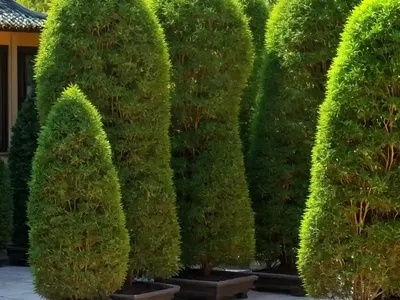
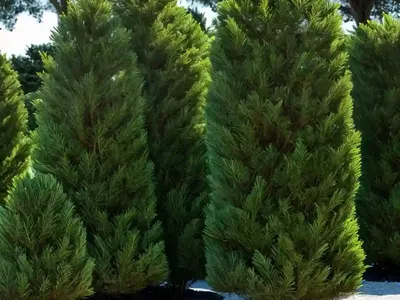
Juniperus Procumbens ‘Nana’ (Garden Juniper)
Juniperus procumbens ‘Nana’, commonly known as Garden Juniper, is a beautiful and versatile evergreen plant that is popular for its use in landscaping and.
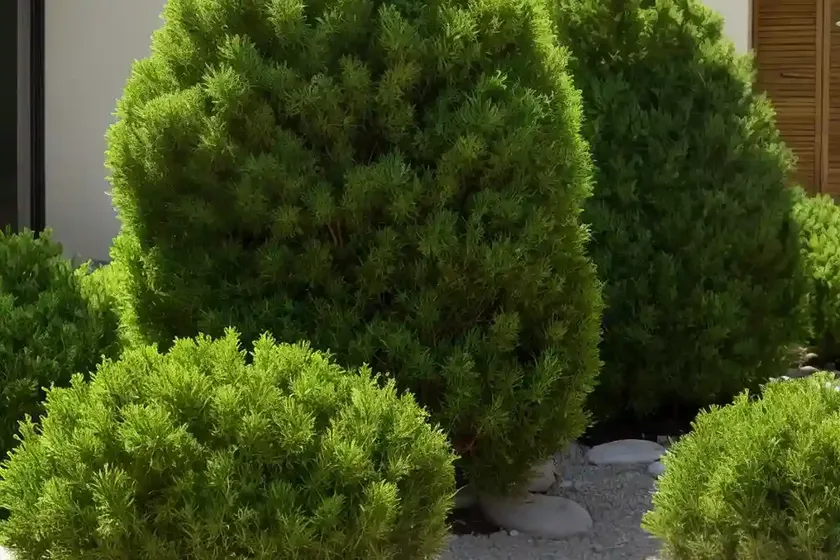
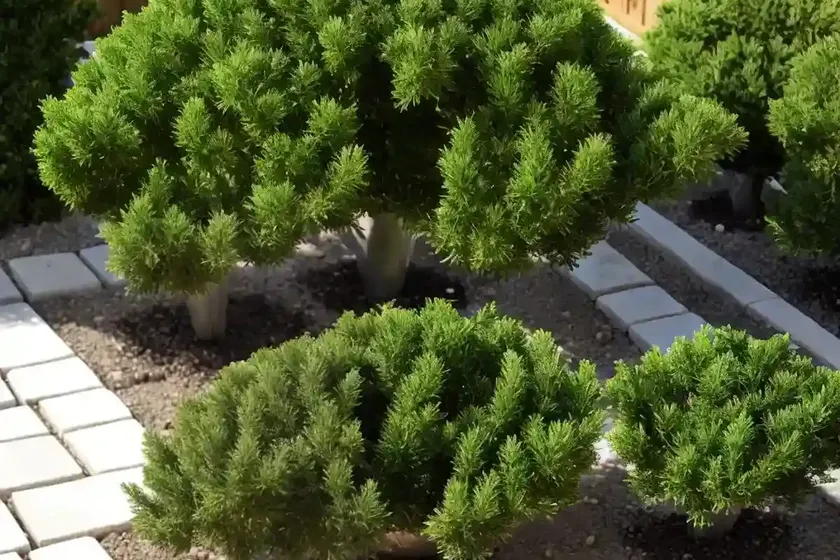
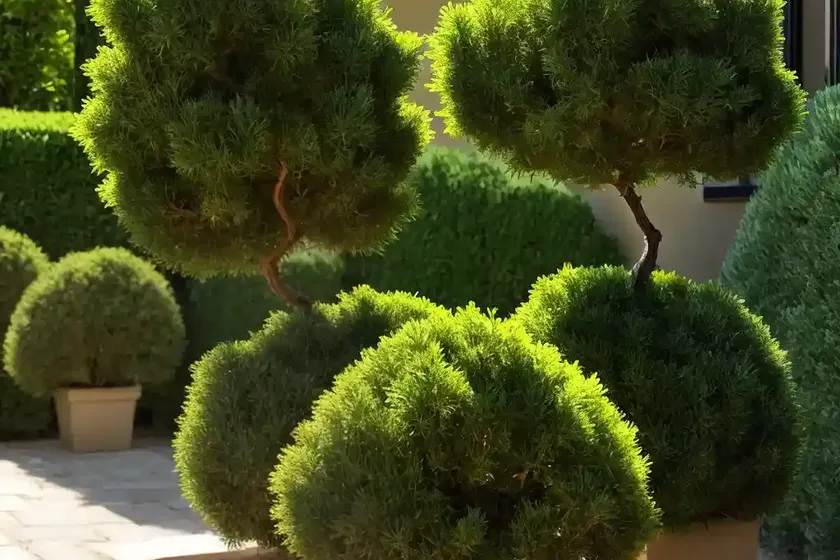
Juniperus procumbens ‘Nana’, commonly known as Garden Juniper, is a beautiful and versatile evergreen plant that is popular for its use in landscaping and gardening. This low-growing shrub features a dense, spreading habit and attractive foliage, making it an excellent choice for various garden settings. In this comprehensive guide, we will explore the cultural requirements, uses, maintenance tips, and other important aspects of Juniperus procumbens ‘Nana’. Whether you are a seasoned horticulturist or a gardening enthusiast, this guide aims to provide valuable insights into the care and cultivation of this delightful plant.
What is Juniperus procumbens ‘Nana’?
Juniperus procumbens ‘Nana’ is a cultivar of the species Juniperus procumbens, which is native to Japan. It belongs to the Cupressaceae family and is renowned for its prostrate growth habit, forming a dense carpet of foliage that adds a touch of greenery to various landscapes. The name “procumbens” refers to its low-growing and spreading nature, while “Nana” indicates its dwarf form.
This evergreen shrub is highly valued for its ornamental features, including scale-like foliage that varies in color from blue-green to deep green, depending on the specific cultivar. It produces small, berry-like cones that add further visual interest. Due to its adaptability and resilience, Juniperus procumbens ‘Nana’ is widely used for ground cover, borders, rock gardens, and various other landscape applications.
Key Takeaways – Juniperus procumbens ‘Nana’ (Garden Juniper)
Before delving into the specific care and maintenance aspects of Juniperus procumbens ‘Nana’, let’s highlight some key takeaways about this remarkable plant:
- Scientific Name: Juniperus procumbens ‘Nana’
- Common Names: Garden Juniper, Dwarf Japanese Garden Juniper
- Plant Type: Evergreen shrub
- Mature Height: 6-18 inches
- Mature Spread: 4-6 feet
- Growth Rate: Slow
- Hardiness Zones: 4-9
- Exposure: Full sun to partial shade
- Watering: Drought tolerant once established
- Soil: Well-drained, acidic to slightly alkaline
- Uses: Ground cover, borders, rock gardens, mass plantings
- Common Pests: Spider mites, scale insects
- Common Diseases: Phomopsis blight, root rot
- Special Features: Deer resistant, drought tolerant, low maintenance
Now that we have an overview of the plant’s characteristics, let’s delve into the specific cultural requirements and care tips for Juniperus procumbens ‘Nana’.
Culture
Cultural considerations are crucial for the successful growth and development of Juniperus procumbens ‘Nana’. From soil preferences to pruning techniques, understanding the plant’s cultural requirements is essential for creating an optimal environment for its thriving. Here are the key cultural aspects to consider when cultivating Garden Juniper:
Water
Juniperus procumbens ‘Nana’ exhibits excellent drought tolerance once established, making it well-suited for xeriscapes and water-wise gardens. However, adequate moisture is crucial during the initial establishment period, typically the first year after planting. It’s essential to water the plant deeply but infrequently, allowing the soil to partially dry out between watering sessions. Overly saturated soils can lead to root rot, so well-draining soil is vital for maintaining healthy garden junipers.
Sunlight
As a sun-loving plant, Juniperus procumbens ‘Nana’ thrives in full sun to partial shade. In regions with hot summers, providing some afternoon shade can help protect the plant from excessive heat stress. Adequate sunlight exposure is essential for promoting compact growth and vibrant foliage color.
Fertilizer
This low-maintenance shrub generally does not require frequent fertilization. However, applying a balanced, slow-release fertilizer in early spring can provide an extra boost of nutrients for healthy growth. It’s crucial to follow the recommended application rates to prevent excessive foliage growth, which can compromise the plant’s natural form.
Soil
Juniperus procumbens ‘Nana’ prefers well-drained soils with a slightly acidic to slightly alkaline pH. Amending heavy clay soils with organic matter can improve drainage and create an ideal growing environment for the plant. Additionally, ensuring good air circulation around the foliage can help prevent fungal issues, particularly in humid climates.
Pruning
Proper pruning is essential for maintaining the desired shape and size of Juniperus procumbens ‘Nana’. This can involve removing dead or damaged branches, shaping the plant for a neat appearance, or controlling its spread in a garden setting. Here are some key pruning tips for Garden Juniper:
-
Timing: The best time to prune Garden Juniper is in late winter or early spring before the new growth emerges. This allows the plant to recover quickly and minimizes the risk of damage to new foliage.
-
Techniques: When pruning, it’s important to use sharp, clean tools to make precise cuts. Avoid cutting back into old wood, as Garden Juniper may not regenerate foliage from bare branches. Instead, focus on selective pruning to maintain the plant’s natural form while removing any unsightly growth.
-
Maintenance: Regular maintenance pruning can help prevent the plant from becoming overgrown and unruly. By removing excessive growth and maintaining a tidy appearance, Garden Juniper can remain an attractive feature in the landscape.
Propagation
There are several methods for propagating Juniperus procumbens ‘Nana’, including stem cuttings, layering, and seed propagation. Each technique has its advantages and challenges, and the choice of method often depends on the desired quantity of new plants and the resources available for propagation. Here’s an overview of common propagation methods for Garden Juniper:
Stem Cuttings
Stem cuttings from semi-hardwood or hardwood growth are commonly used to propagate Garden Juniper. Here’s a basic outline of the process:
- Select healthy, disease-free stems with no flower or fruit development.
- Take 4-6 inch cuttings, making clean cuts just below a node.
- Remove the lower foliage to expose the nodes.
- Dip the cut end in a rooting hormone to encourage root development.
- Plant the cuttings in a well-draining rooting medium and maintain consistent moisture levels.
Once rooted, the cuttings can be transplanted into individual containers or a prepared garden bed.
Layering
Layering involves encouraging the growth of new roots on a branch while it is still attached to the parent plant. This method is well-suited for woody plants like Juniperus procumbens ‘Nana’. Here’s a simplified guide to the layering process:
- Identify a healthy, flexible stem near the base of the plant.
- Gently wound the stem by removing a small section of bark or making a shallow cut.
- Apply a rooting hormone to the wounded area to stimulate root growth.
- Secure the wounded area against the soil with a u-shaped stake or similar device.
- Keep the area consistently moist and monitor the development of new roots.
- Once roots have formed, the layered branch can be carefully separated from the parent plant and transplanted.
Seed Propagation
While seed propagation is less common due to the slow growth rate of Juniperus procumbens ‘Nana’ from seed, it offers an opportunity to develop new genetic variations. The process typically involves collecting ripe cones, extracting the seeds, and sowing them in a suitable growing medium. Germination may take several weeks to months, and the resulting seedlings will require careful nurturing to reach transplanting size.
Container Popularity
Juniperus procumbens ‘Nana’ is popular for container gardening due to its compact size and attractive low-growing habit. These qualities make it well-suited for various container arrangements, such as:
-
Patio Containers: Garden Juniper can add a touch of greenery to outdoor living spaces, providing year-round interest and a pop of color.
-
Mixed Planters: Its low-maintenance nature makes it an excellent candidate for mixed planters, where it can complement a variety of flowering or foliage plants.
-
Balcony Gardens: For those with limited outdoor space, Garden Juniper can thrive in balcony gardens, adding texture and form to vertical landscapes.
-
Bonsai Cultivation: Due to its prostrate growth habit, Juniperus procumbens ‘Nana’ is well-suited for bonsai cultivation. Its miniaturized form and resilience make it an ideal species for bonsai enthusiasts.
Common Diseases
While considered relatively resistant to most diseases, Juniperus procumbens ‘Nana’ may be susceptible to certain fungal infections and root rot under unfavorable growing conditions. Understanding the signs and preventive measures for common diseases is essential for maintaining the plant’s health. Here are some prevalent diseases that may affect Garden Juniper:
-
Phomopsis Blight: This fungal disease can cause dieback of foliage, leading to unsightly brown patches on the plant. Pruning affected areas and promoting good air circulation can help manage the disease. Fungicidal treatments may be necessary in severe cases.
-
Root Rot: Overly wet and poorly drained soils can promote the development of root rot, particularly in container-grown plants. Proper watering practices and well-draining soil are essential for preventing this potentially fatal disease.
Disease Diagnosis
Diagnosing and treating plant diseases requires careful observation and, in some cases, professional assistance. When inspecting Juniperus procumbens ‘Nana’ for signs of disease, consider the following symptoms:
- Discoloration or browning of foliage
- Development of lesions or cankers on stems and branches
- Wilting or dieback of foliage
- Unusual growth patterns or stunted development
If you observe any of these symptoms, it’s important to take prompt action to prevent the spread of disease and protect the overall health of the plant. Consult with a local horticulturist or extension service for accurate diagnosis and treatment recommendations.
Common Pests
In addition to diseases, Garden Juniper may also face challenges from various pests, including spider mites and scale insects. Regular monitoring and timely intervention can help prevent these pests from causing significant damage. Here’s a brief overview of common pests that may affect Juniperus procumbens ‘Nana’:
-
Spider Mites: These tiny pests can cause stippling and discoloration of foliage, often leading to a decline in plant health. Regularly inspect the undersides of leaves for signs of spider mite activity, and consider using insecticidal soaps or horticultural oils to manage infestations.
-
Scale Insects: Scale insects can appear as small, waxy bumps on the stems and foliage of Garden Juniper. They feed by piercing the plant and sucking sap, which can weaken the plant over time. Using natural predators, such as ladybugs, or targeted insecticides can help control scale populations.
Botanist’s Tips
For aspiring botanists and plant enthusiasts, here are some additional tips and insights for growing and appreciating Juniperus procumbens ‘Nana’:
-
Garden Design: Incorporate Garden Juniper into various garden designs, such as Japanese-inspired gardens, rock gardens, or modern minimalist landscapes. Its versatility and adaptability make it suitable for a wide range of design styles.
-
Companion Plants: Consider pairing Garden Juniper with complementary plants that share its cultural requirements, such as ornamental grasses, conifers, and drought-tolerant perennials. This can create visually pleasing combinations and enhance the overall aesthetic of the planting area.
-
Year-Round Interest: Garden Juniper offers year-round interest with its evergreen foliage and unique texture. Integrating it into garden compositions ensures that the landscape remains visually appealing, even during the winter months.
-
Environmental Benefits: In addition to its ornamental value, Juniperus procumbens ‘Nana’ offers environmental benefits, such as erosion control, wildlife habitat, and air purification. Understanding and promoting these ecological contributions can elevate the plant’s significance in landscaping and conservation efforts.
Fun Facts
To add a touch of fascination and wonder to your Garden Juniper journey, here are some fun and intriguing facts about Juniperus procumbens ‘Nana’:
-
Historic Significance: Certain species of juniper, including the related Juniperus communis, have historical and cultural significance in various traditions, symbolizing strength, protection, and purification.
-
Medicinal Uses: Some cultures have used juniper berries for their purported medicinal properties, including as a diuretic, digestive aid, and traditional remedy for certain ailments.
-
Symbolism: Juniper is often associated with longevity and resilience due to its ability to thrive in challenging environments and endure harsh weather conditions.
By infusing your gardening journey with intriguing facts and cultural significance, you can deepen your appreciation for Juniperus procumbens ‘Nana’ and its broader botanical context.
Links to External Resources
For further exploration and in-depth information about Juniperus procumbens ‘Nana’ and related topics, consider the following reputable external resources:
-
The American Conifer Society: An authoritative source for conifer-related information, cultivation tips, and resources for conifer enthusiasts and horticulturists.
-
University Extension Services: Connect with your local university extension service for personalized gardening advice, plant disease diagnostics, and access to educational materials.
-
Dave’s Garden: A community-driven platform offering plant databases, forums, and extensive plant care guides contributed by gardening enthusiasts and experts.
-
The Royal Horticultural Society (RHS): The leading gardening charity in the UK, providing a wealth of plant profiles, horticultural advice, and gardening resources.
-
Missouri Botanical Garden: Explore the plant finder database and horticultural resources provided by the renowned Missouri Botanical Garden.
These external resources can offer valuable insights, regional gardening recommendations, and expert advice to support your journey in growing and enjoying Juniperus procumbens ‘Nana’.
In conclusion, Juniperus procumbens ‘Nana’ (Garden Juniper) stands as a captivating and versatile plant that enriches landscapes and gardens with its enduring beauty and remarkable adaptability. By embracing its unique characteristics and understanding its cultural requirements, you can cultivate a thriving and visually stunning display of greenery while savoring the botanical marvels that Juniperus procumbens ‘Nana’ has to offer.
As you embark on your journey with Garden Juniper, may the insights and recommendations presented in this guide inspire and empower you to create enduring landscapes and enriching gardening experiences.
Remember, the journey of nurturing and growing Juniperus procumbens ‘Nana’ is a testament to the harmonious relationship between humanity and nature, perpetuating the timeless allure and resilience of botanical wonders. Happy gardening!
Note: The information provided in this guide is intended for educational and informational purposes. Always consult with local gardening experts and horticultural resources for region-specific recommendations and plant care advice.
Keywords: Juniperus procumbens ‘Nana’ care, Garden Juniper species, Juniperus procumbens for gardens, Juniperus procumbens ‘Nana’ growth, Maintaining Juniperus procumbens ‘Nana’, Juniperus procumbens ‘Nana’ pruning, Tips for growing Juniperus procumbens ‘Nana’, Juniperus procumbens ‘Nana’ landscaping, Juniperus procumbens ‘Nana’ characteristics, Juniperus procumbens ‘Nana’ varieties, Juniperus procumbens ‘Nana’ groundcover, Juniperus procumbens ‘Nana’ planting guide, Juniperus procumbens ‘Nana’ care tips, Juniperus procumbens ‘Nana’ maintenance, Garden Juniper plant information, Juniperus procumbens ‘Nana’ natural habitat, Juniperus procumbens ‘Nana’ in landscaping design, Juniperus procumbens ‘Nana’ pruning techniques, Best soil for Juniperus procumbens ‘Nana’, Juniperus procumbens ‘Nana’ disease prevention, Juniperus procumbens ‘Nana’ pests control, Juniperus procumbens ‘Nana’ propagation methods, Juniperus procumbens ‘Nana’ winter care, Juniperus procumbens ‘Nana’ water requirements, Juniperus procumbens ‘Nana’ sunlight needs, Juniperus procumbens ‘Nana’ landscaping ideas, Juniperus procumbens ‘Nana’ container gardening, Juniperus procumbens ‘Nana’ cascading form, Juniperus procumbens ‘Nana’ bonsai cultivation, Juniperus procumbens ‘Nana’ mounding habit, Juniperus procumbens ‘Nana’ rock gardens, Juniperus procumbens ‘Nana’ as a border plant, Juniperus procumbens ‘Nana’ evergreen characteristics, Juniperus procumbens ‘Nana’ drought tolerance, Juniperus procumbens ‘Nana’ deer resistance, Juniperus procumbens ‘Nana’ ground stability, Juniperus procumbens ‘Nana’ erosion control, Juniperus procumbens ‘Nana’ landscape maintenance, Juniperus procumbens ‘Nana’ low-maintenance plant, Juniperus procumbens ‘Nana’ compact size, Juniperus procumbens ‘Nana’ year-round interest, Juniperus procumbens ‘Nana’ hardiness zones, Juniperus procumbens ‘Nana’ foliage color, Juniperus procumbens ‘Nana’ greenery, Juniperus procumbens ‘Nana’ ground-hugging form, Juniperus procumbens ‘Nana’ garden design, Juniperus procumbens ‘Nana’ versatile landscaping plant, Juniperus procumbens ‘Nana’ naturalizing in gardens, Juniperus procumbens ‘Nana’ compact groundcover, Juniperus procumbens ‘Nana’ texture in landscapes