Juniperus Horizontalis (Creeping Juniper)
Juniperus horizontalis, commonly known as Creeping Juniper, is a low-growing, trailing evergreen shrub that belongs to the cypress family Cupressaceae..
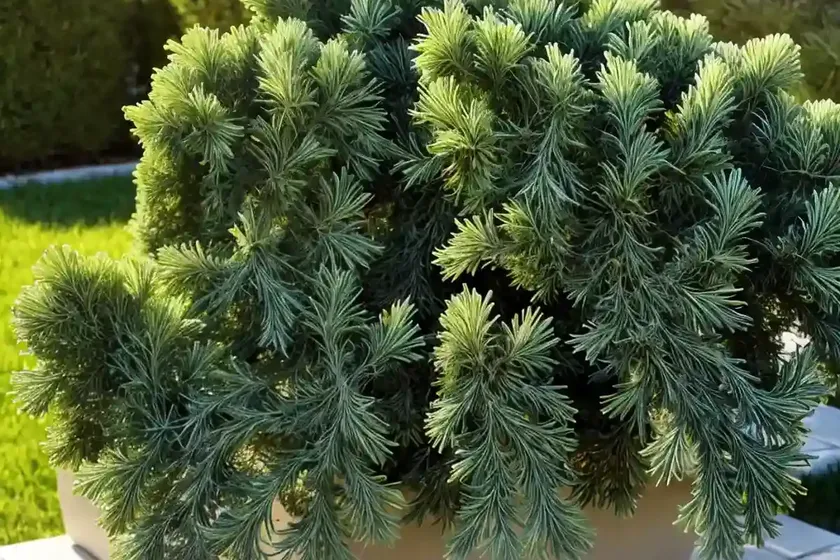
Juniperus horizontalis, commonly known as Creeping Juniper, is a low-growing, trailing evergreen shrub that belongs to the cypress family Cupressaceae. This plant species is native to North America and is primarily known for its use as ground cover in landscaping due to its spreading habit.
As a plant scientist with a passion for exploring the world of flora, I am excited to share a comprehensive guide about the Juniperus horizontalis, delving into its cultural requirements, uses, care tips, and much more. Whether you are a seasoned gardener or just starting with your plant journey, this guide will provide valuable insights into the world of Creeping Juniper.
Let’s embark on this journey to uncover the beauty and unique characteristics of Juniperus horizontalis.
What is Juniperus horizontalis (Creeping Juniper)?
Plant Profile
- Scientific Name: Juniperus horizontalis
- Common Name: Creeping Juniper
- Family: Cupressaceae
- Genus: Juniperus
- Species: J. horizontalis
Description
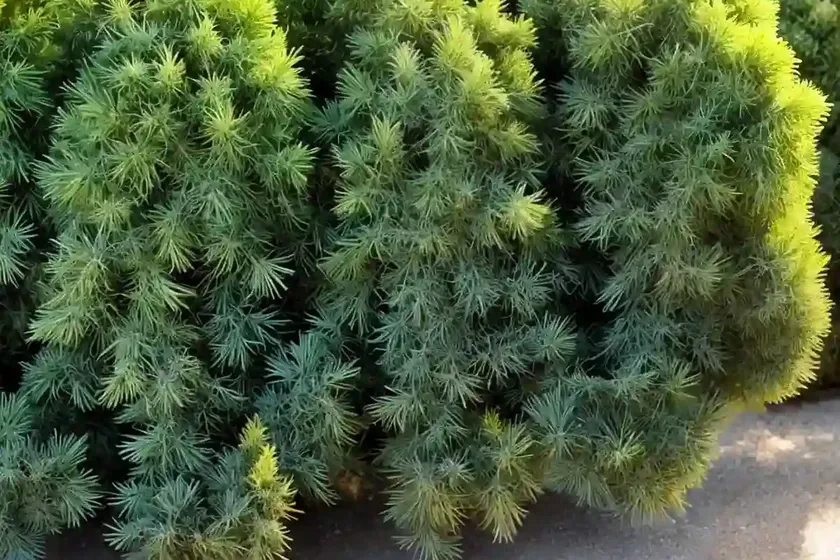
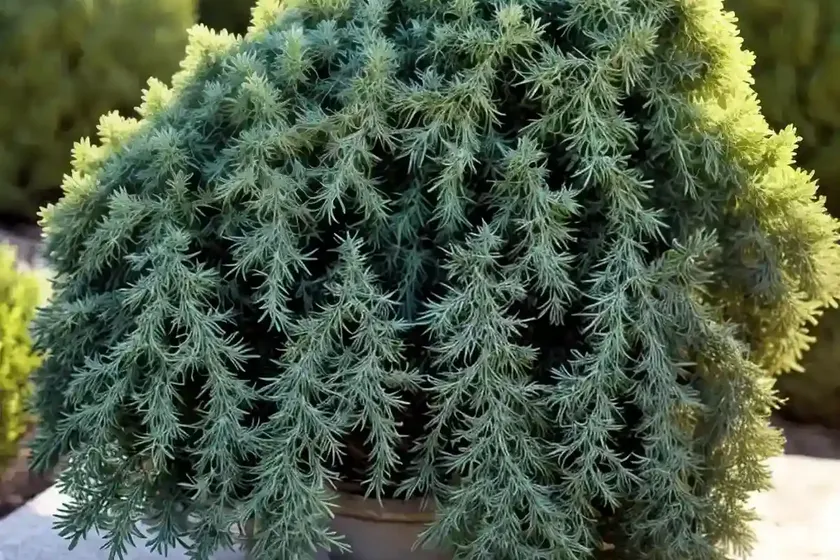
Juniperus horizontalis is characterized by its prostrate, low-growing habit, with trailing branches that form a dense mat-like structure. The foliage consists of needle-like leaves arranged in whorls of three, typically exhibiting shades of green, blue-green, or silver-blue, depending on the cultivar.
This versatile plant is known for its adaptability to various environmental conditions, making it a popular choice for landscapes, rock gardens, and erosion control.
Key Features:
- Trailing growth habit
- Evergreen foliage
- Drought-tolerant
- Low-maintenance
- Suitable for ground cover
Now that we have an overview of Juniperus horizontalis, let’s explore the key aspects of caring for this beautiful plant.
Key Takeaways – Juniperus horizontalis (Creeping Juniper)
Juniperus horizontalis presents a unique set of characteristics and care requirements that make it an intriguing addition to any garden or landscape setting. Understanding its cultural needs, uses, and maintenance guidelines is essential for ensuring the optimal growth and health of the plant. This section will cover various aspects of Creeping Juniper care, including its cultural requirements, landscaping uses, common pests and diseases, and propagation methods.
Culture
Water
Juniperus horizontalis is known for its exceptional drought tolerance once established, making it well-suited for xeriscapes and other water-wise landscaping. While it can withstand dry conditions, especially after it matures, providing adequate moisture during the initial establishment phase and extended periods of drought is essential to promote healthy growth.
Watering Tips:
- Establishment Phase: Water regularly during the first year after planting to support root development.
- Mature Plants: Once established, reduce watering frequency, allowing the soil to dry out between waterings.
Sunlight
As a sun-loving plant, Juniperus horizontalis thrives in full sunlight and is best suited for locations that receive at least 6-8 hours of direct sunlight per day. Adequate sun exposure not only promotes vigorous growth but also enhances the coloration of the foliage, particularly in cultivars with distinctive shades of blue or silver.
Sunlight Requirements:
- Full Sun: Plant in areas with abundant sunlight to ensure optimal growth and vibrant foliage coloration.
Fertilizer
In general, Creeping Juniper is relatively low-maintenance and does not require heavy fertilization. However, applying a balanced, slow-release fertilizer in early spring can provide a nutrient boost to support healthy growth. Select a fertilizer specifically formulated for conifers and follow the manufacturer’s recommendations for application rates.
Fertilization Guidelines:
- Timing: Apply fertilizer in early spring before the start of the active growth phase.
- Moderation: Avoid over-fertilization, as excessive nutrients can lead to adverse effects on the plant.
Soil
Juniperus horizontalis is adaptable to various soil types, including well-draining, sandy, or loamy soils. However, it thrives in slightly acidic to neutral soil conditions, and good drainage is crucial to prevent waterlogging, which can lead to root rot and other issues.
Soil Requirements:
- Drainage: Ensure proper drainage to prevent water accumulation around the roots.
- pH Level: Aim for slightly acidic to neutral soil pH for optimal growth.
Pruning
Pruning is an essential aspect of maintaining the desired shape and size of Juniperus horizontalis, particularly in landscaping and garden settings. While this plant has a naturally low, spreading growth habit, occasional pruning can help control its expansion and rejuvenate older growth.
Pruning Tips:
- Timing: Conduct pruning in late winter or early spring before the onset of new growth.
- Techniques: Use sharp, clean pruning shears to trim back overgrown or unruly branches.
Propagation
Propagating Juniperus horizontalis can be achieved through various methods, including seed propagation and vegetative propagation (e.g., cuttings). Each propagation technique offers unique advantages and challenges, and selecting the most suitable method depends on the specific goals and resources available to the gardener.
Propagation Methods:
- Seed Propagation: Collect ripe Juniperus horizontalis seeds and sow them in a prepared seed-starting mix in the fall or early spring.
- Vegetative Propagation: Take semi-hardwood cuttings from healthy, actively growing stems and root them in a well-draining propagation medium.
Container Popularity
Due to its trailing growth habit and adaptability to container cultivation, Juniperus horizontalis is a popular choice for container gardening, rockeries, and other confined spaces. When grown in containers, select a well-draining potting mix and ensure proper drainage to prevent waterlogged conditions.
Container Gardening Tips:
- Pot Selection: Choose a spacious container with adequate drainage holes to support the plant’s root system.
- Maintenance: Monitor moisture levels and provide regular care to container-grown Creeping Juniper.
Now that we have explored the cultural aspects and care guidelines for Juniperus horizontalis, let’s delve into its uses in landscaping, common diseases and pests, and interesting insights from a botanist’s perspective.
Uses
Landscaping
Juniperus horizontalis is valued for its versatility in landscaping, offering a range of applications for both residential and commercial settings. As a ground cover plant, it can be used to create visually appealing landscapes, cover expansive areas, and add textural interest to garden beds and slopes.
Landscaping Applications:
- Ground Cover: Utilize Creeping Juniper to create a dense, low-maintenance ground cover in various garden settings.
- Erosion Control: Plant along slopes and embankments to help prevent soil erosion and stabilize the terrain.
Garden Design
In garden design, Creeping Juniper’s trailing habit and evergreen foliage contribute to its appeal as a design element. Whether used as a focal point in a rock garden or as a border plant along walkways, its unique growth characteristics offer opportunities for creative landscaping expressions.
Garden Design Ideas:
- Rock Gardens: Incorporate trailing varieties of Juniperus horizontalis to create dynamic rock garden compositions.
- Border Planting: Use as a low-maintenance border plant to define garden edges and pathways.
Common Diseases
While Juniperus horizontalis is generally resistant to most diseases, it can be susceptible to certain issues, especially under unfavorable growing conditions. Understanding the common diseases associated with this plant and implementing proactive measures are key to maintaining its health and vigor.
Common Diseases:
- Phomopsis Blight: Characterized by dieback and browning of foliage, particularly during periods of high humidity.
- Rust Diseases: Various species of rust fungi can cause yellow-orange pustules on the foliage, affecting the plant’s overall appearance.
Disease Diagnosis
Diagnosing diseases in Juniperus horizontalis involves careful observation of foliage, branches, and overall plant health. Identifying symptoms such as discoloration, lesions, or unusual patterns can help in determining the specific disease affecting the plant.
Diagnosis Guidelines:
- Visual Inspection: Regularly monitor the plant for any signs of abnormal growth, discoloration, or damage.
- Consultation: Seek advice from local horticulturists or plant pathologists for accurate disease diagnosis.
Common Pests
Juniperus horizontalis is relatively resistant to most pest infestations, thanks to the natural compounds present in its foliage that deter herbivorous insects. However, certain pests, such as spider mites and bagworms, can pose occasional challenges and require proactive management.
Common Pests:
- Spider Mites: These tiny arachnids can cause stippling and webbing on the foliage, particularly under dry conditions.
- Bagworms: Caterpillars that construct protective bags from plant materials, feeding on the foliage and potentially causing defoliation.
Botanist’s Tips
As a plant scientist with a deep appreciation for the natural world, I have gathered valuable insights and tips for enthusiasts looking to grow Juniperus horizontalis. These tips encompass various aspects of plant care, ecological significance, and creative uses, providing a holistic perspective on incorporating Creeping Juniper into garden landscapes.
Botanist’s Tips:
- Ecological Significance: Juniperus horizontalis serves as a vital component of wildlife habitats, providing shelter and food for various organisms, including birds and small mammals.
- Creative Uses: Explore innovative ways to incorporate Creeping Juniper into landscape designs, such as cascading plant combinations and mixed ground covers.
Fun Facts
In addition to its practical uses and cultural significance, Juniperus horizontalis boasts intriguing characteristics and historical relevance that add to its allure. Discovering these fun facts can deepen your appreciation for this remarkable plant species and the natural world as a whole.
Did You Know?
- Historical Importance: Certain varieties of Juniperus horizontalis have been used for their medicinal properties and as aromatic ingredients in traditional herbal remedies.
- Longevity: Many Juniper species, including J. horizontalis, are known for their remarkable longevity, with some individuals living for centuries in favorable conditions.
Links to External Resources
For further exploration of Creeping Juniper care, landscaping ideas, and in-depth plant information, I highly recommend referring to the following authoritative resources:
- The American Conifer Society
- Missouri Botanical Garden Plant Finder
- Royal Horticultural Society Plant Selector
- University Extension Websites
- Botanical Gardens and Arboreta
As we conclude this comprehensive guide to Juniperus horizontalis, I hope you have gained valuable insights into the captivating world of this remarkable plant species. Whether you are considering adding it to your garden or seeking to deepen your horticultural knowledge, exploring the unique attributes and care guidelines for Creeping Juniper can be an enriching experience.
By understanding its cultural requirements, uses in landscaping, and the broader ecological context, we can appreciate the intricate beauty and resilience of Juniperus horizontalis, and by extension, the wondrous diversity of plant life on our planet.
Remember, as with any plant, observing and nurturing Juniperus horizontalis offers a window into the intricate workings of nature and a chance to cultivate connections with the living world around us.
Let the spirit of exploration and stewardship guide your journey with plants, and may the remarkable story of Juniperus horizontalis inspire your own discoveries in the realm of botany and horticulture.
Happy gardening, and may your love for plants continue to flourish!
Note: The information provided in this guide is based on scientific knowledge and best horticultural practices. Always consult local gardening resources and professionals for specific advice tailored to your unique growing conditions and plant care needs.
In this guide, we have covered various aspects of caring for the Juniperus horizontalis (Creeping Juniper) plant, including its cultural requirements, uses in landscaping, common diseases, and pests, along with botanist’s tips and fun facts. I have also included links to external resources for further exploration of Creeping Juniper care and additional plant information.