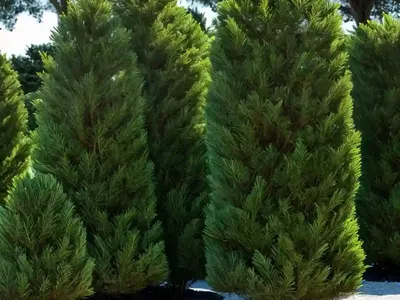
Juniperus Chinensis (Juniperus Chinensis)
Juniperus chinensis, also known as Chinese juniper, is a species of juniper native to East Asia, including China, Mongolia, Japan, Korea, and Eastern.
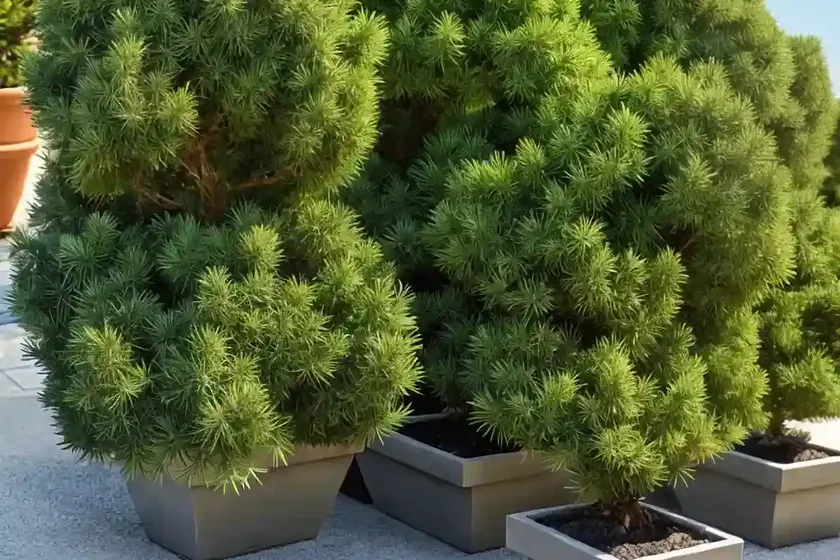
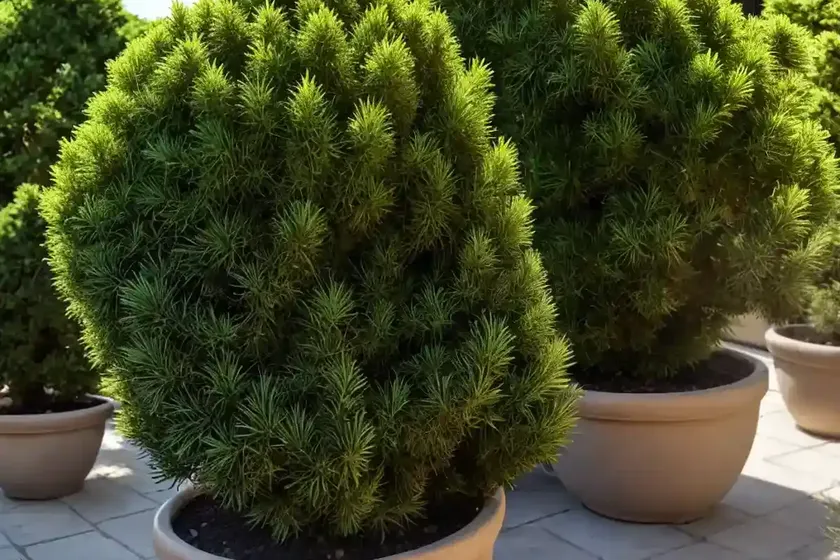
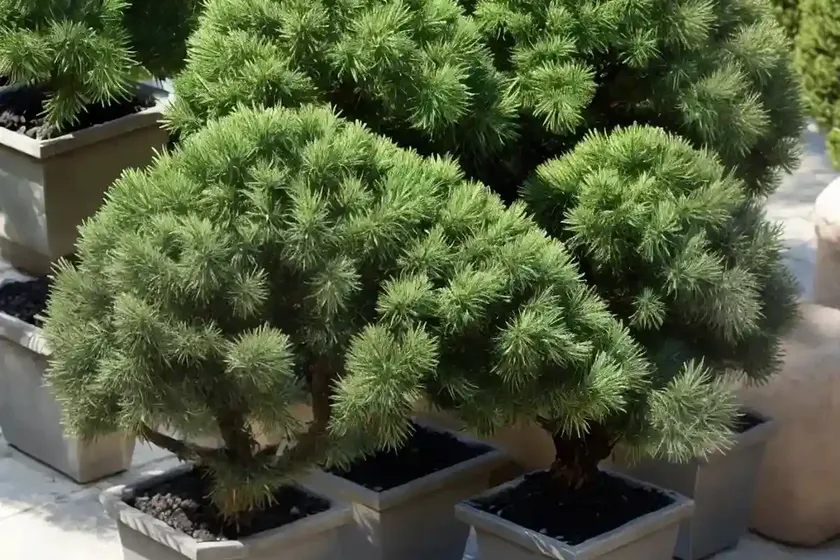
Juniperus chinensis, also known as Chinese juniper, is a species of juniper native to East Asia, including China, Mongolia, Japan, Korea, and Eastern Siberia. It is a coniferous plant that belongs to the family Cupressaceae and is widely cultivated for its ornamental value.
Before delving into the details of Juniperus chinensis, let’s provide an overview of the key takeaways that will be covered in this blog post:
- Culture: Understanding the optimal growing conditions for Juniperus chinensis.
- Uses: Discussing the various applications of Juniperus chinensis in landscaping and horticulture.
- Water: Guidelines for watering Juniperus chinensis to maintain its health and vigor.
- Sunlight: Describing the sunlight requirements for this plant species.
- Fertilizer: Tips for fertilizing Juniperus chinensis to promote growth and resilience.
- Soil: Exploring the ideal soil conditions for cultivating Juniperus chinensis.
- Pruning: Techniques for pruning Juniperus chinensis to shape and manage its growth.
- Propagation: Methods for propagating Juniperus chinensis to expand its presence in gardens and landscapes.
- Container Growth: Insights into growing Juniperus chinensis in containers and pots.
- Popularity: Understanding the widespread popularity of Juniperus chinensis in horticulture.
- Common Diseases: Identifying and addressing common diseases that affect Juniperus chinensis.
- Pests: Recognizing and managing pest infestations that can afflict Juniperus chinensis.
- Botanist’s Tips: Expert recommendations and insights for successfully growing and caring for Juniperus chinensis.
- Fun Facts: An assortment of interesting and little-known facts about Juniperus chinensis.
Uses
Juniperus chinensis boasts broad and diverse applications in landscaping and horticulture. Its versatility and aesthetic appeal make it a sought-after plant for various purposes, including:
- Ornamental Landscaping: Juniperus chinensis is a popular choice for ornamental landscaping due to its evergreen nature, attractive foliage, and ability to thrive in diverse climates.
- Privacy Screens and Hedges: The dense growth habit of Juniperus chinensis makes it well-suited for creating privacy screens and hedges, offering both visual and acoustic isolation.
- Groundcover: Certain varieties of Juniperus chinensis are used as groundcover plants to create low-maintenance and visually appealing garden beds.
- Bonsai: Due to its adaptable nature and intricate foliage, Juniperus chinensis is favored for bonsai cultivation, with numerous cultivars specifically bred for this purpose.
- Container Gardening: Compact varieties of Juniperus chinensis are employed in container gardening, adorning patios, balconies, and other confined spaces with their distinctive charm.
Water
Understanding the water requirements of Juniperus chinensis is essential for maintaining its health and vigor. While this species is known for its tolerance to dry conditions, especially once established, ensuring adequate moisture is crucial during its initial establishment phase and prolonged periods of drought.
- Establishment Phase: Newly planted Juniperus chinensis specimens benefit from regular watering to encourage root establishment and growth. Monitor soil moisture levels and provide supplemental irrigation as needed, particularly during dry spells.
- Drought Tolerance: Once established, Juniperus chinensis exhibits notable tolerance to drought, requiring minimal intervention in terms of watering. However, prolonged drought without any moisture can lead to stress, impacting the plant’s vitality and appearance.
- Signs of Underwatering: Watch for signs of underwatering, including wilting foliage, browning of needles, and a decline in overall vigor. When these symptoms manifest, provide additional water to rectify the moisture imbalance.
Sunlight
Juniperus chinensis thrives in bright and well-lit environments, displaying a preference for ample sunlight. Providing appropriate sunlight conditions is crucial for promoting healthy growth and maintaining the plant’s ornamental appeal.
- Full Sun Exposure: Position Juniperus chinensis in locations that receive direct sunlight for a significant portion of the day. Full sun exposure is conducive to robust growth and vibrant foliage coloration.
- Partial Shade: While Juniperus chinensis prefers full sun, it can tolerate partial shade, especially in regions with intense summer heat. However, a balance must be struck to ensure that the plant receives a substantial amount of sunlight daily.
Fertilizer
Fertilizing Juniperus chinensis is instrumental in fortifying its nutrient intake and sustaining vigorous growth. Application of suitable fertilizers at the right time can bolster the plant’s resilience and enhance its aesthetic qualities.
- Balanced Fertilization: Use a balanced, slow-release fertilizer specifically formulated for conifers to supply essential nutrients to Juniperus chinensis. These fertilizers typically contain a balance of nitrogen, phosphorus, and potassium, complemented by micronutrients.
- Timing: Apply fertilizer to Juniperus chinensis during the early spring, just before the onset of active growth. Avoid fertilizing during the dormant winter months, as the plant’s metabolic processes are subdued during this period.
- Amount: Adhere to the recommended application rates provided on the fertilizer packaging to prevent overfeeding, which can have detrimental effects on the plant’s health.
Soil
Juniperus chinensis exhibits adaptable soil preferences, displaying a degree of flexibility in terms of soil type and pH. It can thrive in various soil conditions, provided that certain essential parameters are met.
- Well-Drained Soil: A critical aspect of soil suitability for Juniperus chinensis is its drainage capacity. Ensure that the soil is well-drained to prevent waterlogging, which can lead to root rot and other damaging conditions.
- Preferred pH: Juniperus chinensis demonstrates a preference for slightly acidic to neutral soil pH levels, typically ranging from 6.0 to 7.5. Conduct a soil pH test to ascertain the existing pH and make necessary amendments if the levels deviate significantly from the preferred range.
Proper pruning plays a pivotal role in managing the growth and aesthetics of Juniperus chinensis. Employing appropriate pruning techniques at the right time not only shapes the plant but also enhances its health and longevity.
- Tools: Utilize sharp and sterile pruning tools, such as bypass pruners or pruning shears, to make clean cuts without causing undue stress or damage to the plant.
- Timing: Perform pruning on Juniperus chinensis during the early spring or late winter, before the initiation of new growth. Avoid pruning during the active growing season to minimize disruption to the plant’s vital processes.
- Purpose: Pruning serves multiple purposes, including shaping the plant, removing dead or diseased foliage, and controlling its size. Aim to maintain the natural form of Juniperus chinensis while addressing any overgrowth or irregularities.
Expanding the presence of Juniperus chinensis through propagation methods enables gardeners and landscapers to proliferate this species and introduce it to new settings. Several propagation techniques can be employed to generate new plants from existing specimens.
- Seed Propagation: Juniperus chinensis can be propagated from seeds, but this method requires patience and time due to the slow germination and growth rate of juniper seeds. Stratification, a process of simulating natural cold conditions, may enhance seed germination.
- Cutting Propagation: Propagating Juniperus chinensis from cuttings is a more efficient method, yielding genetically identical offspring. Select healthy, semi-hardwood cuttings and provide them with a suitable rooting medium and environment to encourage root development.
Growing Juniperus chinensis in containers presents an attractive opportunity to incorporate this versatile plant into various urban and suburban settings, allowing for mobility, space optimization, and creative arrangement options.
- Container Selection: Choose a spacious and well-draining container to accommodate the root system of Juniperus chinensis while also preventing waterlogging. Consider the mature size of the plant when selecting a container to ensure adequate space for growth.
- Soil and Drainage: Utilize high-quality potting mix designed for container cultivation, incorporating materials that promote aeration and drainage. Ensure that the container features ample drainage holes to prevent water accumulation at the root zone.
Juniperus chinensis enjoys widespread popularity in horticulture and landscaping, primarily attributed to its versatility, resilience, and aesthetic allure. Its prevalence in various gardening applications reflects its multifaceted appeal to enthusiasts and professionals alike.
Despite its resilience, Juniperus chinensis is susceptible to certain diseases that can compromise its health and appearance. Familiarizing oneself with these diseases and their symptoms is crucial for implementing effective preventative measures and treatments.
- Phomopsis Blight: This fungal disease causes dieback of juniper branches and manifests as brown or red streaks on the green stem tissue. Pruning affected branches and improving air circulation can aid in managing Phomopsis blight.
- Cedar Apple Rust: Juniperus chinensis serves as an alternate host for cedar apple rust, a fungal disease that results in orange, gelatinous spore-producing structures on the plant. It is essential to control this disease to prevent its spread to susceptible apple and crabapple trees.
Diagnosing diseases affecting Juniperus chinensis involves careful observation and identification of characteristic symptoms. When confronted with potential disease issues, prompt and accurate diagnosis is pivotal for implementing appropriate management strategies.
- Visual Symptoms: Examine the plant for visible symptoms, such as discoloration, lesions, cankers, or abnormal growths. Document the appearance and location of these symptoms as part of the diagnostic process.
- Laboratory Analysis: Submit samples of affected plant material to diagnostic laboratories for further analysis, including fungal or bacterial cultures, to pinpoint the exact pathogens responsible for the observed symptoms.
Juniperus chinensis encounters various pests that can compromise its health and vigor if left unchecked. Vigilance and proactive pest management are essential to safeguard the plant from these potential threats.
- Spider Mites: These minuscule pests can inflict damage on juniper foliage, causing stippling, yellowing, and webbing on the leaves. Regular monitoring and prompt intervention, such as the application of horticultural oils, can help control spider mite infestations.
- Bagworms: The larvae of bagworm moths are known to feed on juniper foliage, constructing protective bags composed of plant material. Manual removal of bagworm infestations and the application of targeted insecticides are effective control measures.
To maximize the success of growing and caring for Juniperus chinensis, incorporating expert insights and recommendations can be invaluable. Here are several tips from botanists and experienced horticulturists for cultivating this species:
- Prudent Pruning: Exercise caution when pruning Juniperus chinensis, aiming to maintain its natural form while addressing any growth irregularities or dead foliage.
- Adequate Air Circulation: Ensure sufficient air movement around Juniperus chinensis to mitigate the risk of fungal diseases and promote overall plant health.
- Pollination Considerations: If seeking to prevent the formation of seed cones, consider planting male cultivars of Juniperus chinensis, which do not produce cones and minimize any potential litter concerns.
- Winter Protection: Shield vulnerable juniper specimens from harsh winter conditions, notably strong winds and excessive snow accumulation, to prevent winter desiccation and damage.
Uncovering some intriguing and lesser-known facts about Juniperus chinensis adds depth and fascination to the appreciation of this captivating plant species. Here are a few captivating fun facts about Juniperus chinensis:
- Bonsai Heritage: Juniperus chinensis has a storied history in the realm of bonsai cultivation, revered for its adaptability, resilience, and captivating foliage arrangements.
- Medicinal Uses: Traditional medicine systems have historically utilized juniper extracts for their potential health benefits, including antiseptic and diuretic properties.
- Wildlife Attraction: The berry-like cones of Juniperus chinensis serve as a food source for various wildlife species, contributing to the plant’s ecological significance.
For further exploration and in-depth study of Juniperus chinensis, the following external resources provide comprehensive and authoritative information:
- Missouri Botanical Garden – Juniperus chinensis
- Royal Horticultural Society – Juniperus chinensis
- The Spruce – Chinese Juniper (Juniperus chinensis)
In conclusion, Juniperus chinensis stands as a captivating and versatile plant species, offering a wealth of practical and aesthetic benefits to horticulture and landscaping. By comprehensively addressing its culture, uses, care requirements, and unique attributes, we can further appreciate and harness the potential of Juniperus chinensis in diverse settings. Whether adorning a garden bed, gracing a bonsai arrangement, or enhancing a privacy screen, the enduring appeal of Juniperus chinensis endures as a testament to its enduring allure and value in the world of plants.