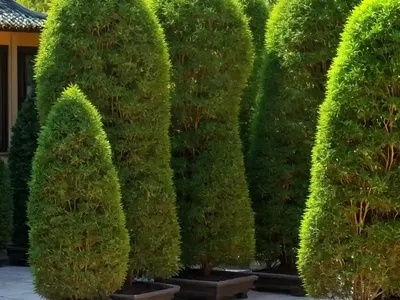
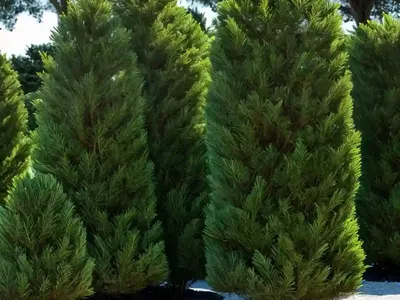
Juniper Bonsai (Juniperus)
Plants have always held a special place in human culture, revered for their calming influence and admired for their natural beauty. Among the wide variety.
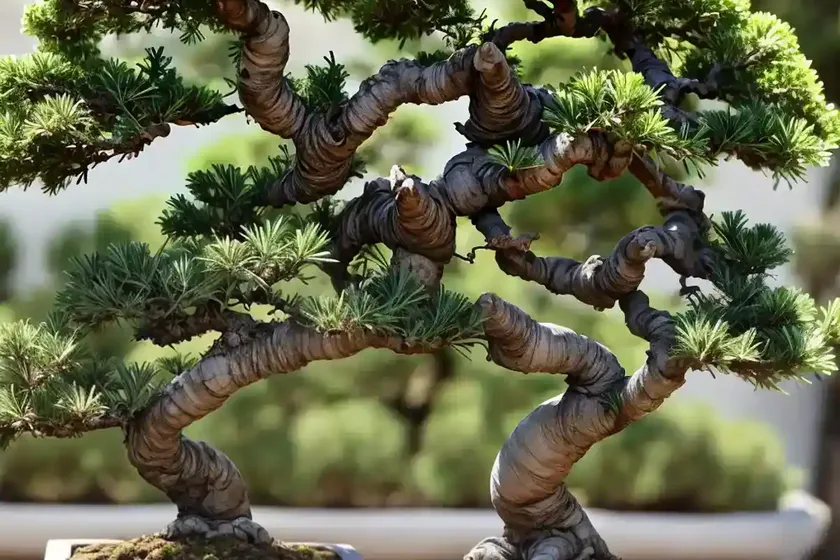
Plants have always held a special place in human culture, revered for their calming influence and admired for their natural beauty. Among the wide variety of plant species, bonsai trees stand out for their unique appeal and symbolism. These miniature trees, meticulously pruned and shaped, hold centuries of tradition and a deep connection to nature. In this comprehensive guide, we will explore one of the most beloved bonsai species – Juniperus, commonly known as Juniper bonsai. We will delve into every aspect of caring for these remarkable trees, including their requirements for water, sunlight, soil, and fertilizer. We will also cover essential techniques like pruning, propagation, and container selection, while also addressing common diseases and pests. So, let’s embark on this intriguing journey to unlock the secrets of Juniper bonsai.
What is Juniper Bonsai?
The Juniper bonsai (Juniperus) has captured the hearts of bonsai enthusiasts worldwide with its timeless beauty and resilient nature. Juniperus is a genus of evergreen coniferous trees and shrubs in the cypress family Cupressaceae. These trees have an extensive range, spanning from the Arctic, through Eurasia, and across the high mountains of tropical Africa to the mountains of Central America. The word “Juniper” is derived from the Latin name “Junio,” meaning young, referring to the plant’s youthful green foliage. This ancient plant genus dates back to the Triassic period, making it one of the oldest tree species on the planet.
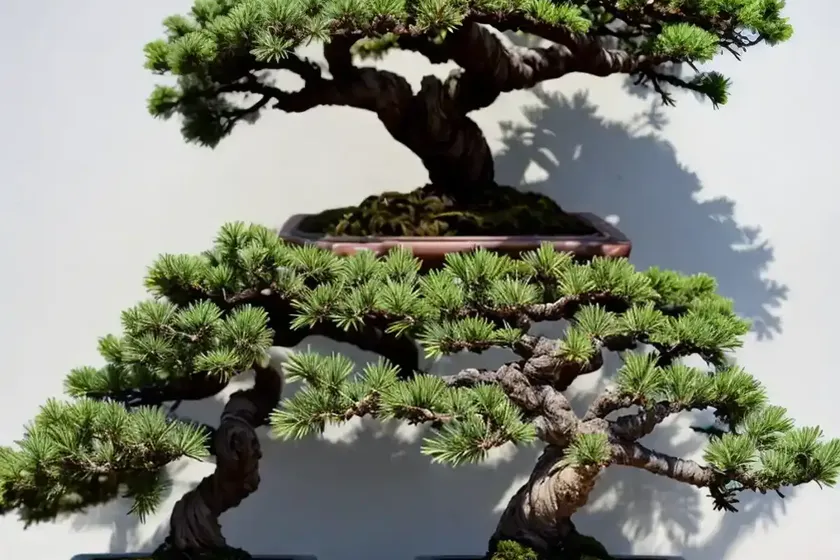
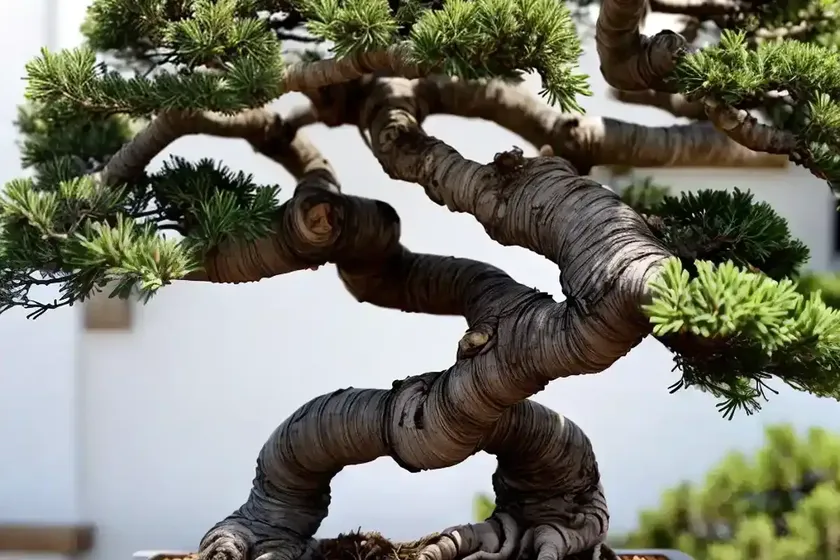
Juniper bonsai is cherished for its gnarled trunk, delicate foliage, and the timeless, windswept appearance that is characteristic of many well-styled Juniper bonsai trees. Its ability to thrive in various environmental conditions and its forgiving nature make it an ideal choice for beginners and experienced bonsai enthusiasts alike.
Key Takeaways – Juniper Bonsai (Juniperus)
Before we delve into the detailed care and maintenance guide, let’s outline the key takeaways for Juniper bonsai:
- Scientific Name: Juniperus
- Genus: Juniper
- Family: Cupressaceae
- Type: Evergreen coniferous tree
- Difficulty Level: Beginner to Intermediate
- Maintenance: Low to Moderate
- Watering: Moderate
- Sunlight: Full sun to partial shade
- Fertilization: Moderate
- Pruning: Regular
- Propagation: Easily from cuttings
- Container: Well-draining soil and suitable container
- Common Diseases: Phomopsis blight, cedar-apple rust
- Common Pests: Spider mites, juniper scale
Now that we have an overview of Juniper bonsai, let’s dive into the essential care aspects for cultivating and maintaining these captivating miniature trees.
Culture
Uses
Juniper bonsai trees have a rich cultural history and are revered for their aesthetic appeal and symbolic significance. Here are some common uses of Juniper bonsai:
- Aesthetic Beauty: Juniper bonsai trees are often displayed as ornamental pieces in homes, gardens, and public spaces due to their captivating appearance.
- Symbolism: In Japanese culture, bonsai trees, including Juniper, are considered symbols of harmony, balance, and peace.
Water
Proper watering is crucial for the health and vitality of Juniper bonsai trees. Here are some essential points to consider regarding watering:
- Frequency: Water the Juniper bonsai when the soil begins to feel slightly dry. Avoid overwatering, as it can lead to root rot and other issues.
- Watering Technique: Ensure that the water evenly saturates the soil without creating waterlogged conditions.
- Seasonal Variations: During the growing season, Juniper bonsai typically require more frequent watering, while in winter, they may need less.
Sunlight
Juniper bonsai trees thrive in bright, indirect sunlight. Here’s what you need to know about providing the right sunlight conditions for your Juniper bonsai:
- Optimal Conditions: Place the Juniper bonsai in a location that receives ample sunlight, preferably in a south-facing or west-facing position.
- Shading: While they need sunlight, young saplings should be protected from scorching midday sun until they are more established.
Fertilizer
Fertilizing Juniper bonsai is essential for providing the necessary nutrients for healthy growth and development. Consider the following when fertilizing your Juniper bonsai:
- Frequency: Fertilize the tree during the growing season, typically from spring to early autumn.
- Balanced Fertilizer: Use a balanced, organic fertilizer designed for bonsai trees to ensure a steady supply of essential nutrients.
- Reduced Fertilization: During the winter months, reduce or stop fertilization to align with the plant’s dormant period.
Soil
The right soil mixture is critical for the overall health and development of Juniper bonsai trees. Here are some essential considerations regarding the soil for Juniper bonsai:
- Well-Draining Soil: Use a well-draining soil mixture to prevent waterlogging, as Juniper bonsai trees are susceptible to root rot in water-retentive soils.
- Soil Components: A typical soil mix for Juniper bonsai may include components such as akadama, pumice, and lava rock, ensuring aeration and proper drainage.
- Repotting: Repot the Juniper bonsai every 2-3 years to refresh the soil and provide ample space for root growth.
Pruning
Proper pruning is a fundamental aspect of Juniper bonsai maintenance, shaping the tree and encouraging healthy growth. Consider the following points when pruning your Juniper bonsai:
- Techniques: Learn and apply various pruning techniques like maintenance pruning, structural pruning, and pinching to shape the tree and remove unwanted growth.
- Timing: Prune Juniper bonsai during the growing season to promote vigorous growth and quick healing of pruning wounds.
Propagation
Juniper bonsai are relatively easy to propagate from cuttings, allowing enthusiasts to expand their collection or share this captivating tree with others. Here’s a brief overview of the propagation process for Juniper bonsai:
- Cutting Selection: Select healthy, disease-free branches for propagating Juniper bonsai.
- Rooting Medium: Use a well-draining rooting medium, such as perlite or a mix of peat and perlite, to encourage root development.
- Conditions: Provide optimal conditions for rooting, including warmth, humidity, and indirect light.
Container
The choice of the right container is crucial for the overall health and visual appeal of Juniper bonsai. Consider the following aspects when selecting a container for your Juniper bonsai:
- Drainage Holes: Ensure that the container has sufficient drainage holes to prevent waterlogging and encourage aeration of the roots.
- Size: Select a container that provides ample space for the roots to grow while maintaining the desired aesthetic proportions of the bonsai tree.
- Material: Containers made of clay or ceramic are popular choices due to their aesthetic appeal and breathability, which promotes root health.
Popularity
Juniper bonsai trees have garnered significant popularity among bonsai enthusiasts, owing to their undeniable charm and unique characteristics. Their enduring appeal and adaptability have contributed to their widespread cultivation and appreciation globally.
Common Diseases
While Juniper bonsai trees are relatively hardy, they are susceptible to certain diseases. Understanding these common diseases is essential for effectively preventing and addressing them. Here are a couple of prevalent diseases that can affect Juniper bonsai:
- Phomopsis Blight: This fungal disease can cause dieback of twigs and branches, leading to the eventual decline of the tree if left untreated.
- Cedar-Apple Rust: Juniper bonsai can serve as an alternate host for cedar-apple rust, a fungal disease that affects apple trees. It appears as yellow-orange spots on the foliage.
Disease Diagnosis
Diagnosing and treating diseases in Juniper bonsai requires a keen eye and knowledge of the common symptoms. Here are some indicators of potential diseases in Juniper bonsai:
- Visual Symptoms: Look for changes in foliage color, spotting, wilting, or dieback of branches.
- Examination of Foliage: Check the undersides of leaves for signs of pests or fungal infections.
- Professional Consultation: If in doubt, consult with a plant specialist or local bonsai club for accurate diagnosis and treatment recommendations.
Common Pests
Apart from diseases, Juniper bonsai are also susceptible to certain pests that can impact their health and vigor. Here are a couple of common pests that can affect Juniper bonsai:
- Spider Mites: These tiny pests can cause stippling and discoloration of leaves, leading to a weakened appearance of the bonsai tree.
- Juniper Scale: Scale insects can infest Juniper bonsai, appearing as small, immobile bumps on the foliage and stems.
Botanist’s Tips
Let’s explore some expert tips from experienced botanists and bonsai enthusiasts to help you succeed in cultivating and caring for Juniper bonsai:
- Adequate Air Circulation: Ensure that your Juniper bonsai has proper air circulation, especially in humid climates, to prevent fungal diseases and pests.
- Regular Inspection: Routinely inspect your Juniper bonsai for signs of pests, diseases, and any irregular growth patterns that may require corrective action.
- Winter Protection: In regions with harsh winters, provide adequate protection to your Juniper bonsai, shielding it from freezing temperatures and drying winds.
Fun Facts
To round off our exploration of the captivating Juniper bonsai, let’s delve into some interesting and lesser-known facts about this remarkable tree:
- Ancient Symbolism: Juniper has been associated with symbolism and mysticism across various cultures, signifying protection, healing, and longevity.
- Medicinal Uses: The berries of some Juniper species have been historically used for their medicinal properties, particularly in herbal medicine and gin production.
- Lifespans: Juniper bonsai can live for several decades or even centuries with proper care, making them long-lasting companions for their caretakers.
Now that we’ve covered the cultural, horticultural, and aesthetic aspects of Juniper bonsai, it’s time to put this knowledge into practice and embark on your own journey with this timeless tree.
Links to External Resources
For further reading and in-depth information on Juniper bonsai care, species, and cultivation, refer to the following resources:
In conclusion, Juniper bonsai (Juniperus) embodies a unique fusion of natural beauty, cultural significance, and horticultural fascination. As you embark on your journey with Juniper bonsai, remember to approach each step with patience, mindfulness, and a sense of reverence for this ancient and enduring tree. By providing the right care and attention, you can witness the timeless allure of Juniper bonsai enriching your living spaces and serving as a constant reminder of the harmony between humanity and nature.
Happy growing!
Keywords: Juniperus bonsai tree, Juniperus bonsai care, Juniperus bonsai pruning, Juniperus bonsai maintenance, Juniperus bonsai species, Juniperus bonsai varieties, Juniperus bonsai styling, Juniperus bonsai tips, Juniperus bonsai fertilization, Juniperus bonsai repotting, Juniperus bonsai watering, Juniperus bonsai pests, Juniperus bonsai diseases, Juniperus bonsai training techniques, Juniperus bonsai indoor care, Juniperus bonsai outdoor care, Juniperus bonsai pruning tools, Juniperus bonsai soil mix, Juniperus bonsai wire techniques, Juniperus bonsai styling ideas, Juniperus bonsai beginner’s guide, Juniperus bonsai advanced techniques, Juniperus bonsai display ideas, Juniperus bonsai repotting schedule, Juniperus bonsai root pruning, Juniperus bonsai seasonal care, Juniperus bonsai shaping and wiring, Juniperus bonsai common problems, Juniperus bonsai light requirements, Juniperus bonsai temperature tolerance, Juniperus bonsai humidity preferences, Juniperus bonsai companion plants, Juniperus bonsai indoor vs. outdoor, Juniperus bonsai winter protection, Juniperus bonsai summer care, Juniperus bonsai fall care, Juniperus bonsai spring care, Juniperus bonsai styling tips, Juniperus bonsai pruning techniques, Juniperus bonsai fertilization schedule, Juniperus bonsai pest control, Juniperus bonsai disease prevention, Juniperus bonsai troubleshooting, Juniperus bonsai pot selection, Juniperus bonsai root development, Juniperus bonsai seasonal color, Juniperus bonsai shaping methods, Juniperus bonsai wiring techniques, Juniperus bonsai styling inspiration, Juniperus bonsai artistic expression