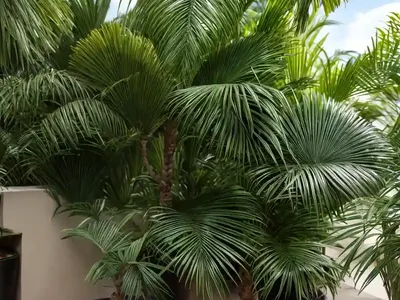
Jubaea Chilensis (Chilean Wine Palm)
Welcome to our comprehensive guide on Jubaea chilensis, commonly known as the Chilean Wine Palm. In this guide, we will delve into the characteristics.

Introduction
Welcome to our comprehensive guide on Jubaea chilensis, commonly known as the Chilean Wine Palm. In this guide, we will delve into the characteristics, care requirements, and various aspects of this magnificent palm species. From its cultural significance to its ecological benefits, we will cover everything you need to know about this iconic plant.
What is Jubaea chilensis?
Jubaea chilensis, a species in the Arecaceae family, is a slow-growing, large, and long-lived palm tree native to Chile. Also known as the Chilean Wine Palm, this species is revered for its striking appearance and various uses, making it a popular choice in landscapes and gardens across the world.
Chilean Wine Palm Characteristics
Let’s begin by understanding the key characteristics of the Jubaea chilensis, which play a significant role in shaping its care requirements and uses.
- Height: The Chilean Wine Palm can reach impressive heights, often growing up to 80 feet (24 meters) tall.
- Trunk: The trunk of the Jubaea chilensis is thick and robust, with a diameter of approximately 6 feet (1.8 meters) at maturity.
- Leaves: Its palmate leaves, which can measure up to 10 feet (3 meters) in length, add to the majestic appearance of the Chilean Wine Palm.
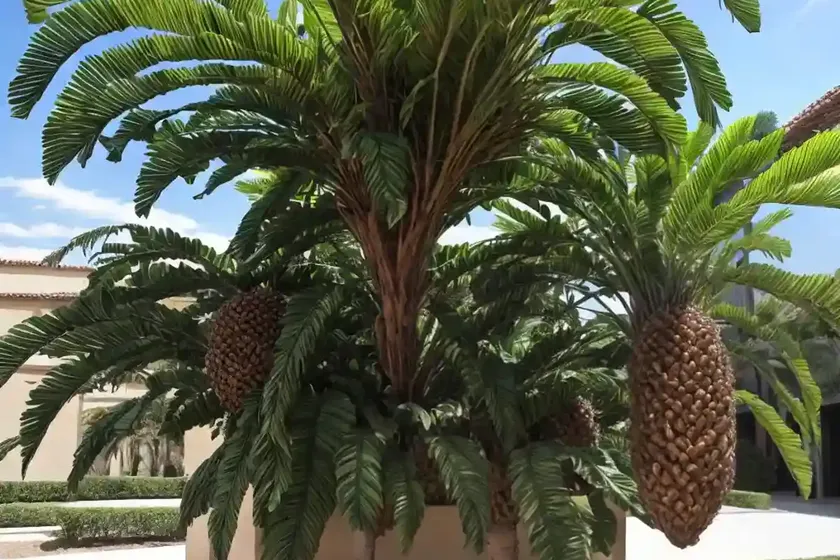
- Fruit: The fruit produced by Jubaea chilensis, known as coquito, holds cultural, culinary, and ecological significance.
- Lifespan: With a lifespan of over 1,000 years, the Chilean Wine Palm is renowned for its longevity.
Now that we have an overview of the plant’s characteristics, let’s explore the essential care guidelines for growing and nurturing Jubaea chilensis.
Jubaea Chilensis Care Guide
Caring for the Chilean Wine Palm involves understanding its specific needs in terms of water, sunlight, soil, and more. To ensure the successful growth and development of Jubaea chilensis, let’s delve into its care requirements.
Water
Watering is a crucial aspect of nurturing the Chilean Wine Palm, especially during its early stages of growth. Here are some watering tips to keep in mind:
- Young Trees: Newly planted Chilean Wine Palms require regular watering to establish a strong root system.
- Mature Trees: Once established, Jubaea chilensis has moderate water needs, particularly in well-drained soil.
- Drought Tolerance: Despite its moderate water requirements, the Chilean Wine Palm exhibits impressive drought tolerance once mature.
Sunlight
Proper sunlight exposure is essential for the healthy growth of Jubaea chilensis. Consider the following sunlight requirements when cultivating this palm species:
- Full Sun: Chilean Wine Palms thrive in full sun, requiring at least 6 to 8 hours of direct sunlight daily.
- Shade Intolerance: Avoid planting Jubaea chilensis in shaded areas, as it may hinder its growth and lead to undesirable outcomes.
Soil
The soil conditions greatly influence the overall health and vigor of the Chilean Wine Palm. Here’s what you need to know about the soil requirements for Jubaea chilensis:
- Well-Drained Soil: Jubaea chilensis prefers well-drained soils to prevent waterlogged conditions, which can be detrimental to its roots.
- Soil pH: While adaptable to various soil pH levels, a slightly acidic to neutral soil pH (6.0-7.5) is ideal for optimal growth.
Fertilizer
Proper fertilization contributes to the vigor and resilience of the Chilean Wine Palm. Keep the following points in mind when considering fertilizer application:
- Slow-Release Fertilizer: Opt for a slow-release fertilizer specially formulated for palm trees to provide essential nutrients over an extended period.
- Fertilization Frequency: Apply fertilizer 2-3 times per year, preferably in early spring and late summer, following the recommended dosage.
Pruning
Pruning is essential for maintaining the health and aesthetics of Jubaea chilensis. Consider the following pruning techniques for this palm species:
- Dead Frond Removal: Regularly remove dead or yellowing fronds to enhance the plant’s appearance and prevent potential pest and disease problems.
- Inflorescence Removal: After the flowering and fruiting phase, timely removal of spent inflorescences can promote the palm’s overall vigor.
Propagation
While Jubaea chilensis primarily reproduces through seeds, understanding the propagation methods can be beneficial for plant enthusiasts. Here’s an overview of the propagation process for the Chilean Wine Palm:
- Seed Propagation: Collect mature seeds from healthy Jubaea chilensis specimens and sow them in well-draining, fertile soil to initiate the germination process.
- Germination Period: Seeds may take several months to germinate, so patience is key when propagating Chilean Wine Palms from seeds.
Chilean Wine Palm Growth Habit
Understanding the growth habit of Jubaea chilensis is essential for creating an optimal environment for its development. Let’s explore the growth patterns and habits of the Chilean Wine Palm:
- Slow Growth: Jubaea chilensis is renowned for its slow growth rate, with young specimens requiring several years to develop a noticeable trunk.
- Vertical Growth: As the Chilean Wine Palm matures, it exhibits a vertical growth pattern, reaching impressive heights while maintaining its iconic palmate leaf structure.
Uses of Jubaea chilensis
The versatile nature of Jubaea chilensis makes it valuable for various purposes, ranging from cultural uses to ecological contributions. Here are some notable applications of the Chilean Wine Palm:
Cultural Uses
- Symbolism: Jubaea chilensis holds cultural significance in Chile, symbolizing longevity, strength, and resilience. It is often featured in art, literature, and traditional ceremonies.
- Craftsmanship: The durable wood derived from the trunk of the Chilean Wine Palm is utilized in artisanal crafts, including furniture making and sculpture.
Landscape Design
- Ornamental Value: Due to its striking appearance and majestic presence, Jubaea chilensis is a sought-after ornamental specimen in landscapes, botanical gardens, and public spaces.
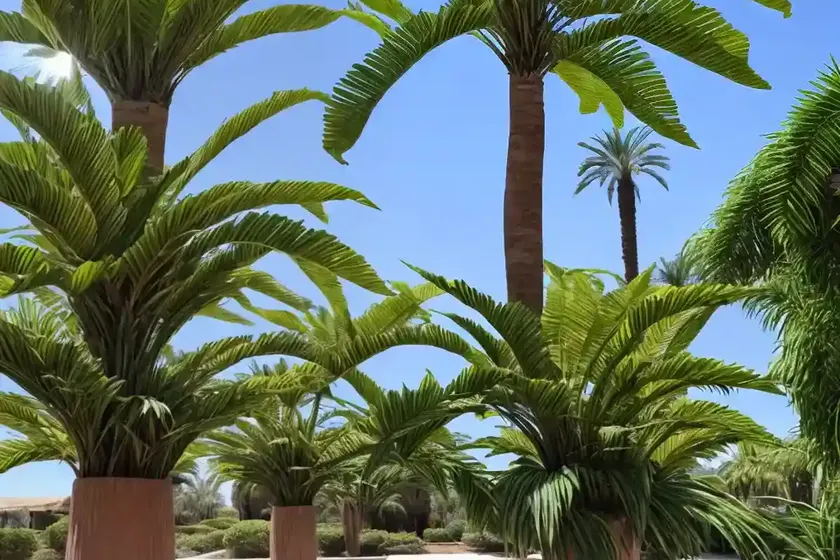
- Focal Point: When strategically placed, mature Chilean Wine Palms serve as captivating focal points, adding a sense of grandeur to the surrounding landscape.
Ecological Benefits
- Habitat Provider: Mature Jubaea chilensis trees create valuable habitat and nesting sites for various bird species and small mammals, contributing to the overall biodiversity of their native ecosystems.
- Carbon Sequestration: As a long-lived tree species, the Chilean Wine Palm plays a role in sequestering carbon and mitigating the effects of climate change.
Common Diseases and Pests
While Jubaea chilensis is relatively resilient, it may face certain disease and pest challenges. Identifying and addressing these issues is crucial for maintaining the plant’s health. Let’s explore some common ailments and pests that may affect the Chilean Wine Palm:
Diseases
- Bud Rot: Prolonged exposure to excessively moist conditions can lead to bud rot, characterized by the decay of the palm’s apical meristem, potentially causing irreversible damage.
- Fusarium Wilt: This fungal disease can affect the vascular system of Jubaea chilensis, leading to wilting, leaf necrosis, and overall decline.
Pests
- Palm Weevils: These voracious pests can cause significant damage to the trunk and growing points of Jubaea chilensis, potentially posing a threat to the plant’s survival if left unchecked.
- Spider Mites: Infestations of spider mites may cause visible stippling and webbing on the palm’s leaves, impacting its overall vitality.
Disease Diagnosis
Timely diagnosis of potential diseases and pests is crucial for implementing effective control measures. Keep an eye out for the following signs that may indicate the presence of diseases or pests in Jubaea chilensis:
- Leaf Discoloration: Changes in leaf color, including yellowing, browning, or blackening, may signal underlying disease or pest issues.
- Stunted Growth: The sudden or gradual decline in the plant’s overall growth and vigor may indicate potential health concerns that warrant further investigation.
Botanist’s Tips
As a plant scientist, I offer the following tips for cultivating and caring for Jubaea chilensis based on my expertise and experience:
- Patience is Key: Given its slow growth rate, cultivating Jubaea chilensis requires patience and long-term commitment. The rewards of nurturing this iconic palm species are well worth the wait.
- Maintenance Matters: Regular maintenance, including proper watering, fertilization, and monitoring for pests and diseases, is crucial for the long-term health and vitality of the Chilean Wine Palm.
Fun Facts about Jubaea chilensis
To add an element of fascination to our guide, let’s explore some intriguing and lesser-known facts about the Chilean Wine Palm:
- Historical Symbolism: In indigenous cultures, the coquito fruit of the Jubaea chilensis holds historical and cultural significance, often associated with communal gatherings and traditional celebrations.
- Slow Growth: Some individual Jubaea chilensis trees are estimated to be over 1,000 years old, emphasizing the plant’s remarkable longevity and resilience.
Now that we’ve covered the essential aspects of Jubaea chilensis, it’s important to explore additional resources and expert insights to enhance our understanding of this iconic palm species.
Links to External Resources
For further in-depth information and research on Jubaea chilensis, I recommend exploring the following external resources:
- International Palm Society – Jubaea chilensis
- Royal Horticultural Society – Chilean Wine Palm Care Guide
- Botanic Gardens Conservation International – Jubaea chilensis Conservation
- Journal of Applied Ecology – Ecological Interactions of Jubaea chilensis
In conclusion, Jubaea chilensis, the Chilean Wine Palm, stands as a testament to the enduring beauty and resilience of palm species. From its rich cultural significance to its ecological contributions, the Chilean Wine Palm continues to captivate enthusiasts and conservationists alike. By understanding its unique characteristics and care requirements, we can ensure the preservation and appreciation of this iconic plant for generations to come.