Soaptree Yucca (Yucca Elata)
The Soaptree Yucca, scientifically known as Yucca elata, is an intriguing plant native to the deserts of the southwestern United States and northern.
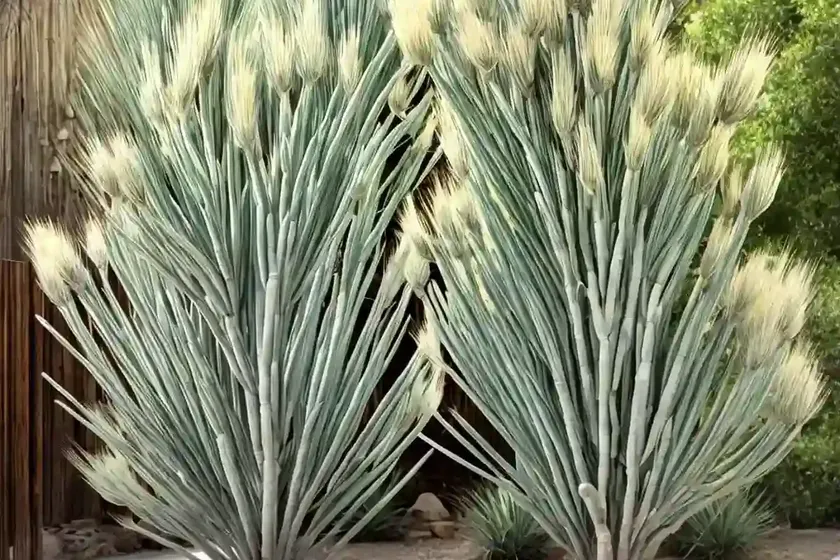
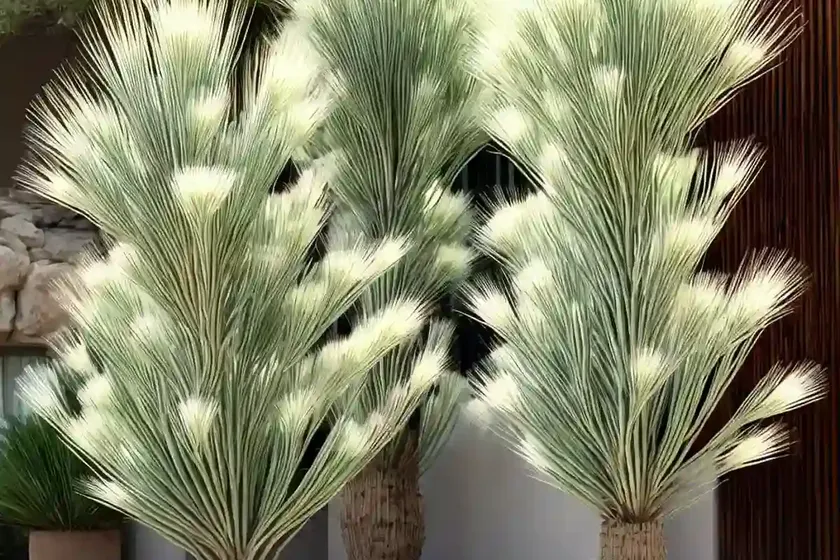
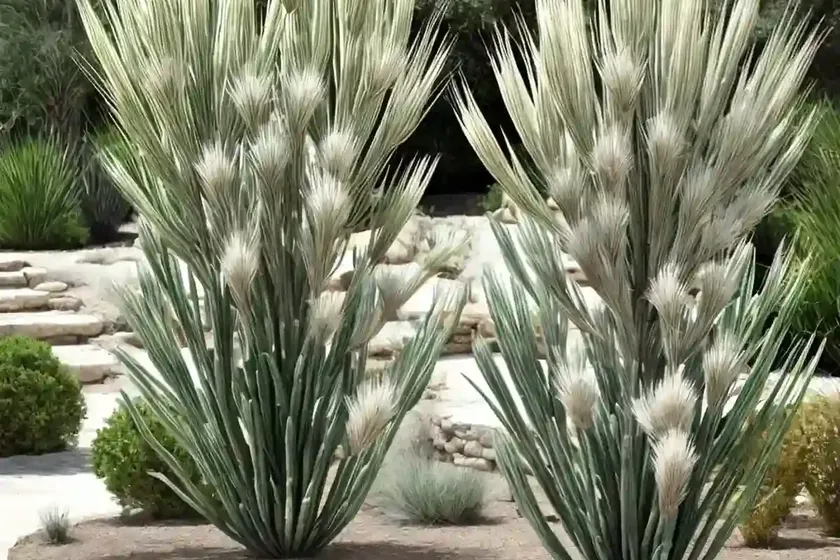
The Soaptree Yucca, scientifically known as Yucca elata, is an intriguing plant native to the deserts of the southwestern United States and northern Mexico. This striking perennial evergreen plant belongs to the family Asparagaceae. Its unique characteristics, such as its towering flowering stalks and sharp, sword-shaped leaves, make it a popular choice for xeriscaping and ornamental landscaping in arid regions.
In this comprehensive guide, we will delve into every aspect of Soaptree Yucca, including its cultural requirements, uses, ecological importance, diseases, and pests. Additionally, we will explore its propagation, container gardening tips, and much more. Whether you’re a plant enthusiast, a landscape designer, or a botany student, this guide aims to provide you with a holistic understanding of Soaptree Yucca and equip you with the knowledge to cultivate and appreciate this remarkable plant.
What is Soaptree Yucca (Yucca Elata)?
Soaptree Yucca, also referred to as Soapweed, is an evergreen, slow-growing shrub or small tree that can reach up to 15 feet in height. It is characterized by its dense rosette of long, rigid, sword-shaped leaves with pointed tips. The leaves are typically bluish-green to gray-green in color and can grow up to 3 feet in length, adding to the plant’s architectural appeal.
One of the most spectacular features of the Soaptree Yucca is its towering flower stalks, which can soar up to 10 feet above the foliage. These tall, branching inflorescences bear bell-shaped, creamy-white flowers with a tinge of purple or green. The flowers, which bloom in late spring to early summer, exude a sweet fragrance and attract various pollinators, including yucca moths and bees.
The plant’s common name, “Soaptree,” originates from the historical uses of its roots by indigenous peoples. When pounded and mixed with water, the roots produce a soapy lather, hence the name “Soaptree Yucca.”
Key Takeaways – Soaptree Yucca (Yucca Elata)
Here are some key takeaways that will be covered in detail throughout this guide:
- Cultural Requirements:
- Water
- Sunlight
- Fertilizer
- Soil
- Pruning:
- Techniques
- Propagation:
- Methods
- Container Popularity:
- Tips for successful container gardening
- Common Diseases:
- Diagnosis and management
- Common Pests:
- Identification and control
- Botanist’s Tips:
- Expert advice and recommendations
- Fun Facts:
- Intriguing insights into the Soaptree Yucca’s unique characteristics
- Links to External Resources:
- Additional references for further exploration
Now, let’s embark on an in-depth exploration of each of these essential aspects of Soaptree Yucca.
Culture
When it comes to successfully cultivating Soaptree Yucca, understanding its cultural requirements is paramount. From water and sunlight needs to soil preferences and fertilization, each aspect plays a crucial role in promoting the plant’s healthy growth and vibrant appearance.
Water
Soaptree Yucca is renowned for its resilience in arid environments, exhibiting exceptional drought tolerance once established. Accordingly, it thrives in well-draining soil and prefers infrequent, deep watering over frequent shallow watering. Adequate water during the establishment phase is crucial, but once the plant has developed a robust root system, it can survive extended periods of drought.
During the hot summer months, especially in its native desert habitats, it’s advisable to provide supplemental irrigation during prolonged dry spells to maintain the plant’s vitality. However, it’s essential to avoid waterlogging the soil, as excessive moisture can lead to root rot and other moisture-related issues.
Sunlight
Unsurprisingly, Soaptree Yucca thrives in full sunlight and excels in hot, arid conditions. It’s best suited for planting in locations that receive at least six to eight hours of direct sunlight daily. Insufficient sunlight exposure may result in weakened growth, reduced flowering, and an overall decline in the plant’s vigor.
Fertilizer
In general, Soaptree Yucca is not a heavy feeder and usually doesn’t require regular fertilization if planted in nutrient-rich soil. However, if the plant is exhibiting signs of nutrient deficiency, such as pale or yellowing leaves, a controlled-release fertilizer formulated for succulents and cacti can be applied sparingly in spring. It’s crucial to avoid overfertilization, as an excess of nutrients can potentially harm the plant and disrupt its natural balance.
Soil
The Soaptree Yucca thrives in well-draining, sandy, or gravelly soils, mimicking its native desert habitat. Poorly draining, clay-rich soils should be amended with sand, gravel, or other materials to enhance drainage and aeration. Additionally, a slightly acidic to neutral pH range of 6.0 to 7.5 is optimal for the plant’s overall health and nutrient uptake.
Pruning
Proper pruning is essential for maintaining the Soaptree Yucca’s attractive appearance and controlling its size. Additionally, prompt removal of dead or damaged foliage and spent flower stalks can enhance the plant’s aesthetic appeal and prevent the accumulation of debris that may harbor pests and diseases.
Pruning Techniques
Pruning Soaptree Yucca involves removing old, dead, or damaged leaves from the base of the plant. This not only improves its appearance but also reduces the risk of mold or rot developing in the leaf clusters. When pruning the flower stalks, it’s recommended to wait until the flowering period is over to allow for seed formation, as these seeds serve as a valuable food source for wildlife.
It’s crucial to exercise caution when handling the plant, as the leaf tips are sharp and can cause injury if not approached carefully. Additionally, the removal of healthy leaves should be minimized, as they contribute to the plant’s photosynthetic capacity and overall vigor.
Propagation
The propagation of Soaptree Yucca can be accomplished through various methods, including seed propagation and division of offsets. Each approach has its advantages and challenges, and understanding the intricacies of each method is crucial for successful propagation.
Methods
- Seed Propagation:
-
Soaptree Yucca can be propagated from fresh seeds collected from mature seedpods. It’s important to remember that the seeds should be sown in well-draining, sterile soil and maintained at a consistent temperature. Germination typically occurs within a few weeks to a few months, and the resulting seedlings can be transplanted once they have developed several sets of true leaves.
-
Division:
- Mature Soaptree Yucca plants produce offsets, also known as “pups,” near the base of the main stem. These offsets can be carefully separated from the parent plant using a sharp, sterile knife, ensuring that each division has its own set of roots. Once divided, the offsets can be potted in well-draining soil and provided with appropriate care to encourage their establishment and growth.
Container Popularity
Soaptree Yucca’s stunning appearance and low-maintenance nature make it an excellent choice for container gardening. When cultivated in containers, it not only serves as a captivating focal point but also enables enthusiasts in regions with unsuitable growing conditions to enjoy this remarkable plant.
Tips for Successful Container Gardening
- Container Selection:
-
Choose a large, sturdy container with adequate drainage holes to prevent water accumulation. The container’s size should accommodate the plant’s root system and provide room for growth.
-
Potting Mix:
-
Utilize a well-draining, porous potting mix specifically formulated for succulents and cacti to ensure proper aeration and moisture management.
-
Watering:
-
When watering Soaptree Yucca in containers, it’s crucial to allow the soil to dry out partially between waterings to prevent overwatering and root rot.
-
Sunlight:
-
Position the container in a location that receives ample sunlight, such as a south-facing patio or balcony, to meet the plant’s sunlight requirements.
-
Winter Protection:
- In regions with cold winters, containers can be moved to a sheltered location or provided with insulation to protect the plant from freezing temperatures.
Common Diseases
While Soaptree Yucca is known for its resilience, it can be susceptible to certain diseases, particularly when growing in suboptimal conditions. Recognizing the symptoms of common diseases and promptly addressing them is crucial for maintaining the plant’s health and vitality.
Disease Diagnosis
- Leaf Spot:
-
Characterized by the presence of small, dark spots on the leaves, leaf spot diseases can be caused by fungal pathogens. Proper air circulation, watering practices, and the removal of infected plant material can help mitigate the risk of leaf spot.
-
Root Rot:
- Prolonged exposure to excessively moist or waterlogged soil can predispose Soaptree Yucca to root rot. Symptoms include wilting, yellowing, and eventual collapse of the plant. Improving soil drainage and avoiding overwatering are essential preventive measures.
Common Pests
While Soaptree Yucca is relatively resistant to many pests due to its physical and chemical defenses, there are several pests that may pose a threat to its health. Understanding these potential pests and implementing appropriate control measures is essential for protecting the plant.
Pest Identification and Control
- Yucca Moth:
-
The yucca moth is a well-known pollinator of yucca plants, including Soaptree Yucca. While the moth’s pollination behavior is essential for the plant’s reproduction, its larvae can cause damage by feeding on yucca seeds. However, the plant has coevolved with the yucca moth, and this interaction is generally well-balanced in healthy ecosystems.
-
Aphids and Spider Mites:
- These sap-sucking pests can occasionally infest Soaptree Yucca, particularly during periods of stress or environmental imbalance. Controlling their populations through regular monitoring, hosing off the plant, and employing natural predators or insecticidal soaps can help prevent extensive damage.
Botanist’s Tips
For enthusiasts and horticulturalists eager to cultivate Soaptree Yucca or enhance their existing cultivation practices, the following tips from seasoned botanists can provide valuable insights and recommendations.
- Native Habitat Study:
-
Understanding the plant’s natural habitat and ecological interactions can provide invaluable guidance for replicating similar conditions in cultivation.
-
Observational Learning:
-
Regular observation of the plant’s growth patterns, flowering behavior, and response to environmental factors can foster a deeper understanding of its unique requirements and adaptations.
-
Species-Specific Care:
- Tailoring care practices to the specific needs of Soaptree Yucca, such as its drought tolerance, soil preferences, and sunlight requirements, is essential for promoting its long-term health and vigor.
Fun Facts
Delving into the intriguing facets of Soaptree Yucca’s biology, cultural significance, and ecological role reveals a treasure trove of compelling and noteworthy facts that enrich our understanding of this remarkable plant.
- The fibrous leaves of Soaptree Yucca have been traditionally used by indigenous peoples for weaving baskets, sandals, and rope, showcasing the plant’s diverse utilitarian value.
- Soaptree Yucca is a source of food for various wildlife, including desert bighorn sheep, mule deer, and desert tortoises, highlighting its ecological importance in arid ecosystems.
Links to External Resources
For further exploration and in-depth study of Soaptree Yucca, the following links to external resources provide a wealth of information, including botanical descriptions, habitat considerations, and cultivation insights:
- Native Plant Society of New Mexico – Soaptree Yucca
- Lady Bird Johnson Wildflower Center – Yucca Elata
- USDA Plants Database – Yucca Elata
- Arizona Municipal Water Users Association – Soaptree Yucca Landscaping
Conclusion
In conclusion, Soaptree Yucca (Yucca Elata) stands as a captivating emblem of resilience, beauty, and ecological significance in arid environments. Its striking appearance, low-maintenance nature, and diverse cultural uses make it a compelling choice for enthusiasts and landscapers seeking to embrace the unique charm of desert-adapted plants.
By delving into the plant’s cultural requirements, propagation techniques, disease and pest management, and other essential aspects, we have unveiled the intricate tapestry of Soaptree Yucca’s botanical character. From the sun-drenched deserts of the American Southwest to ornamental landscapes worldwide, the Soaptree Yucca continues to inspire admiration and appreciation for its enduring vitality and captivating allure.
Let us embrace the spirit of Soaptree Yucca and celebrate its remarkable journey from the desert plains to the realm of horticulture, where its grace and resilience continue to captivate and inspire generations of plant enthusiasts and nature lovers.
Soaptree Yucca care, Yucca Elata plant care, Growing Soaptree Yucca, Yucca Elata species, Soaptree Yucca facts, Yucca Elata characteristics, Soaptree Yucca propagation, Yucca Elata in gardens, Soaptree Yucca pruning, Yucca Elata drought tolerance, Soaptree Yucca uses, Yucca Elata landscaping, Soaptree Yucca flowers, Yucca Elata medicinal properties, Soaptree Yucca habitat, Yucca Elata natural range, Soaptree Yucca soil requirements, Yucca Elata growth habits, Soaptree Yucca pests and diseases, Yucca Elata wildlife interactions, Soaptree Yucca adaptations, Yucca Elata morphology, Soaptree Yucca ornamental value, Yucca Elata common names, Soaptree Yucca native habitat, Yucca Elata ecosystem role, Soaptree Yucca pollination, Yucca Elata seed dispersal, Soaptree Yucca cultivation tips, Yucca Elata garden design, Soaptree Yucca container gardening, Yucca Elata landscape architecture, Soaptree Yucca xeriscaping, Yucca Elata outdoor planting, Soaptree Yucca indoor care, Yucca Elata propagation methods, Soaptree Yucca pruning techniques, Yucca Elata unique characteristics, Soaptree Yucca ethnobotanical uses, Yucca Elata nutritional value, Soaptree Yucca water requirements, Yucca Elata sun exposure, Soaptree Yucca wildlife habitat, Yucca Elata water-wise gardening, Soaptree Yucca sustainable landscaping, Yucca Elata focal point plant, Soaptree Yucca drought-tolerant landscaping, Yucca Elata desert garden, Soaptree Yucca companion plants, Yucca Elata root system.