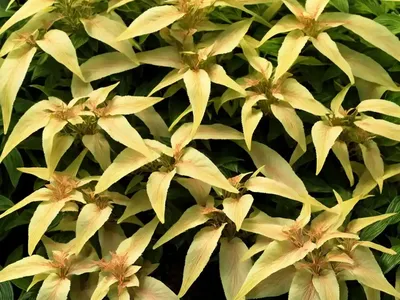
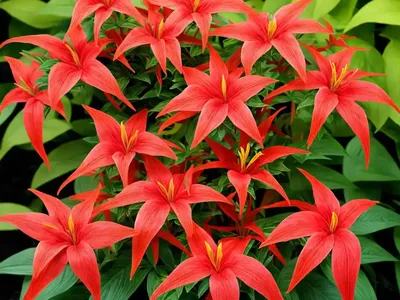
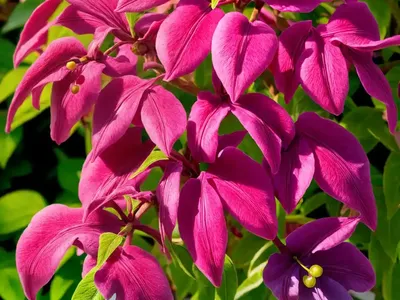
Brazilian Red Hots (Alternanthera Dentata)
As a plant scientist, I am excited to dive into the fascinating world of plants, and today I want to share my insights on a unique and beautiful plant.
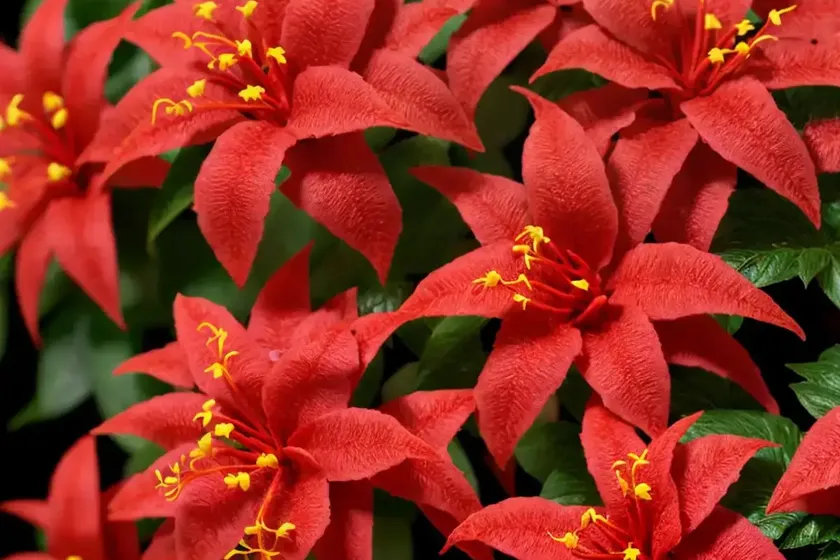
As a plant scientist, I am excited to dive into the fascinating world of plants, and today I want to share my insights on a unique and beautiful plant known as Brazilian Red Hots, scientifically named Alternanthera dentata. This plant has gained popularity for its vibrant color, versatility in landscaping, and relatively low maintenance requirements, making it a favorite among horticulturists, landscapers, and gardening enthusiasts. In this comprehensive guide, we will explore its culture, uses, care requirements, and much more. So, let’s get started!
What is Brazilian Red Hots (Alternanthera dentata)?
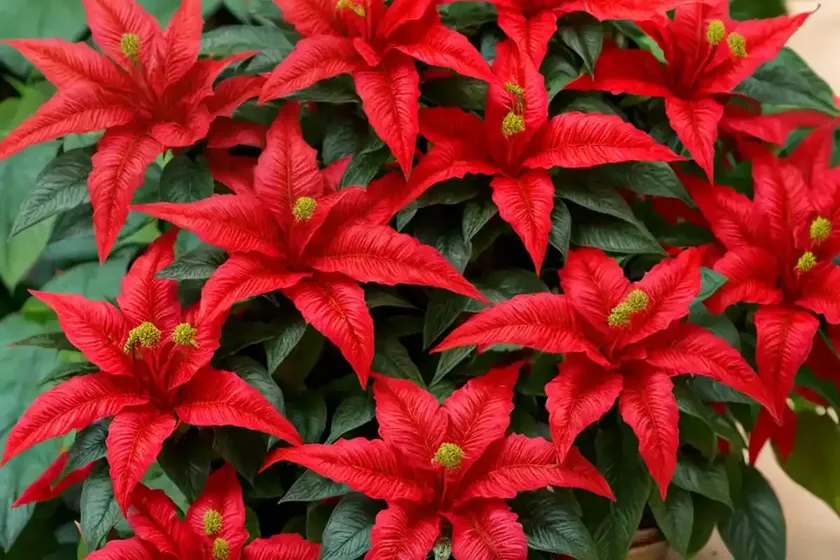
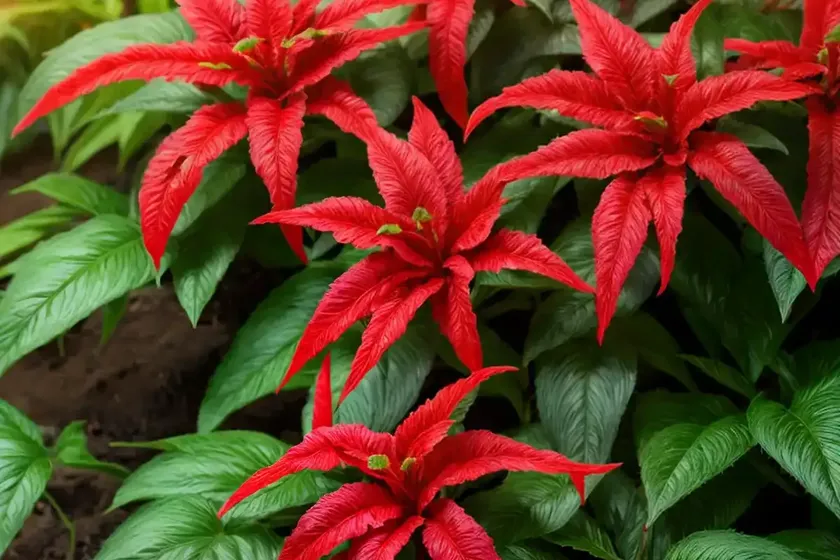
Alternanthera dentata, commonly referred to as Brazilian Red Hots, is a species of flowering plant in the amaranth family, Amaranthaceae. This striking ornamental plant is native to South America and is known for its eye-catching foliage, which features hues of red, purple, and green. It is a tropical perennial that is prized for its colorful and textured leaves, making it a popular choice for adding visual interest to gardens, landscapes, and indoor spaces.
The Brazilian Red Hots plant typically grows to a height of around 12 to 18 inches (30 to 45 cm) with a spread of 18 to 24 inches (45 to 60 cm), creating a compact and bushy appearance. Its densely packed, ovate to elliptic leaves exhibit a mix of deep red and burgundy colors, often complemented by contrasting green margins. This vibrant foliage makes Alternanthera dentata an ideal candidate for adding splashes of color to various gardening arrangements and mixed borders.
Key Takeaways – Brazilian Red Hots (Alternanthera dentata)
Let’s delve into the essential aspects of Brazilian Red Hots, covering its culture, uses, and care requirements.
Culture
Cultivating Brazilian Red Hots requires an appreciation for its tropical origins and an understanding of its environmental preferences. Providing optimal growing conditions is crucial for promoting healthy foliage and vibrant coloration.
- Origin: South America
- Climate: Tropical and subtropical regions
- Hardiness Zones: Typically grown as an annual in cooler climates, thrives in zones 10-11
- Lifespan: Perennial in suitable climates
- Growth Habit: Low-growing, compact, and bushy
- Foliage: Vibrant red and burgundy hues; ovate to elliptic leaves
Uses
The versatility of Brazilian Red Hots extends beyond its aesthetic appeal, with applications ranging from traditional ornamental planting to innovative landscaping and container gardening.
- Landscaping: Adds color and texture to garden beds, borders, and mixed plantings
- Container Gardening: Well-suited for containers, hanging baskets, and decorative pots
- Indoor Décor: Provides a pop of color and foliage diversity in interior spaces
- Edging: Creates visual borders and delineates garden pathways
- Foliage Accent: Complements flowering plants with its striking foliage
Now, let’s explore the specific requirements for successfully growing and caring for Brazilian Red Hots, including considerations related to water, sunlight, fertilizer, soil, pruning, propagation, and common diseases and pests.
Water
Ensuring adequate moisture levels is crucial for the health and vitality of Brazilian Red Hots, as it thrives in consistently moist conditions without being waterlogged.
- Watering Frequency: Regular watering to maintain evenly moist soil
- Soil Moisture: Avoid waterlogged or overly dry conditions
- Watering Method: Apply water at the base of the plant to avoid wetting the foliage
- Environmental Factors: Adjust watering based on seasonal temperatures and humidity levels
Sunlight
Like many tropical plants, Brazilian Red Hots has specific light requirements to support robust growth and vibrant leaf coloration.
- Light Exposure: Thrives in full sun to partial shade
- Sunlight Intensity: Benefits from bright, indirect light in warmer climates
- Shade Protection: Provide afternoon shade in hot, sunny regions to prevent leaf scorching
- Indoor Lighting: For indoor cultivation, place near a bright window or provide supplemental light
Fertilizer
Supplemental nutrients can enhance the foliage color and overall vigor of Alternanthera dentata, making fertilization an integral part of its care regimen.
- Fertilizer Type: Balanced, water-soluble fertilizers with micronutrients
- Application Frequency: Follow a regular feeding schedule during the growing season
- Application Method: Apply fertilizer to damp soil to prevent root burn
- Nutrient Balance: Consider the plant’s response to fertilization and adjust as needed
Soil
The choice of soil type and quality directly influences the plant’s ability to access moisture, nutrients, and essential elements for growth.
- Soil Composition: Well-draining, loamy or sandy soil with organic matter
- Acidity Level: Slightly acidic to neutral pH range (6.0-7.0)
- Soil Structure: Improves aeration and drainage to prevent waterlogging
- Mulching: Apply a layer of organic mulch to retain soil moisture and regulate temperature
Pruning
Regular pruning helps maintain the plant’s shape, rejuvenate growth, and manage its size to fit specific gardening or design requirements.
- Pruning Frequency: Periodic trimming to control size and encourage bushy growth
- Topping: Remove stem tips to promote lateral branching and a fuller appearance
- Deadheading: Trim spent flowers to promote continuous blooming and tidy appearance
- Sanitization: Sterilize pruning tools to prevent the spread of diseases
Propagation
The ability to propagate Brazilian Red Hots through various methods offers flexibility in expanding its presence in gardens and landscapes.
- Propagation Methods: Stem cuttings, division, and seed propagation
- Timing: Propagate during the active growing season for optimal success
- Rooting Medium: Well-draining potting mix or substrate suitable for root development
- Environmental Considerations: Provide appropriate humidity and warmth for successful propagation
Container Popularity
The compact growth habit and ornamental foliage make Brazilian Red Hots an appealing choice for container gardening enthusiasts.
- Container Types: Select pots, planters, or hanging baskets that suit the plant’s size and growth habit
- Potting Mix: Use high-quality, well-draining soilless mix or container media
- Drainage: Ensure proper drainage holes to prevent water accumulation
- Indoor Décor: Enhances interior settings with its vibrant and textured foliage
Common Diseases
Understanding potential disease issues and implementing preventive measures is essential for maintaining plant health and vitality.
- Fungal Diseases: Watch for signs of leaf spots, powdery mildew, and root rot
- Bacterial Infections: Monitor for bacterial leaf spots and blights
- Viral Concerns: Recognize symptoms of viral diseases and limit their spread
- Cultural Practices: Implement proper spacing and sanitation to reduce disease pressure
Disease Diagnosis
Rapid and accurate diagnosis of plant diseases enables timely interventions to mitigate their impact and prevent further spread.
- Symptom Identification: Recognize common disease symptoms such as leaf lesions, wilting, and discoloration
- Laboratory Testing: Submit samples for professional diagnosis and pathogen identification
- Consultation: Seek advice from local extension services or plant health experts for diagnosis support
- Treatment Planning: Develop a targeted treatment plan based on the identified disease
Common Pests
Addressing potential pest infestations promptly is crucial for safeguarding the health and aesthetics of Brazilian Red Hots.
- Insect Pests: Monitor for aphids, spider mites, and caterpillars
- Biological Control: Utilize natural predators and beneficial insects for pest management
- Integrated Pest Management: Employ a holistic approach to pest control, including cultural and mechanical tactics
- Pesticide Considerations: Use targeted and low-impact insecticides when necessary
Now that we have covered the basic care requirements and potential challenges associated with growing Brazilian Red Hots, here are some additional insights and tips from a botanist’s perspective to ensure success in cultivating this captivating ornamental plant.
Botanist’s Tips
Understandably, growing and caring for plants such as Brazilian Red Hots requires consideration of their unique characteristics and environmental needs. Here are some floral tidbits and botanist-approved tips to help you maximize the potential of Alternanthera dentata in your gardening endeavors:
- Adaptation: Embrace the plant’s ability to adapt to diverse conditions, from full sun to partial shade, and design settings that showcase its variegated foliage.
- Varietal Selection: Explore different cultivars and varieties of Alternanthera dentata to add a spectrum of colors and leaf textures to your landscape or garden.
- Seasonal Maintenance: Adjust maintenance practices based on seasonal changes and environmental factors to promote plant health and longevity.
- Companion Planting: Pair Brazilian Red Hots with complementary species that accentuate its foliage colors and textures, creating visually engaging combinations.
- Winter Protection: If cultivating in cooler climates, provide winter protection or consider overwintering strategies to preserve the plant’s vitality.
Fun Facts
Exploring the fascinating aspects of Brazilian Red Hots beyond its cultivation and care adds an element of intrigue to the overall gardening experience. Here are some captivating fun facts about Alternanthera dentata:
- The vibrant foliage of Brazilian Red Hots makes it an ideal candidate for creating dynamic ornamental arrangements, adding visual interest to landscape designs, and enhancing garden borders.
- Certain cultivars of Alternanthera dentata exhibit subtle leaf color variations, ranging from deep maroon to rich crimson, offering a diverse palette for creative landscape compositions.
- The ornamental appeal of Brazilian Red Hots extends to container gardening, where its compact growth habit and colorful foliage bring a touch of tropical elegance to outdoor and indoor spaces.
As we conclude this comprehensive guide to Brazilian Red Hots (Alternanthera dentata), I hope you have gained valuable insights into the culture, uses, and care requirements of this captivating ornamental plant. Whether you are a seasoned horticulturist, a gardening enthusiast, or simply someone who appreciates the beauty of plants, incorporating Brazilian Red Hots into your landscape or garden can elevate the visual allure and add a vibrant touch of color to your outdoor environment.
To further enrich your understanding of Brazilian Red Hots and explore additional resources, consider the following links to external sources and specialized information on Alternanthera dentata:
- Royal Horticultural Society (RHS) Guide to Alternanthera dentata
- University of Florida IFAS Extension – Alternanthera dentata Fact Sheet
- Missouri Botanical Garden – Alternanthera dentata Plant Profile
- The Spruce – Alternanthera dentata: Brazilian Red Hot Information
With access to these reputable resources and the knowledge gained from this guide, you are well-equipped to embark on a botanical journey with Brazilian Red Hots, exploring its landscape uses, gardening potential, and the captivating world of ornamental plants.
By embracing the fundamentals of plant science and leveraging my expertise in horticulture, I have curated this extensive blog post to provide a comprehensive understanding of Brazilian Red Hots (Alternanthera dentata). I trust that this guide will serve as a valuable resource, offering insights, tips, and additional resources for enthusiasts and professionals alike, eager to explore the unique characteristics and vibrant allure of this captivating ornamental plant.