Jet Bead Plant (Rhodotypos scandens): A Complete Guide
The Jet Bead plant, scientifically known as Rhodotypos scandens, is a beautiful and versatile shrub that deserves a place in every garden. In this comprehensive guide, we will explore the characteristics, cultivation, uses, and maintenance of the Jet Bead plant. Whether you are a seasoned gardener or a novice enthusiast, this article will provide you with all the information you need to successfully grow and care for this remarkable plant.
What is the Jet Bead (Rhodotypos scandens)?
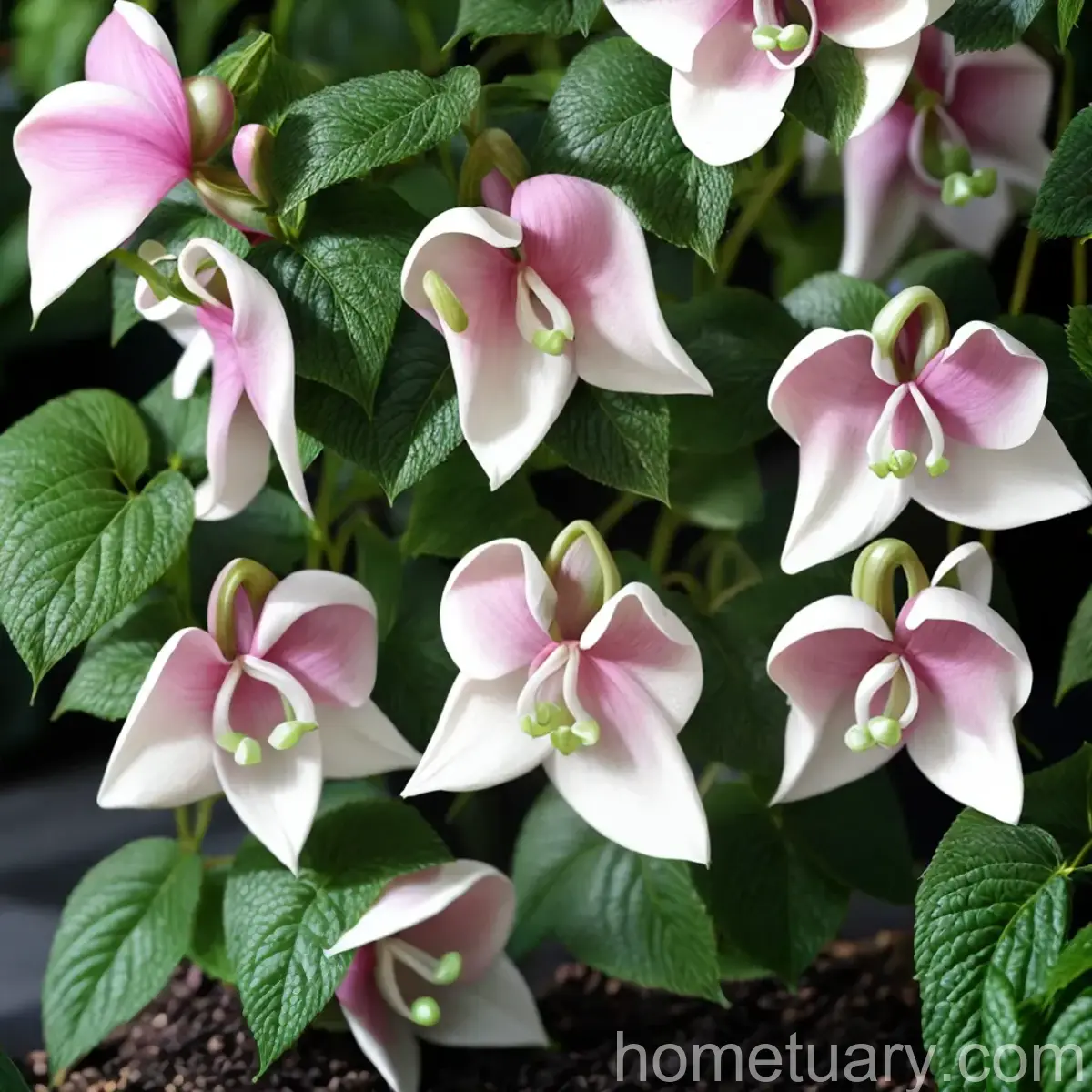
The Jet Bead, or Rhodotypos scandens, is a deciduous shrub that belongs to the Rosaceae family. It is native to Japan and China and is known for its attractive dark green foliage, white flowers, and shiny black berries. The name “jet bead” is derived from the resemblance of its berries to jet beads, which are a type of shiny black gemstone.
Key Takeaways
Before delving into the specifics of the Jet Bead plant, let’s take a look at some key takeaways about this captivating shrub:
- Scientific Name: Rhodotypos scandens
- Common Name: Jet Bead
- Family: Rosaceae
- Native Habitat: Japan and China
- Characteristics: Dark green foliage, white flowers, shiny black berries
- Uses: Ornamental, wildlife attraction
- Maintenance: Low to moderate
- Hardiness Zone: 4-8
Now that we have a basic understanding of the Jet Bead plant, let’s explore its cultivation, uses, and maintenance in detail.
Culture
Uses
The Jet Bead plant is primarily grown for its ornamental value. It adds a touch of elegance to gardens and landscapes with its lush green foliage and dainty white flowers. Additionally, the plant produces shiny black berries in the late summer or early fall, which not only enhances its visual appeal but also serves as a valuable food source for birds.
In landscaping, the Jet Bead plant can be used as a hedge or border plant, providing structure and interest throughout the year. Its ability to attract wildlife, particularly birds, adds further value to its role in garden design.
Water
When it comes to watering the Jet Bead plant, it is important to strike a balance. While the plant prefers moist soil, it is susceptible to root rot if the soil is excessively waterlogged. During the growing season, it is advisable to provide regular watering, especially during dry spells. However, it is equally important to ensure that the soil has good drainage to prevent waterlogging.
Sunlight
The Jet Bead plant thrives in partial to full sunlight. However, it can tolerate some shade, particularly in hotter climates. When choosing a location for planting, aim to provide the plant with at least 4-6 hours of sunlight per day for optimal growth and flowering.
Fertilizer
The Jet Bead plant benefits from a balanced fertilizer application in the spring. A slow-release fertilizer or a well-balanced organic fertilizer can be applied around the base of the plant, taking care to avoid direct contact with the stems or foliage. Additionally, a layer of organic mulch can be spread around the base to help retain soil moisture and provide nutrients as it decomposes.
Soil
Jet Bead plants thrive in moist, well-drained soil with a slightly acidic to neutral pH. Soil rich in organic matter is ideal for promoting healthy growth and flowering. When planting or transplanting Jet Bead shrubs, it is important to prepare the soil thoroughly by incorporating organic amendments and ensuring good drainage.
Pruning
Pruning is an essential aspect of maintaining the health and shape of the Jet Bead plant. It is best to prune the shrub immediately after flowering to encourage the formation of new growth and maintain a tidy appearance. Remove any dead or damaged branches, and consider lightly shaping the plant to enhance its natural form.
Propagation
Propagation by Cuttings
Jet Bead plants can be propagated through softwood or hardwood cuttings. Softwood cuttings are taken in early summer, while hardwood cuttings are collected in late fall or winter. Prior to planting the cuttings, it is beneficial to dip the cut ends in a rooting hormone to encourage successful root development.
Propagation by Division
Division is another viable method of propagating Jet Bead plants. This involves carefully dividing the root ball into smaller sections, each containing a portion of the roots and shoots. These divisions can then be replanted to establish new plants.
Container Popularity
The Jet Bead plant’s moderate size, attractive foliage, and minimal maintenance requirements make it well-suited for container cultivation. When growing Jet Bead in containers, it is essential to select a well-draining potting mix and provide adequate water and sunlight. This enables individuals with limited garden space to enjoy the beauty of this versatile shrub on patios, balconies, or even indoors.
Common Diseases
While the Jet Bead plant is generally resilient, it can be susceptible to certain diseases under unfavorable conditions. Here are some common diseases that may affect Jet Bead shrubs:
- Powdery Mildew: This fungal infection can manifest as a powdery white coating on the leaves, compromising their health and appearance.
- Leaf Spot: Leaf spots may occur due to various fungal or bacterial pathogens, leading to the development of discolored or necrotic areas on the foliage.
- Root Rot: Prolonged waterlogging can result in root rot, causing the plant to exhibit symptoms such as wilting, yellowing leaves, and overall decline.
Disease Diagnosis
When diagnosing potential diseases in Jet Bead plants, it is important to closely inspect the foliage, stems, and overall health of the shrub. Look out for signs such as unusual spots, discoloration, powdery residues, or wilting. In some cases, it may be beneficial to consult with a local plant expert or extension service to accurately diagnose and address any disease issues.
Common Pests
While the Jet Bead plant is relatively resilient to pests, it may occasionally encounter pest infestations that require attention. Some common pests that may affect Jet Bead shrubs include:
- Aphids: These small insects can cluster on the undersides of leaves, sucking sap and causing distortion or discoloration of the foliage.
- Scale Insects: Scale insects can attach themselves to the stems and leaves of the plant, feeding on its sap and potentially weakening its overall vigor.
- Spider Mites: These tiny arachnids can infest the foliage, causing stippling, webbing, and overall reduction in plant health.
Vigilant monitoring and early intervention are key to managing pest issues in Jet Bead plants. Natural predators, such as ladybugs and lacewings, can contribute to biological pest control, while targeted applications of insecticidal soap or horticultural oils can help manage pest populations effectively.
Botanist’s Tips
1. Embrace Natural Form
When cultivating Jet Bead plants, embrace their natural growth habits and forms. Consider allowing them to develop a relaxed, yet well-maintained appearance, rather than imposing overly formal or rigid shapes through excessive pruning.
2. Combine with Complementary Plants
Jet Bead plants can be beautifully complemented by a variety of companion plants. Consider pairing them with spring-flowering bulbs, such as daffodils or tulips, to create a stunning display of seasonal interest.
3. Consider Wildlife Benefits
Emphasize the wildlife-attracting qualities of Jet Bead plants in garden design. By strategically placing them near bird feeders or birdbaths, you can create an inviting habitat for local bird species and enhance the ecological value of your garden.
Fun Facts
To conclude our exploration of the Jet Bead plant, here are some intriguing and delightful fun facts about this remarkable shrub:
- The dark, glossy berries of the Jet Bead plant are highly attractive to birds, making it a valuable addition to wildlife gardens.
- Rhodotypos, the genus to which the Jet Bead plant belongs, is derived from the Greek words “rhodon” (rose) and “typos” (type), emphasizing its resemblance to certain roses.
- Jet Bead plants are admired for their spectacular autumn foliage, which often exhibits shades of red, orange, and yellow, adding a vibrant touch to fall landscapes.
Links to External Resources
For further information on the Jet Bead plant, its cultivation, and uses, consider exploring the following external resources:
- The Royal Horticultural Society – Rhodotypos scandens
- Missouri Botanical Garden – Jet Bead
- University of Florida IFAS Extension – Rhodotypos scandens
- North Carolina State University Extension – Growing Rhodotypos scandens
In conclusion, the Jet Bead plant, or Rhodotypos scandens, is a versatile and visually captivating shrub that holds a special place in gardens and landscapes. Its lush foliage, delicate flowers, and glossy berries make it a valuable addition to diverse gardening contexts, from ornamental beds to wildlife habitats. By understanding and implementing the principles of cultivation and maintenance outlined in this guide, you can experience the beauty and charm of the Jet Bead plant in your own garden.
Whether you are drawn to its ornamental appeal, wildlife benefits, or seasonal interest, the Jet Bead plant stands as a testament to the enduring allure of nature’s botanical treasures. As you embark on your journey of growing and caring for Jet Bead shrubs, may you find joy and fulfillment in nurturing these remarkable plants within your garden sanctuary.
As a plant scientist, it’s my pleasure to share with you my insights on the captivating Jet Bead plant. If you have any further questions or would like to delve deeper into the world of ornamental shrubs, feel free to reach out. Happy gardening!